





 Portuguese
  English
  Spanish
  3 min of reading
  0 comments


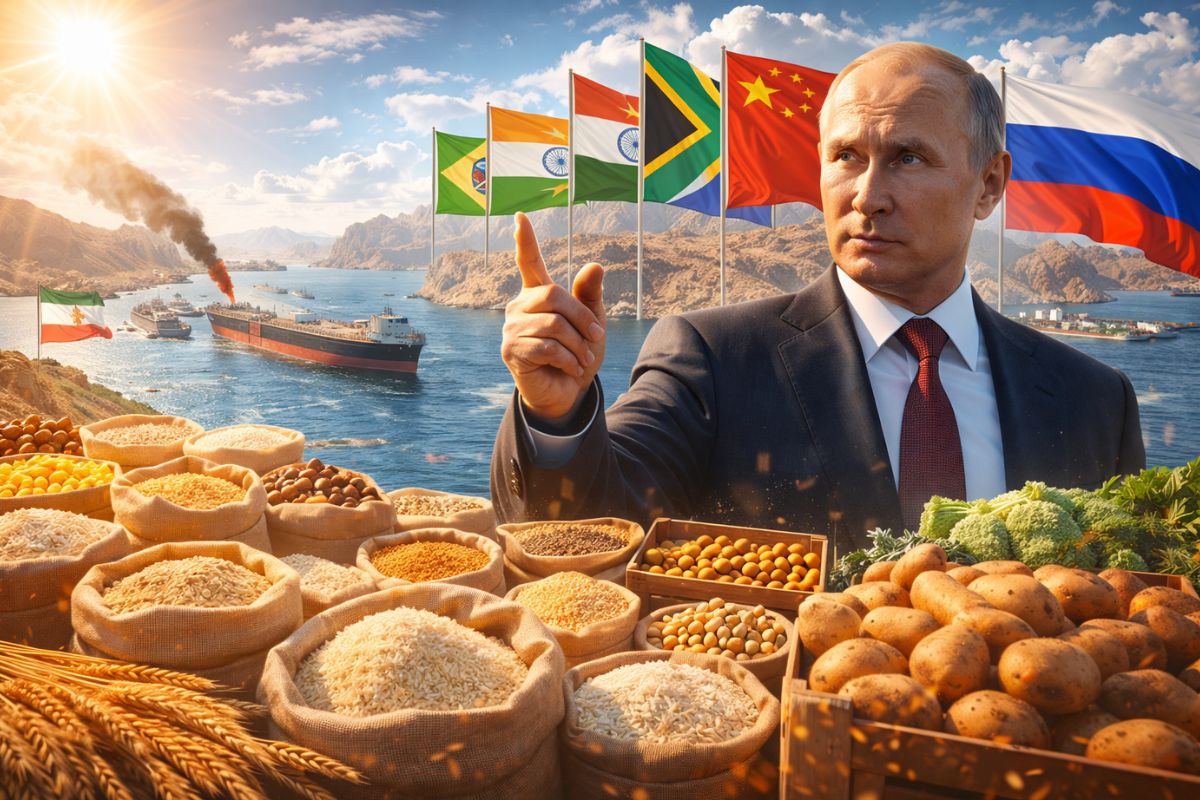
Russian authority says BRICS should lead cooperation for food security in light of the risk of productivity falling by half and hunger reaching 673 million
Russia advocated for the creation of joint food reserves with BRICS countries and regional allies to face growing risks to global food security amid the crisis in the Middle East and the direct impact on fertilizer supply chains.
According to a Russian Security Council official, the near-total closure of the Strait of Hormuz, off the coast of Iran, has increased uncertainty about the supply of inputs and may pressure food inflation and widen hunger in the world.
Why Russia wants food reserves with BRICS
The proposal presented is to expand cooperation with countries considered “friends,” focusing on BRICS members and the Eurasian Economic Union, using the mechanism of joint reserves as a way to reduce vulnerabilities in a scenario of instability.
-
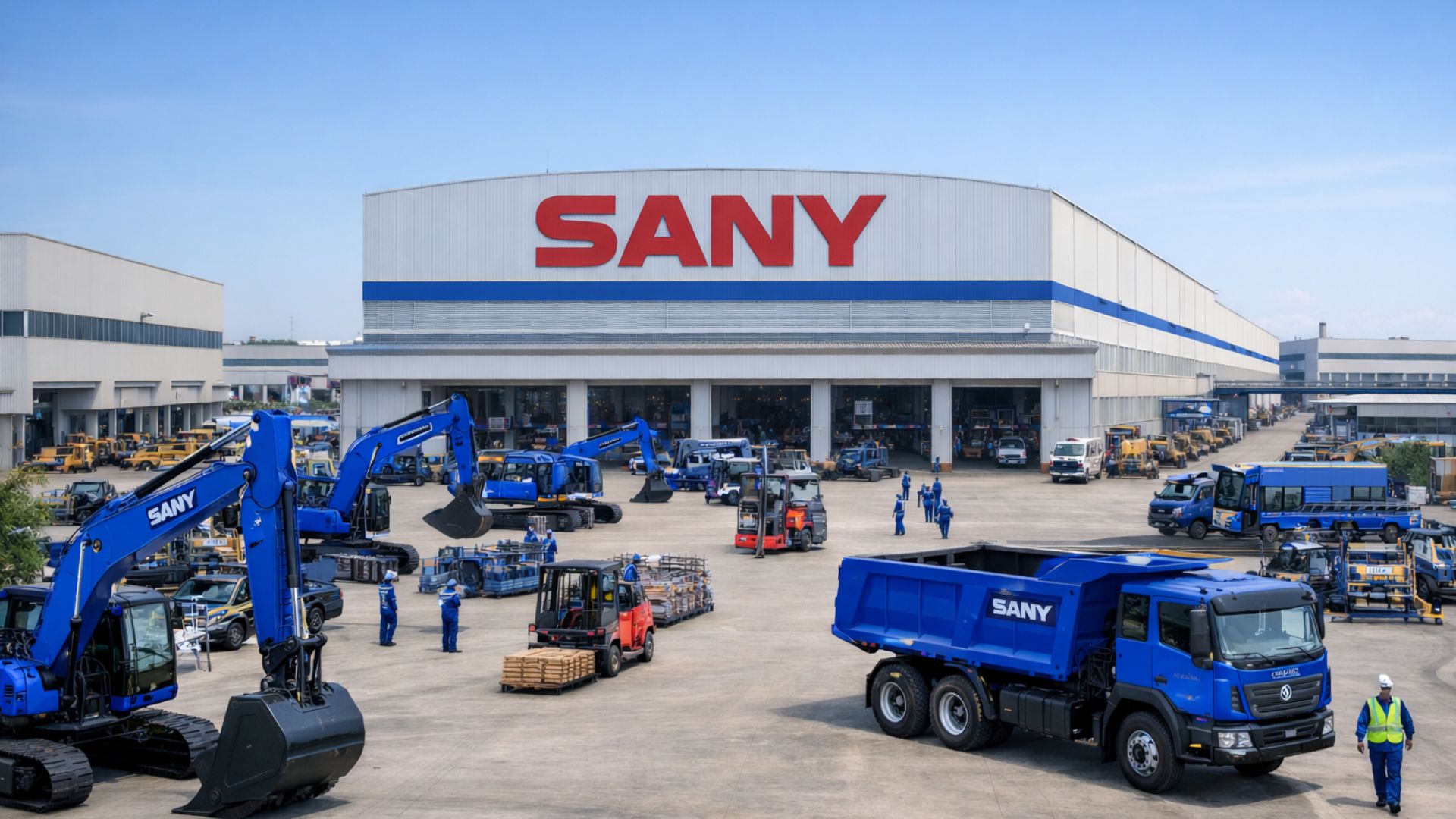
A Brazilian city will gain a mega factory from Sany starting in 2026, betting on national production of heavy machinery, job creation, and a billion-dollar expansion that promises to transform the industrial hub of Campinas.
-
The Central Bank of Brazil rejects freezing credit card interest rates, which exceed 400% per year, while Lula demands relief for family debts and the government promises cheaper credit alternatives soon.

-
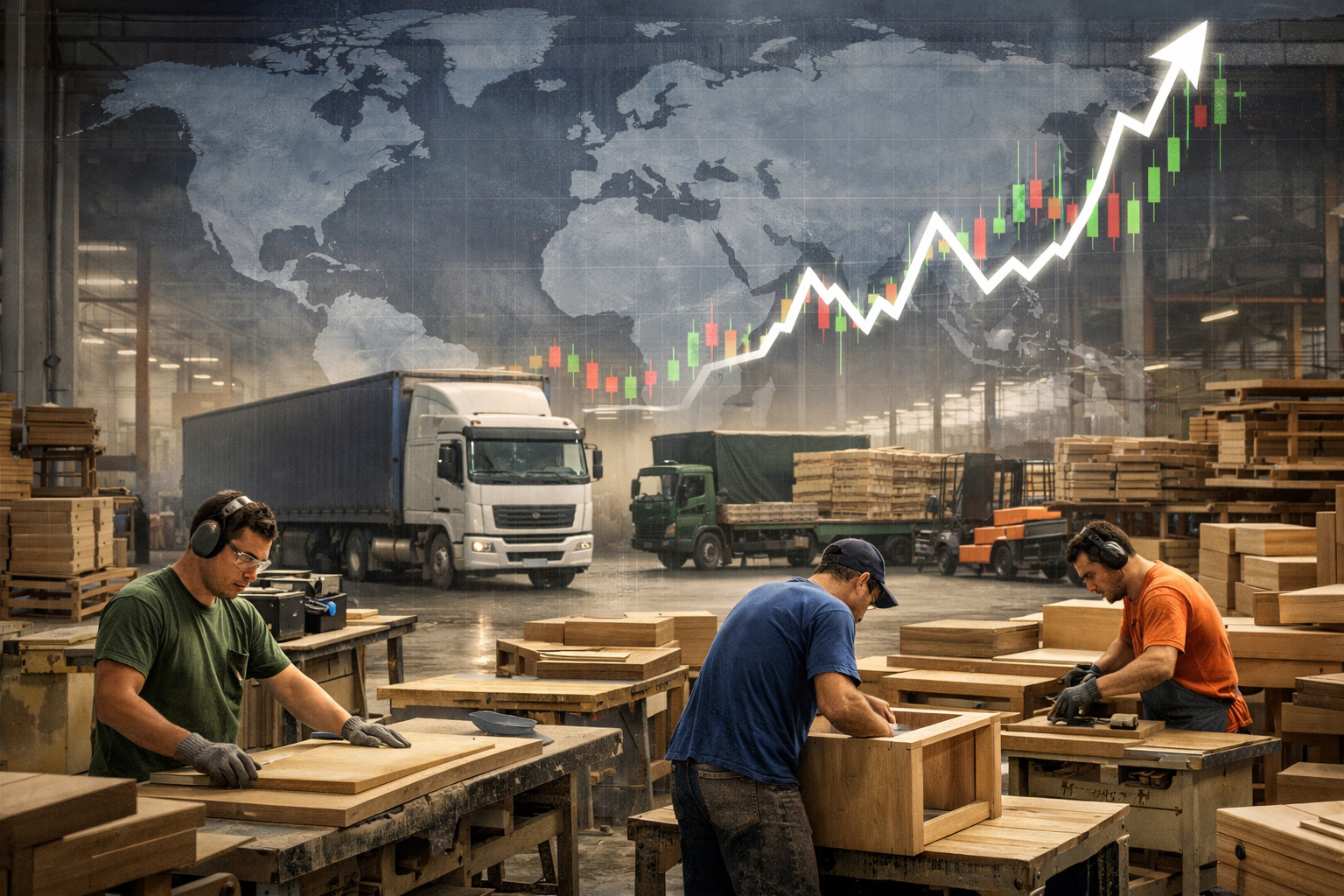
Amid the war between Iran and the USA, Brazil is already feeling the financial impact: the rise in diesel prices is putting pressure on freight costs, affecting the National Furniture Capital with over 380 industries, and could increase furniture prices by up to 10%.
-
Young Brazilians are abandoning one of the most important professions in the country, and now Oxford specialists estimate that robots could take over 39% of these tasks by 2033.

The Russian perspective is that, with shocks in the supply of inputs and international trade, the creation of coordinated stocks can act as a buffer to weather periods of scarcity and price increases.
Hormuz nearly closed and the direct effect on fertilizers
The alert comes from a central point: a significant portion of global fertilizer trade used to pass through the Strait of Hormuz, a narrow shipping route along the coast of Iran, described as practically closed since the beginning of the United States and Israel’s war against Iran.
Furthermore, the text highlights that about half of the world’s food is grown using fertilizers, making any prolonged restriction an immediate risk to agricultural production and prices.
Productivity may fall by half and food inflation tends to accelerate
The Russian authority stated that, if the global fertilizer shortage persists until the beginning of summer, the productivity of major crops could fall by half, opening the door for a strong increase in global food inflation.
In this scenario, the risk shifts from being merely about cost to being about access: the number of hungry people in the world could rise to a record 673 million, according to the cited assessment.
International organizations reinforce the risk of food insecurity
The text also mentions recent warnings from organizations such as the World Bank, International Monetary Fund, and the UN World Food Programme about the trend of rising prices for oil, natural gas, and fertilizers, with an inevitable effect on food prices and food insecurity.
The combination of high energy costs with pressured fertilizers tends to hit food on two fronts: it raises production costs and also transportation and distribution.
Russia exports wheat and fertilizers, but admits limit to increase production
Russia is described as the world’s largest wheat exporter and also a major producer and exporter of fertilizers. Nevertheless, the text states that the country does not have the capacity to significantly increase fertilizer production this year, even with the demand and global risk scenario.
At the same time, Russia aims to increase agricultural exports by 50% by 2030 and sees long-term opportunities for its producers, including the potential to increase shipments to the Middle East, Asia, Africa, and Latin America.
BRICS at the center of food trade and political debate
The text recalls that Egypt, a member of BRICS, is the largest importer of Russian wheat, and that Russia also exports food to China and India, the two largest economies in the bloc.
It is also mentioned that the Russian president is expected to meet with the president of Indonesia, Prabowo Subianto, a BRICS member, with food security likely on the agenda.
In your opinion, should BRICS prioritize joint food reserves now or first focus on securing fertilizers and logistics to avoid new price shocks?







Seja o primeiro a reagir!