





 Portuguese
  English
  Spanish
  3 min of reading
  1 comment


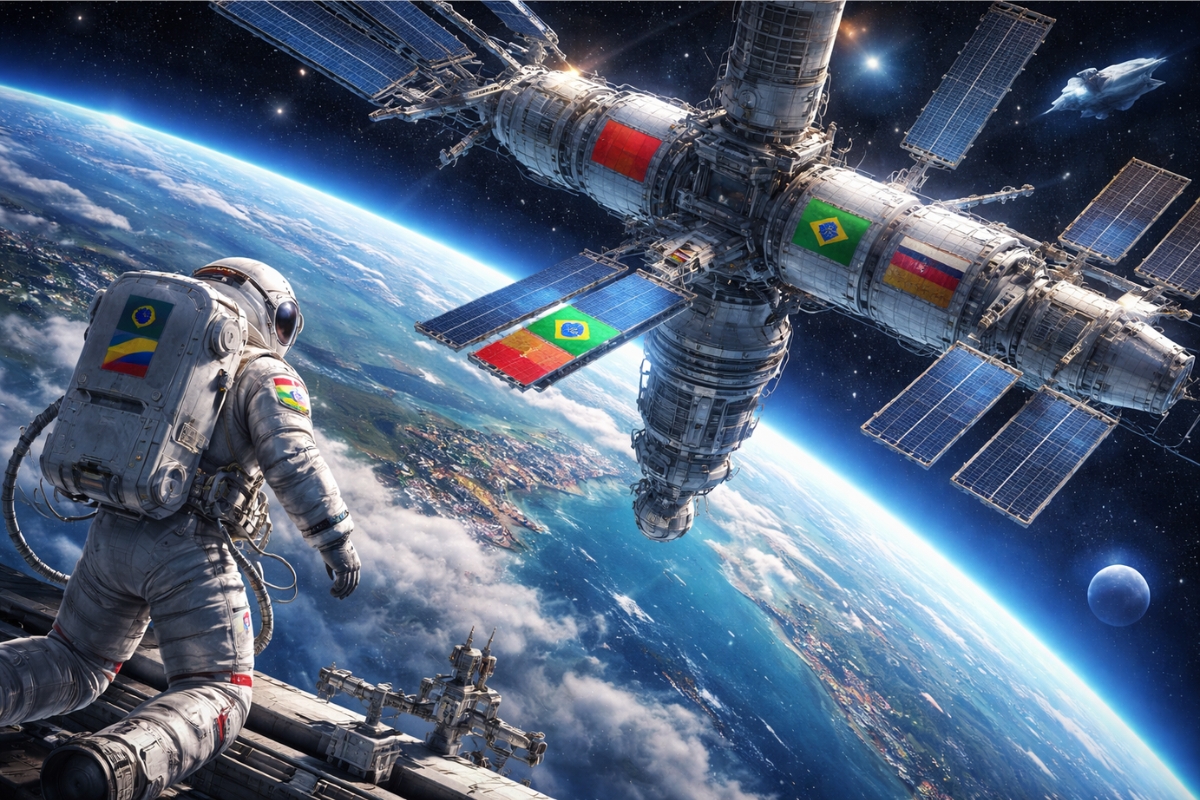


Russia Proposes Creation of BRICS Space Council to Build an Orbital Station and Conduct Manned Flights. Understand How Brazil and China Could Lead This New Era.
Global geopolitics is about to gain a new frontier: outer space. In a strategic announcement made by the Russian Ministry of Foreign Affairs, Russia formalized its desire to create the BRICS Space Council. The initiative seeks to unite emerging powers to consolidate exploration projects that have until now been dominated by traditional agencies like NASA (USA) and ESA (Europe). Just as the global transition to the electric car requires coordinated energy infrastructure, the new space era demands unprecedented technical and financial cooperation among the nations of the bloc.
Russia Proposes BRICS Space Council to Challenge Western Hegemony
The Russian proposal is not modest. The central focus of the new council is the implementation of “giant” projects, including manned space flights and the construction of an exclusive BRICS orbital station. Moscow argues that the experience gained from the International Space Station (ISS) — which is expected to be discontinued in the coming years — has served as a laboratory for technologies that can now be applied independently by the group’s partners.
For Brazil, the proposal arrives at a time of revitalization of the national space program, following successful satellite launches in partnership with China. Integration into the council would allow the country to share costs and knowledge in high-complexity areas, strengthening the Brazilian aerospace industry and opening doors for national astronauts to participate in joint missions.
-
It seems simple, but it generates electricity: scientists transform ambient humidity into electricity with gelatin and salt, and the generator still works for more than 30 days.

-
Soon, smartphones may be able to “see” objects hidden behind walls with LiDAR.
-
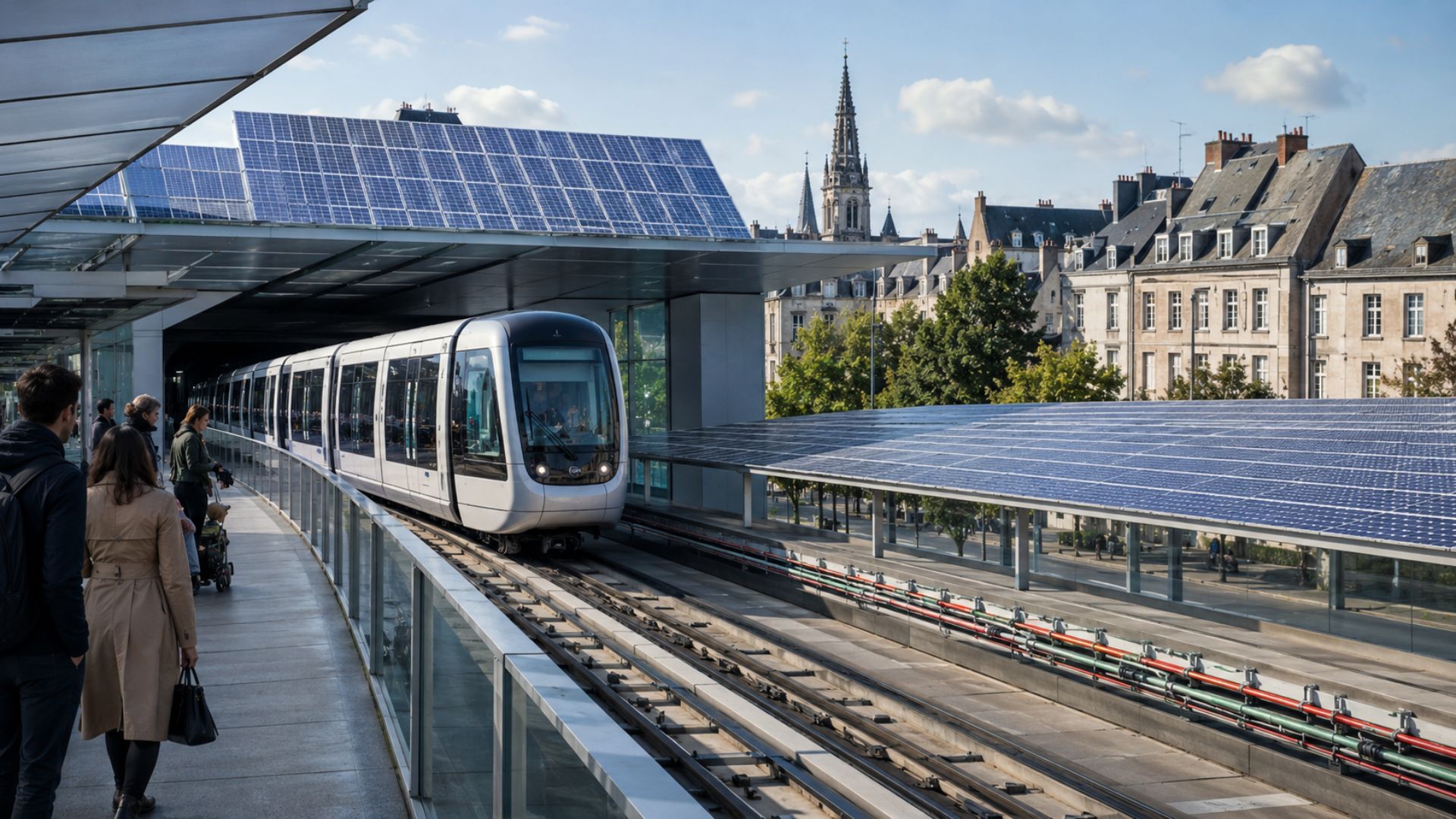
For the first time in France, solar electricity will power metro trains without going through the public grid. The pioneering Rennes project will begin construction in June with 6,000 square meters of solar panels, and users themselves can invest and earn a 5% annual profit.

-
United States releases a $2 billion investment in quantum computing with IBM’s participation, strengthening strategic technological infrastructure and accelerating the development of advanced processors that can change the internet, digital security, and global financial markets.


The Economic and Political Weight of BRICS

The bloc, which has expanded significantly in recent years, now includes members like Saudi Arabia, United Arab Emirates, and Indonesia, in addition to its founding members. Together, these countries represent 45% of the world’s population and 36% of global GDP. This economic power is the necessary fuel for projects that require long-term investments, similar to the research and development of high-performance batteries for the modern electric car.
During the summit held in Rio de Janeiro at the end of 2025, the initiative was received with enthusiasm. The idea of an integrated council aims to avoid technological dependence on Western powers and ensure that space exploration is guided by multipolarity. Furthermore, the presence of partner countries, such as Vietnam and Nigeria, extends the project’s reach to rapidly expanding emerging technology markets.
Challenges of Standardization and Sovereignty
Despite the optimism, the BRICS Space Council will face monumental challenges. Interoperability between the Russian space agency Roscosmos and the Chinese CNSA systems, for example, requires strict technical standardization. However, the vision of a shared space seems to be the natural path for a bloc seeking to reshape global institutions.
The union to dominate the cosmos is not just a matter of prestige, but of technological sovereignty. In the future, the connectivity of each autonomous electric car in Brazilian cities may depend on signals from satellites operated by this new space coalition, proving that the decisions made today in Moscow and Brasília will directly impact the ground we walk on.
Do you think Brazil should prioritize building a space station with BRICS or focus on partnerships with the United States? Leave your comment!







Olha uma boa ideia sim mais nosso país não tem essa competência com essa **** de corruptos que hoje só serve pra mus ****. Essa ideia não dá pra isso país.