





 Portuguese
  English
  Spanish
  3 min of reading
  1 comment


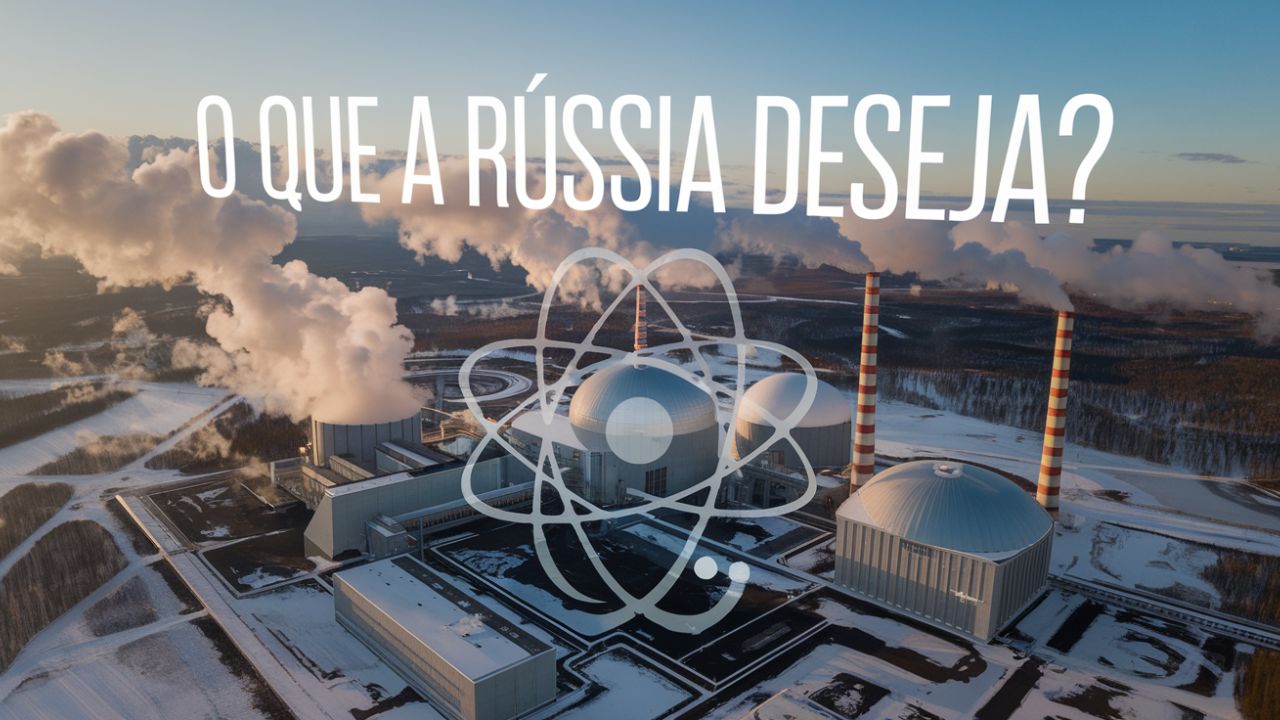


With Cutting-Edge Technology, the BREST-OD-300 Reactor Uses Innovative Nuclear Fuel Based on Depleted Uranium and Plutonium, Promising Unequaled Efficiency, Lower Waste Generation, and Energy Security for the Future.
Russia has taken another significant step in the development of cutting-edge nuclear energy. The state-owned Rosatom announced the start of nuclear fuel production for the BREST-OD-300 reactor, one of the biggest innovations of Generation IV. But what does this mean for the future of global energy? Let’s explore.
What Is the BREST-OD-300 Reactor and Its Relevance?
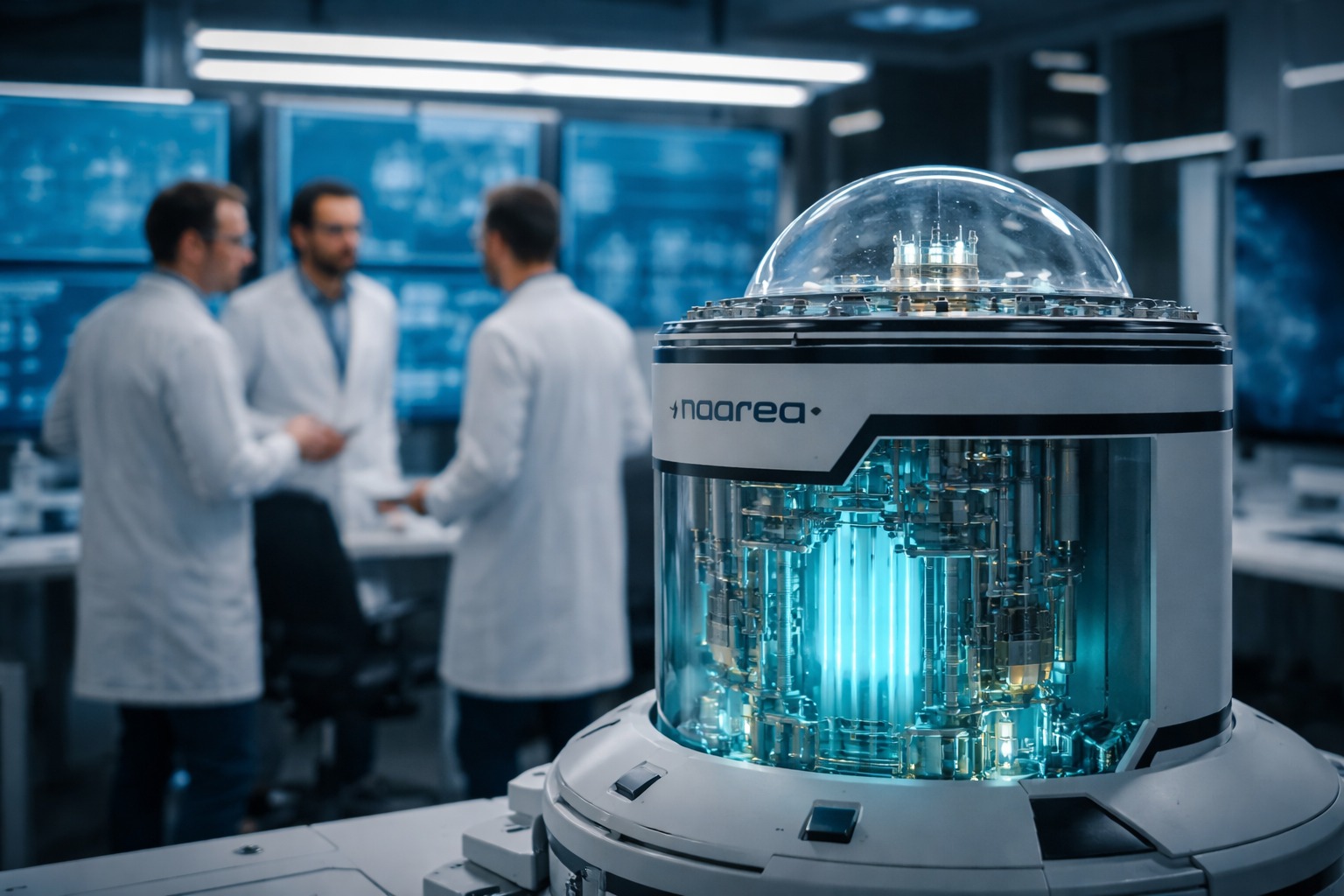
The BREST-OD-300 is a lead-cooled fast neutron reactor designed to transform the way we use nuclear fuel. Unlike conventional reactors, it makes better use of resources and significantly reduces radioactive waste.
This reactor is unique in its category. Utilizing depleted uranium and plutonium, it operates with a closed fuel cycle, meaning that irradiated fuel is reprocessed and reused. Its lead cooling enhances operational safety, reducing overheating risks.
-
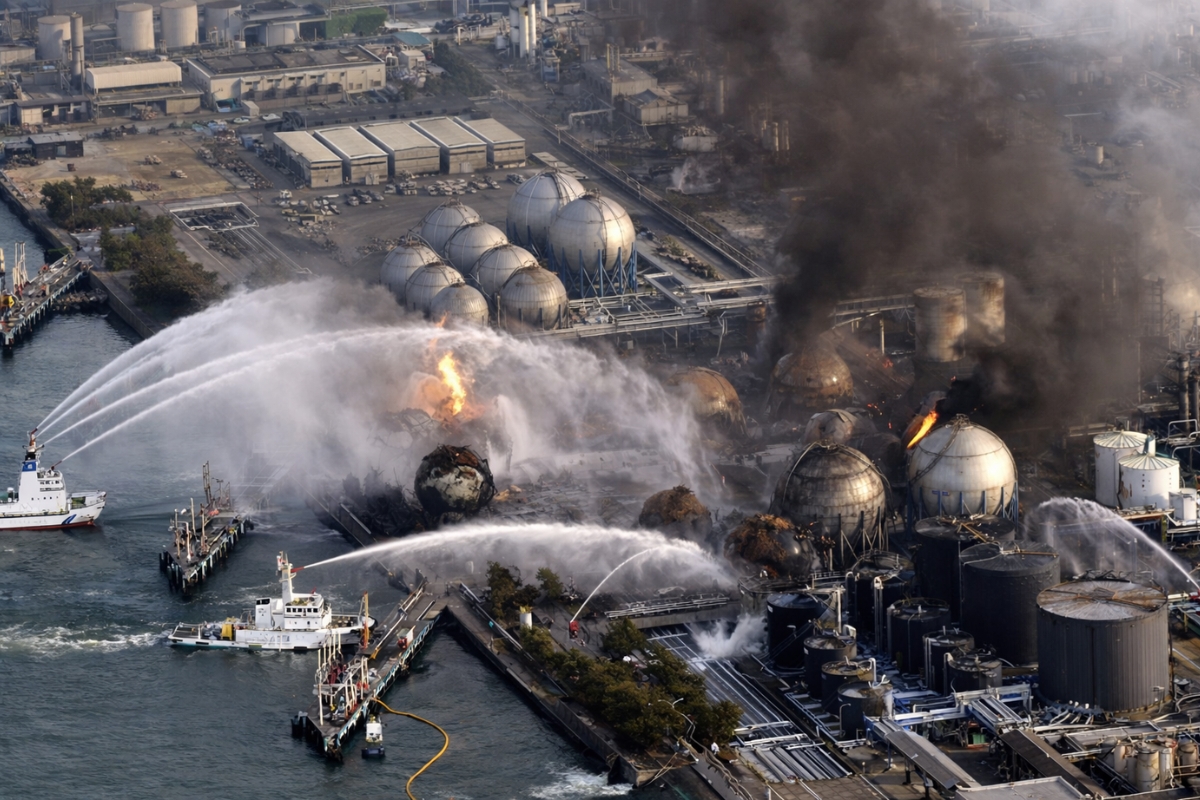
Fukushima Marks A Turning Point In Japan’s Energy Policy: After The Disaster, The Country Shut Down Its 54 Nuclear Reactors And, 15 Years Later, Only A Small Portion Have Returned To Operation
-
How Japan Overcame The Nuclear Bomb And Now Houses Millions In Hiroshima, While Ukraine Lost Chernobyl?

-
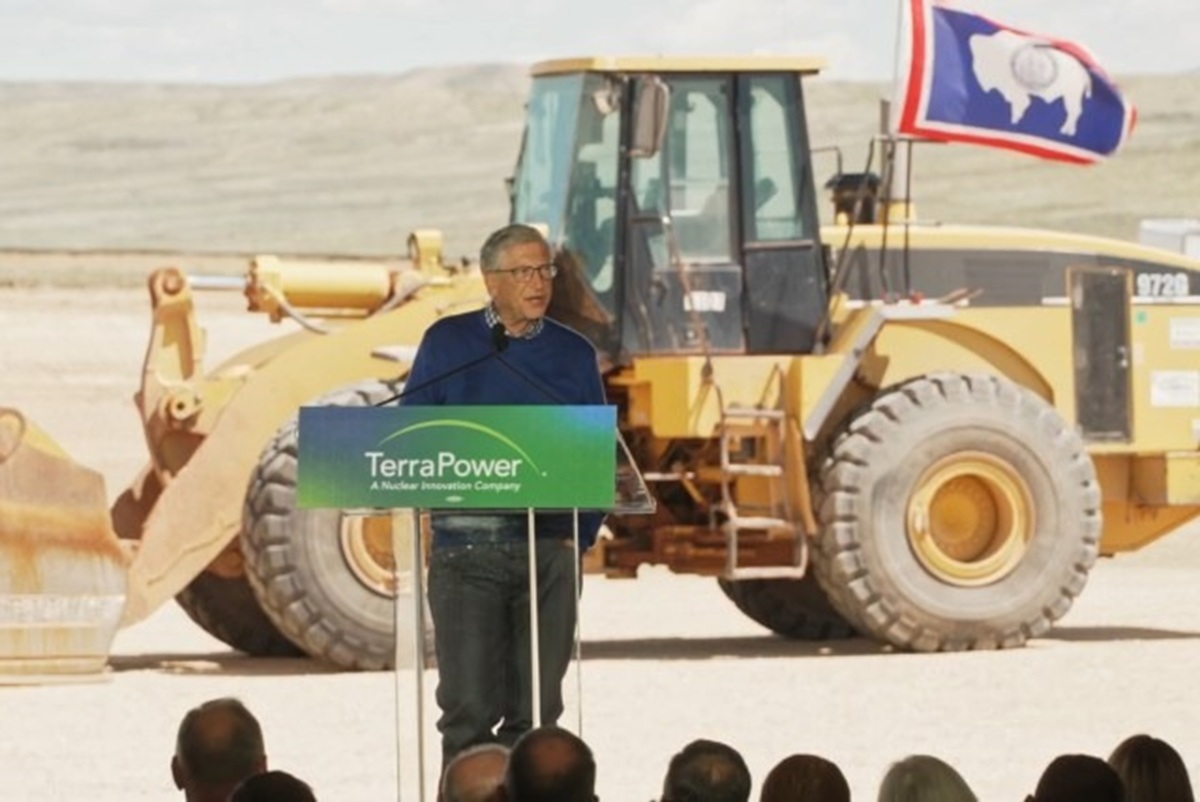
Bill Gates Receives Historic Approval to Build Giant 345 MW Nuclear Plant in the U.S. and Promises to Generate Up to 500 MW of Energy with Innovative Technology
-
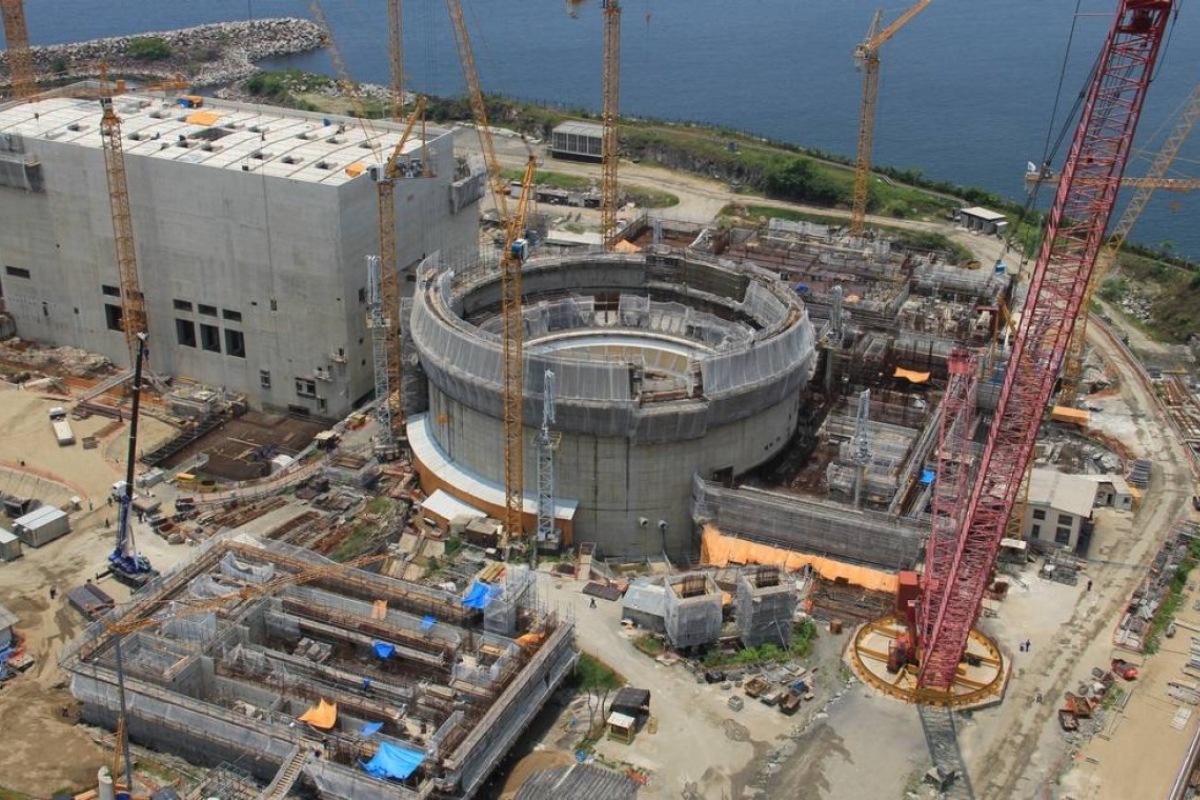
India Opens Nuclear Energy to Private Capital to Accelerate Projects and Attract Billions, While Brazil Remains Stalled at Angra 3 and Discusses Who Will Foot the Bill for Completion

The reactor not only utilizes resources that would be discarded as waste but also generates more fuel than it consumes. This represents a huge advance in energy efficiency and sustainability, positioning Russia at the forefront of nuclear technology.
Nuclear Fuel Production: How Does It Work?

The production of MNUP fuel (a mix of uranium and plutonium nitrides) began in Seversk, Siberia. This is one of the key elements for the success of the BREST-OD-300.
The MNUP fuel is made from nuclear cycle waste, such as depleted uranium and plutonium. This not only reduces the need for mining new materials but also helps decrease stocks of hazardous waste.
The manufacturing includes sophisticated stages, from the synthesis of nitrides to the assembly of fuel assemblies. The advanced technology employed by Rosatom ensures precision and safety at every stage of the process.
The Impact of Generation IV on Nuclear Energy
Generation IV reactors, such as the BREST-OD-300, promise to change the game in the energy sector. They offer greater efficiency and a sustainable approach to current challenges.
While conventional reactors use only 1% of natural uranium, fast reactors utilize nearly all of the material. This means less waste and more energy per unit of fuel.
With a closed fuel cycle, the irradiated fuel is reprocessed and reused, minimizing the amount of waste discarded. This addresses one of the biggest problems of traditional nuclear energy.
Global Benefits of the Russian Advancement
The production of nuclear fuel for the BREST-OD-300 brings benefits that extend beyond Russia’s borders.
The new technology offers a safer and more efficient energy source capable of meeting the growing energy demands worldwide. It’s like turning a problem into a solution — something rare and innovative.
Russia, through Rosatom, is years ahead in the development of Generation IV nuclear technologies. This advancement places the country in a strategic position in the global energy landscape.
The start of nuclear fuel production for the BREST-OD-300 is a milestone that reflects the pursuit of more efficient and sustainable energy solutions. With this initiative, Russia reaffirms its leadership in the nuclear sector and points the way to a future with less waste and more energy security. Is this the beginning of a new era for nuclear energy? Time will tell.




Então É por isso que venderam nossa reserva de urânio!