





 Portuguese
  English
  Spanish
  5 min of reading
  0 comments


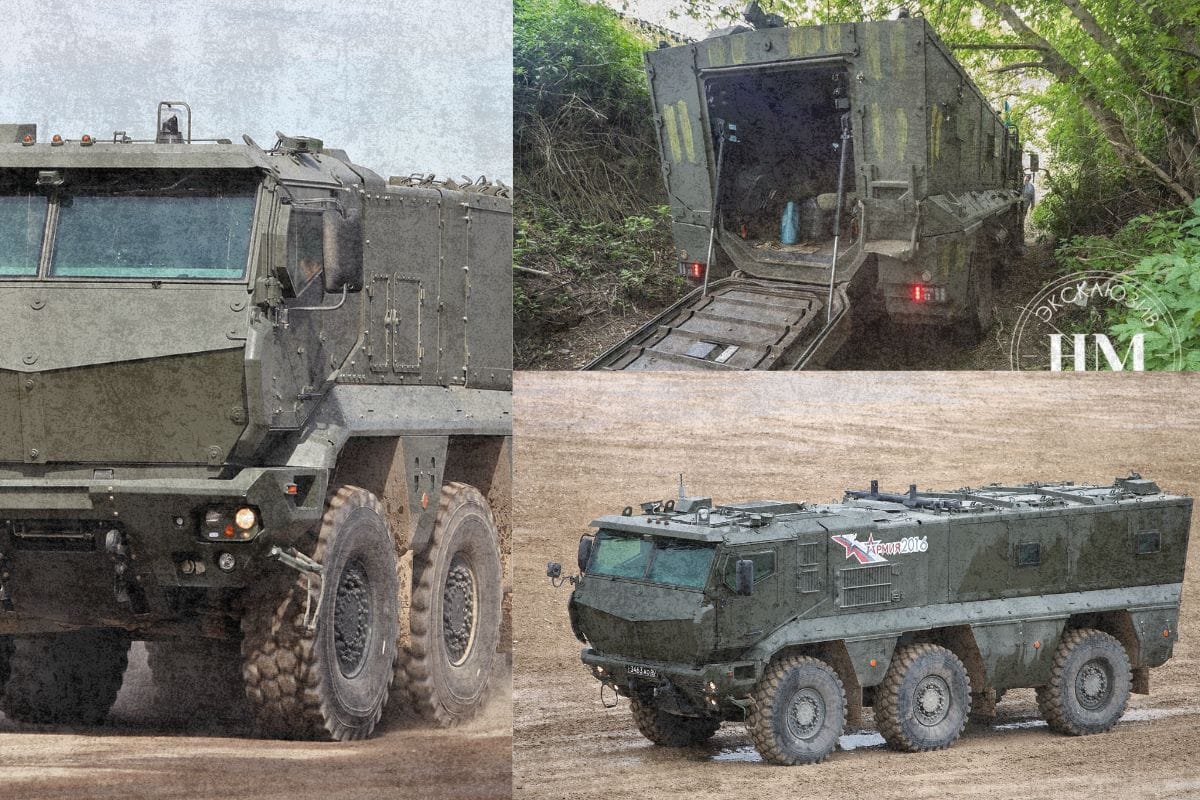
The Russian Monster Weighing 21,000 Kilograms That Reaches 100 km/h has become one of the most recognizable, and also most targeted, vehicles on the modern battlefield. We are talking about the KamAZ Typhoon, the Russian armored vehicle designed to withstand mines, ambushes, and heavy gunfire. Designed to safely transport up to 16 soldiers, this giant on wheels has been a centerpiece of Russia’s military doctrine since 2014.
But modern warfare has put this colossus to the test like never before. Since the start of the conflict in Ukraine, the Typhoon has faced a scenario dominated by kamikaze drones, guided missiles, and precision artillery, something that no military manual from the past decade could foresee. Updated data until February 2025 reveals that at least 39 units have been destroyed, captured, or abandoned, exposing both the limits and successes of this Russian project.
-
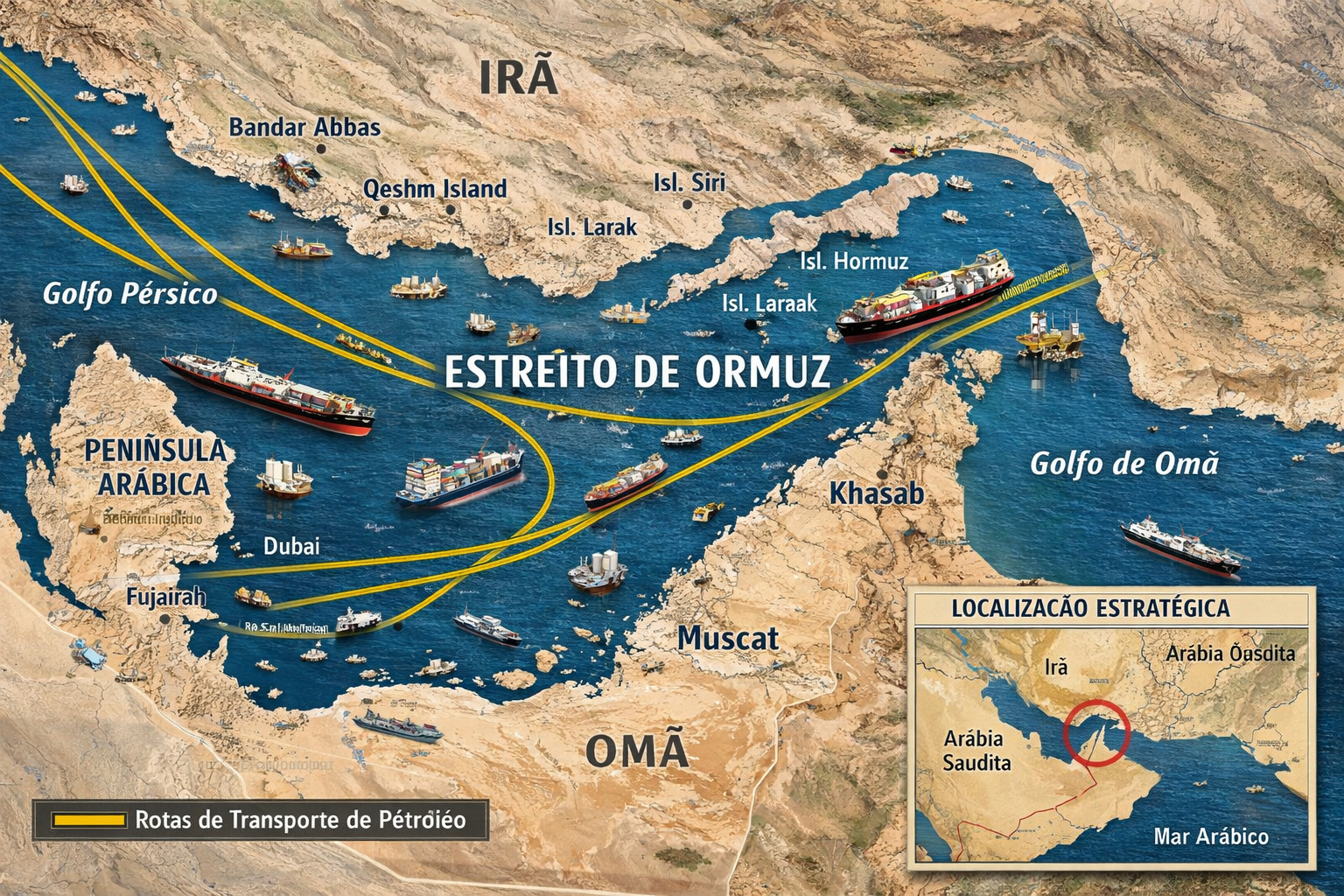
Global summit with over 40 countries pressures Iran for a blockade in the Strait of Hormuz and warns of direct impact on oil, food, and the global economy.
-
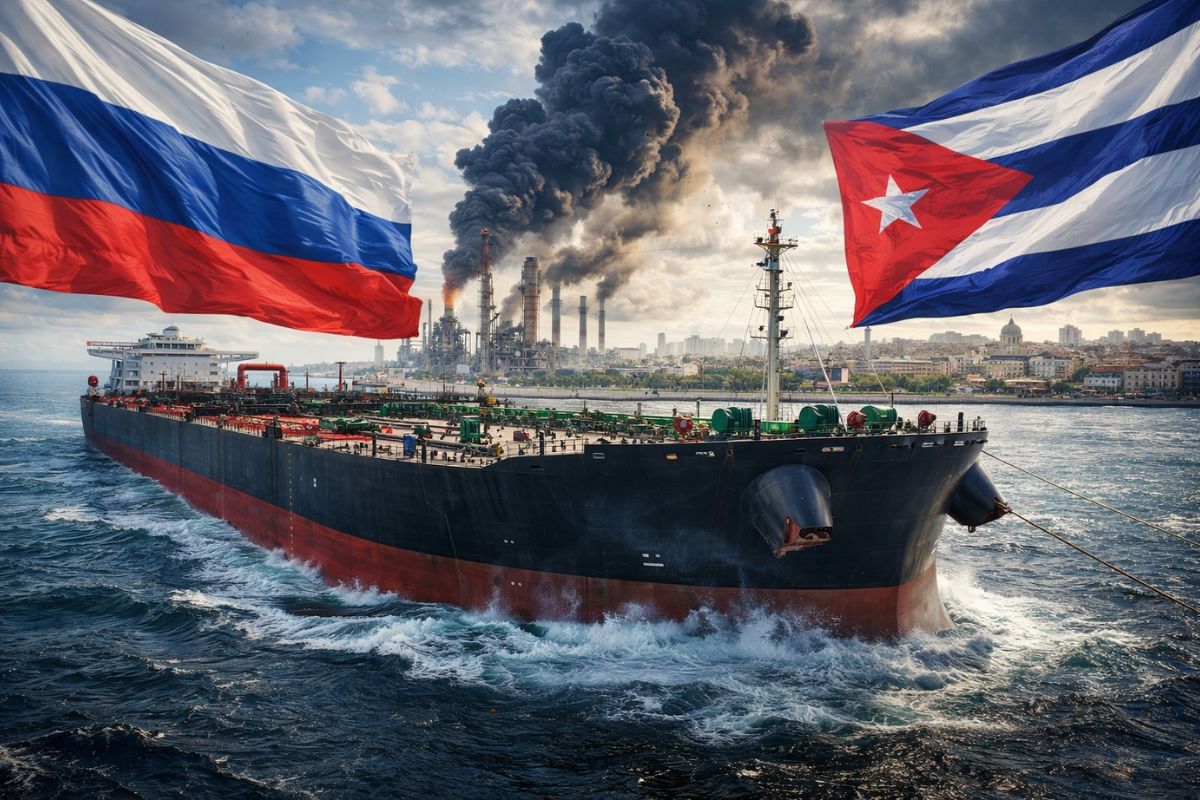
Russia has broken the U.S. maritime blockade to send oil to Cuba and is now loading a second ship while Trump says that “Cuba is next” in a possible military action against the island.

-
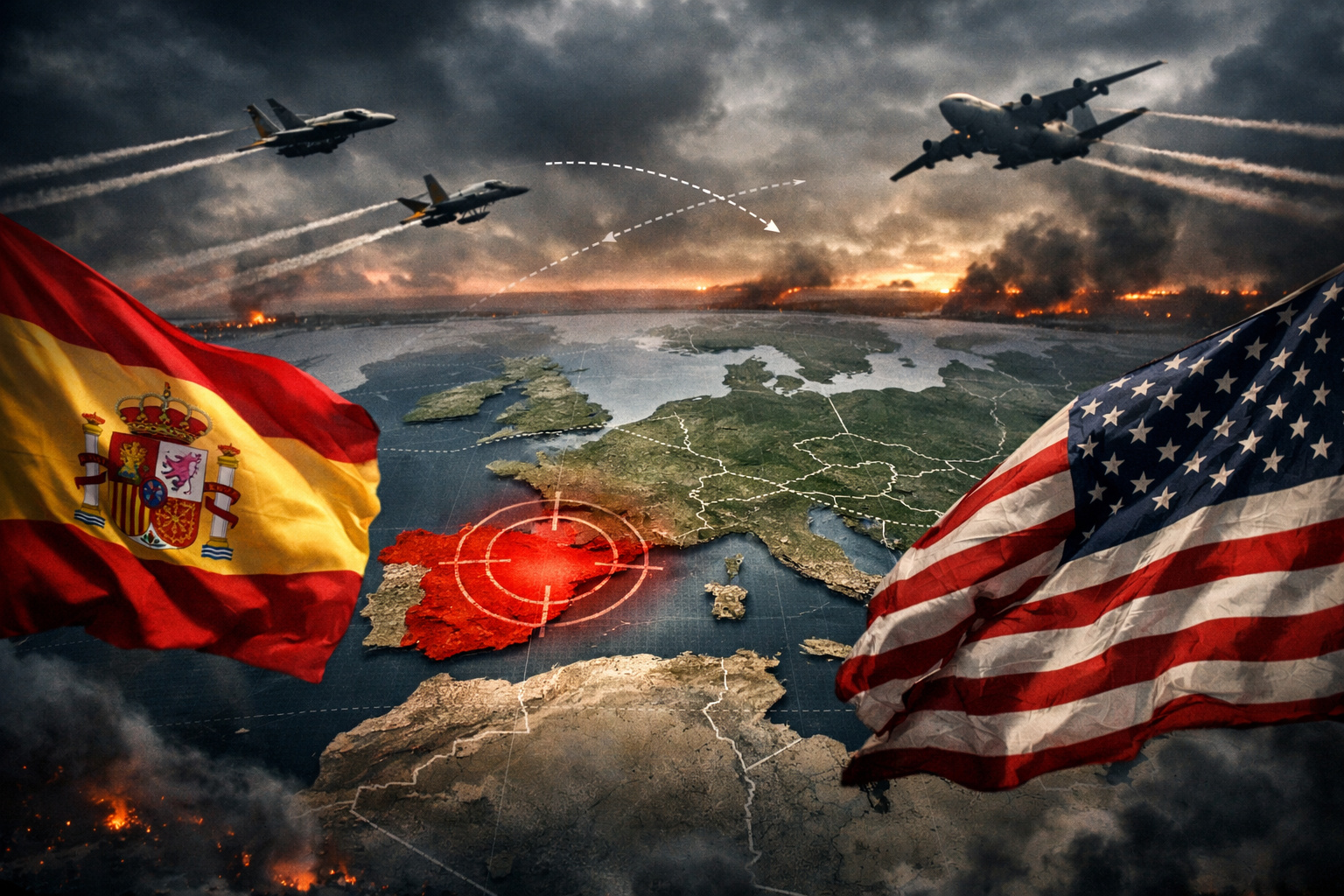
Spain challenges the USA and closes its airspace for operations against Iran, raising global tension and provoking the threat of a trade rupture.
-
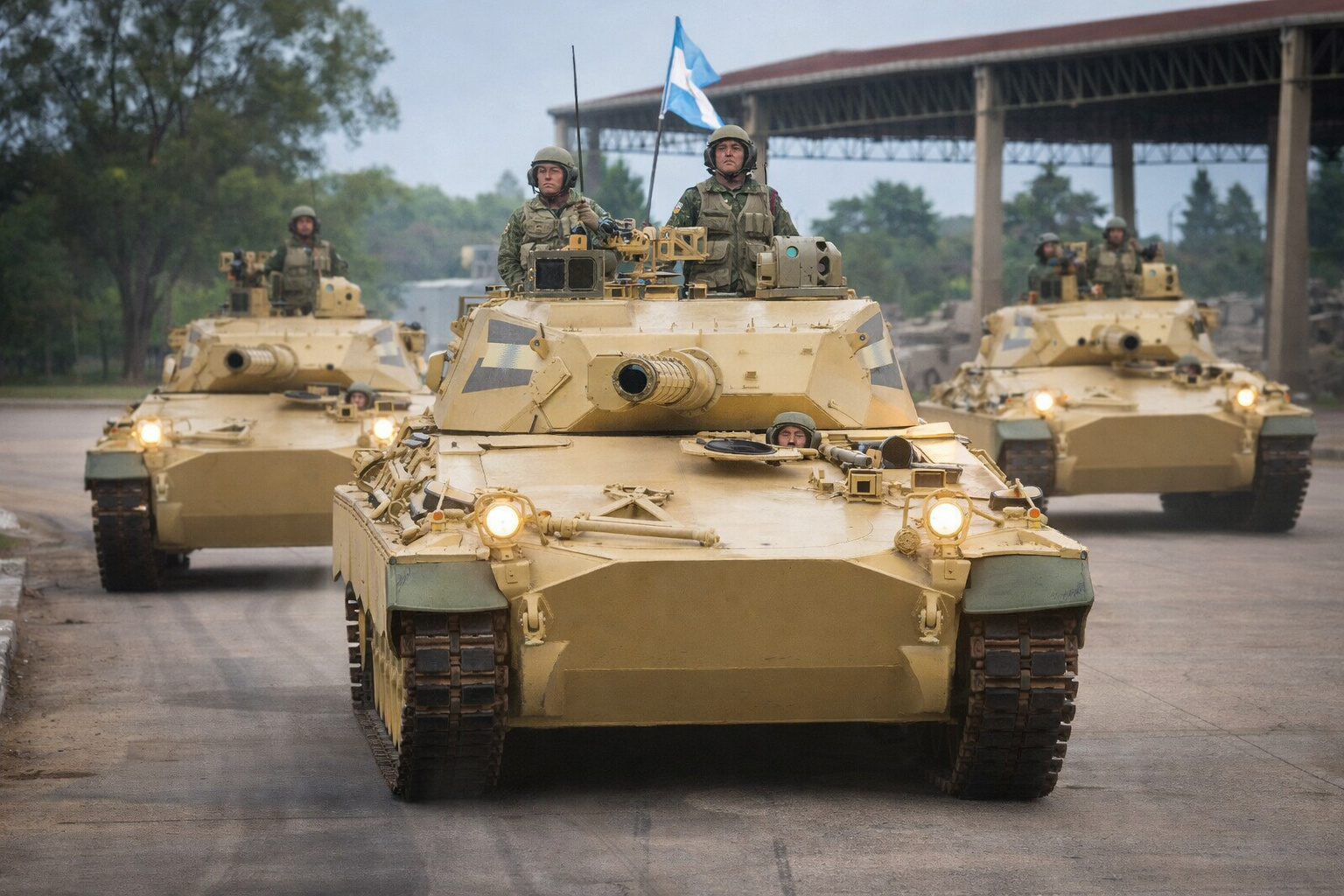
While no other country manufactures tanks in Latin America, Argentina activates the TAM 2C-A2 and raises a curiosity about the technological lag in the region.
In this article, you will understand how the KamAZ Typhoon works, its technological differentials, level of armor, autonomy, performance, and why, despite being a fortress on wheels, this armored vehicle also suffers heavy losses on the front lines. We will dissect its history, its role in the war, and the future of this vehicle in the global defense market.

KamAZ Typhoon: The History of the 21-Ton Russian Armored Vehicle
The KamAZ Typhoon was born out of an urgent demand from the Russian Armed Forces to modernize its fleet of protected vehicles. The project was officially approved in 2010, within the program “Development of Military Vehicles of the Russian Federation until 2020.”
The first contract for the acquisition of the vehicles was signed in 2012 between the Russian Ministry of Defense and the manufacturer KAMAZ. The goal was to create an armored vehicle with high resistance to mines and ambushes, following international standards.
The first KamAZ Typhoon models began to be delivered in 2014. That same year, 12 units paraded through Red Square during the traditional Victory Day Parade, marking their official presentation to the public and the military forces.
After rigorous testing that lasted until 2019, the armored vehicle was officially declared operational. Production reached 328 units by 2021, according to official data from the Russian government.
The Typhoon became a key element in Russian military operations, being used in both internal missions and external conflicts, including its notable presence in the Ukraine War.
Armor and Protection: How the Typhoon’s Defense Works Against Mines, Bombs, and Gunfire
The KamAZ Typhoon was designed to withstand explosions from mines, IEDs (improvised explosive devices), and heavy weapon fire. Its armor follows NATO standard STANAG 4569 level 3b, ensuring protection against mines weighing up to 8 kg of TNT.
The combination of ballistic steel and ceramic plates provides resistance against armor-piercing munitions up to 14.5 x 114 mm, with speeds of up to 930 m/s. Tests conducted by the Russian Steel Institute validated the vehicle’s resistance.
The armored windows, up to 129 mm thick, withstand consecutive shots from heavy machine guns such as the KPVT, maintaining 70% transparency for the crew, which is considered high for this level of protection.
The vehicle also features 16.00R20 run-flat tires equipped with inserts that deflect the shockwave of explosions. This allows the Typhoon to continue moving even after direct impacts.
Additionally, the design includes suspended seats on the ceiling to reduce the effects of explosions under the hull, enhancing the safety of the onboard troops.
Onboard Technology: GALS System, Intelligent Suspension, and Military Communication
The main differentiator of the KamAZ Typhoon is its onboard command and control system, the GALS-D1M. This system monitors the vehicle’s status in real-time, including engine, tilt, speed, and geographic positioning.
The driver can remotely control the height of the hydropneumatic suspension, with a variation of up to 400 mm, allowing adjustment of the vehicle for rugged terrain or lowering the profile for transport and combat.
Internally, the Typhoon has five cameras that provide 360-degree visibility of the cabin and troop compartment, significantly increasing situational awareness.
The cabin control panel is equipped with foldable screens that display critical information about the vehicle’s operation and external images.
The communication system allows the armored vehicle to integrate with military networks, enabling secure data exchanges, mission coordination, and real-time logistical support.
Performance on the Battlefield: Losses, Captures, and Lessons from the War in Ukraine (Updated 2025)
Since the beginning of the Ukraine War, the KamAZ Typhoon has been widely used by Russian forces but has also suffered considerable losses on the battlefield.
As of February 2025, public records indicate that at least 28 units of the KamAZ-63968 Typhoon have been destroyed, in addition to 11 units of the lighter K-53949 model. Many have been captured or abandoned.
The main reported vulnerabilities are related to the massive use of kamikaze drones, precision artillery, and modern anti-tank missiles, which exceed the armor level designed for conventional land threats.
Images of destroyed or exposed Typhoon armored vehicles in Ukraine show that, despite advanced armor, the vehicle is not immune to the modern multi-domain warfare environment.
On the other hand, experts point out that against mines and ground ambushes, the vehicle maintains high efficiency, especially in troop transport and logistics operations in low-intensity combat zones.
Operators, Versions, and Future of the KamAZ Typhoon in the Global Market
In addition to Russia, which operates the largest fleet, the KamAZ Typhoon has also been purchased by Turkmenistan and Uzbekistan. Interestingly, Ukraine also operates some units captured during the conflict.
The vehicle has various versions, including the 4×4 family (KamAZ-5388), 6×6 (KamAZ-63968), and even 8×8 models (KamAZ-63988), along with the amphibious variant KamAZ-63969 equipped with a remotely controlled weapon station.
In 2023, KAMAZ launched an export version of the Typhoon-K with 100% domestically produced components, after international sanctions blocked access to foreign parts.
Despite combat losses, the Typhoon continues to attract interest in the international market, especially from countries prioritizing vehicles for asymmetric warfare scenarios and patrols in high-risk zones.
The future of the Typhoon includes upgrades to the active defense system, lightweight reactive armor, and integration with drones, as well as the possibility of unmanned vehicles based on the same chassis.








-

Uma pessoa reagiu a isso.