





 English
  Francês
  Alemão
  Italiano
  Japonês
  Norueguês
  Portuguese
  Spanish
  5 min of reading
  0 comments


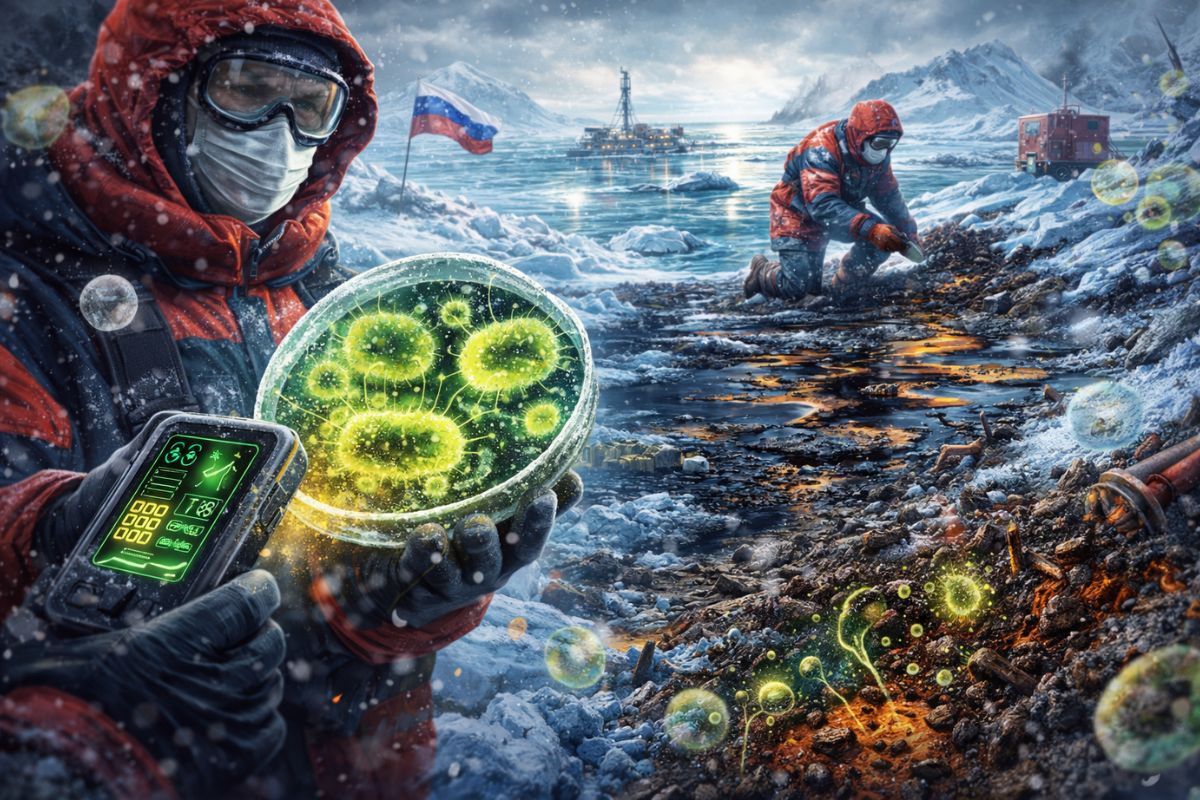
Researchers from the Kola Scientific Center isolated 10 strains of microorganisms capable of degrading oil and heavy metals at only 5 °C in frozen soils of the Arctic. The discovery paves the way for cleaning contaminated areas where traditional methods have always failed.
A team of researchers from the Kola Scientific Center, affiliated with the Russian Academy of Sciences, identified microorganisms capable of degrading oil and heavy metals in frozen soils of the Arctic. The 10 isolated strains can grow at temperatures close to 5 °C, withstand high concentrations of heavy metal ions, and utilize components of diesel and crude oil as a carbon source, something that no traditional cleaning method could achieve under these extreme conditions.
The discovery was made on Kaskama Mountain, in the northwest of the Murmansk region, where a contamination zone has formed over the years.The research represents a significant advance in the bioremediation of Arctic environments, where severe climate, permafrost, and complex logistics make conventional decontamination methods such as physical soil removal, burning, or washing with chemical reagents unfeasible.
What Russian scientists found in the Arctic
The researchers collected samples of contaminated soil in the Murmansk region and, in the laboratory, isolated 10 strains of microorganisms that proved to be extraordinarily active. All strains are capable of growing at around 5 °C, resisting high concentrations of heavy metals, and using petroleum derivatives and metals as an energy source for their metabolism.
-
Salaries of up to R$ 25,000, a shortage of professionals, and exploding demand in 2026 make the no-code automation specialist one of the most sought-after careers in Brazil, even without requiring a degree or programming knowledge.

-
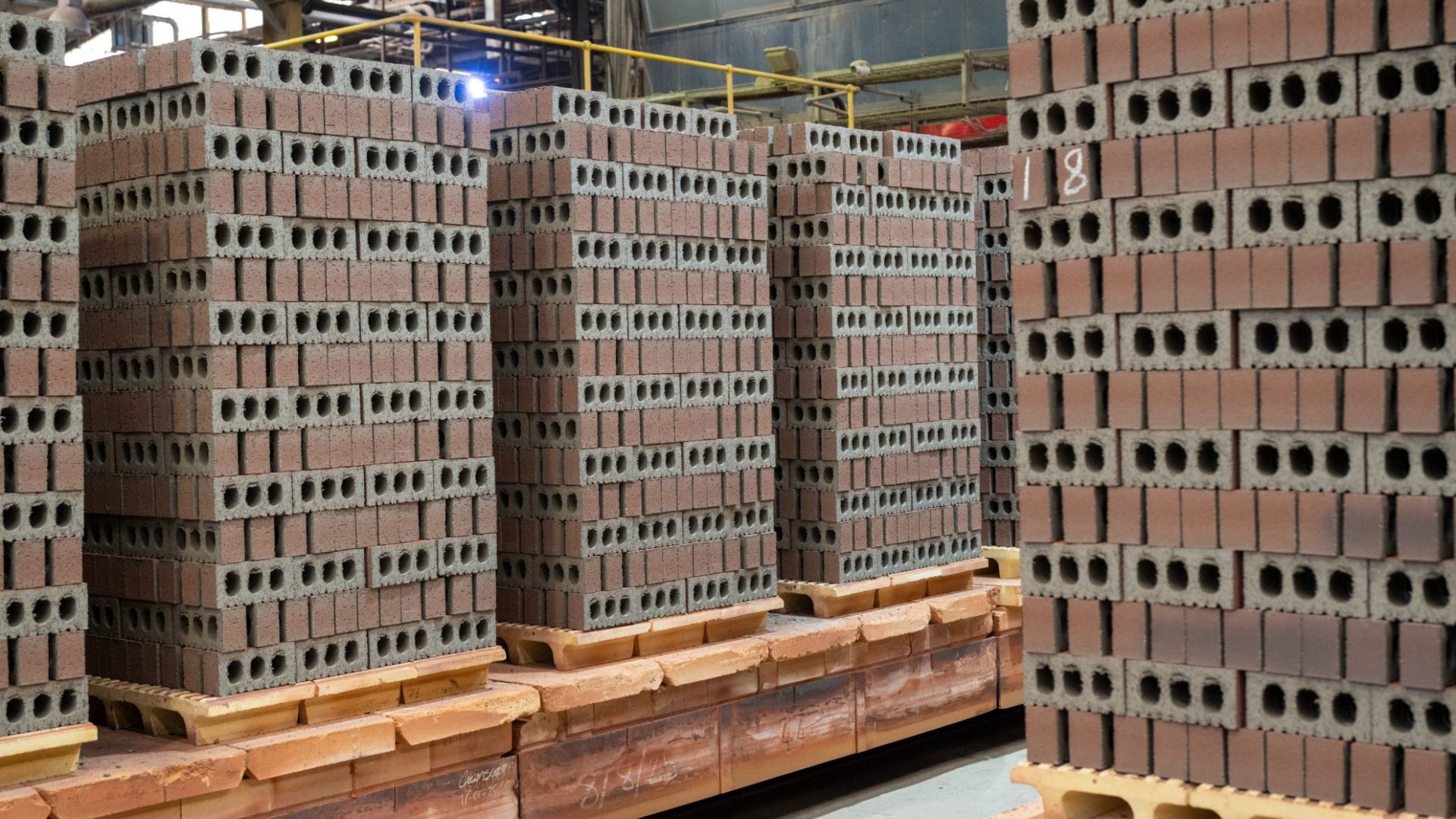
The first commercial-scale hydrogen-powered brick factory will be established.
-
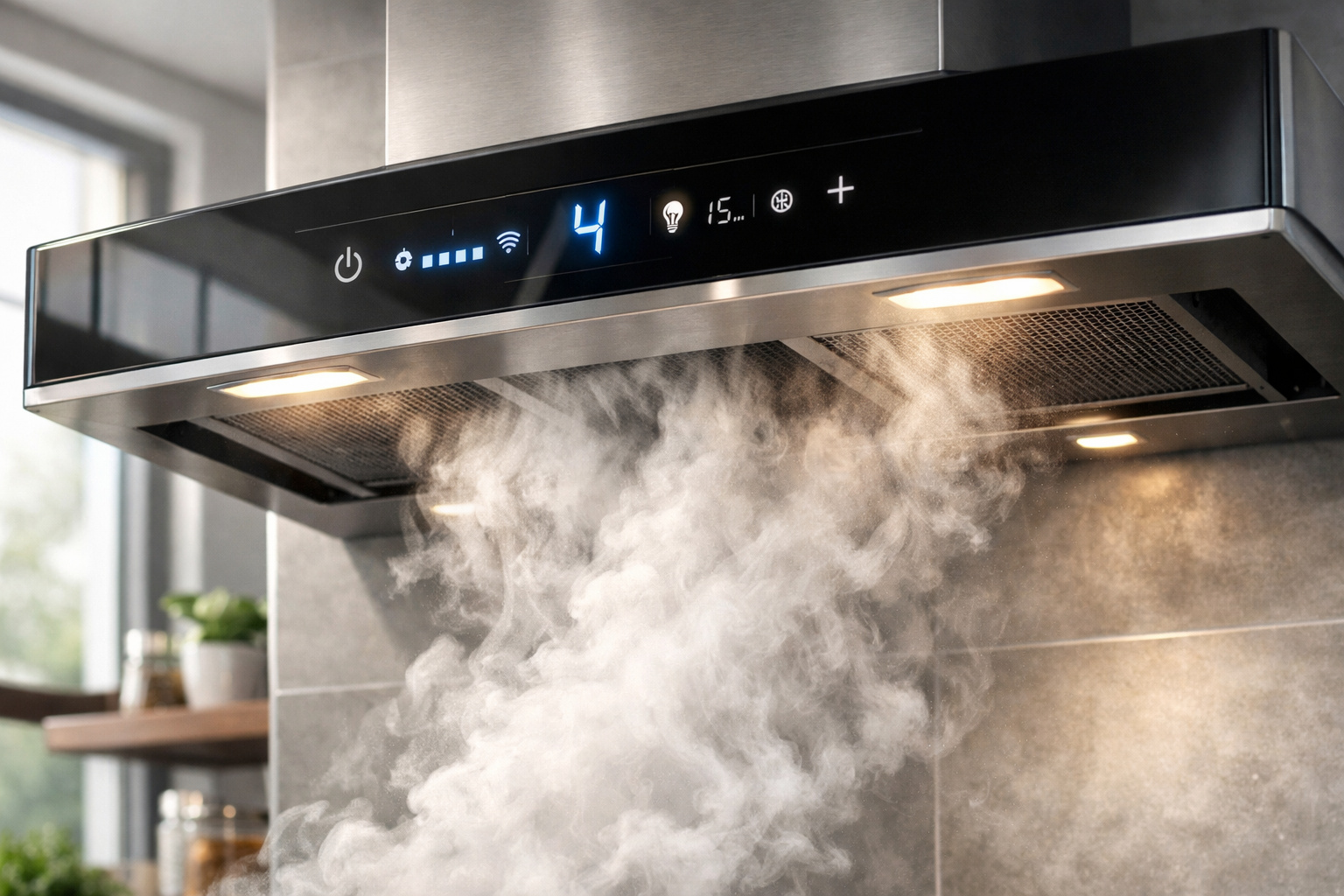
Goodbye to the noisy exhaust fan: silent and smart technology transforms modern kitchens with more comfort, design, and efficiency in everyday life.
-
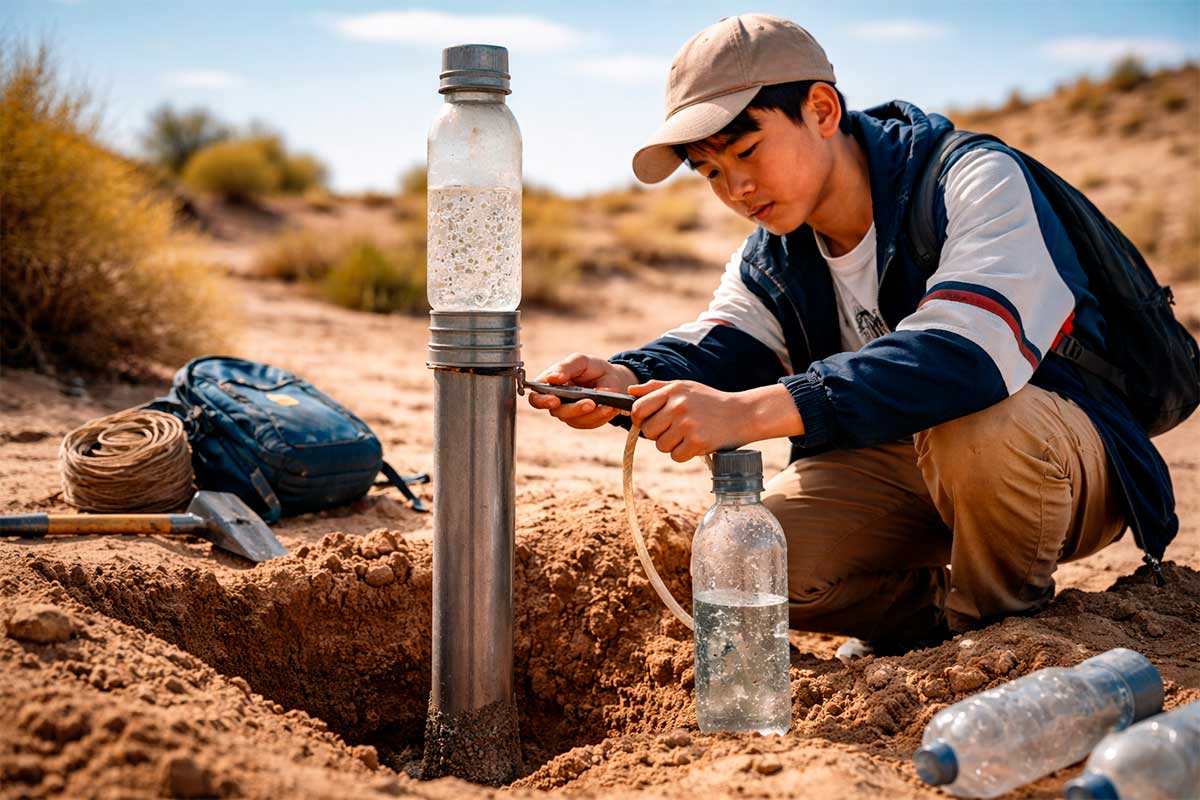
At just 14 years old, a boy creates a system without energy, using steel pipes buried in the ground, that irrigates seedlings with moisture from the air, to combat the water scarcity threatening reforestation in northern China.

Among the identified microorganisms, two categories caught the scientists’ special attention. Bacteria of the genus Pseudomonas oxidize divalent iron, while those of the genus Penibacillus can reduce trivalent iron and simultaneously oxidize hydrocarbons in an anaerobic environment, that is, without oxygen. This combination allows for tackling contamination by oil and heavy metals at different soil depths, from the surface to deeper layers where oxygen does not reach.
Why oil and heavy metal contamination is so difficult to combat in the Arctic
Contamination by petroleum derivatives and heavy metals remains one of the biggest environmental challenges in the Arctic. The extreme conditions of the region make traditional decontamination methods in frozen soils practically unfeasible.
Permafrost, a layer of permanently frozen soil, prevents large-scale mechanical removal. Temperatures close to zero hinder the evaporation of toxic hydrocarbons and drastically slow down the natural recovery of soils.
In addition to climatic barriers, logistics in the Arctic are extremely complex and costly. Transporting heavy equipment, chemical reagents, and remediation teams to remote regions of northern Russia involves prohibitive costs. Therefore, the discovery of local microorganisms that can degrade oil and heavy metals under the Arctic’s own conditions completely changes the equation: instead of bringing technology from outside, scientists can use organisms that already live in the contaminated environment.
How bioremediation with Arctic microorganisms works
Bioremediation is the process of restoring polluted environments through living organisms. In the case of the Russian discovery, the identified microorganisms use components of oil and heavy metals as a carbon and energy source, transforming toxic substances into less harmful compounds through their natural metabolism.
The difference in this research is that the microorganisms are indigenous, that is, native to the contaminated Arctic soil itself. This is crucial because organisms brought from other regions often do not survive the extreme conditions of the Arctic.
The strains isolated by the Kola Scientific Center are already adapted to the intense cold and the geochemical peculiarities of the local soil, significantly increasing the chances of success in decontamination. The ability to operate in both oxygen-rich and anaerobic environments allows cleaning to reach different depths of the terrain.
The role of Pseudomonas and Penibacillus bacteria in soil cleaning
Bacteria of the genus Pseudomonas are known in science for their metabolic versatility and have been studied in bioremediation contexts in temperate climates. In the Arctic, however, finding strains that maintain this capability at such low temperatures is a relevant novelty. These bacteria oxidize divalent iron present in soil contaminated by oil and heavy metals, transforming it into less toxic forms.
The Penibacillus bacteria, on the other hand, act in deeper layers of the soil, where oxygen is scarce or nonexistent.
They reduce trivalent iron and simultaneously oxidize hydrocarbons derived from oil and contaminating metals, performing a cleaning job that no conventional chemical method can replicate under these conditions.
The combination of the two categories of bacteria allows for a comprehensive decontamination approach, from the surface to the deeper layers of Arctic soil.
What this discovery means for the future of Arctic decontamination
The research opens new perspectives for environmental cleaning across the entire Arctic region, which has accumulated decades of contamination from industrial, military, and oil and heavy metal exploration activities. Until now, much of this environmental liability remained without a viable solution due to the limitations imposed by climate and geography.
Scientists believe that the isolated strains can be applied on a large scale for the bioremediation of frozen soils in northern Russia and, potentially, other Arctic regions of the planet.
The research was conducted in collaboration with the Russian University of Friendship of Peoples and the Vinogradski Microbiology Institute, and the results were published by the Ministry of Science and Higher Education of Russia. The expectation is that the next steps will involve field tests in contaminated areas to validate the effectiveness of the microorganisms outside the laboratory.
The discovery of microorganisms capable of degrading oil and heavy metals at 5 °C could transform the way the world deals with contamination in frozen soils of the Arctic and other extreme environments.
If field tests confirm the effectiveness of the isolated strains, bioremediation with native organisms could become the main environmental cleaning tool in the coldest and most inaccessible regions of the planet.
With information from the portal TV Brics.
What do you think of this discovery? Do you believe that bioremediation can replace traditional methods in cleaning areas contaminated by oil and heavy metals? Leave your opinion in the comments and share with those interested in science and the environment.







Seja o primeiro a reagir!