





 Portuguese
  English
  Spanish
  6 min of reading
  0 comments


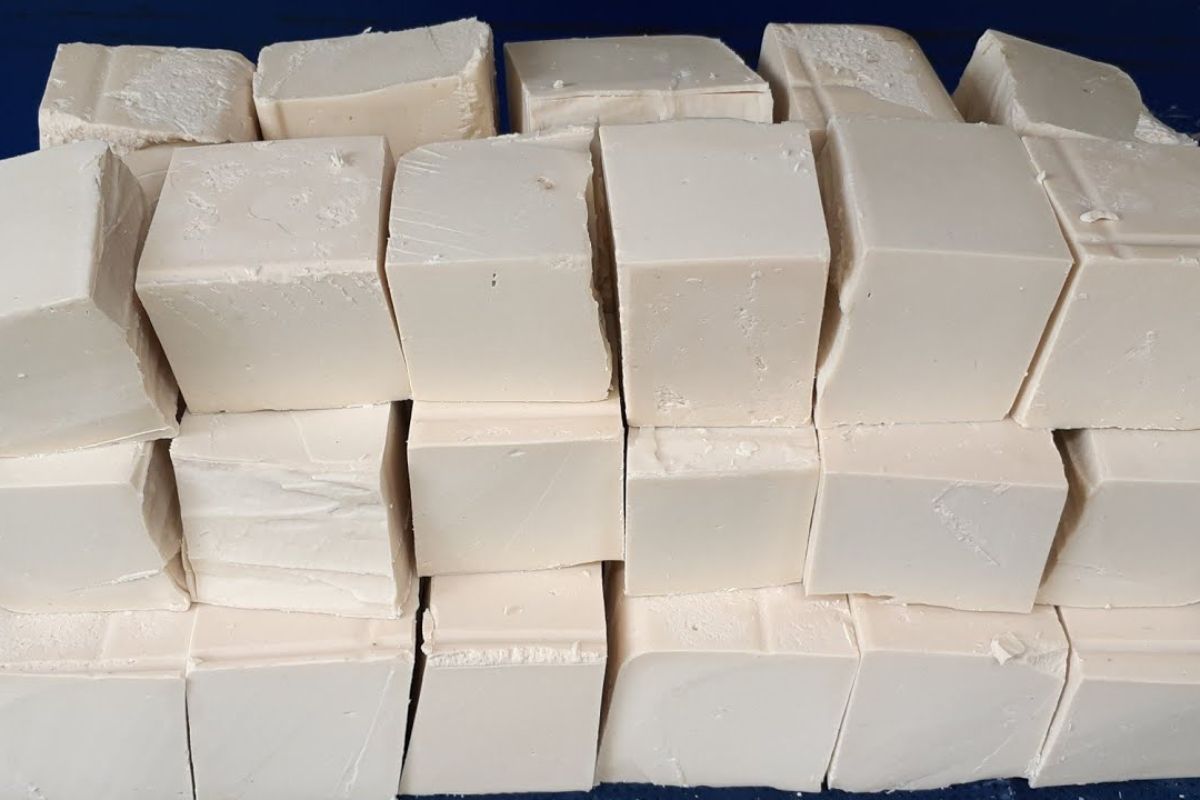
With a Few Accessible Ingredients, It Is Possible to Produce a Powerful Soap from Used Cooking Oil, Preventing Up to 1 Million Liters of Water from Being Contaminated per Discarded Liter and Also Reducing Monthly Expenses with Cleaning Products in a Simple, Fast, and Completely Sustainable Homemade Process Today.
Producing a powerful soap at home, using the cooking oil that would be thrown away, has ceased to be a curiosity from a sustainable fair and has become a concrete solution for families concerned about their budget and the environment. The same grease that clogs pipes and pollutes rivers can be converted into an efficient product for washing clothes, utensils, and surfaces.
By reusing used oil, the recipe transforms a problematic waste into a cleaning input, reduces the pollution load on sewage systems, and even replaces part of the industrialized products purchased in the market. The logic is simple and technical at the same time: instead of discarding the grease, it enters into a controlled reaction with water, alcohol, and sodium hydroxide, generating solid bars of soap for everyday use.
Why Reuse Used Cooking Oil

The improper disposal of cooking oil is described by environmental technicians as one of the major silent problems of daily household life.
-
While restoring a historic mansion from 1910, a brick structure with an old turbine that generated energy from the Rio do Testo emerged, along with a hidden door and a rare floor concealed under layers of wax.
-
Italian researchers have detected what appears to be a second Sphinx buried under the sands of Egypt, and satellite scans reveal a gigantic underground megastructure hidden beneath the Giza Plateau for over 3,000 years.

-
There are 4,223 drums and 1,343 metal boxes concreted with 50-centimeter walls that store the radioactive waste from Cesium-137 in the worst radiological accident in Brazil, just 23 kilometers from Goiânia, with environmental monitoring every three months.

-
Giant Roman treasure found at the bottom of Lake Neuchâtel in Switzerland reveals an advanced trade system, circulation of goods, and armed escort in the Roman Empire about two thousand years ago.

One liter of oil can contaminate up to 1 million liters of water, according to the SOS Mata Atlântica Foundation, when it goes down the sink, drain, or directly into the soil.
Besides water pollution, the oil forms crusts in pipes, increases the need for unclogging, and overloads sewage treatment plants.
When the grease reaches rivers and streams, it hinders the oxygenation of the water, affecting fish, microorganisms, and the entire balance of urban ecosystems.
When converted into powerful soap, this same oil takes on the opposite function: instead of contaminating, it contributes to the cleaning of homes, utensils, and service areas.
Reuse prevents environmental impact and also closes a cycle of domestic economy, as the material that would be waste returns as a valuable product.
Understand the Chemical Basis of Cold Soap

The recipe presented follows the cold soap method, where there is no direct heating of the ingredients in the pan.
The transformation of the grease into soap occurs through a saponification reaction between the grease and the sodium hydroxide dissolved in water.
In practice, the mixture of used oil, water, alcohol, and sodium forms a mass that, after being well homogenized, hardens over time.
The result is a block of powerful soap, capable of degreasing pans, washing floors, and assisting in heavy cleaning, as long as the product is well cured and used with the usual care.
Ingredients and Proportions of the Homemade Recipe
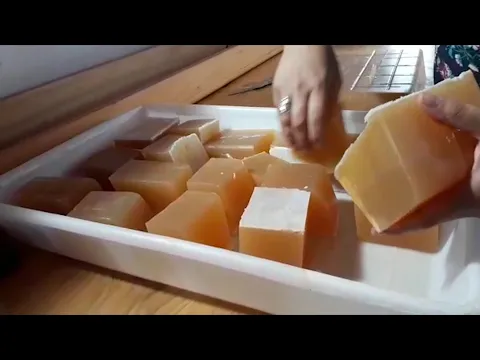

The formulation used follows a simple and standardized base, which combines liquids and grease in well-defined volumes. The reported proportion is as follows:
4 liters of alcohol, like the one sold at gas stations
4 liters of water
1 kilogram of sodium hydroxide flakes (like the BEL soda mentioned in the recipe)
6 liters of grease, which can be tallow, lard, or used cooking oil from frying
The key point is to work with already used grease, making use of leftovers from frying, soy oil, and other residues that would normally be discarded, as long as they are previously strained to remove solid impurities.
This liquid base is the source of raw material that, in contact with the sodium, produces the soap.
Step by Step to Transform Used Oil into Powerful Soap
The preparation process follows a technical sequence that reduces risks and improves the final result:
In a bucket or resistant plastic container, place the sodium hydroxide and gradually add the 4 liters of water, always stirring with a broom handle or other wooden utensil.
Mix until the sodium is completely dissolved in the water. This solution heats on its own, even without fire, due to the ongoing chemical reaction.
In another container, combine the 6 liters of used, already strained grease with the 4 liters of alcohol, mixing well to obtain a uniform mixture.
With the sodium solution already dissolved, slowly add it to the bucket with grease and alcohol, keeping the mixture in constant motion.
Stir the mass for about 10 to 15 minutes without interruption until you notice a change in texture and color, which goes from thicker to a more homogeneous liquid, resembling a guarana soda.
When a thin layer of foam forms on the surface, the point is considered reached, and the mass can be poured into a basin or large mold.
After pouring into the mold, the material should rest in a safe and ventilated place.
The practical recommendation is to wait approximately 12 hours for the soap to harden enough to be cut into bars, which will then follow the natural drying and curing process.
Safety Precautions During Preparation
Although the recipe is homemade, the use of sodium hydroxide requires strict attention.
The substance reacts with water releasing heat and vapors that can cause irritation.
Therefore, preparation should occur in an open or well-ventilated environment, without the presence of children or pets nearby.
It is advisable to protect hands and eyes during handling of the sodium and avoid any direct contact of the solution with the skin.
The choice of plastic containers and wooden handles is not casual, but a safety measure to avoid unwanted reactions with metal and glass, which can be damaged or overheat.
The storage of sodium should always be done in a sealed container, out of reach of unsuspecting third parties.
During preparation, the guidance is to keep the cell phone away and avoid distractions, as it is a continuous mixing step that demands attention until the mass reaches the correct point.
Domestic Economy and Environmental Impact of the Recipe
In the explanation gathered in the field, the rural agent emphasizes that the use of repurposed oil in the form of soap reduces the amount of grease sent to the sink, to the farm, and ultimately to rivers.
By concentrating the waste into a solid product, the recipe decreases the pollutant load and transforms the problem into a cleaning solution, with a direct effect on the surroundings of the property and the city.
Financially, the soap obtained replaces part of the hygiene and cleaning products that would be purchased in stores.
This applies both to domestic use and for small rural activities, such as washing utensils, floors of damp areas, and equipment used in food preparation.
The logic is simple: what was previously a double cost, with wasted oil and the purchase of detergents, now becomes a single cycle of reuse.
Each recipe for powerful soap represents less waste circulating in the system and more autonomy for families who want to reduce expenses without compromising cleaning efficiency.
A Technical, Ecological, and Low-Cost Choice
The combination of used cooking oil, water, alcohol, and sodium forms a complete circuit between consumption, disposal, and reuse.
From an environmental perspective, the practice reduces pressure on urban and rural water bodies.
From an economic viewpoint, it lowers monthly expenses on hygiene and cleaning materials.
By following the proportions and care described, the result is a powerful soap based on simple principles of chemistry and reuse, aligned with a more responsible view of what happens to waste after it leaves the kitchen.
And you, in light of this scenario of environmental impact and real savings, do you intend to transform the leftover oil in your home into powerful soap or do you still have any doubts about the process you would like to have clarified?








-

-

-

-

-

24 pessoas reagiram a isso.