





 Portuguese
  English
  Spanish
  4 min of reading
  0 comments


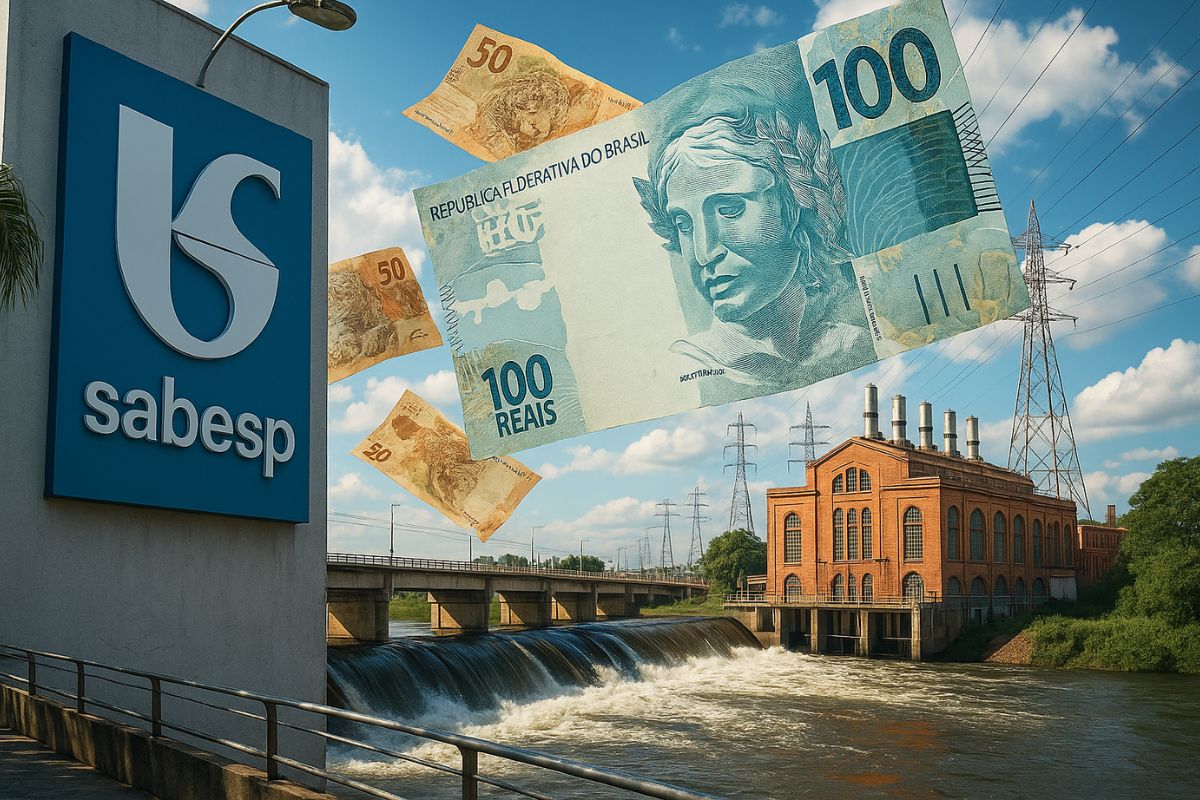
R$ 1.13 Billion Deal Expands Sabesp’s Reach in the Electric Sector and Strengthens Water Security in Greater São Paulo by Integrating Supply and Energy Generation Systems from Billings and Guarapiranga Reservoirs.
Sabesp Acquires Control of Emae and starts to manage a strategic part of the water and energy system in São Paulo. The deal, closed for R$ 1.13 billion, involves 70.1% of the total capital of the Metropolitan Company of Water and Energy (Emae), marking an unprecedented move to integrate sanitation and electric generation in the state of São Paulo.
According to the Portal da Folha de S. Paulo, the deal was structured in two phases: Sabesp acquired 74.9% of the common shares of Emae that belonged to the Phoenix Water and Energy Fund for R$ 59.33 per share, and 66.8% of the preferred shares held by Eletrobras at R$ 32.07 per share. The transactions still depend on approval from regulatory bodies and competition defense.
Strategic Operation and Its Impact on Water Security
With the acquisition, Sabesp takes control of the plants that use the waters of the Pinheiros River and the Billings Reservoir to generate energy, strengthening its position in the integrated management of water resources in the Metropolitan Region.
-
Larger than entire cities in Brazil: BYD is building a 4.6 km² complex in Bahia with a capacity for 600,000 vehicles per year, but the discovery of 163 workers in conditions analogous to slavery has shaken the entire project.

-
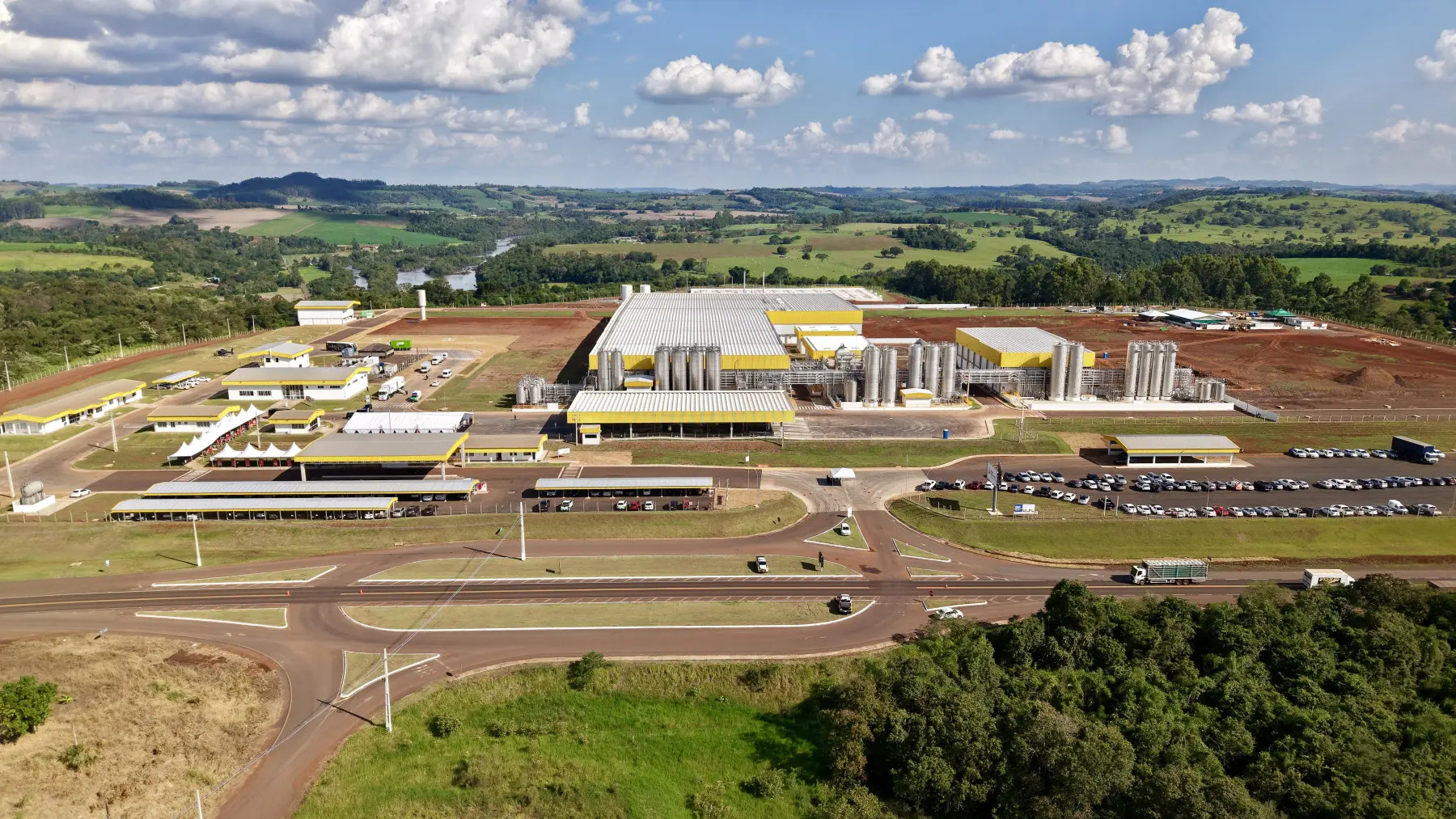
With an investment of R$ 612 million, a capacity to process 1.2 million liters of milk per day, Piracanjuba inaugurates a mega cheese factory that increases national production, reduces dependence on imports, and repositions Brazil on the global dairy map.
-
Brazilian city gains industrial hub for 85 companies that is equivalent to 55 football fields.

-
Peugeot and Citroën factory in Argentina cuts production by half and opens a layoff program for more than 2,000 employees after Brazil drastically reduced purchases of Argentine vehicles.


The company claims that the operation improves resilience against the effects of climate change, in addition to increasing water security and generating additional revenue from long-term contracts in the electric sector.
According to the company’s statement, the integration will allow for joint management of the Billings and Guarapiranga systems, reducing scarcity risks and increasing operational efficiency between water treatment and energy generation.
The strategy also creates financial synergies, as Emae’s contracts are indexed to inflation and offer revenue predictability.
How the Deal Was Consolidated
The Phoenix Fund, managed by the firm Trustee DTVM and linked to entrepreneur Nelson Tanure, had acquired Emae in April 2024 in a public auction that generated R$ 1.04 billion and surpassed offers from the French EDF and Matrix Energia.
With the new acquisition, Sabesp inherits Emae’s established structure and consolidates its advance in the clean energy sector.
The Emae, founded in 1998, was the last energy company under the control of the São Paulo government, remaining from the former Eletropaulo.
After 26 years of state operation, it underwent privatization and is now under Sabesp’s control, which seeks to expand its scope in essential infrastructure.
The Role of Emae’s Power Plants
Emae operates four power generation plants in the state of São Paulo, totaling 960.8 megawatts (MW) of installed capacity.
The main one is the Henry Borden Complex in Cubatão, with 889 MW, where the force of the waters of the Pinheiros River is converted into electric energy.
To feed the turbines, the natural course of the Tietê River is reversed: the waters are pumped to the Billings Reservoir, continue to Rio das Pedras, and plunge through tunnels excavated in the Serra do Mar until they reach the generators of the complex.
This system takes advantage of the altitude difference to generate energy continuously and renewably.
In addition to the plants, Emae manages the reservoirs of Billings, Guarapiranga, and Pirapora, as well as dams, levees, and ferries that make up the flood control and river transport system of the Pinheiros River, sections now integrated into Sabesp’s management.
Environmental and Economic Gains
The agreement is viewed as a step forward for integration between sanitation and energy, two sectors that have historically operated separately.
Sabesp now has direct access to electric generation from water resources, reducing operational costs and creating a strategy for energy self-sufficiency.
The company also highlights environmental gains, as the joint operation of the reservoirs favors the control of water quality and the rational use of natural resources.
According to experts, this integration could become a model for other metropolitan regions, especially in a scenario of increasing water scarcity.
The Economic Profile of Emae
Founded in 1998, Emae has 376 employees and recorded net income of R$ 150.5 million in 2023, with net revenue of R$ 603.3 million.
The numbers reinforce the significance of the operation for Sabesp, which begins to manage an asset with high profitability potential and positive environmental impact.
With the acquisition, Sabesp also reinforces its leadership position in water and energy infrastructure in the country, consolidating control over strategic assets in São Paulo and approaching a management model that combines sustainability, efficiency, and economic return.
The purchase of Emae represents a milestone in Sabesp’s history, expanding its operations beyond sanitation and directly entering the renewable energy sector.
The deal of R$ 1.13 billion repositioned the company as an integrated agent of sustainability and infrastructure, simultaneously acting in water, sewage, and electric generation.
Do you think Sabesp’s entry into the energy sector is a strategic move or a deviation from the company’s main focus? Leave your opinion in the comments; we want to hear from those closely following the impact of this type of operation on the future of public services.







-

Uma pessoa reagiu a isso.