





 Portuguese
  English
  Spanish
  3 min of reading
  12 comments


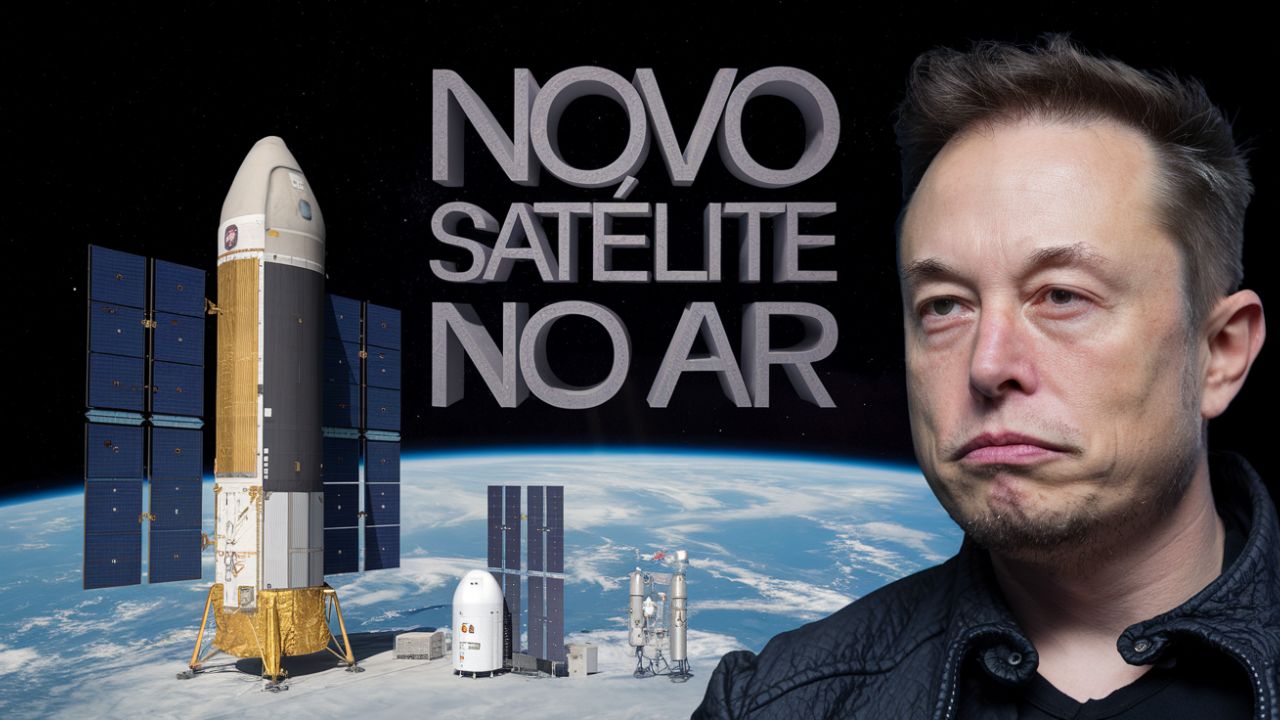


With Geostationary Satellites and Direct Integration in Smartphones, China Bets on Tiantong to Revolutionize Calls and Messages in Remote Areas, Overcoming the Challenges Faced by Starlink.
Starlink is already a well-known name when it comes to satellite internet. In January 2024, Elon Musk’s company took an important step by sending the first text message via satellite directly from a regular mobile phone. Using low-orbit satellites, they are revolutionizing connectivity in isolated areas.
China decided to take it a step further. With the Tiantong system, they not only replicated Starlink’s technology but adapted it for voice calls and SMS directly from a smartphone. With integrated antennas and adjusted protocols, Tiantong transforms any mobile phone into a global communication tool.
Tiantong: A Solution for Emergencies and Remote Areas
Tiantong satellites operate in geostationary orbit, about 36,000 km from Earth, covering large areas with just one satellite. This is ideal for remote, maritime, and even military use. They use L band, which is resistant to weather interference, making it suitable for light voice and data communications.
-
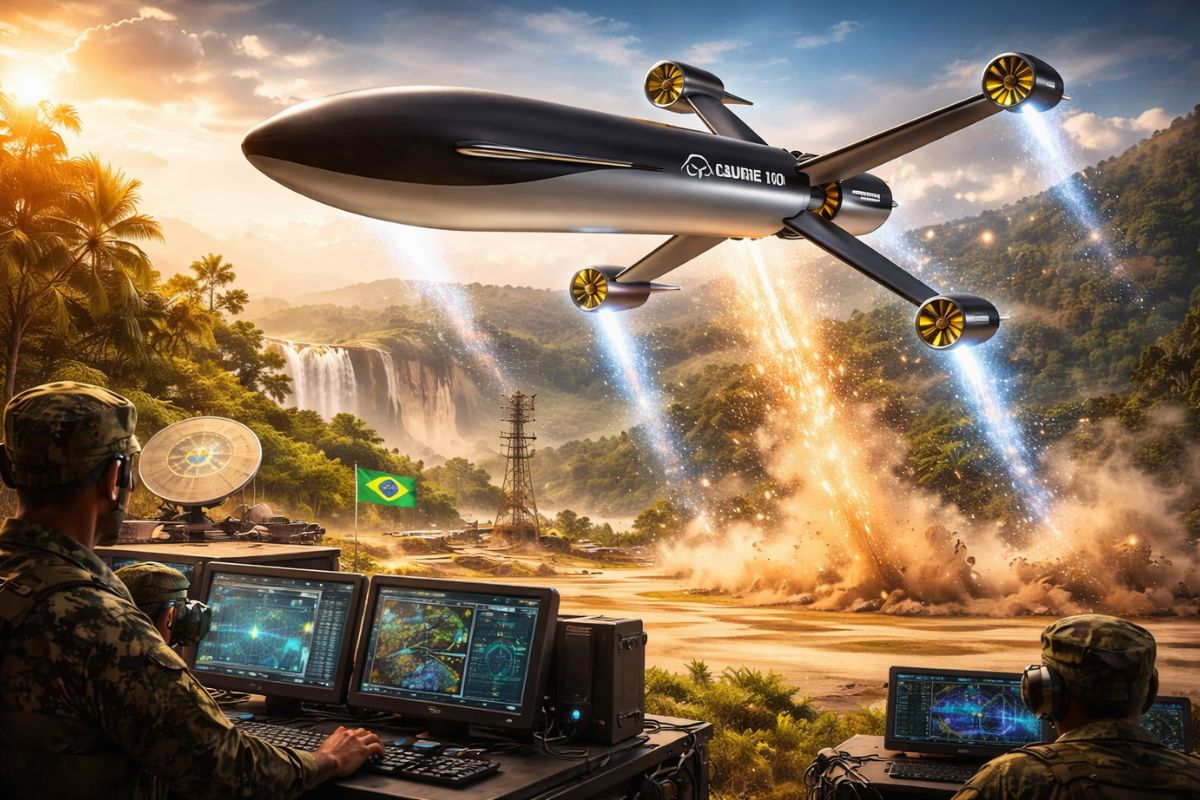
Brazil has quietly developed an electric tactical drone that takes off and lands vertically without needing a runway, flies at 140 km/h in a fully autonomous manner, and can operate in forests, conflict zones, and remote areas.
-
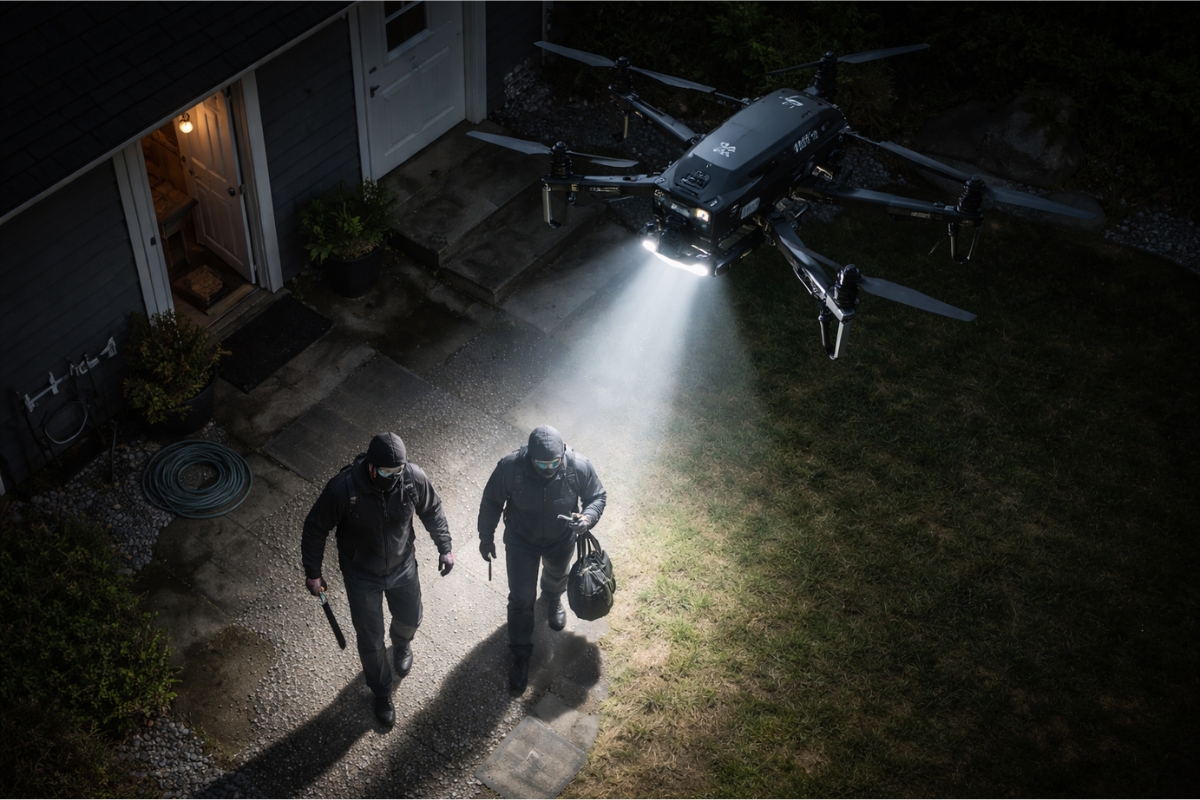
Novo drone Guardian debuts in the United States with an 8-mile range, robotic battery swapping, and Starlink connectivity for continuous response.
-
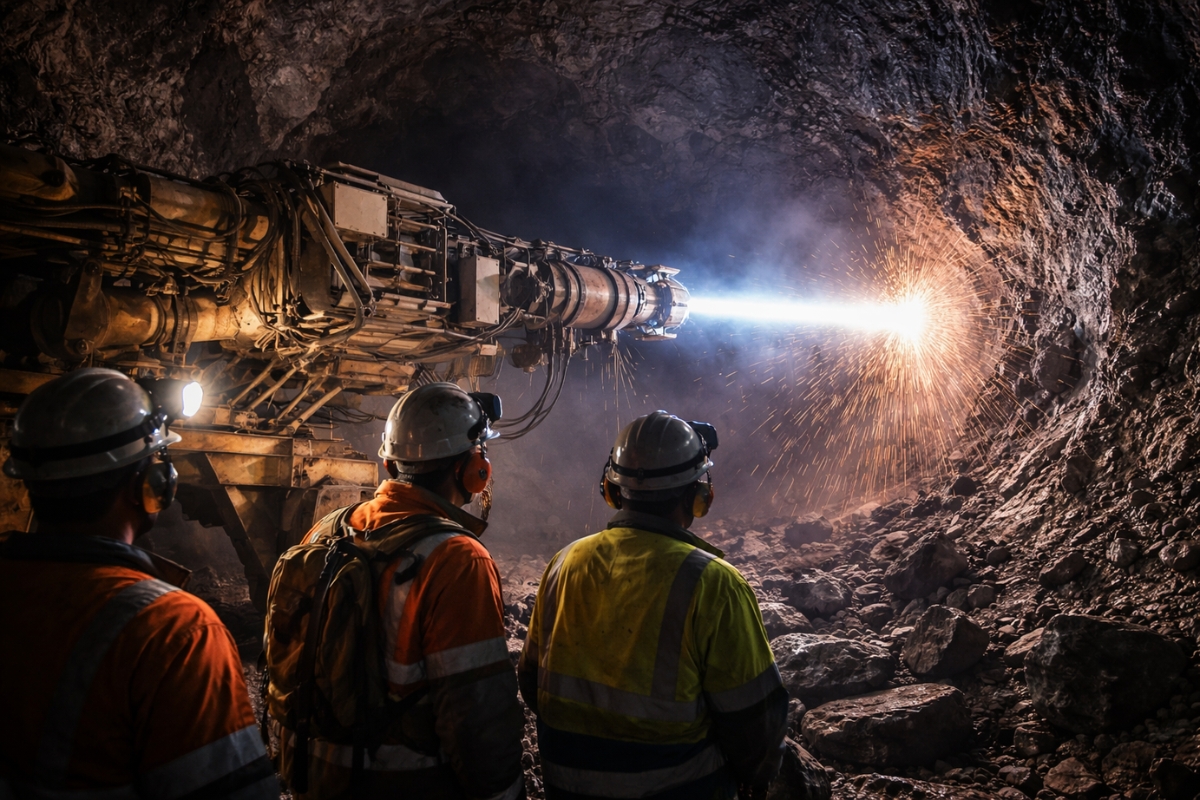
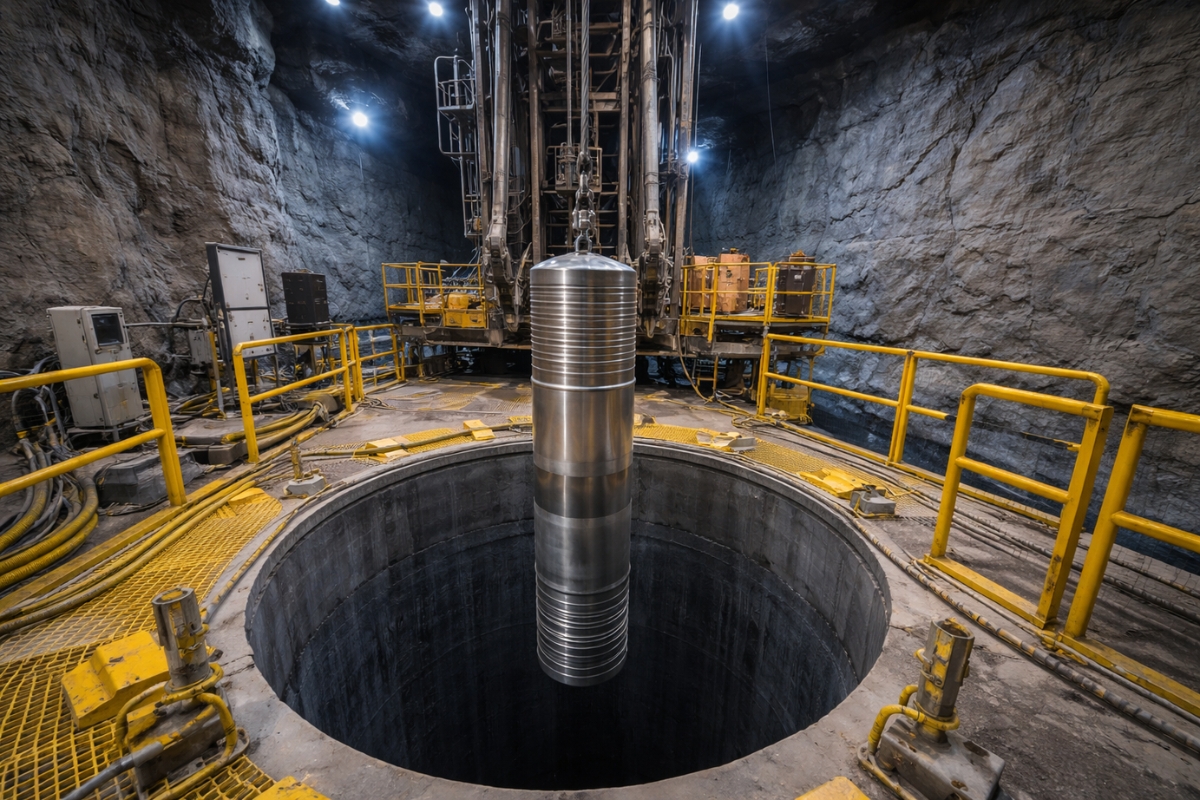
100 kW megalasers are already pointing to a new industrial phase, with enough power to cut thick steel, drill through rocks, accelerate mining, and increase productivity in operations previously considered too difficult.
-
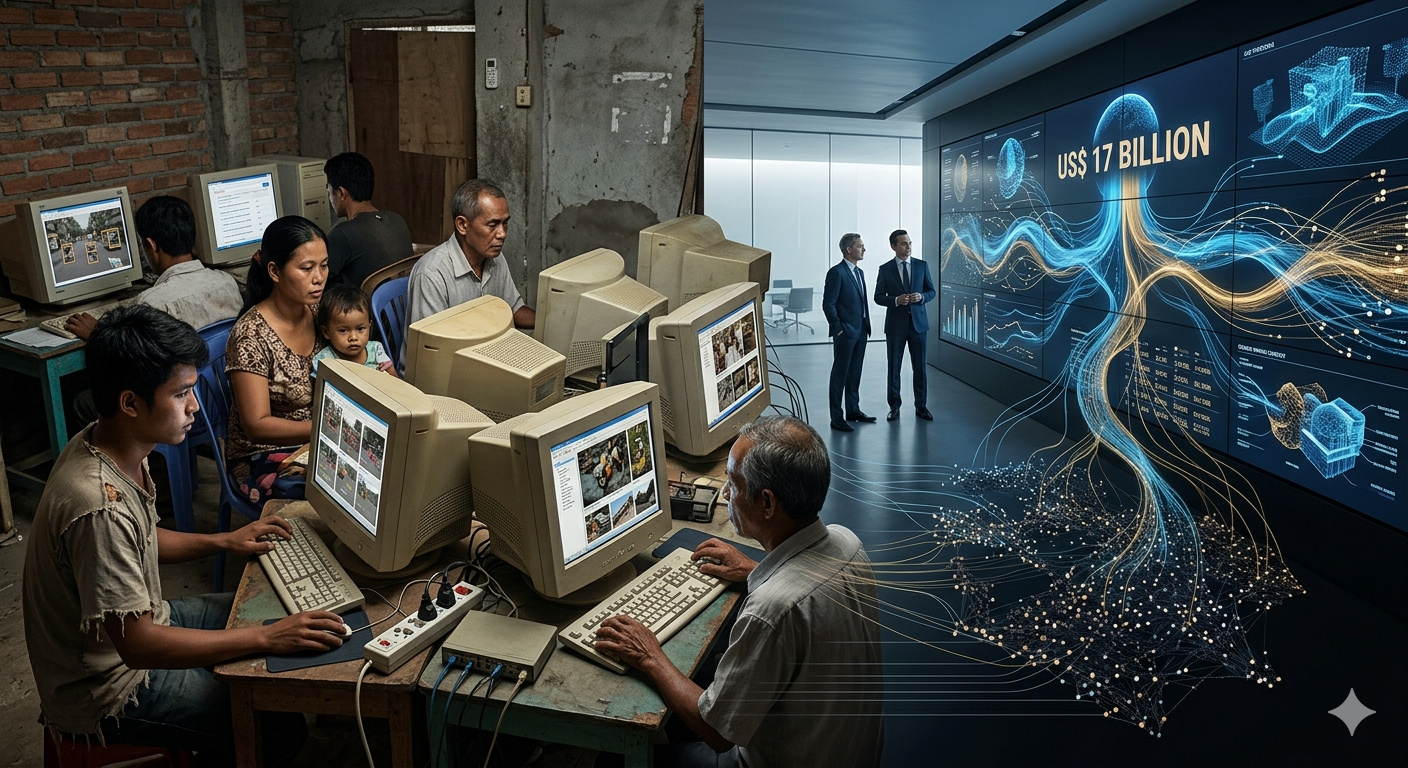
Thousands of people in poor countries are paid cents to film household tasks, label images, and operate systems remotely all day long, and this invisible work fuels a $17 billion market that trains the artificial intelligences of Google, Tesla, and Meta.

The idea for Tiantong originated after the Sichuan earthquake in 2008, which devastated the communication infrastructure in the region. Since then, China has invested heavily in creating a reliable system for emergencies. Today, Tiantong already has three satellites in operation and a fourth planned for launch.
Comparing Starlink and Tiantong
While Starlink uses thousands of low-orbit satellites (320 to 2,000 km), Tiantong relies on fewer geostationary satellites. This means Tiantong covers large regions with fewer satellites, but faces greater technical challenges due to the distance.
Tiantong satellites prioritize reliability with L band, ideal for adverse conditions. On the other hand, Starlink uses Ku and Ka bands, geared towards high speed but more susceptible to weather conditions. Each system caters to different audiences and needs.
The Challenges and Advancements of Satellite Technology
One of the biggest challenges for Tiantong is the distance: 36,000 km, one-tenth of the way to the Moon. To overcome this, researchers opted for additional internal antennas and adjusted the data rate, creating a balance between power and quality.
With a rate of 800 bps, Tiantong prioritizes stability over speed. For comparison, modern 5G can reach up to 10 Gbps. Still, for emergencies or basic communication, this rate is more than sufficient.
The Future of Direct Satellite Connectivity
Whether in remote trails, maritime adventures, or disaster situations, satellite connectivity promises to save lives and ease daily life. Imagine being in the middle of nowhere and still being able to make a call or send a message.
With competition between Starlink and Tiantong, the future looks promising. New advancements should make connections even faster and more accessible, integrating terrestrial networks and satellites for a smoother experience.
Tiantong has arrived to carve out its space in the satellite connectivity market, offering a robust solution for emergencies and remote locations. While Starlink shines with its high speed, Tiantong proves that reliability is key in extreme scenarios. In the end, we, the users, are the true winners, as we now have more options to stay connected even in the most isolated corners of the planet.







Senhor ELON MUSK sorria SÓ OS FRACOS
DESISTEM LEVANTA SACODE A POEIRA DA VOLTA POR CIMA AVANTE VALENTE GUERREIRO 🌐🌐🇧🇷🇧🇷
Forças Sr ELON MUSK O BRASIL TI AMA
Levanta sacode a poeiras e da volta por cima garoto você e especial Deus te abençoe 🌐🌐🌐🇧🇷??
Essa reportagem foi comprada pelo governo? Serão décadas para a China lançar uma rede de satélites iguais a Starlink, e nessa década o tio Elow já vai ter lançado mais e melhorado muito.
A questão é só que ele saiu na frente.
Muito na frente.