





 Portuguese
  English
  Spanish
  5 min of reading
  0 comments


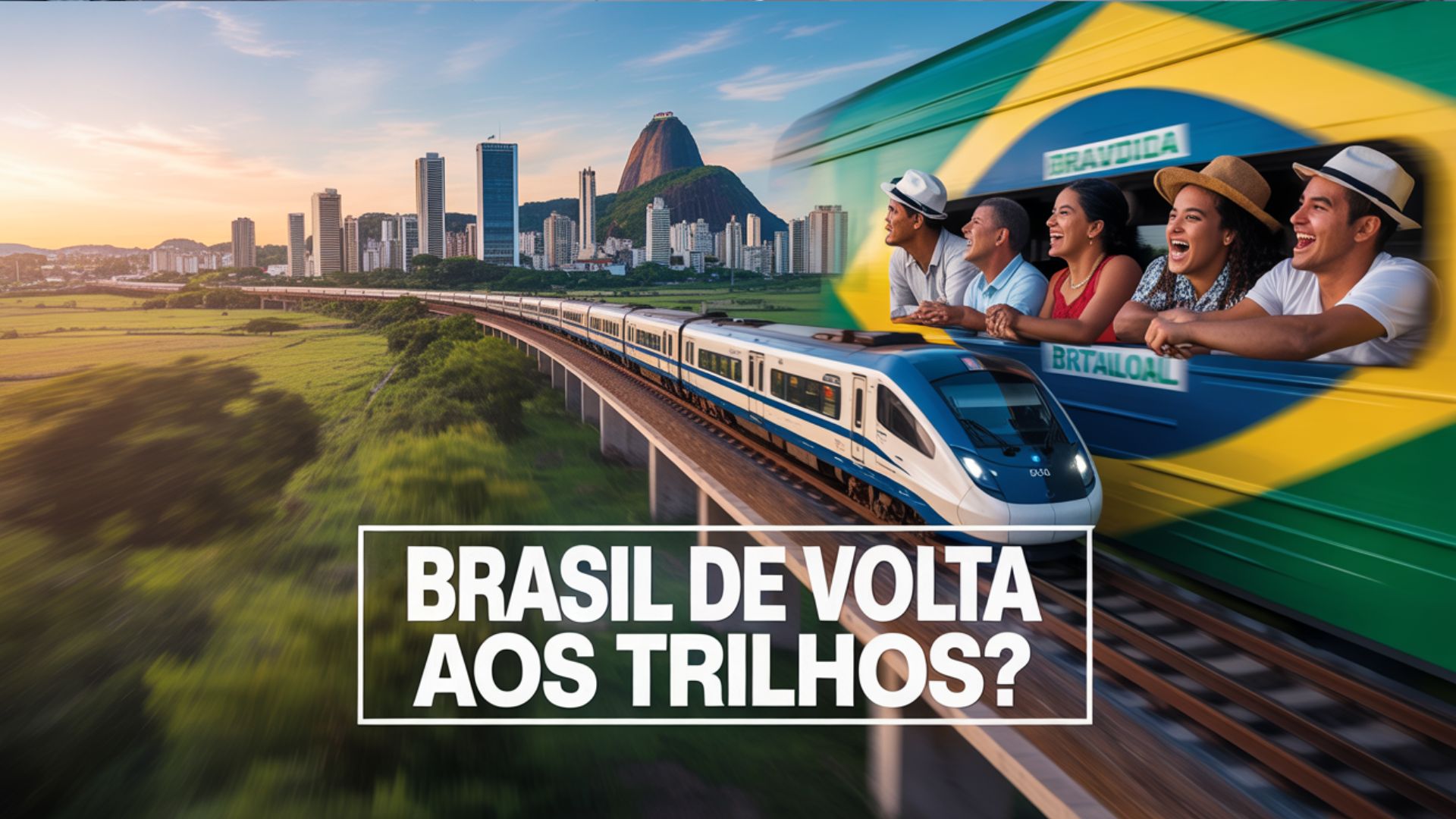
Government Study May Enable Six New Passenger Train Lines Connecting Metropolitan Areas to Interior Cities in Different Brazilian States. Project Focuses on Existing Railway Network and Aims to Transform National Transport.
Brazil may experience a transformation in passenger transport with the potential creation of six new train lines that promise to connect capitals and interior cities in three major regions of the country.
The Ministry of Transport announced that the projects are currently in the study phase, conducted by the state-owned company Infra S.A., responsible for planning and evaluating railway infrastructure initiatives.
According to information revealed this Sunday (29) by the portal UOL, the technical and economic feasibility studies will determine whether the new routes will actually materialize.
-
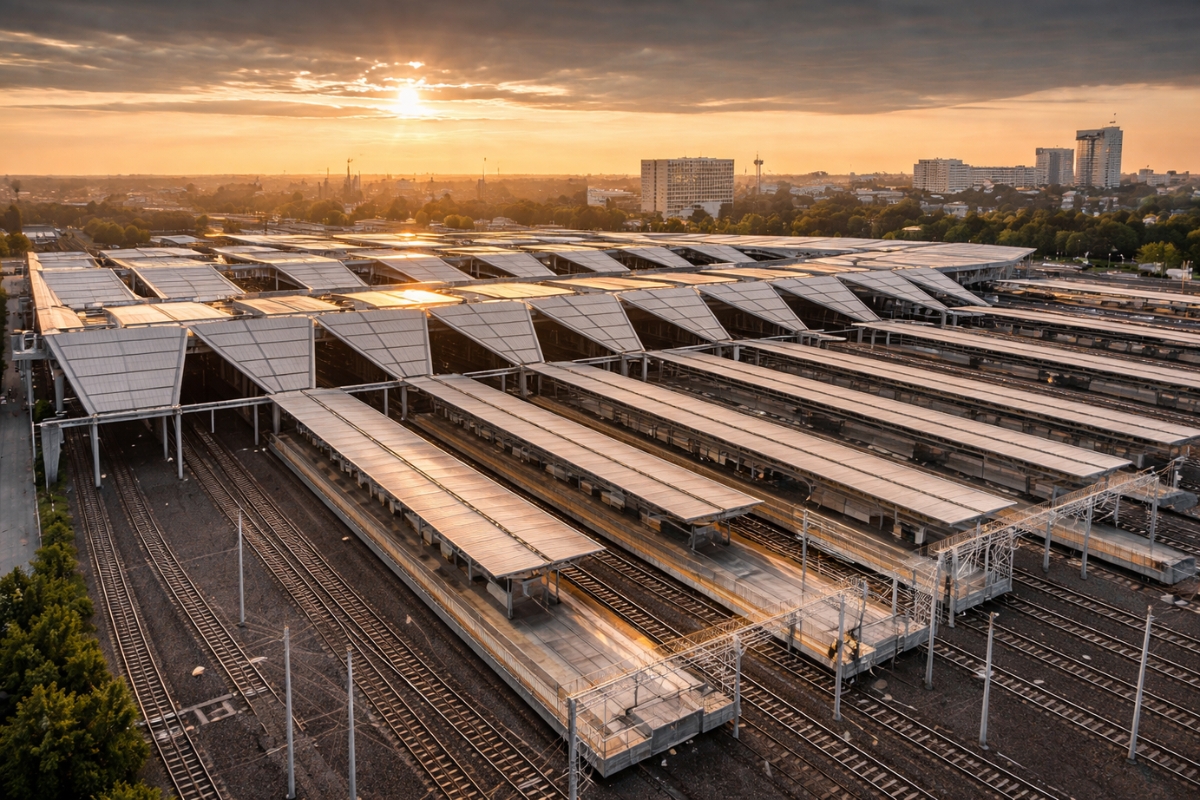
In A European City, The Country’s Largest Railway Junction Was Modernized Without Closing Its Doors, Kept Trains Running During Years Of Construction, Now Serves Up To 60,000 Passengers Per Day, And Installed Solar Panels That Generate About 30% Of Its Energy
-
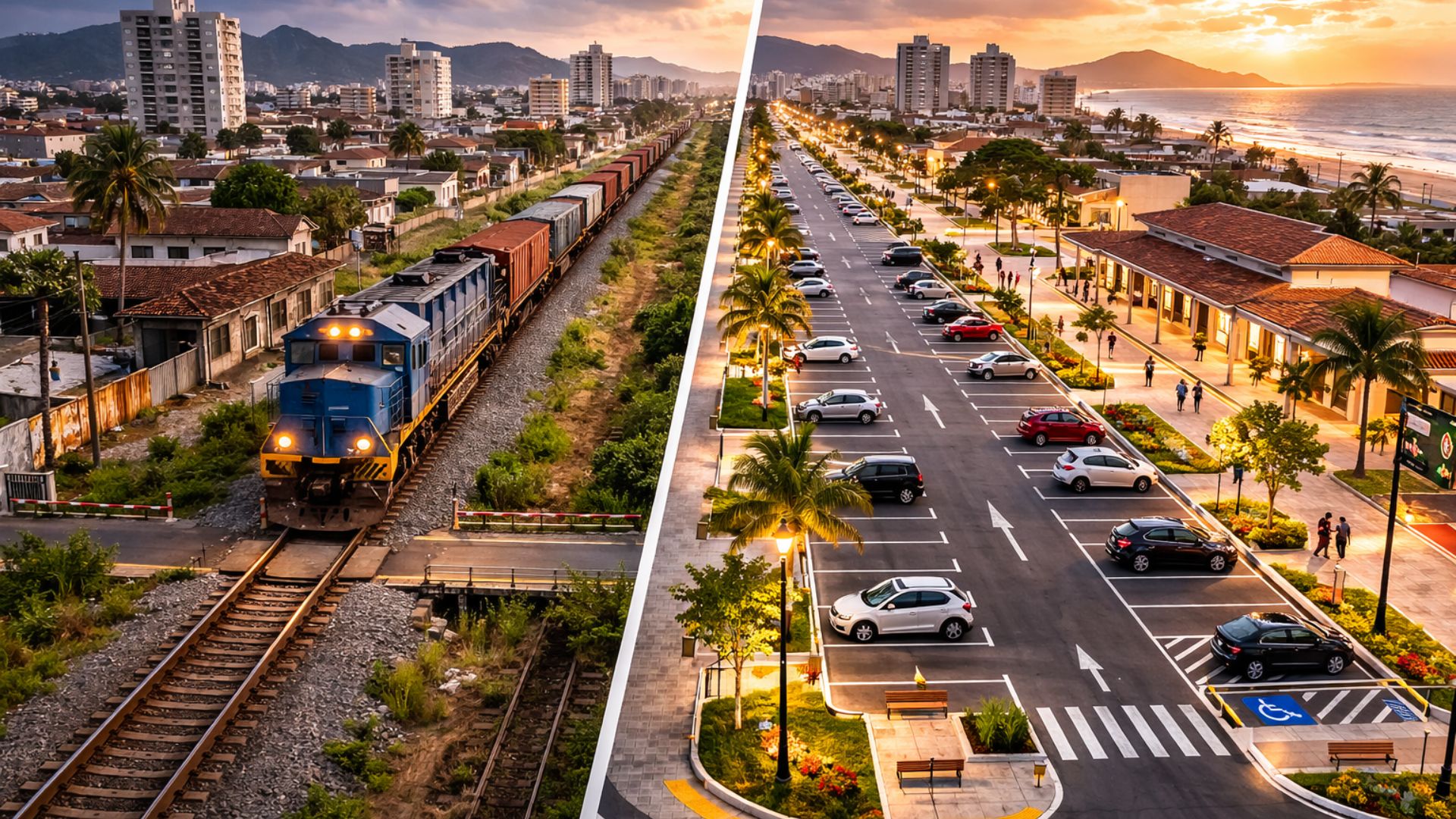
Famous Brazilian Railway May Become a Parking Lot
-
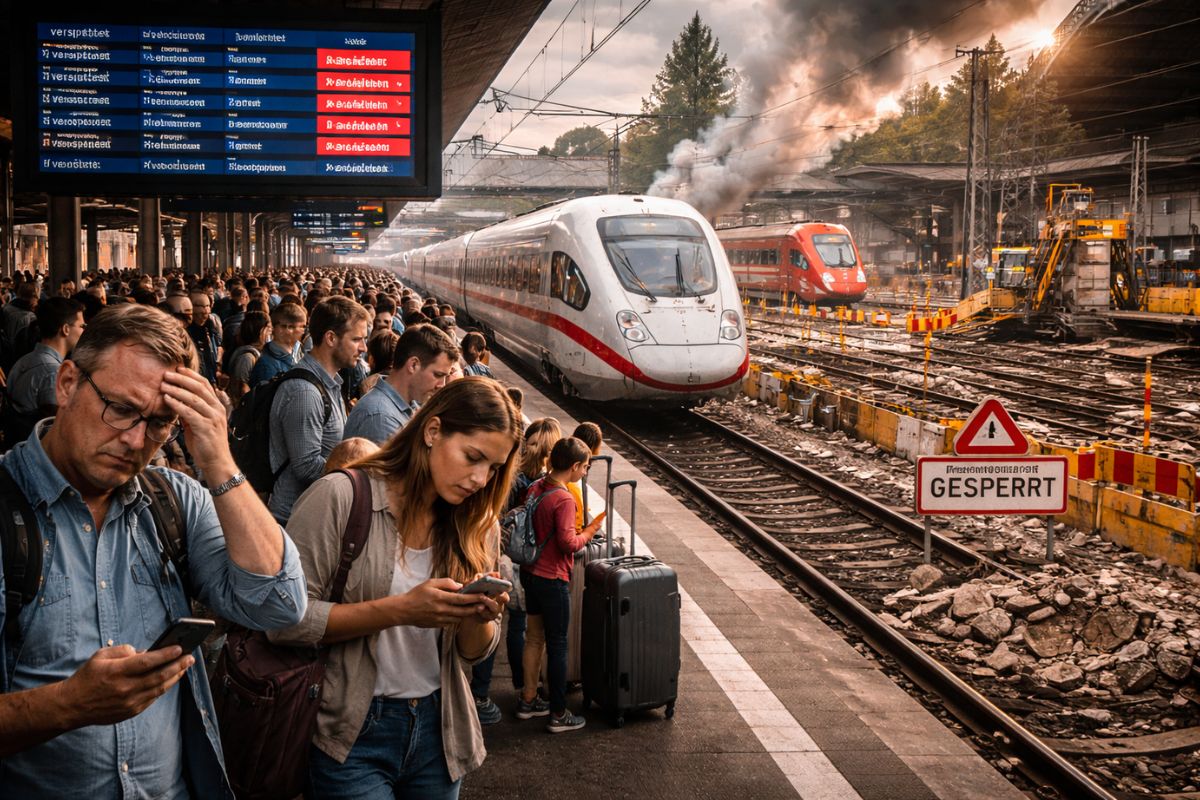
The Country of “Punctual As a Train” Admits It Has Lost Control: High-Speed Trains Delay, Stop, Disappear from the Map and Turn 6-Hour Trips into 10, While Deutsche Bahn Promises Restructuring in 2026 But Faces 19th Century Infrastructure, Staff Shortages and Sections Closed for Months
-
With an Investment of R$ 700 Million in One of the Country’s Main Rail Networks, VLI Reinforces Infrastructure, Receives 8 New Locomotives, and Expands the Corridor Connecting 7 States, Boosting Jobs and the Transportation of Grains, Ore, and Oil Products to the Port of Santos
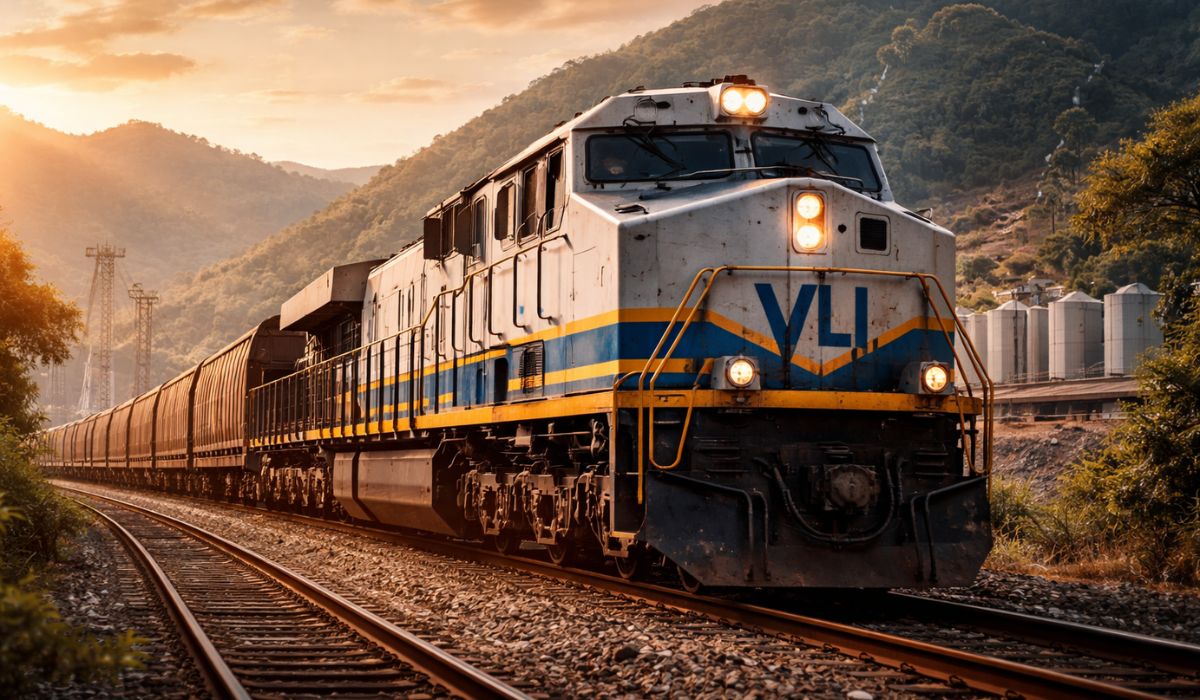

Intercity Trains May Connect Capitals and the Interior
The cities that could benefit from these intercity train projects include strategic routes such as Brasília (Federal District) to Luziânia (Goiás), Londrina to Maringá (Paraná), Pelotas to Rio Grande (Rio Grande do Sul), Feira de Santana to Salvador (Bahia), Fortaleza to Sobral (Ceará), and São Luís to Itapecuru Mirim (Maranhão).
If approved, these railway lines promise to facilitate the mobility of thousands of people, reducing reliance on traditional road transport and contributing to the integration of metropolitan regions with the interior.
Utilization of the Railway Network and Investments
The objective of the Ministry of Transport, according to an official statement, is to utilize the existing railway network in the country, making investment more efficient and sustainable.
However, the exact definition of the sections to be used depends directly on the completion of the ongoing feasibility studies.
“There is still no exact definition regarding which sections of these railways will be used, as this decision will depend on the conclusion of the feasibility studies,” the ministry clarified in response to inquiries.
The state-owned company Infra S.A., which focuses on the development and analysis of transport infrastructure projects, is responsible for hiring, monitoring, and approving all necessary studies for the proposal’s advancement.
Among the points that still require definition are ticket prices, travel time, number of stops, average speed, passenger capacity, and services that will be offered on board the trains.
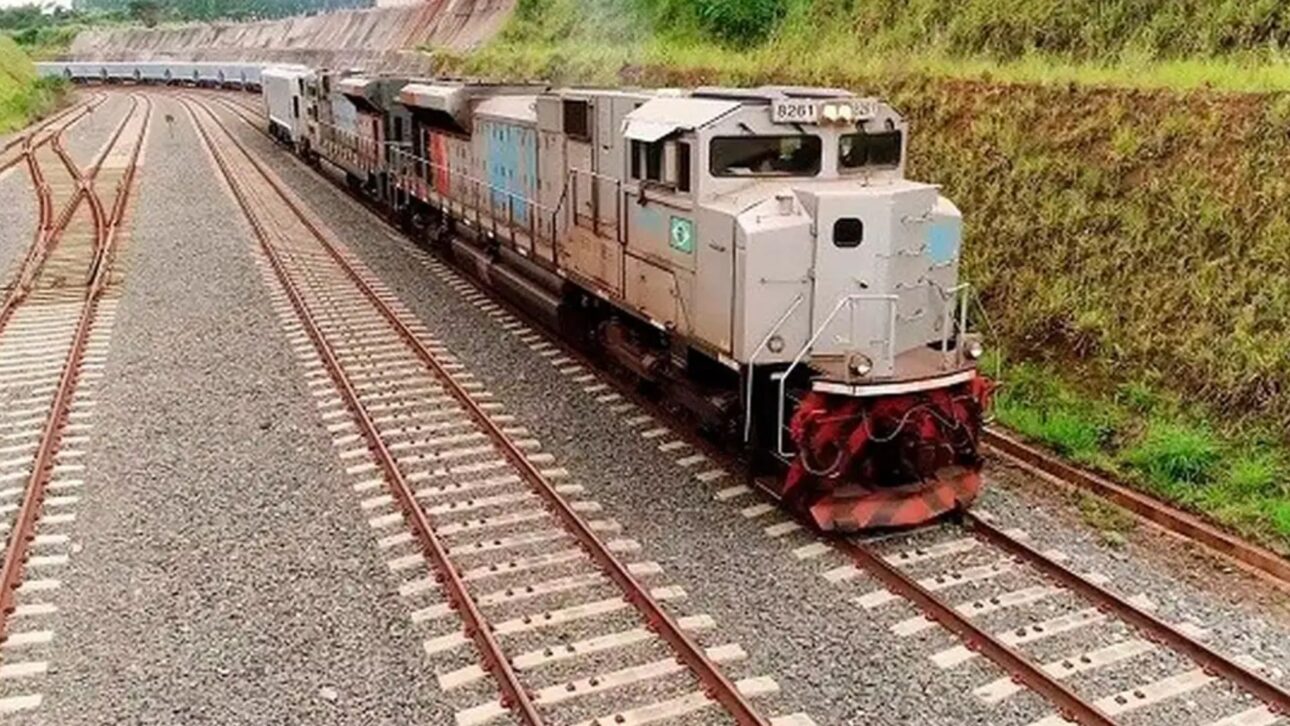
Ticket Prices and Viability for the Population
According to the Ministry of Transport, “one of the essential points of these studies is defining a viable ticket price for the population served.”
In other words, the ticket price should be competitive with road transport to ensure that intercity trains truly become an attractive alternative for transport between the covered regions.
There is still no official estimate for the start of operations, nor detailed information about the management model, which could include public-private partnerships (PPP), but so far, the ministry has not confirmed details regarding this aspect.
Resources from the New PAC and Expansion of Mobility with Trains
The investments planned for the intercity train projects will utilize resources from the New Growth Acceleration Program (New PAC), a federal government initiative aimed at modernizing national infrastructure.
According to the Ministry of Transport, the projects are already included in the New PAC, although specific operational details and timelines have yet to be disclosed.
Current Situation of Passenger Railway Lines
The current scenario of long-distance passenger rail transport in Brazil is limited.
Currently, there are only two regular lines in operation:
- Cariacica, in Espírito Santo, to Belo Horizonte, in Minas Gerais, with an extension of 905 kilometers
- São Luís, in Maranhão, to Parauapebas, in Pará, with 892 kilometers
Both are operated by Vale S.A., a giant in the mining and logistics sector.
These two routes stand out for the affordable ticket prices.
On the Espírito Santo-Minas Gerais route, the ticket in economy class costs R$ 81 for the full journey.
On the Maranhão to Pará route, the price is R$ 90 for the entire length.
The prices are more competitive compared to bus tickets or air travel, especially on long-distance segments.
Challenges and Potential of Intercity Trains
The potential expansion of intercity trains is seen by industry experts as an alternative to diversify the transport matrix and encourage more sustainable and efficient mobility.
In developed countries, passenger train lines represent a significant share of regional and interstate travel, being considered modern, safe, and with a lower environmental impact compared to road transport.
Moreover, the use of the existing railway network can represent a solution to relieve traffic on major Brazilian highways, which often face congestion and accidents.
Rail transport, in turn, has the potential to offer faster, safer, and more comfortable journeys, especially if equipped with onboard services and adequate infrastructure.
However, for intercity trains to become a reality, it will be essential to overcome historical challenges of the Brazilian railway sector, such as the need for investments in modernization, compatibility of existing systems, and encouragement of a rail transport culture, which is less widespread in Brazil compared to European and Asian countries.
The Ministry of Transport itself acknowledges that, despite the potential, the subsequent stages of the project depend on the approval of feasibility studies, which must assess not only technical feasibility but also economic and social aspects of the new lines.
Future of Passenger Rail Transport in Brazil
Ultimately, the implementation of intercity trains may signify the beginning of a new era in Brazilian mobility, connecting capitals and interior cities quickly, efficiently, and sustainably.
It remains to be seen whether the ongoing studies will be able to transform expectations into concrete and viable projects for the population.
Do you believe that the expansion of passenger train lines can truly revolutionize urban and regional mobility in Brazil?








-

Uma pessoa reagiu a isso.