





 Portuguese
  English
  Spanish
  4 min of reading
  84 comments


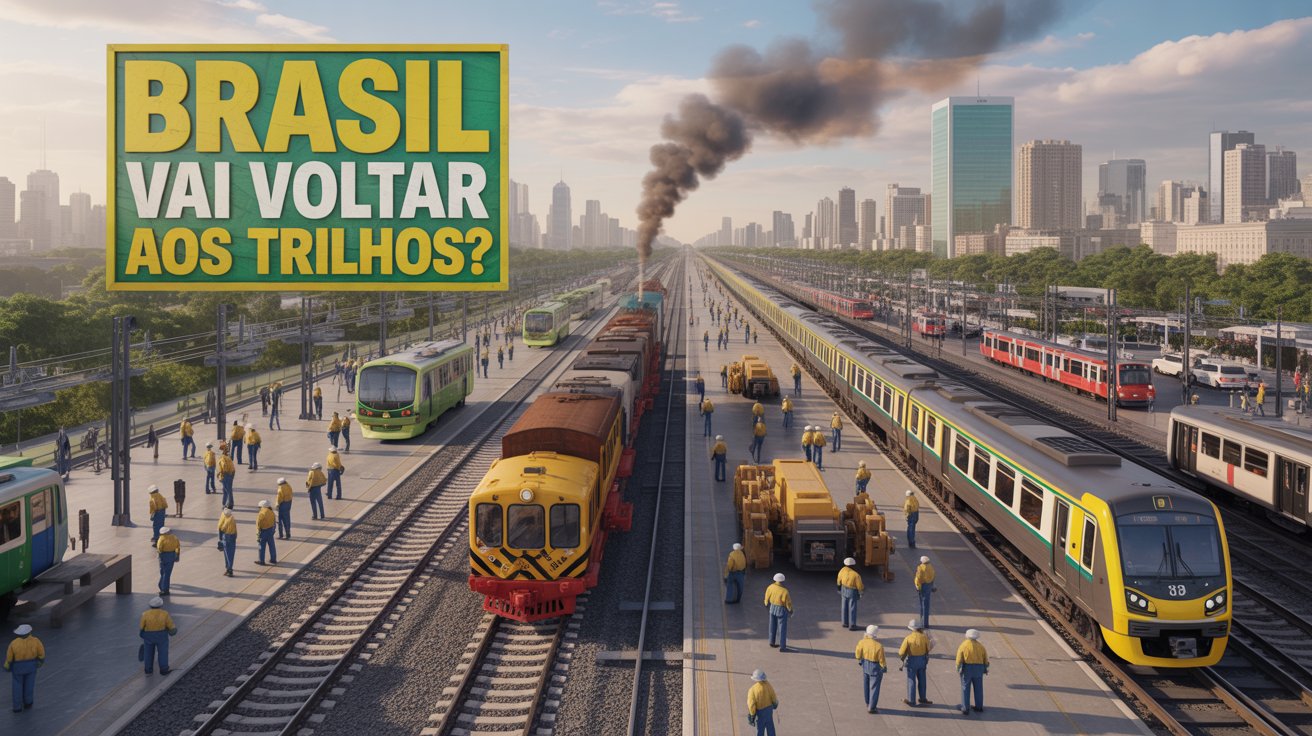


Federal Government Prepares Rail Package with Six New Regional Connections Between Cities, Taking Advantage of Abandoned Tracks and Betting on Integration with Subways and Municipal Buses.
The federal government announced the resumption of regional passenger rail transport with the launch of six new routes that promise to transform mobility between Brazilian cities.
The initiative is part of the New PAC and aims to reactivate abandoned tracks, provide an alternative to road transport, and promote greater integration between metropolitan regions.
Government Foresees New Regional Rail Lines by 2025
According to the Ministry of Transport, responsible for the plan, the projects will be structured through public-private partnerships (PPPs), with presentations expected in October 2025.
-
Church from 1888 becomes a mansion of over 330 m² in Canada after a renovation of R$ 3.4 million and is eventually sold for nearly R$ 4.3 million.

-
How an innovative city combines high technology, well-being, and sustainability to become the largest reference in clean energy on the planet.
-
Couple buys 1846 church in ruins for R$ 660,000, invests R$ 3.2 million in renovations, transforms it into a millionaire mansion, and even preserved a historic cemetery with over 300 graves.

-
“No one will make us change the Pix,” says Lula after the US report.


The goal is to make use of existing tracks to reduce costs and accelerate the implementation of services.
The six new regional train routes include strategic connections in different regions of the country:
- Brasília (DF) – Luziânia (GO)
- Londrina (PR) – Maringá (PR)
- Pelotas (RS) – Rio Grande (RS)
- Salvador (BA) – Feira de Santana (BA)
- Fortaleza (CE) – Sobral (CE)
- São Luís (MA) – Itapecuru Mirim (MA)
Intercity Train Model May Serve as Reference
During the Passenger Rail Transport Workshop held on May 28 in Brasília, the Secretary of National Rail Transport, Leonardo Ribeiro, explained that the model of the Intercity Train between São Paulo and Campinas may inspire the new projects.
According to him, “the idea is to apply models with significant public participation, ensuring viability and attractiveness for investors.”
Existing Railway Network Will Be Reused
The government’s strategy foresees the repurposing of sections of the railway network currently focused on cargo transport, such as the Paulista Network, operated by private concessionaires.
It is estimated that around R$ 600 million may be initially allocated from existing concessions in the cargo sector.
Technical Studies and Bids Are Already Underway
The technical, economic, and social studies are underway and include stages of public consultation, defining routes, and drafting bids.
The expectation is that the projects will be ready for bidding by the end of 2025.
Today, Brazil Has Only Two Passenger Rail Lines
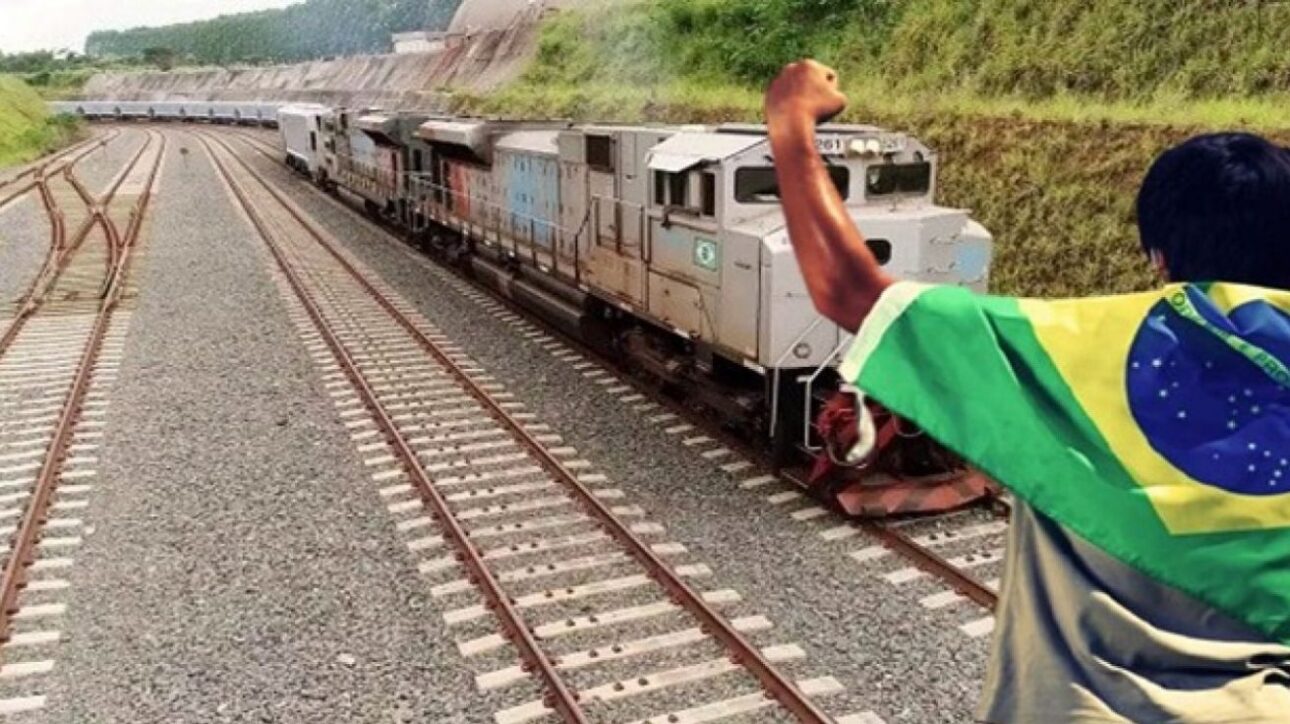
Currently, Brazil has only two regular long-distance lines for passengers: Vitória–Minas and Carajás, both operated by Vale.
These sections are functional, but serve a limited number of users and are far from major urban centers.
New PAC Foresees R$ 94 Billion for the Rail Sector
The New Growth Acceleration Program (PAC) foresees R$ 94 billion in investments for the rail sector by 2026.
The goal is to serve metropolitan areas with high population density, facilitating rapid, accessible, and sustainable travel.
Metropolitan Areas and Inter-Municipal Mobility in Focus
According to the Ministry of Transport, the routes were chosen based on proximity between cities, the daily volume of travel, and the availability of underutilized or abandoned tracks.
“The plan is ambitious, but we have the basic infrastructure in many of these sections,” Ribeiro stated during the event.
Regional Trains as an Alternative to Road Transport
The resumption of regional transport by rail is an alternative to ease the pressure on highways, especially in areas where inter-municipal traffic is intense.
Regional connectivity by train can boost tourism, facilitate access to public services, and stimulate local economic development.

Integration with States, Municipalities, and Other Modalities
The new railway systems should operate in partnership with state and municipal governments, focusing on the integration with urban buses, subways, LRTs, and bus terminals.
The proposal is to create an efficient intermodal mobility system tailored to regional realities.
Project Should Also Generate Jobs and Strengthen the Rail Industry
The implementation of the lines will require rehabilitation of tracks, construction of stations, purchase of rolling stock, and maintenance services, generating direct and indirect jobs.
The expectation is that the national rail industry will also be stimulated by this new demand.
With tracks cutting through the interior of the country again and connecting major centers to neighboring cities, passenger rail transport in Brazil may be on the verge of a new era.
Will the train regain the space it lost to buses in recent decades?





Para um transporte ferroviário, mais rápido é preciso que as linhas férreas sejam duplicadas, para evitar a disputa de ida e volta, entre os trens de carga ou de passageiros, e com sistema de linhas com bitolas largas, para dar mais estabilidade, garantindo trens com maior velocidade, e evitar demora nas viagens. As ferrovias nos túneis, viadutos e as altas e compridas pontes, também, precisam ser duplicados.
O que nós brasileiros precisamos é acabar com essa manobra iludindo o povo com essa de esquerda e direita e nós em todas eleições não reeleger deputados e senadores esses corruptos que atrasam o Brasil pois a anos o Brasil não anda.Se renovar o congresso pode reduzir os impostos e vai ter ainda muito dinheiro para investir no Brasil e hoje investe em países lá fora e ainda perdoando dívidas de ****.
A a maior burrada que a gente faz é achar que os gastos que atrasam o país são o estado ou o poder público, enquanto os bancos privados e a taxa SELIC nos roubam todos os anos quase um trilhão de reais. Não meta o **** nos impostos. Meta o **** nos juros do Banco Central. Diferença da inflação para a meta: 0,33%. E esses sujeitos sobem a taxa para 15% ao ano!
Esse governo do PT é o maior atraso para o Brasil já tem 20 anos desde Lula entrou pela primeira vez vem com essas promessas de reativar as linhas de ferro e só nas mentiras e nada sai do papel. Quantos empregos não são gerados. Linha de belo horizonte a ouro preto já só promessas. Já roubaram até as linhas.
O PT promete e faz. Já o Inelegível passou o governo inteiro e não fez absolutamente nada. Exemplo: túnel submarino ligando Santos ao Guarujá, prometido há mais de cem anos pela direita, vai sair agora, no PAC, do PT.
Enquanto isso os bancos tomam do governo 400 bilhões de reais por ano só em juros da taxa SELIC e vc não chia nem pia. 275 mil empregos de carteira assinada pelo Caged foram criados apenas em abril deste ano. Agora, me diz aí, Bidu, qtos kms de ferrovia foram criados no desgoverno o ****.