





 Portuguese
  English
  Spanish
  5 min of reading
  6 comments


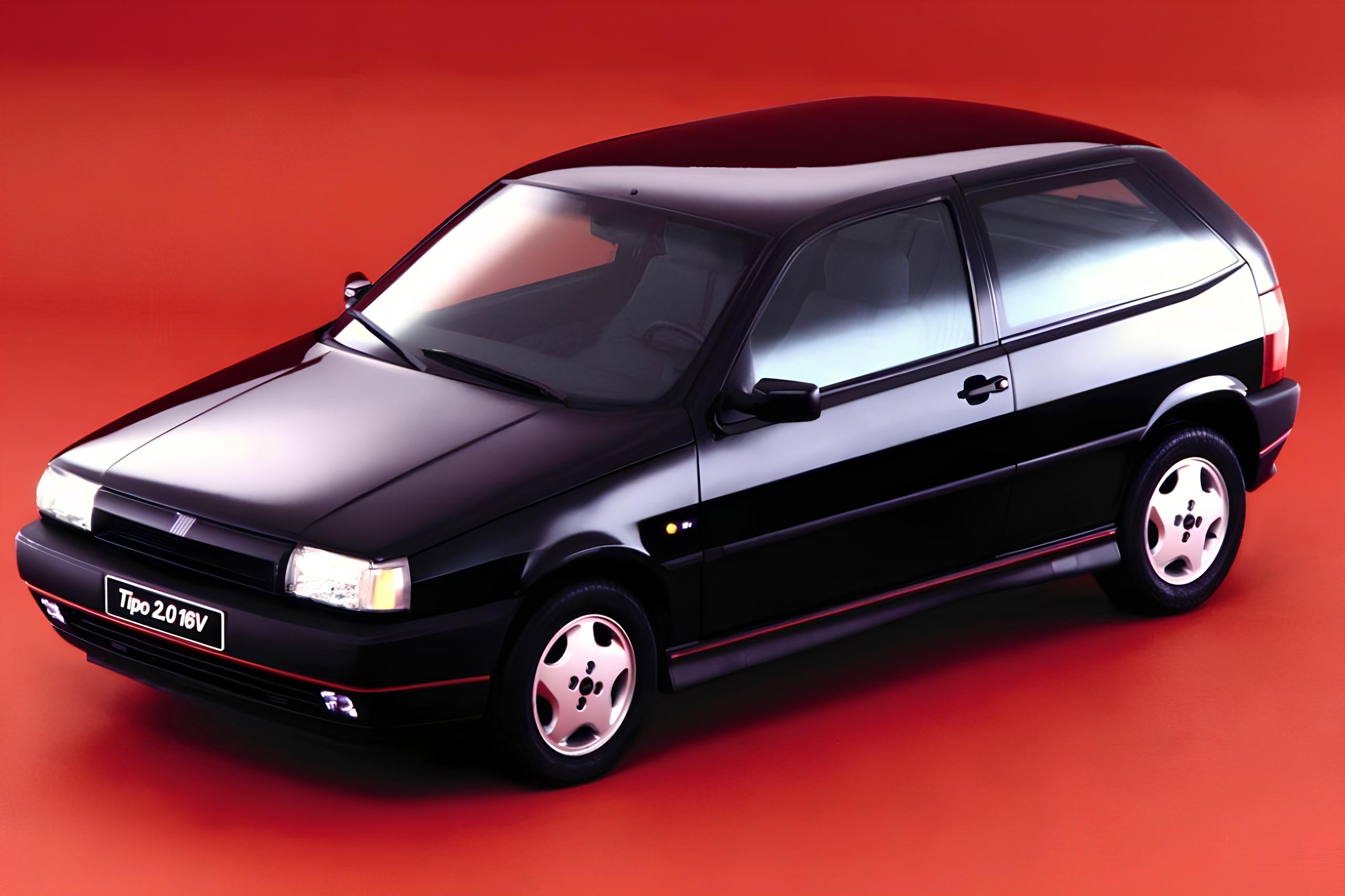


Icon Of The 90s, The Fiat Tipo 2.0 16V Sedicivalvole Marked The Era As A Bold Italian Hatch With An Advanced Engine And Performance That Rivaled The Legendary Golf GTI. Remember Why This 2.0 Italian Hatch Still Elicits Respect And Desire Among Collectors
The Fiat Tipo 2.0 16V Sedicivalvole was a hallmark among sporty hatches of the 90s. Imported from Italy, it arrived in Brazil with a multi-valve engine, European design, and performance worthy of more expensive sports cars. Its surprising performance put it on a collision course with the iconic Golf GTI, challenging German dominance in the segment with a bold and technological design.
Even decades after being discontinued, the Sedicivalvole is remembered as the 2.0 Italian hatch that challenged the standards of its time, especially in the national market. In this article, you will learn about the details that made this model a coveted classic and understand why it still generates so much interest among collectors and enthusiasts.
The Arrival Of The Fiat Tipo In Brazil And The Birth Of The Sedicivalvole


The Fiat Tipo was originally launched in Europe in 1988, winning various design and innovation awards, including the Car of the Year award in Europe in 1989. In Brazil, it arrived in 1993, initially with a 1.6 engine and simple finishing. But it was in 1994 that Fiat decided to import its more powerful version: the Fiat Tipo 2.0 16V Sedicivalvole, which quickly became an object of desire among performance fans.
-
The 2026 electric Vitara arrives in Brazil and proves that Suzuki is not leaving: 4×4 traction, 184 hp, 61 kWh LFP battery, 293 km range, R$ 259,000, and a trunk capacity of 224 L.
-
Hyundai has unveiled the Boulder, a square SUV with a body-on-frame design, 37-inch mud tires, and carriage-style doors that seems to be made to take on the Ford Bronco and the Scout Traveller in the United States.

-
The Toyota Hilux is R$ 75.5 thousand cheaper and bets on the 2.8 turbodiesel engine with up to 204 hp and 50.9 kgfm to catch up with the VW Saveiro, which leads with 4,472 sales.
-
The new Renault Koleos has a screen exclusively for the passenger that is invisible to the driver, heated rear seats, and 29 assistance systems, but its Chinese competitors cost R$ 40,000 less and deliver more power.

This sporty version featured a 137-horsepower engine at 6,250 rpm, 18.4 kgfm of torque, and performance that left rivals behind. With 0 to 100 km/h in just 8.4 seconds and a top speed of 206 km/h, the model even troubled the then well-established Golf GTI — a reference among high-performance compact cars.
Italian Hatch With Modern Design And Above-Average Content
In addition to the engine, the Italian hatch caught attention for its sober and functional look. With straight lines, rectangular headlights, and a large glass area, the Tipo showcased a typically European style, contrasting with national models of the time. The interior was spacious, had good finishing, and offered a comfortable driving position.
The Sedicivalvole version came even better equipped. Among the standard items were:
- Disc brakes on all four wheels
- Headlights with electric adjustment
- 14-inch alloy wheels
- Seats with greater lateral support
- Onboard computer
- Power steering and height adjustment for the steering wheel
In terms of equipment, it offered more than many mid-size sedans, reinforcing its premium proposal within the sporty hatch segment.
Performance On Par With The Golf GTI
The standout feature of the Fiat Tipo 2.0 16V Sedicivalvole was under the hood. The 2.0 four-cylinder engine, with a 16-valve head, delivered power progressively, but with breath for high revs — something rare in the 90s in Brazil. The five-speed manual transmission complemented the setup well, offering quick shifts and well-structured gear ratios.
In practice, the Fiat hatch provided a sporty and stable driving experience. The independent suspension on all four wheels (McPherson at the front and rear) offered a good balance between comfort and firmness. The steering was direct and the brakes effective, making driving engaging, safe, and fun.
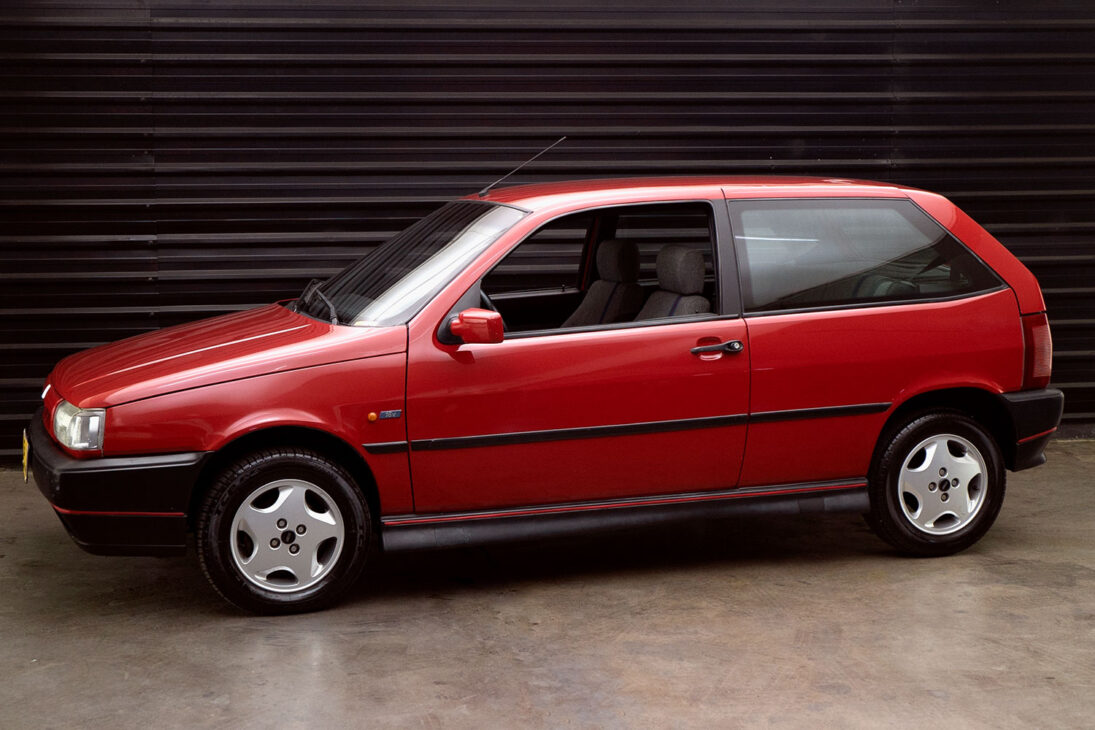
The dynamic behavior of the Tipo surprised and placed the model at the same level — or even superior — to the Golf GTI in various aspects, especially in highway performance and acceleration.
Sedicivalvole And The Brazilian Market: A Threatened Success
Despite so many virtues, the 2.0 Italian hatch faced challenges in Brazil. The high cost, due to being imported, and strong competition from national models limited its sales. In 1995, Fiat also had to confront a serious image crisis: several cases of spontaneous fires in units of the Tipo were recorded, leading to one of the largest recalls of the time.
Although the problem was linked to the 1.6 version (and not to the Sedicivalvole), public distrust extended to the entire line. Sales plummeted, and the model was discontinued in Brazil in 1995.
Technical Specifications: Fiat Tipo 2.0 16V Sedicivalvole (1994)
| Specification | Details |
| Engine | 2.0 DOHC, 4 Cylinders, 16 Valves |
| Maximum Power | 137 hp at 6,250 rpm |
| Maximum Torque | 18.1 kgfm at 5,000 rpm |
| Transmission | 5-Speed Manual |
| Traction | Front |
| Front Suspension | Independent, McPherson |
| Rear Suspension | Independent, McPherson |
| Brakes | Disc on All Four Wheels |
| Wheels | Alloy, 15-inch |
| Tires | 195/55 R15 |
| Acceleration 0-100 km/h | 8.4 Seconds |
| Top Speed | 206 km/h |
| Weight | 1,190 kg |
| Urban/Average Consumption | About 8 km/l (urban) / 11 km/l (highway) |
| Price At The Time (1995) | Approximately R$ 31,664 |
The Legacy Of The 2.0 Italian Hatch That Conquered Time
Today, the Fiat Tipo 2.0 16V Sedicivalvole is viewed from a new perspective. What was once an misunderstood model has come to be valued for its exclusivity, performance, and innovation. In classic car clubs and events, the Tipo appears as one of the few representatives of the era of European sporty hatches of the 90s in Brazil.
The market value of well-preserved units reflects this rediscovery. Well-maintained units, with original mechanics, up-to-date documentation, and no modifications, can exceed R$ 40,000, depending on condition and mileage.
This value is significant for a mid-size hatch from the 1990s and shows how the perception of the model has evolved. In some cases, impeccable models with low mileage are highly sought after among collectors and can reach even more expressive figures.
Additionally, the model is still remembered for offering a balance that few have managed to replicate: refined drivability, exemplary dynamic behavior for its time, elastic and reliable engine (as long as well maintained), and a design that has aged gracefully.
Among collectors, some argue that the Sedicivalvole has everything to become one of the most valued European classics in Brazil in the coming decades. Its limited production, increasingly scarce remaining units, and the growing cult among fans of the Italian brand are signs that its historical value is likely to increase.
For those passionate about classic cars and sporty vehicles with character, the Fiat Tipo Sedicivalvole is more than just a vehicle: it is an icon of an era when car manufacturers dared more, even in the face of technical and commercial risks. It serves as a reminder that motorsport is also about courage — and that some cars defy time not only for their technical specifications but for the stories they help tell.










Aí vinha o Citroën Xsara VTS 2.0 e dava um banho “ em todos os aspectos ” em todos eles.
O Tipo, um carro que não tinha força pra subir uma rampa de estacionamento! 😂
Lixo de carro