





 English
  Francês
  Alemão
  Italiano
  Japonês
  Norueguês
  Portuguese
  Spanish
  5 min of reading


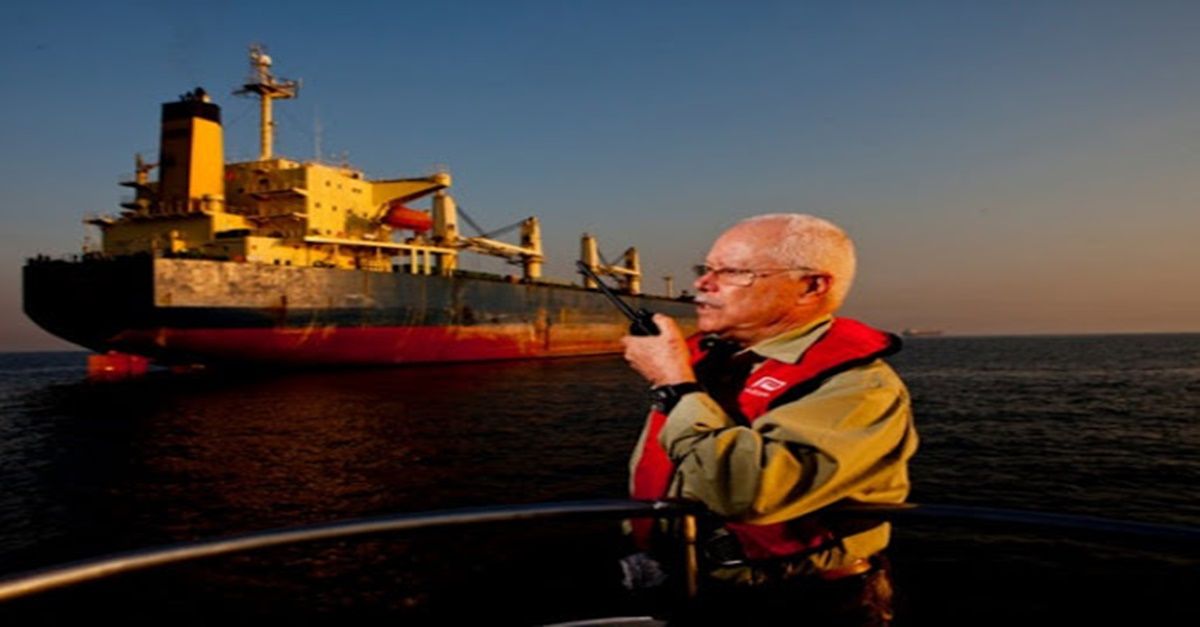
The Pilot Profession Is One of the Most Desired by Mariners. “It Is Not Reasonable for a Professional Maneuvering Ships to Have a Salary of Up to R$ 300 Thousand,” Says Consultant. CONAPRA Responds
Discover the profession of Ship Pilot, which in an interview with the program Direto ao Ponto, lawyer and infrastructure and logistics consultant Evaristo Pinheiro stated that the professional earns a monthly salary of R$ 50 thousand to R$ 300 thousand in Brazil for working in the maneuvering of docking and undocking ships in ports. Watch the video with Evaristo Pinheiro talking about this cost here.
Read Also
- Siem Offshore, which holds bases located in Macaé, signs contract with Total for support vessels
- Port Dispute: Government of ES Proposes New Free Gas Market Law and Reduction of ICMS on Bunker Fuel to Increase Port Activity in the State
- Federal Government Announces Increase of Up to 40% in the Fleet of Ships for Brazilian Cabotage, and the Naval Industry Sees PL That Could Favor Ports, Generating Jobs and Less Dependence on Land Transport by Trucks
Pilots are, therefore, the “guides” or holders of local knowledge, rules, natural conditions, and specific risks of each port area. The Ship Pilot professional is called whenever cargo and passengers need to transit safely and in an organized manner during arrivals and departures.
Despite being the holders of knowledge and great responsibility in Pilotage Areas, Pilots are not the “owners” of the maneuvers and do not establish safety rules and regulations. Pilotage is a profession regulated by the Maritime Authority, exercised by the Navy through the Directorate of Ports and Coasts (DPC).
-
New shoe factory in Ceará is expected to create 400 jobs and strengthen the local economy.
-
No one imagined it, but a mixture of sawdust with a mineral that fights fires surprises scientists with a result that changes the course of fire-resistant construction.

-
From empty land to a high-end house, wooden construction uses a lightweight system, metal structure for the foundation, ventilated ceramic cladding, and special windows to create an efficient and comfortable living space throughout the year.

-
From vacant land to a high-end house, wooden construction uses a lightweight system, a metal structure for support, ventilated ceramic cladding, and special windows to create an efficient and comfortable living space throughout the year.


According to lawyer and infrastructure and logistics consultant Evaristo Pinheiro, currently, the Pilot in Brazil earns a salary of R$ 6 to R$ 10 per ton transported by the vessel.
For Pinheiro, the reason for the high price of pilotage in the country, which compared to other countries can be up to six times higher, is due to the low supply of specialized professionals in the market, as well as the company needing the service not having the freedom to choose when hiring a pilot.
The specialist advocates for companies to have the freedom to choose to hire pilotage services; one of the solutions would be to regulate the bill authored by Congressman Alceu Moreira (PL 4392), which works on the service supply line, providing changes to the Law of Safety of Aquatic Traffic (law 9.537/1997) and the law 10.233/2001, which created the National Agency of Aquatic Transportation (Antaq).
The project also guarantees more transparency in the contracts made between the Pilot and the company, where currently the exporter never knows how much was charged for the pilotage of their cargo. “The proposal brings more transparency. According to the text, the pilot will have to account for their contracts, informing Antaq, in this case, what the price is, what contract they executed.”
Clarification Note from CONAPRA
Regarding the report, the National Council of Pilotage issued the following note to CPG:
First, there is a misunderstanding, as this is about service price, which is not high compared to what is practiced internationally and what the terminal charges to board the cargo and the ship owner to transport it. In Santarém (PA), for example, the soybean terminal charges R$ 44 per ton. Pilotage costs less than on the Mississippi River (USA), for navigating safely more than double the distance (500km). In Santos, the cost of pilotage is R$ 0.35 per ton of soy, the price of which rose from R$ 2,166 to R$ 2,600 last month.
Secondly, a pilot does not receive a fixed monthly salary from an employer. They are a partner in a pilotage company. In the country’s major ports, the pilot is as well compensated as successful private sector professionals, to prevent accidents that can pollute the environment, cause deaths, damage public and private facilities, and even shut down a port for the economy. Just like in other professions such as doctors and lawyers, the amounts received depend on the workload, which can vary greatly from one month to another and between pilotage zones. It is important to remember that there are also smaller ports, with lower remuneration, due to the low movement of vessels. In those cases, it may even lead to the extinction of the pilotage zone, as happened a few years ago with the Pilotage of Camocim; more recently, with the Pilotage of Ilhéus; and with the Pilotage of Sergipe, which is being extinguished.
Regarding the supply of professionals, it is the Maritime Authority that defines this need. However, Brazil’s pilotage considers the number of 635 pilots sufficient to meet the demands of vessels 24 hours a day, even during peak service times. Brazil is the third country in number of pilots, behind only the United States (1,200) and Germany (745).
Finally, regarding the ship owner not having the freedom to choose the pilot who will provide the service, Brazil’s Pilotage defends this model in which the shipowner can only use the pilot of the current work schedule. This allows the pilot to always make the safest decision for navigation, remaining immune to commercial pressures from those who hired them. It is a globally recognized model to prevent accidents. Additionally, the schedule allows the professional to neither work so much that they become fatigued, nor so little that they lose necessary experience with different vessels and maneuvers.
Interested in the Profession? Check the Requirements for the Pilot Apprentice Contest in Brazil
Want to dock and undock ships in Brazilian ports? To be a Pilot in Brazil, it is required to be over 18 years old, have a officially recognized higher education degree in any field, and be a maritime worker in the deck or engine section with level equal to or higher than 4, Pilot, Pilot Apprentice, or have sea experience, which must be at least a certification in the category of Amateur Master, required to operate small vessels for sport and recreation in open sea.
Additionally, the candidate must not be a retired military officer due to permanent disability or a civilian retired due to invalidity and must be up to date with military and electoral obligations.
Access to Pilotage in Brazil is currently extremely transparent and democratic, which motivates people of all ages and from all regions of the country to study not only to achieve the long-dreamed approval but also to secure a position in their preferred Pilotage Zone.








-

Uma pessoa reagiu a isso.