





 Portuguese
  English
  Spanish
  3 min of reading
  1 comment


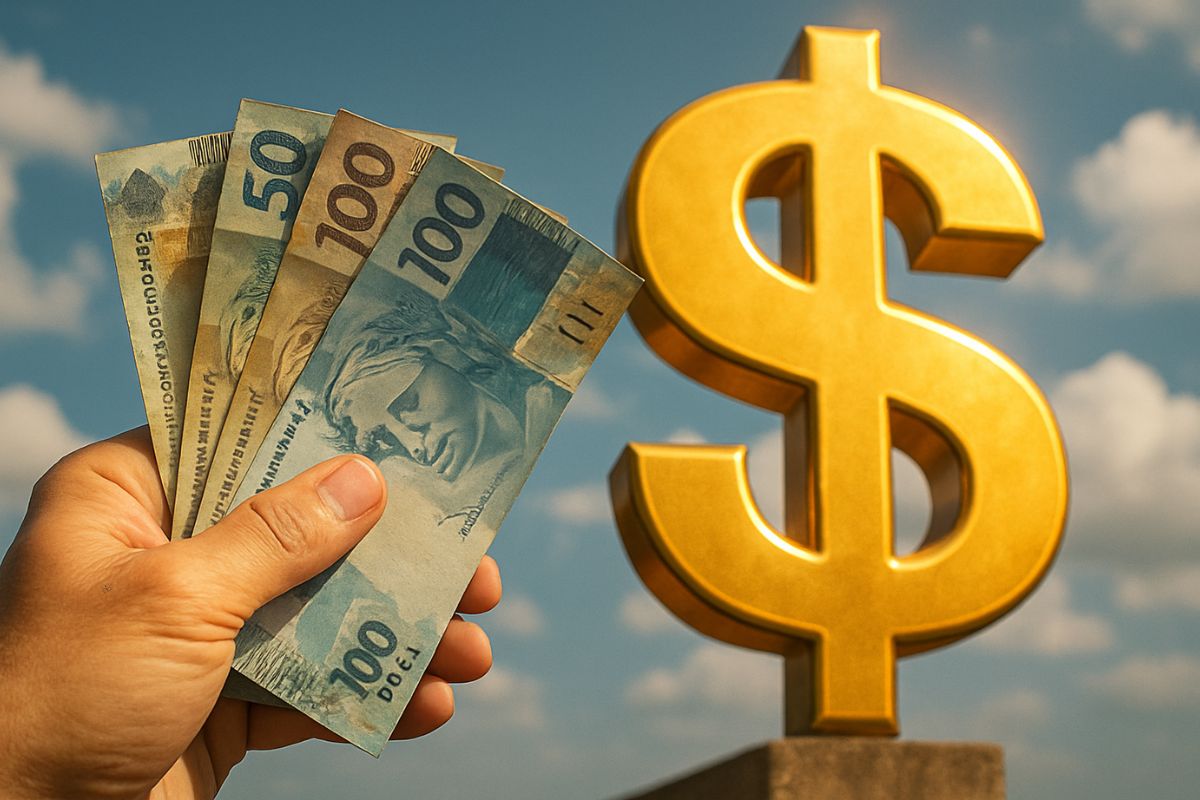


Minimum Wage Increase in 2025 Surprises Brazilians and Generates National Debate. Adjustment Above Inflation Raises the Minimum Wage to R$ 1,518 and Raises Discussions About Fiscal and Social Impact
The minimum wage increase in 2025 surprised Brazilians by exceeding the accumulated inflation and reaching R$ 1,518. According to a government statement, this is an attempt to recover the purchasing power of workers in a scenario of economic recovery.
This minimum wage increase, which corresponds to 7.5%, provides relief for millions of families, but it also reignites discussions about the impacts on public accounts, small businesses, and the fiscal sustainability of the country.
Why Was the Minimum Wage Increase Greater Than Inflation?
The government adopted a new methodology that combines the INPC (National Consumer Price Index) with a fraction of GDP growth. This formula seeks to value the minimum wage without compromising the Union’s accounts.
-
Oil surged to $115 a barrel due to the war in the Middle East, and diesel in Brazil has already risen to R$ 7.45 per liter, while the United States…

-
Brazilian city bets on the business environment to generate jobs and attract investments in the energy sector — secretary reveals strategy at Macaé Energy 2026.

-
50 viaducts, 4 tunnels, 28 bridges, and 40 kilometers of bike paths: BR-262 in Espírito Santo will receive 8.6 billion reais for the largest engineering project in the state’s history, inspired by the Immigrant Highway in São Paulo.

-
Brazil produces too much clean energy and doesn’t know what to do with it: over 20% of solar and wind capacity was wasted in 2025 while investors flee and 509 renewable generation projects were abandoned in the last year.


Experts highlight that this minimum wage increase breaks with previous practices by setting a ceiling of 2.5% for public spending linked to the national minimum. Nonetheless, the adjustment above inflation demonstrates an effort for real valuation of labor.
What Are the Impacts of the Minimum Wage Increase on the Economy?
The minimum wage increase has a direct effect on domestic consumption, strengthening sectors such as trade and services. More resources circulate in the economy, boosting GDP.
On the other hand, small and medium-sized enterprises may face greater pressure on operating costs, as payroll represents a significant portion of expenses. For economists, the challenge is to balance social gain and business competitiveness.
How Does the Minimum Wage Increase Affect Retirees and INSS Beneficiaries?
The minimum wage increase also affects pensions, allowances, and social benefits linked to the minimum. This means direct valuation of the income of millions of retirees and low-income families, especially in small towns that depend on this flow of resources.
At the same time, the adjustment puts pressure on Social Security accounts, as a large part of government mandatory spending is tied to the minimum wage. This equation generates constant debates between Congress and the Executive about fiscal sustainability.
What Are the Expectations for Upcoming Adjustments?
The trend is that the minimum wage increase in the coming years will be more moderate, following the evolution of GDP and fiscal limits. Projections indicate smaller adjustments aligned with the uncertain international economic reality.
The government signals that it does not intend to forgo real valuation but emphasizes the need for fiscal responsibility. This may result in less expressive adjustments, but more sustainable in the long term.
What Challenges Does the Government Face with the Minimum Wage Increase?
The main challenge of the wage increase is to balance social justice and fiscal responsibility. While the valuation improves the quality of life for the population, it also increases public spending.
Another point is the formalization of work. The minimum wage needs to stimulate productive inclusion without suffocating small businesses. In this sense, qualification policies and incentives for productivity are seen as complementary to wage valuation.
The Role of the Minimum Wage Increase in Income Distribution
The minimum wage increase is considered one of the main instruments for reducing regional and social inequalities in Brazil. By raising the wage floor, the government fosters greater circulation of resources in less developed areas, strengthening local consumption.
Researchers point out that consistent wage valuation policies are associated with better social indicators. In Brazil, the debate on income distribution remains central to combating poverty and promoting inclusion.
The minimum wage increase in 2025 brought an adjustment above inflation, ensuring real gains for workers and an immediate impact on consumption. At the same time, it sparked discussions about fiscal sustainability and the limits for new increases.
And you: do you agree that the minimum wage increase strengthens the economy or fear it will compromise public accounts? Leave your opinion in the comments — we want to hear from those who feel this impact in their daily lives.







Qdo se tem ganho real, o comércio vende mais, a indústria produz mais e há um aumento na arrecadação. Simples assim!