





 Portuguese
  English
  Spanish
  4 min of reading
  0 comments


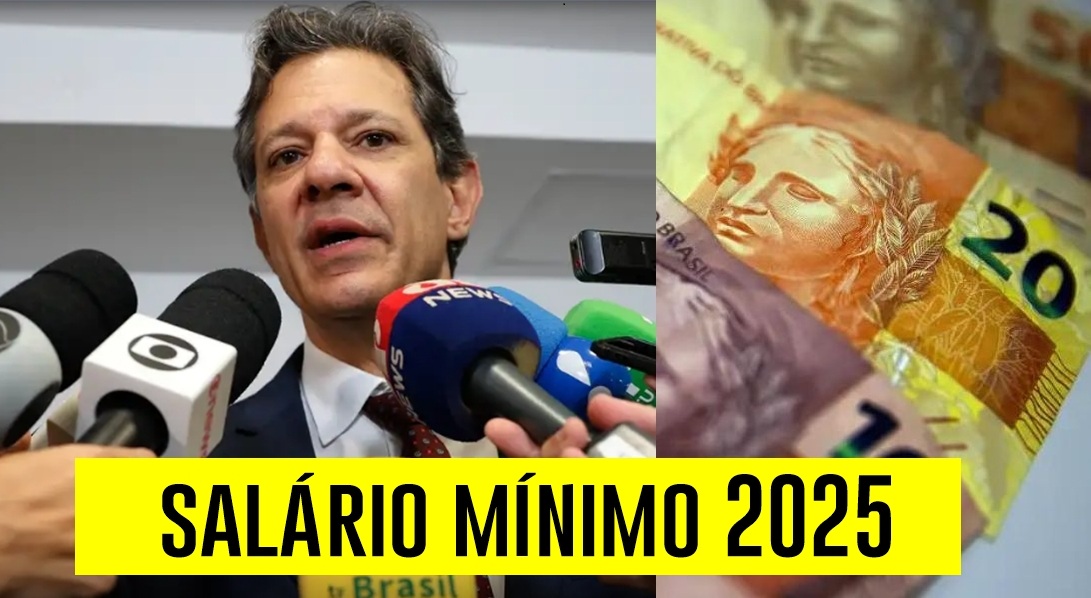
The Government Presented a New Proposal for the Minimum Wage in 2025. Understand How the Current Calculation and the New Salary Policy May Impact the Increase Starting in January.
The minimum wage in Brazil may undergo an important change in 2025 if the government is able to approve a new calculation formula for the adjustment. The proposal, which has already been sent to Congress, may result in a lower amount than initially expected.
Currently, the formula for adjusting the minimum wage considers inflation and the growth of the Gross Domestic Product (GDP) from the two previous years. However, the new proposal sent by the government alters this calculation, which could reduce the increase that workers were expecting for next year.
How Will the New Calculation Affect the Minimum Wage?
In 2024, the minimum wage is R$ 1,412, and the adjustment predicted by the current formula would be R$ 118, or 8.36%, bringing the amount to R$ 1,530. However, if the new rule is approved, the increase will be smaller: R$ 107, or 7.58%, resulting in an amount of R$ 1,519.
-
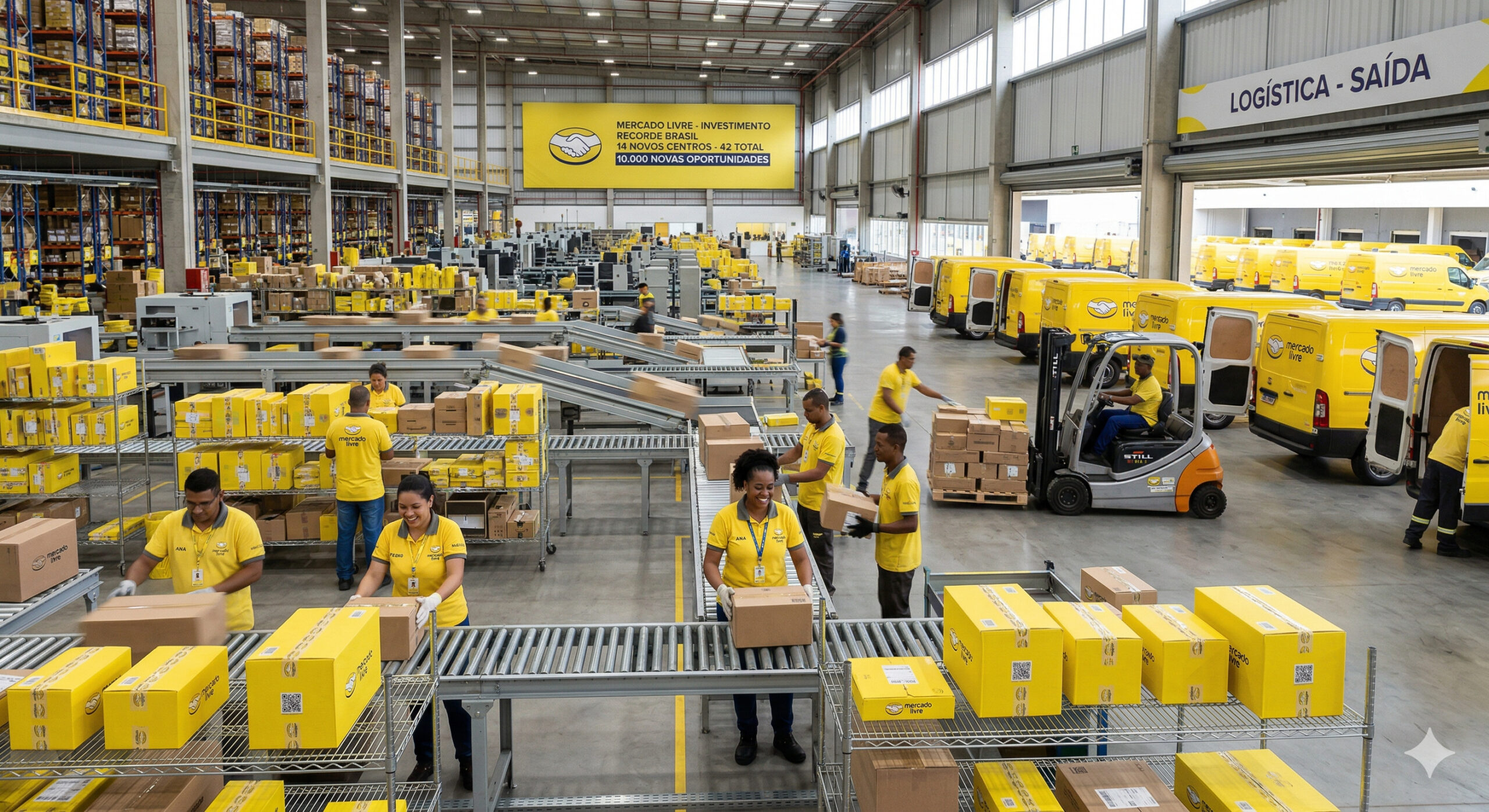
Mercado Livre “opens the vault” and announces a record investment of R$ 57 billion in Brazil in 2026, a value 50% higher than the previous year, with an expansion plan that includes 14 new logistics centers, totaling 42 units in the country and hiring an additional 10,000 employees.
-
How investment in technology can revolutionize the national economy and enhance industrial gains, according to a study that highlights the direct impact on productivity, innovation, and wealth retention within Brazil.

-
The largest food company on the planet, JBS, has just opened a 4,000 square meter laboratory in Florianópolis to develop customized proteins that modulate muscle mass gain, immune response, and metabolic performance.

-
After nearly 30 bids and competition among industry giants, a Spanish company purchases one of the largest airports in Brazil for almost R$ 3 billion and takes over the management of Galeão in a concession that will last until 2039.


In other words, this means that the worker could receive R$ 11 less than what was expected under the current rule if the proposal is implemented.
The government explains that the change is necessary to control public debt and to promote a “brake” on the adjustment to reduce government spending.
What Is the Difference Between the Rules?
Currently, the minimum wage is adjusted based on two indices: the National Consumer Price Index (INPC), which measures inflation, and the growth of GDP from the two previous years. For the 2025 calculation, this would include the inflation of 2024 and the GDP of 2023.
The new proposal from the government suggests that the adjustment be calculated only based on the inflation of the INPC and the variation of the GDP from the second previous year.
Furthermore, the economic team proposes a “brake” of 2.5% on the GDP, limiting the growth of public spending, in accordance with the new fiscal framework approved in 2023.
The Financial Impact
The change in the calculation of the minimum wage also has implications for public finances.
The government estimates that this change could generate savings of up to R$ 110 billion by 2030, with savings of R$ 2 billion in 2025 alone. This is considered an important step toward reducing the country’s public debt.
The impact of this change is not limited to workers, but also affects social benefits, such as pensions and the Continuous Cash Benefit (BPC), which are adjusted according to the minimum wage.
When Will It Come into Effect?
If the proposal is approved by Congress, the new calculation formula will take effect from January 1, 2025. Until then, the government needs to take the necessary measures to ensure that the new minimum wage amount is official.
The History of the Minimum Wage in Brazil
The minimum wage in Brazil was created in 1936, during the government of Getúlio Vargas, and has undergone various changes over the years.
It is the minimum amount that must be paid to workers, regardless of the area of activity. Since then, the minimum wage has been adjusted annually, based on inflation and, more recently, the growth of GDP.
From 1994 to 2023, the minimum wage amounts had various increases, notably the adjustment in 1995, which was 42.86%. In recent years, the increase has been around 7% to 8%. The amount for 2024, for example, had an increase of 7.7% compared to the previous year, rising from R$ 1,302 to R$ 1,412.
The Proposal Is in Congress
Now, the ball is with Congress, which will have to analyze and approve the proposal to change the calculation of the minimum wage. If this occurs, Brazilian workers will face a smaller increase than initially expected.
Despite this, the government’s proposal seeks to balance public accounts by controlling spending and the country’s debt. The approval of the new calculation formula will also depend on the government’s political maneuvering, which is already making negotiations to ensure that the change happens.
What to Expect?
If Congress approves the change, the minimum wage in 2025 will be adjusted based on the inflation of 2024 and the growth of the GDP in 2023, with the “cap” of 2.5% imposed by the government.
This means that, although the increase will not be as large as expected, the amount will still be higher than the current one, and the public savings could be significant.
The scenario is uncertain, but one thing is certain: the proposal to change the calculation of the minimum wage is generating debate about the impact on workers and the country’s finances.








-

-

-

4 pessoas reagiram a isso.