





 Portuguese
  English
  Spanish
  4 min of reading
  0 comments


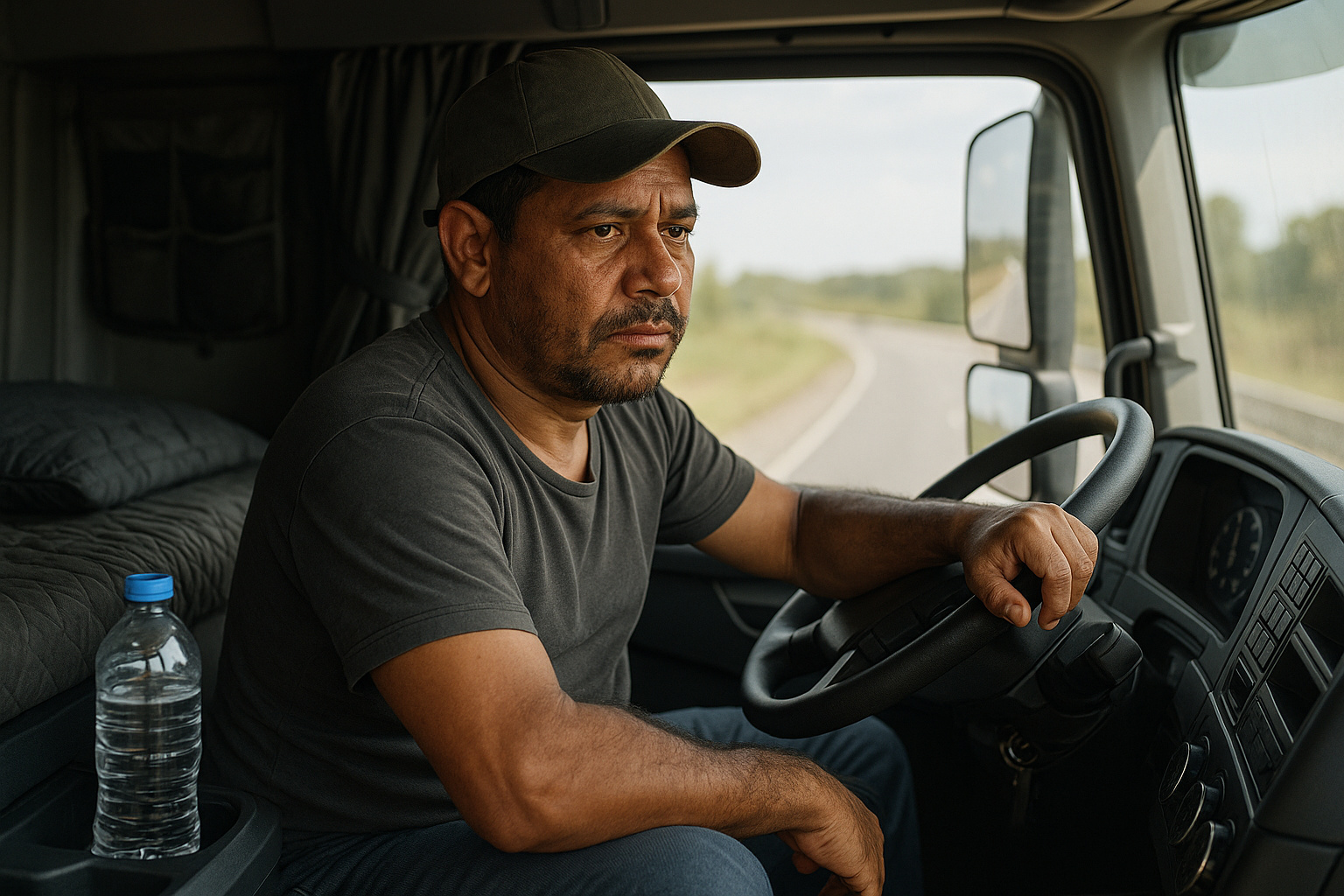
While Road Transport Moves Almost Everything We Consume, The Invisible Routine Of Truck Drivers Reveals Deficient Salaries, Long Family Absences And A Future Full Of Uncertainties
Being a truck driver in Brazil has always been synonymous with bravery, resilience, and passion for the road. However, when it comes to remuneration, the numbers reveal a scenario very distant from the romanticism that circulates on social media. According to the latest data from salario.com.br, based on official information from the CAGED and the Ministry of Labor, the average salary of a truck driver registered under the CLT is around R$ 3,000.00 in 2025. The minimum wage found is R$ 2,445.17, while the formal ceiling can reach R$ 3,715.04.
In parallel, the autonomous truck driver has an average income close to R$ 4,600.00, but this income fluctuates intensely according to the type of freight, maintenance costs, and the number of trips made. In the South and Southeast, regions with more opportunities, the average salary is around R$ 2,954.50, according to the Portal Salário, but experienced drivers in special loads can earn between R$ 6,500 and R$ 7,500 monthly. In the Midwest, especially in Mato Grosso do Sul, the average salary is R$ 2,329.86, with peaks of R$ 5,500 to R$ 6,500 for bi-trains during the harvest.
Meanwhile, the North and Northeast present averages that vary from R$ 2,000 to R$ 3,500, according to the platform habilitar.me and a survey by CAGED. Although the growth of logistics in agribusiness and tourism reveals a promising expansion, the mismatch between salary, risks, and costs leads many truck drivers to lose enthusiasm — and, even worse, stop encouraging their children to pursue the profession.
-
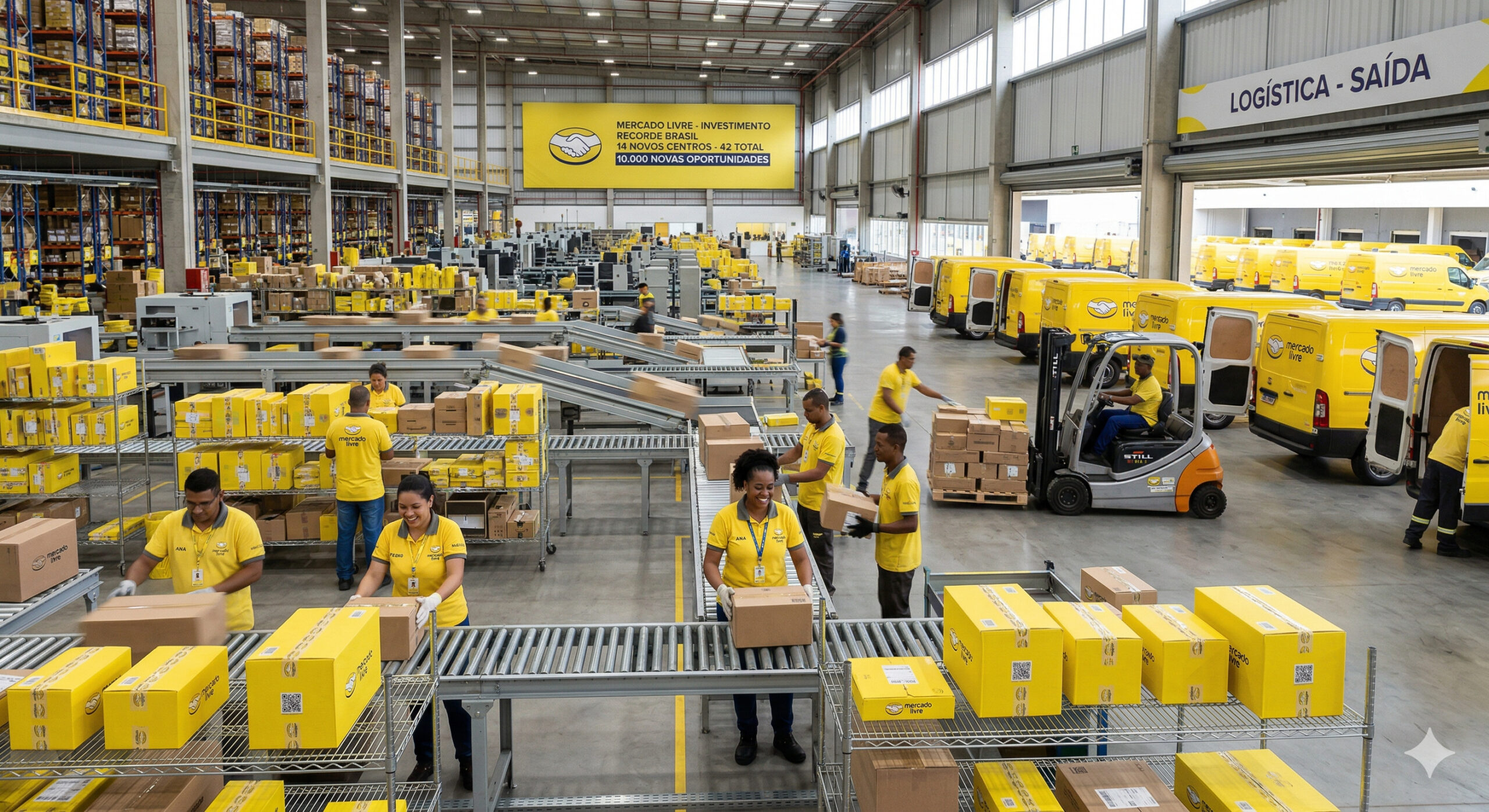
Mercado Livre “opens the vault” and announces a record investment of R$ 57 billion in Brazil in 2026, a value 50% higher than the previous year, with an expansion plan that includes 14 new logistics centers, totaling 42 units in the country and hiring an additional 10,000 employees.
-
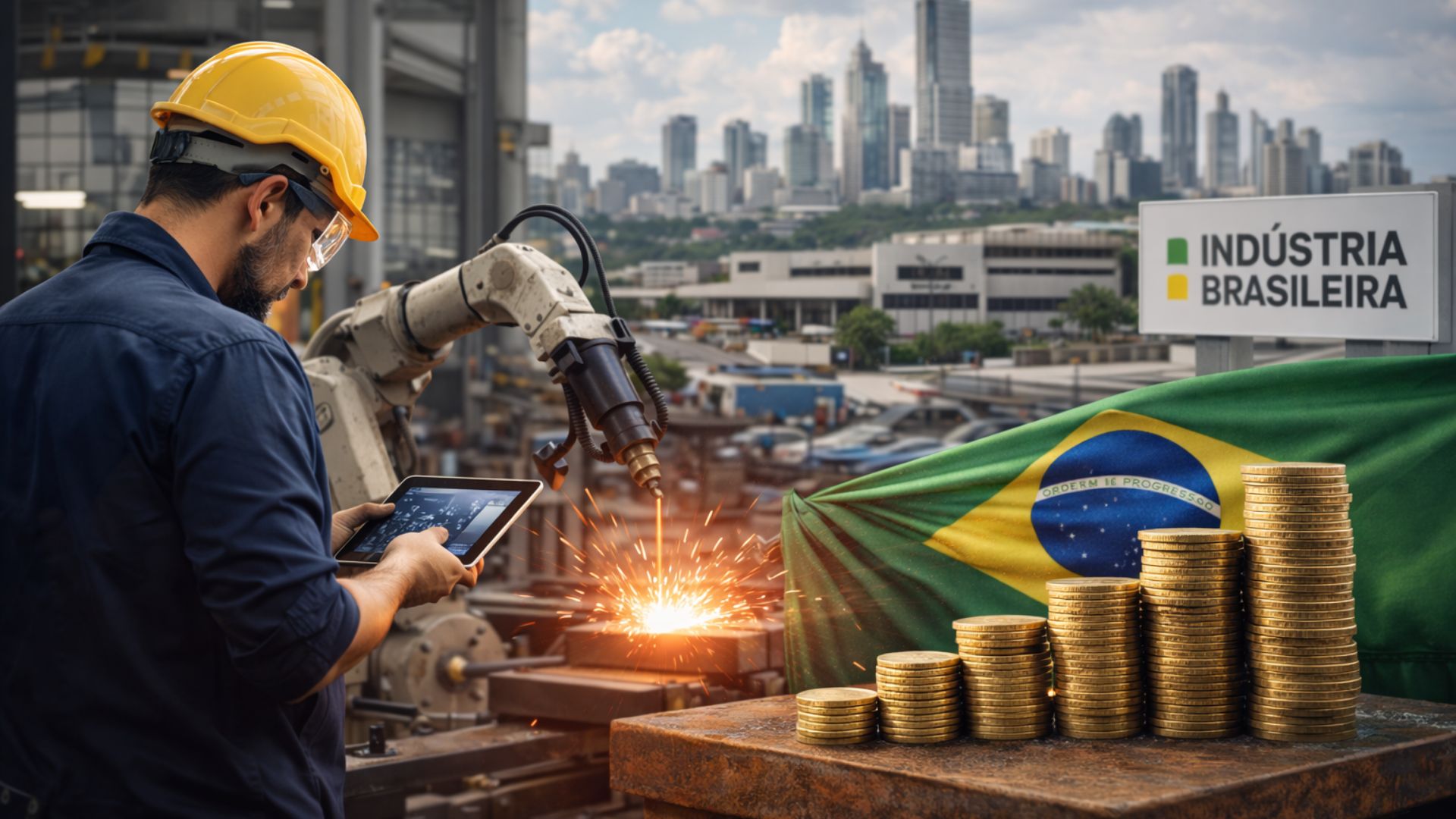
How investment in technology can revolutionize the national economy and enhance industrial gains, according to a study that highlights the direct impact on productivity, innovation, and wealth retention within Brazil.
-
The largest food company on the planet, JBS, has just opened a 4,000 square meter laboratory in Florianópolis to develop customized proteins that modulate muscle mass gain, immune response, and metabolic performance.

-
After nearly 30 bids and competition among industry giants, a Spanish company purchases one of the largest airports in Brazil for almost R$ 3 billion and takes over the management of Galeão in a concession that will last until 2039.


One Month Away From Home: The Emotional Life, The Weight Of Loneliness, And The Psychological Impact Of Those Who Live On The Road
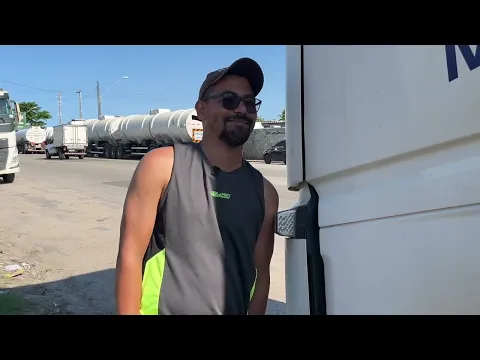

If the salary issue was already a concern for the category, the invisible impacts of the road reveal another dramatic side: the psychological. According to a report published in the project “Truck Drivers: The Life Of Those Who Carry Brazil”, the routine of the Maranhão native Romiro José, married and father of four children, symbolizes a reality shared by thousands of professionals: journeys that last 30 days, work hours from 6 AM to 6 PM, and a return marked by the absence of the most important moments of family life.
Studies published in the journal Psychology and Health (UCDB) indicate that 43.3% of truck drivers experience moderate mental fatigue, excessive daytime sleepiness, a high risk of depression, and sleep disorders. Additionally, 6.1% have minor psychiatric disorders associated with prolonged isolation and exhausting shifts.
The road, as Romiro himself states, “becomes home and the landscape turns into company,” but carries a price: longing, silence, and the constant fear of insecurity. According to the research “Cargo Theft Analysis 2024” by nstech, 57.4% of incidents occur at night, and the states that concentrate the most incidents are São Paulo, Rio de Janeiro, and Minas Gerais — together responsible for 81.4% of total losses.
Furthermore, Brazil loses between R$ 1.3 billion and R$ 1.5 billion per year due to cargo theft. These numbers reinforce the scenario of fear reported by the president of Sindicam-CE, Mirio Rotex João Pavan, who describes the routine as “a daily battle.”
The Uncertain Future Of The Profession, The Debate About Strike And The Doubt That Lingers Over The Country
When the subject turns to the future, the response is divided between hope and fatigue. Lack of adequate rest, legislation that does not keep up with reality, and precarious support bridges create a dangerous cycle of exhaustion and devaluation. For many drivers, encouraging their children to enter the profession has ceased to be a source of pride and has transformed into concern.
Douglas Oliani, with 18 years on the road, summarizes the feeling of part of the category: “the salary or the freight should compensate for the difficulties.” For veterans like Antônio Benedito, “the road chooses the driver, but everyday life has pushed away the younger ones.”
According to the federal government, public investments in infrastructure reached R$ 24 billion in 2024, with expectations of R$ 161 billion in concessions by 2025. There are advancements — but still insufficient to reverse decades of neglect.
In this environment of dissatisfaction, rumors have emerged on social media about a possible new national strike of truck drivers. However — and here is the latest news — despite the tense atmosphere, discussions in groups, regional mobilizations, and isolated protests, the strike did not take off.
The reasons: lack of unified organization, divergence in agendas, and fear of legal reprisals. Dissatisfaction remains, but the movement did not gain national strength like in 2018.
Still, the question continues to echo: does Brazil run the risk of experiencing another strike in the future?
The answer — at least for now — remains open.
Sources: O Otimista, O Carreteiro and Brazil Truck Driver







-

-

-

-

6 pessoas reagiram a isso.