





 Portuguese
  English
  Spanish
  2 min of reading
  0 comments


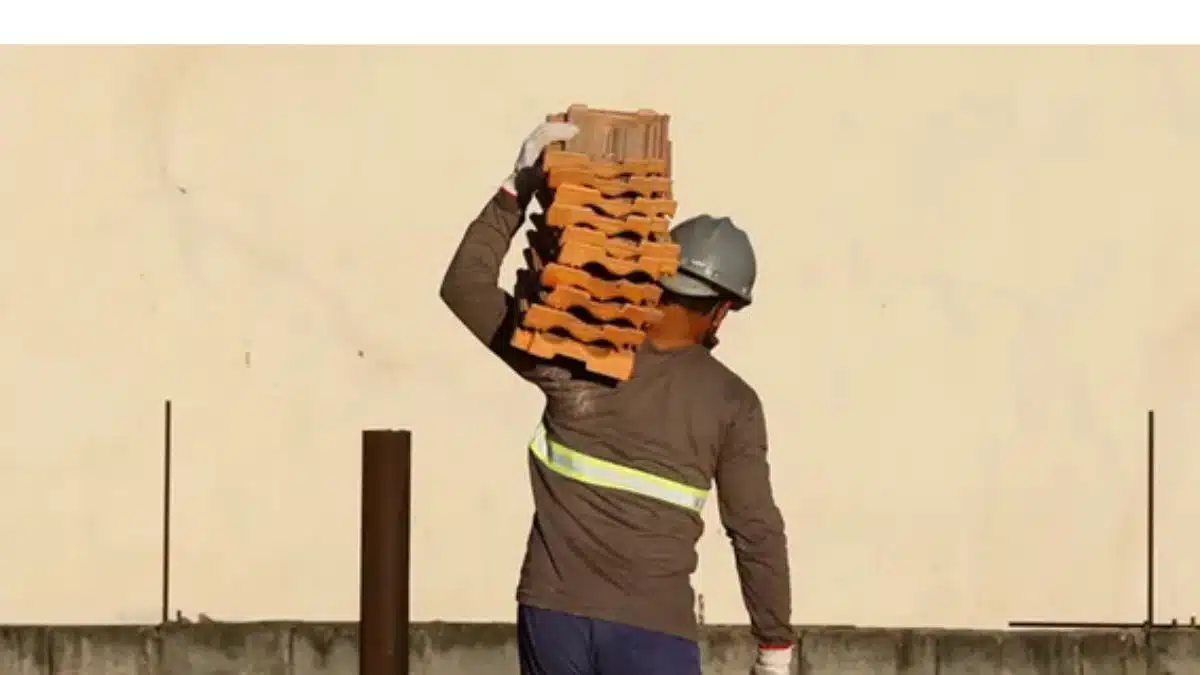
Construction Wages Drop by Up to 29% in a Decade, with Infrastructure Leading the Losses and Direct Impact on the Overall Average
The average income of construction workers in Brazil fell by 22% over the past ten years, according to the Annual Construction Industry Survey (Paic), released by the Brazilian Institute of Geography and Statistics (IBGE). In 2014, the average wages were 2.7 minimum wages. By 2023, this value dropped to 2.1 minimum wages.
The biggest decline occurred in the infrastructure segment, which includes highways, railways, basic sanitation, and energy. In 2014, this group paid an average of 3.7 minimum wages per worker — the highest value in the historical series that began in 2007.
In 2023, the average fell to 2.6 minimum wages, a loss of 1.1 minimum wages, representing a reduction of 29%.
-
With a DNA shape, this bridge in Singapore draws attention in modern architecture and surprises tourists by transforming a simple crossing into an unforgettable visual experience in the urban heart.

-
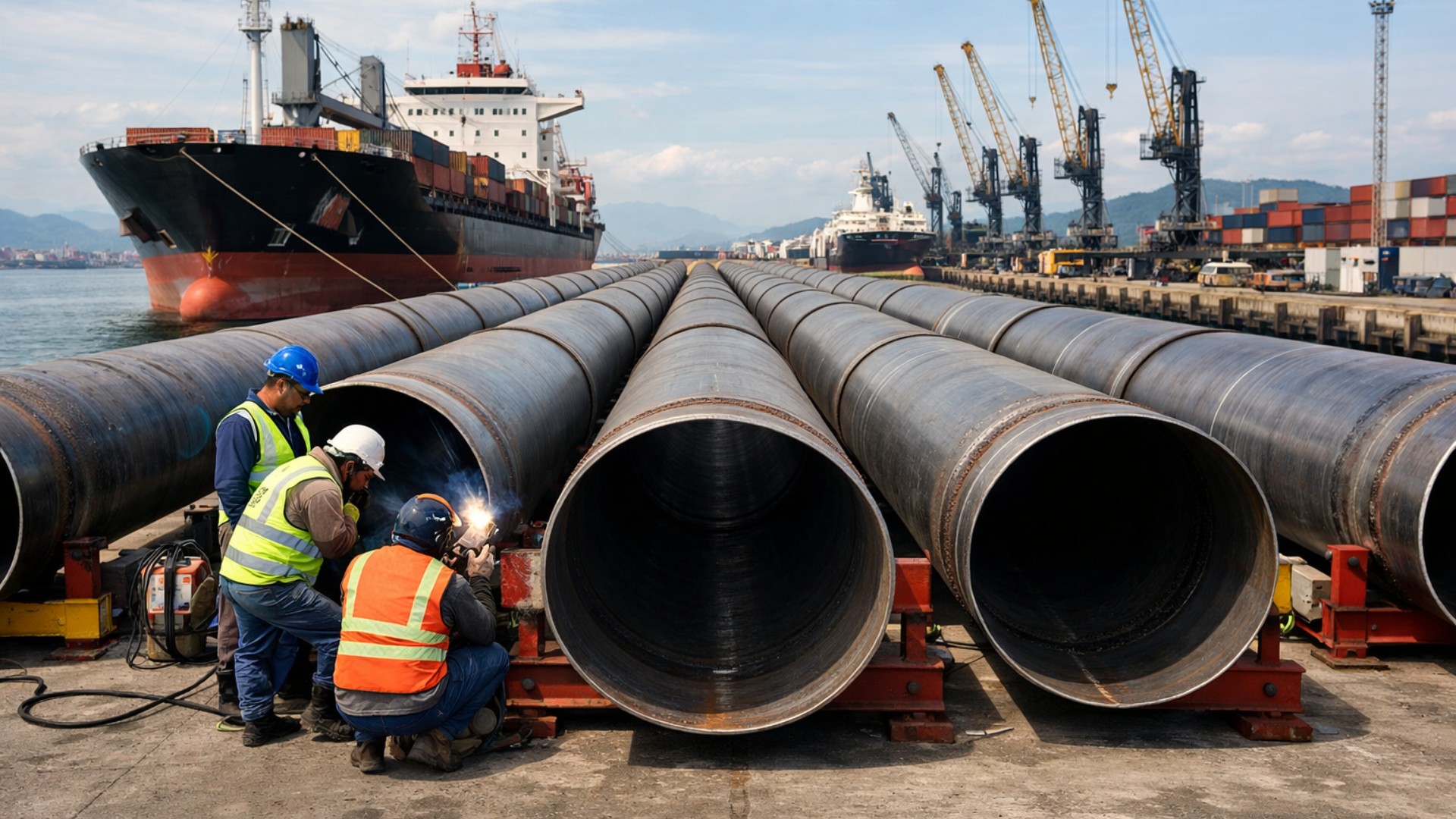
Giant underwater pipeline begins to take shape with a R$ 134.7 million project at the Port of Santos: the 1.7 km structure uses 12-meter and 700 mm pipes to supply water to 450,000 people in Guarujá.
-
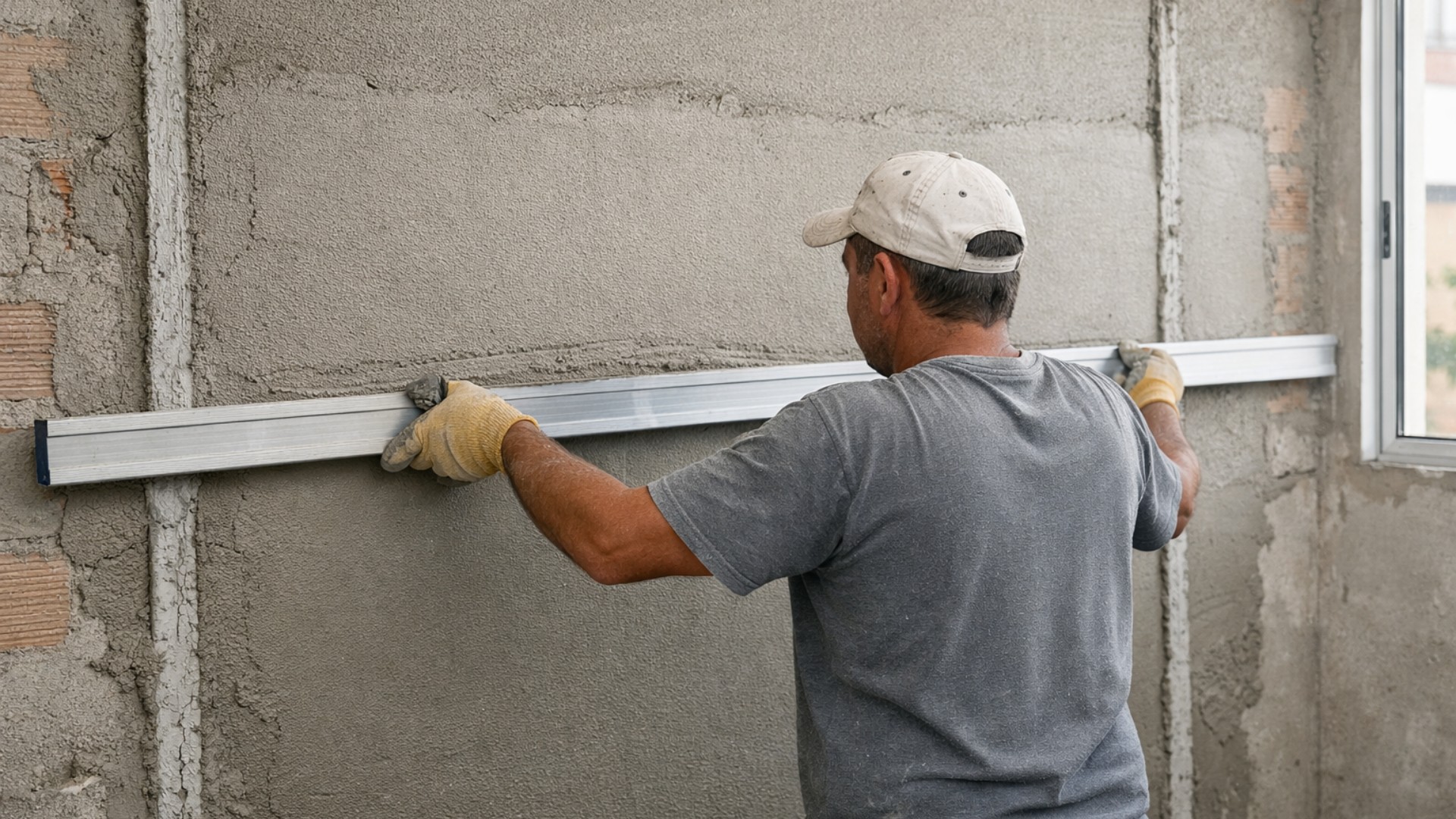
A mason reveals a professional plastering technique that uses aligned guides and a 3-meter ruler to plaster an entire wall in up to 3 hours, without visible seams, with uniform thickness, perfect plumb, and a finish ready for painting without rework.
-
The project that was supposed to be ready for the 2014 World Cup in Brazil debuted with a 12-year delay and nearly R$ 6 billion invested: the Line 17-Gold of the São Paulo monorail opened with reduced hours and is only expected to operate fully in October.


Marcelo Miranda, a researcher at IBGE, highlighted that the reduction in the average salary in infrastructure had a strong impact on the overall average in construction. “This loss is greatly driven by the drop in the average salary in the infrastructure segment,” he stated.
Two other segments of construction also reported wage declines. In the building construction sector, average income fell from 2.3 to 1.9 minimum wages, which corresponds to a reduction of 17%.
In the specialized services sector — which includes activities such as finishing, demolitions, electrical installations, and land preparation — the drop was 9%, with wages decreasing from 2.2 to 2.0 minimum wages.
Reduction in the Number of Jobs
In addition to the wage drop, the sector also lost jobs. In 2023, there were 2.5 million jobs in the construction sector, a reduction of 15% compared to 2014.
Despite this, the numbers show a recovery compared to 2020, a year marked by the onset of the COVID-19 pandemic. Since then, there has been a growth of 25% in the total number of workers.
Among the segments, only specialized services managed to grow compared to 2014, with a 4% increase in the number of jobs. In contrast, building construction and infrastructure works experienced declines of 29% and 20%, respectively.
Revenue and Regional Distribution
The total amount generated by the 165.8 thousand companies in the construction sector reached R$ 484.2 billion in 2023. Residential constructions accounted for 22% of this value. Meanwhile, specialized services and infrastructure works — such as highways and railways — each accounted for about 20%.
The Southeast and Northeast regions led the market, with shares of 49.8% and 18.1% of the national total, respectively. However, both lost ground compared to 2014.
The South Region experienced the most significant growth in participation, rising from 12.8% to 16.2%. The Central-West saw a slight increase, from 9.3% to 9.4%.
With information from Primeira Página.








Seja o primeiro a reagir!