






 Portuguese
  Spanish
  2 min of reading
  0 comments


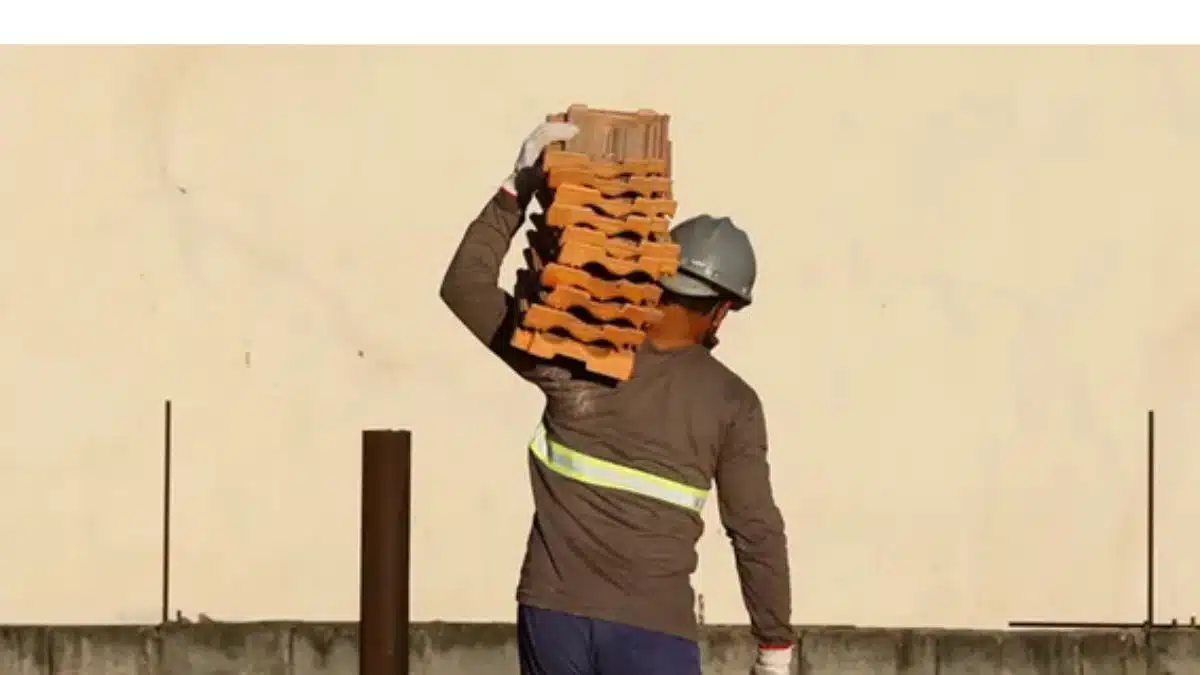
Construction Wages Drop by Up to 29% in a Decade, with Infrastructure Leading the Losses and Direct Impact on the Overall Average
The average income of construction workers in Brazil fell by 22% over the past ten years, according to the Annual Construction Industry Survey (Paic), released by the Brazilian Institute of Geography and Statistics (IBGE). In 2014, the average wages were 2.7 minimum wages. By 2023, this value dropped to 2.1 minimum wages.
The biggest decline occurred in the infrastructure segment, which includes highways, railways, basic sanitation, and energy. In 2014, this group paid an average of 3.7 minimum wages per worker — the highest value in the historical series that began in 2007.
In 2023, the average fell to 2.6 minimum wages, a loss of 1.1 minimum wages, representing a reduction of 29%.
-
To halt the advance of the Sahara, the 8,000 km Great Green Wall in the Sahel relies on reforestation to combat desertification, but by 2026 it remains far behind the goal of 100 million hectares.

-
Long before sustainable construction became a trend, China built earthen fortresses with multiple floors, a central courtyard, and the capacity to house up to 800 people living in a community.

-
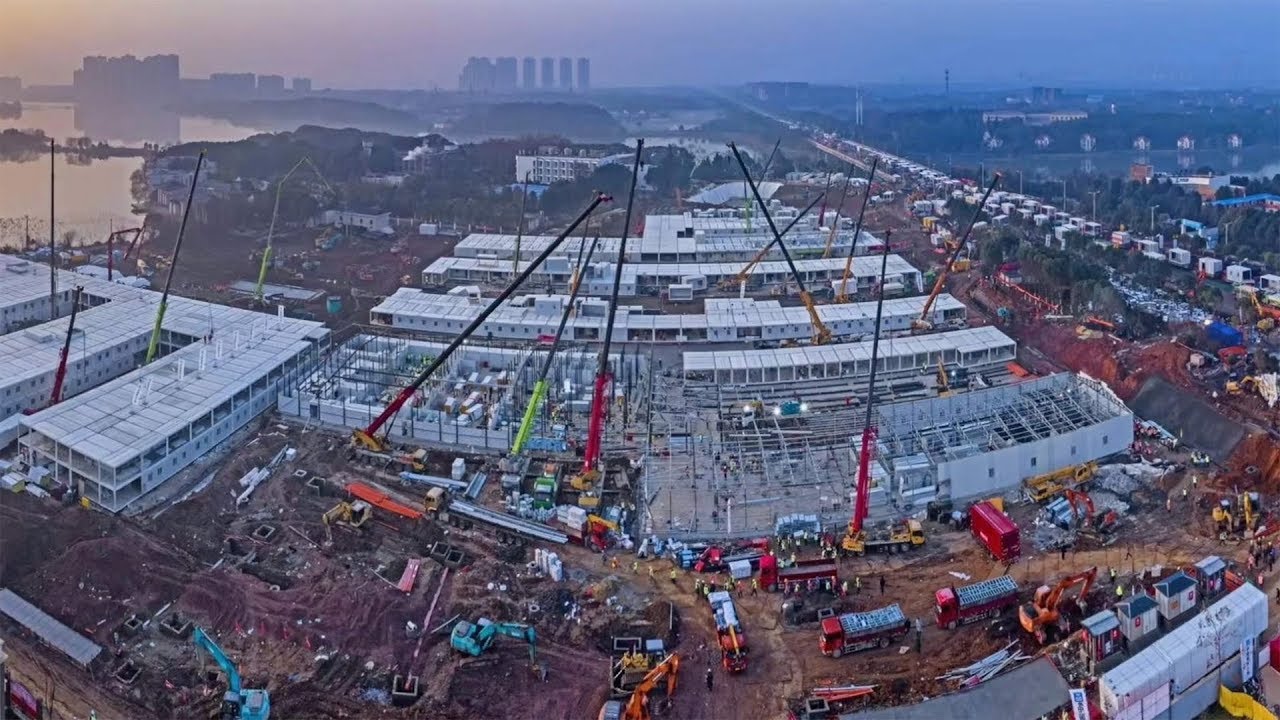
While in the rest of the world building a hospital takes years from design to inauguration, China erected the Huoshenshan Hospital from scratch in just 10 days, with 1,000 beds, foundation, structure, electrical installations, plumbing, and oxygen system ready to receive patients, mobilizing 7,000 workers.

-
Without mortar, grout, or traditional construction: the ClickBrick system assembles brick facades with ceramic pieces held by metal clips, eliminating the need for glue, speeding up installation, and even allowing everything to be dismantled later without turning the construction into expensive permanent debris.



Marcelo Miranda, a researcher at IBGE, highlighted that the reduction in the average salary in infrastructure had a strong impact on the overall average in construction. “This loss is greatly driven by the drop in the average salary in the infrastructure segment,” he stated.
Two other segments of construction also reported wage declines. In the building construction sector, average income fell from 2.3 to 1.9 minimum wages, which corresponds to a reduction of 17%.
In the specialized services sector — which includes activities such as finishing, demolitions, electrical installations, and land preparation — the drop was 9%, with wages decreasing from 2.2 to 2.0 minimum wages.
Reduction in the Number of Jobs
In addition to the wage drop, the sector also lost jobs. In 2023, there were 2.5 million jobs in the construction sector, a reduction of 15% compared to 2014.
Despite this, the numbers show a recovery compared to 2020, a year marked by the onset of the COVID-19 pandemic. Since then, there has been a growth of 25% in the total number of workers.
Among the segments, only specialized services managed to grow compared to 2014, with a 4% increase in the number of jobs. In contrast, building construction and infrastructure works experienced declines of 29% and 20%, respectively.
Revenue and Regional Distribution
The total amount generated by the 165.8 thousand companies in the construction sector reached R$ 484.2 billion in 2023. Residential constructions accounted for 22% of this value. Meanwhile, specialized services and infrastructure works — such as highways and railways — each accounted for about 20%.
The Southeast and Northeast regions led the market, with shares of 49.8% and 18.1% of the national total, respectively. However, both lost ground compared to 2014.
The South Region experienced the most significant growth in participation, rising from 12.8% to 16.2%. The Central-West saw a slight increase, from 9.3% to 9.4%.
With information from Primeira Página.







Be the first to react!