Portuguese
  Spanish


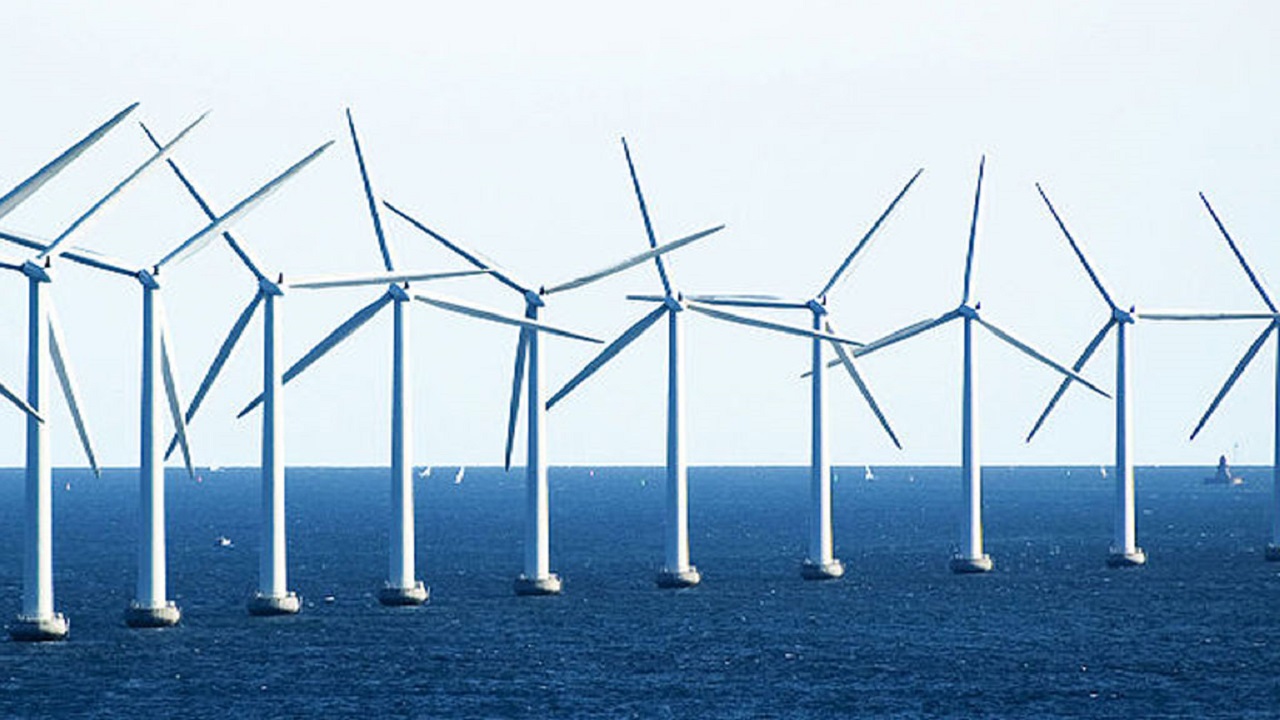

Samsung Heavy Industries Has Been Producing Wind Turbines Since 2013 and This Is No Surprise, the Novelty Is That the Company Is Bringing to the Offshore Wind Energy Market an Innovative Solution: A Floater with Wind Turbines That Promises to Reduce Installation Time
Samsung Heavy Industries (SHI) is venturing into the offshore wind energy market and developing a new model of an offshore wind floater. On Monday (19), the company announced that it received Approval in Principle (AiP) for its floater model with 9.5 scale wind turbines.
Read Also
Wind Turbines with Optimized Design


The removal of the steel structure that supports the offshore wind energy generator known as the pontoon will drastically reduce the construction period from design and transport to building and installation.
-
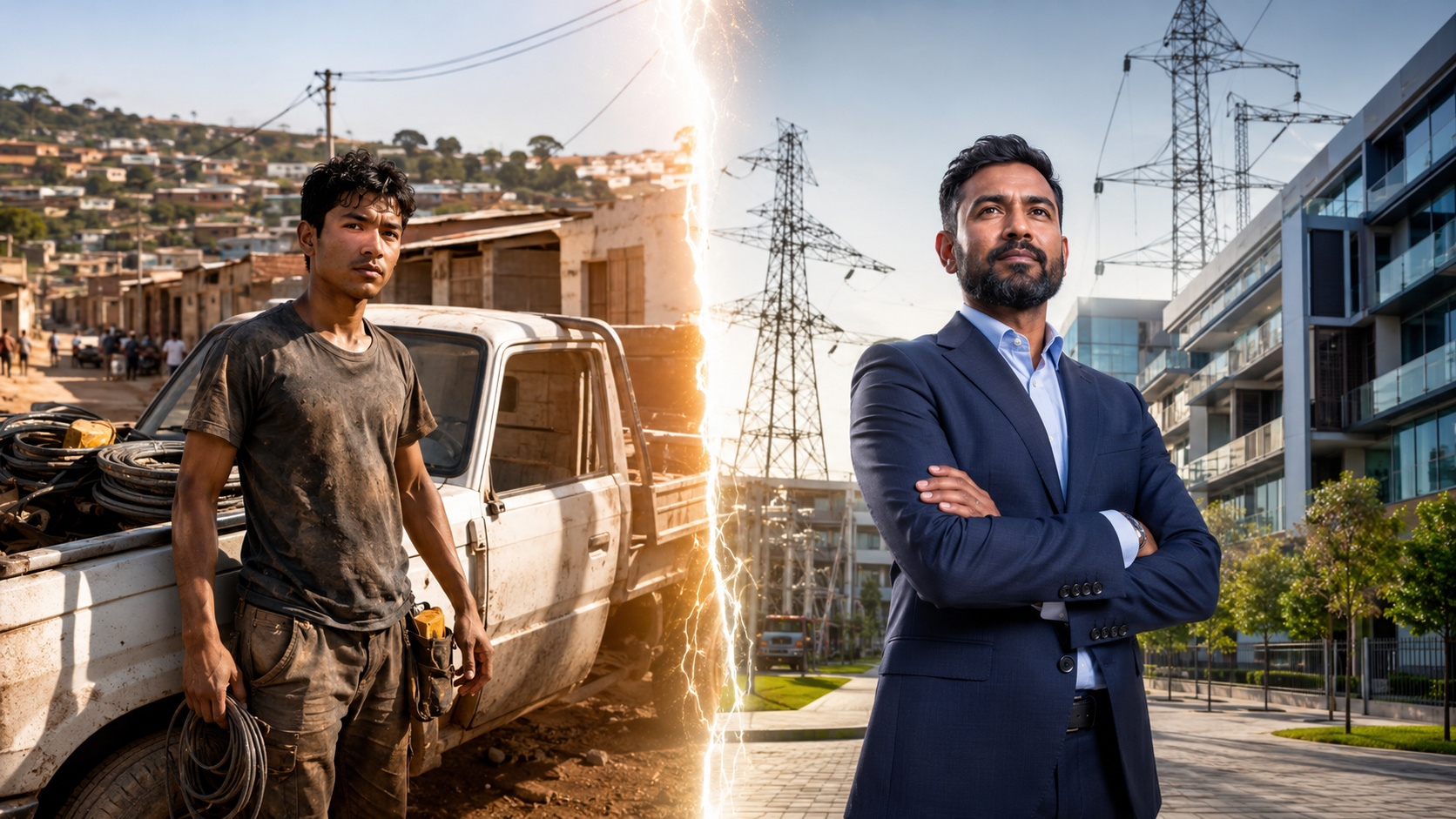
Fired during apartheid and with a little borrowed money, an electrician started with a borrowed truck and transformed electrical services into a group connected to energy, real estate, and infrastructure in South Africa.

-
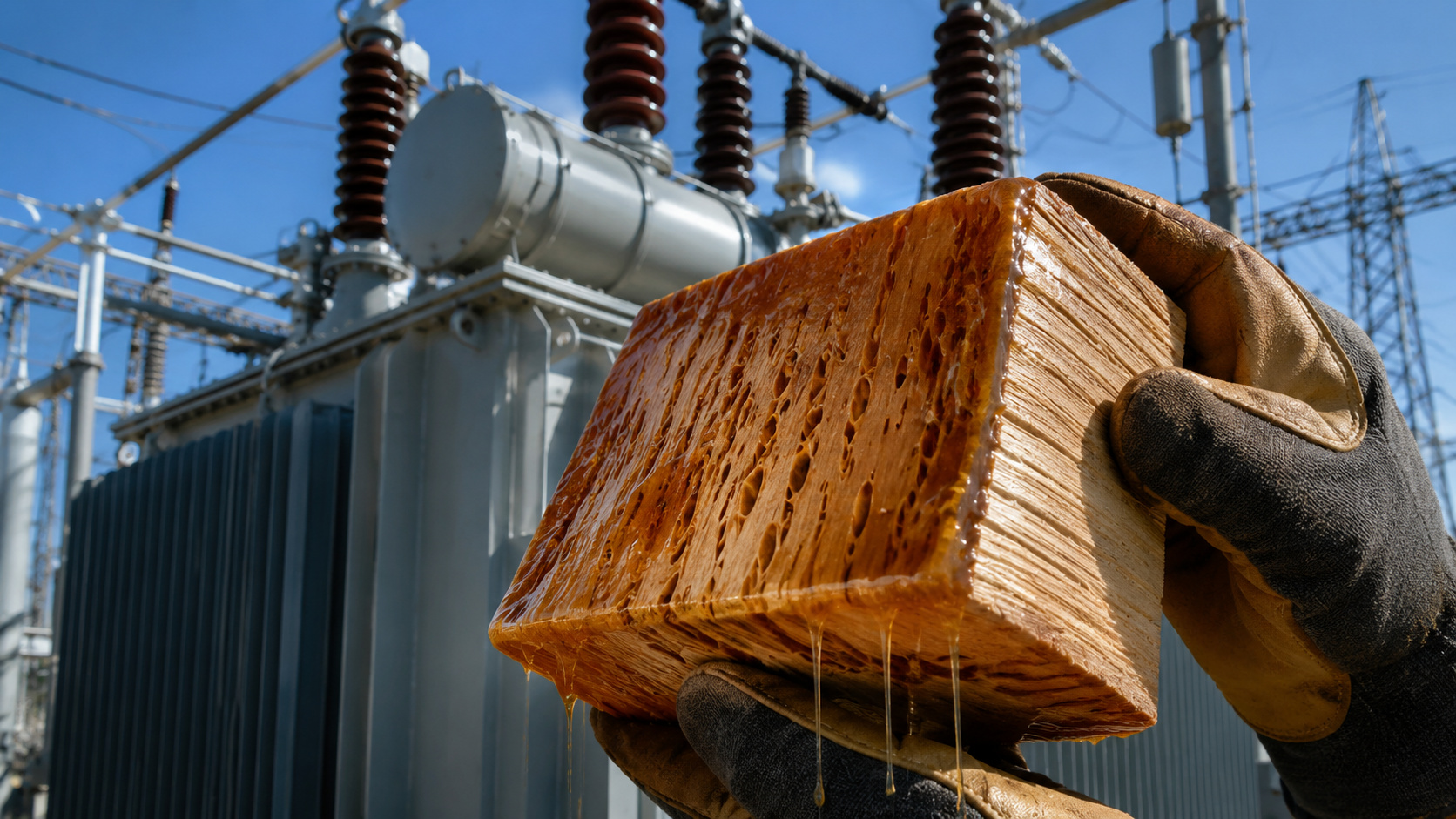
Wood has ceased to be just a construction material in Yale research and has become insulation for electrical transformers that face intense heat, aging, and increasing pressure from the renewable energy-powered grid.
-
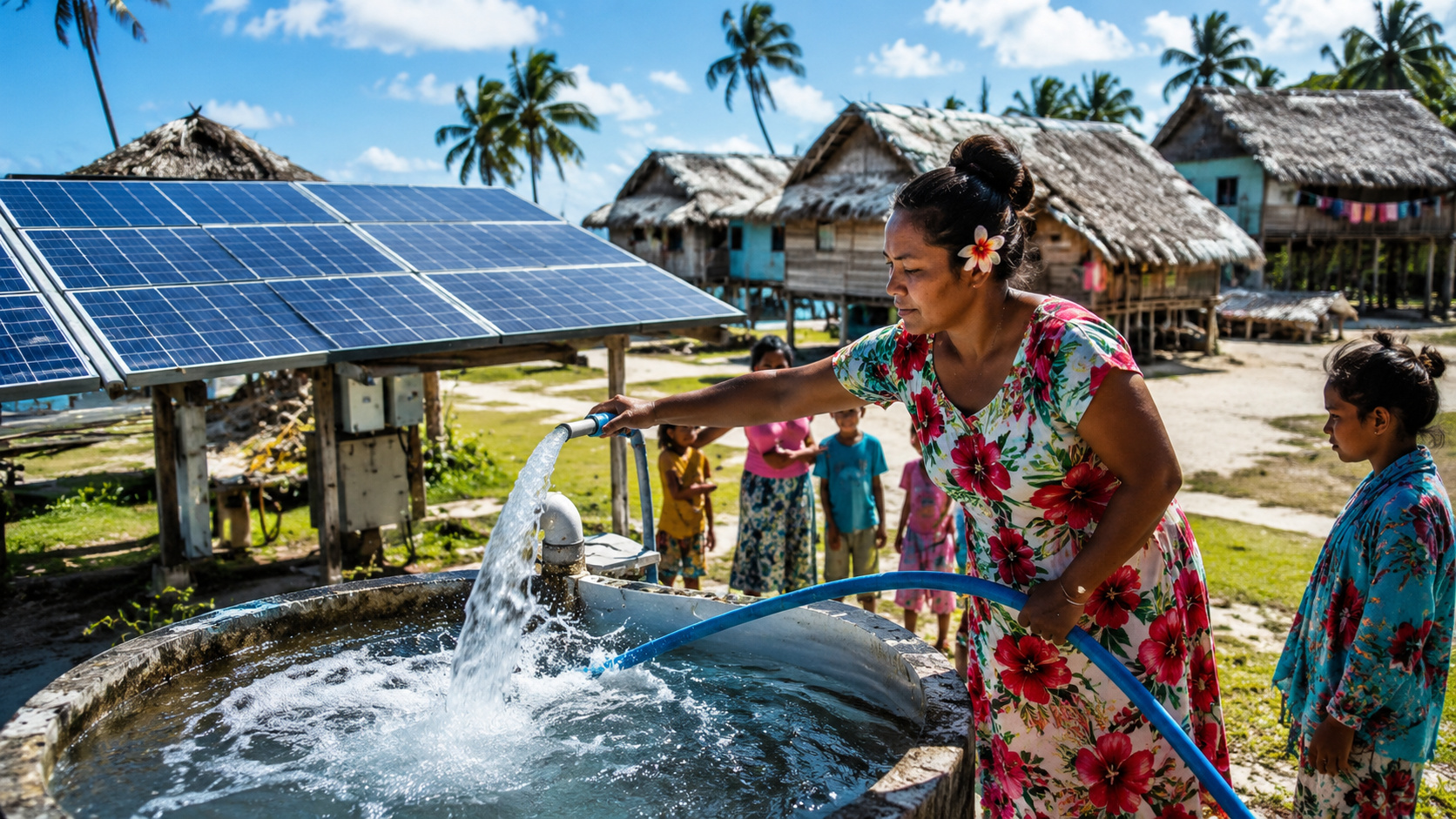
More than 1,000 residents of a remote island in Kiribati now have clean water and electricity with solar systems operated by the community itself.
-
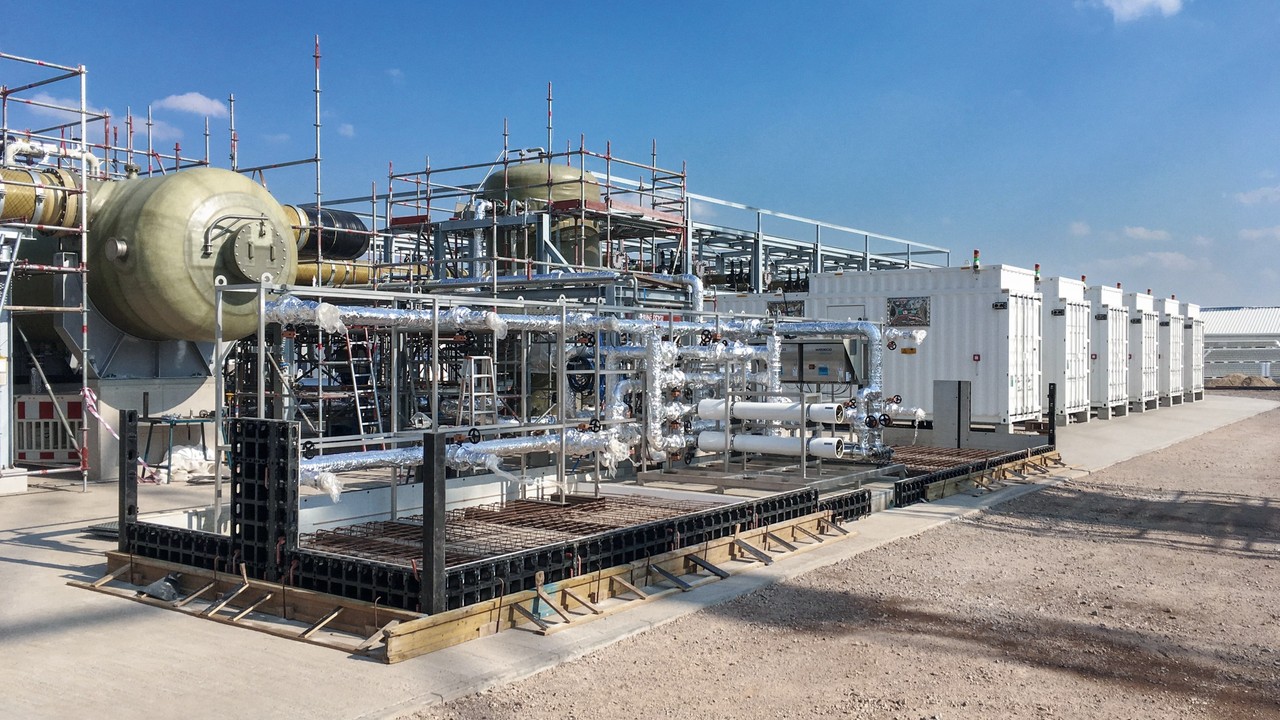
Ceará brings together 7 giants and R$ 66 billion to transform Pecém into the largest green hydrogen hub in Brazil, with final decisions expected by the end of 2026.

Based on 40 years of data analysis, including wind strength, water depth, and tide, Samsung developed an optimized design that ensures safety in extreme marine environments.
Samsung began developing the floater model with offshore wind turbines in October of last year, before completing testing of the floating water tank model at the Korea Research Institute of Ships and Ocean Engineering (Kriso) in March, alongside classification societies, government agencies, and other partners.
Samsung Promotes Sustainability with Investments in Offshore Wind Energy
According to the head of Samsung Heavy Industries’ technology department, Ho-Hyun Jung, the global movement to combat climate change has been growing exponentially, resulting in high demand for renewable energy technologies, such as offshore wind energy.
Therefore, it is expected that this platform with floating offshore wind turbines will help combat climate change. Samsung claims that it bases its designs on floating oil drilling platforms.
The goal is to suppress future demand for this type of renewable energy by developing a competitive model, leveraging its land engineering capabilities.
Get to Know Samsung Heavy Industries
Samsung Heavy Industries was founded in 1974 and is a subsidiary of the South Korean conglomerate. It is one of the largest shipyards in South Korea and also became a manufacturer of wind turbines in 2013.
The company operates three industrial plants in South Korea: Goeje Shipyard, Daeduk R&D, and Pangyo R&D Center, as well as two additional plants overseas. SHI builds passenger ships, cargo ships, and FPSOs aimed at oil exploration. In the late 1980s, it began producing vehicles, starting with forklifts, and in 1993 initiated the production of trucks and electric car prototypes.

Graduated in Journalism and Marketing, he is the author of over 20,000 articles that have reached millions of readers in Brazil and abroad. He has written for brands and media outlets such as 99, Natura, O Boticário, CPG – Click Petróleo e Gás, Agência Raccon, among others. A specialist in the Automotive Industry, Technology, Careers (employability and courses), Economy, and other topics. For contact and editorial suggestions: valdemarmedeiros4@gmail.com. We do not accept resumes!