





 Portuguese
  English
  Spanish
 6 min of reading
  0 comments


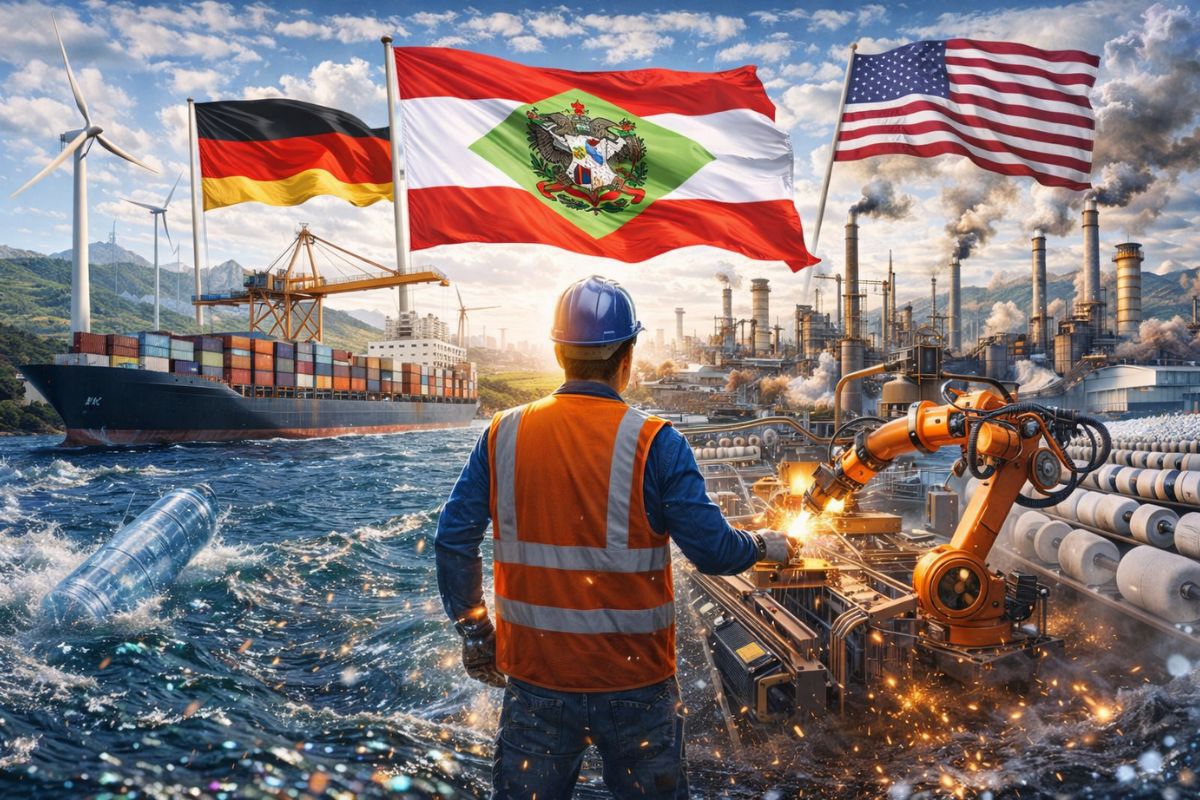
With the second most competitive industrial structure in Brazil and exports exceeding US$ 11 billion, Santa Catarina consolidates a model where family-rooted industries, cutting-edge technology, startups, and community universities have transformed a state that occupies just over 1% of the national territory into an exporting powerhouse that sells to more than 200 destinations worldwide.
Santa Catarina is a state that defies proportions. It occupies just over 1% of Brazilian territory but houses one of the most diversified and competitive industrial structures in the country, with sectors that produce up to seven times more than they consume, such as the textile industry. In 2025, the state closed as the third fastest-growing economy in Brazil, with trade and industry advancing three times above the national average, and exports reaching historical records in meats, electric motors, and wood products.
What makes the case of Santa Catarina unique is the origin of the companies that drive this machinery. They are not transplanted multinationals. They are root industries, founded by grandparents and great-grandparents of European immigrants, who modernized over generations and today compete on equal footing with Germany and the United States. Gilberto Seleme, president of the Federation of Industries of the State of Santa Catarina (FIESC), summarizes: the industrialist from Santa Catarina is integrated into society alongside the university, SENAI, and class associations. The employee feels part of the community.
Root industries: how century-old companies from Santa Catarina conquered the world

The industrial history of Santa Catarina is intertwined with the history of the families that colonized the state. In cities like Joinville, Blumenau, Brusque, and Jaraguá do Sul, the founders of the largest industries were German, Italian, and other European immigrants who brought trades, technical discipline, and long-term vision.
-
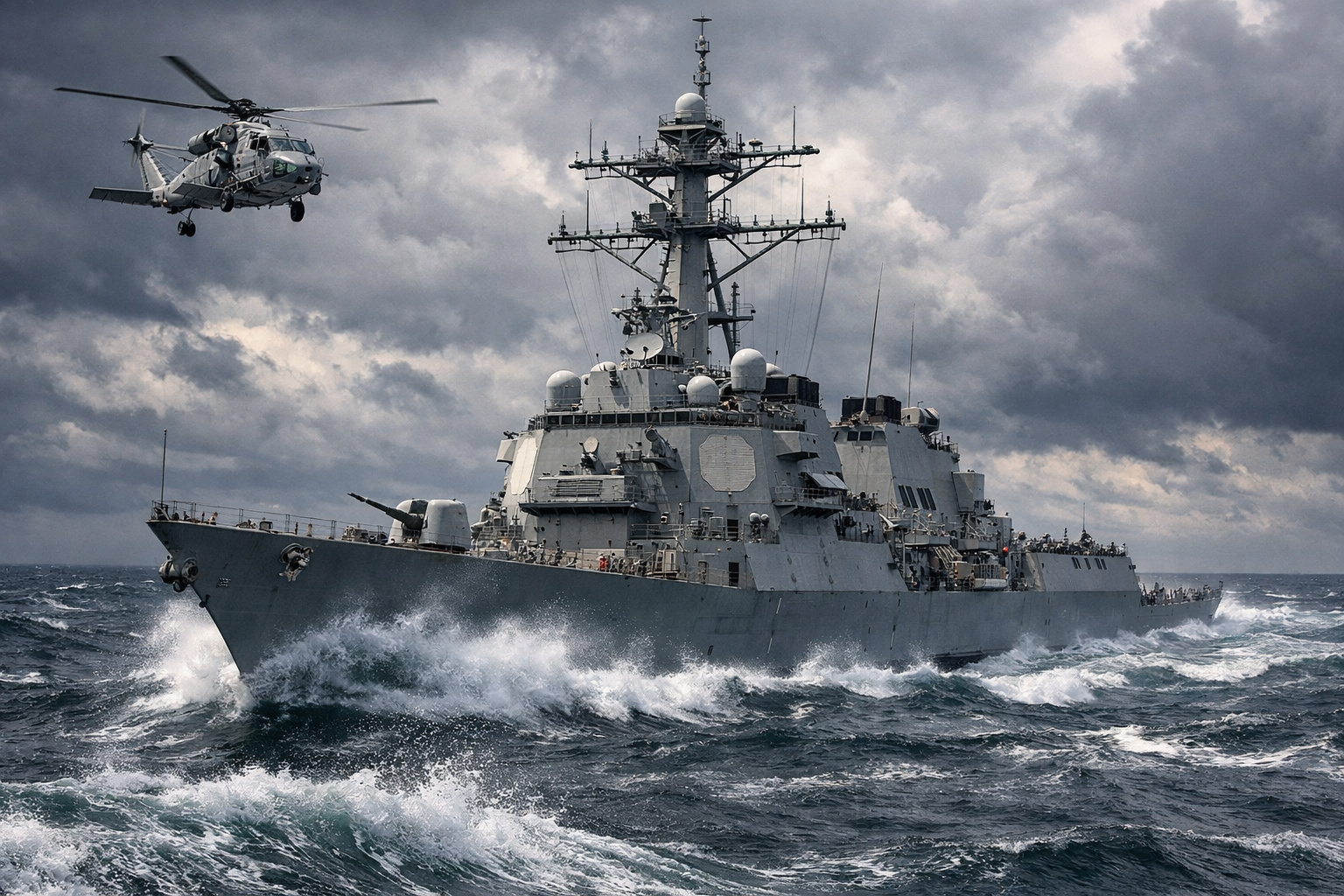
U.S. war giant weighing 9,600 tons and equipped with long-range missiles is sent to the Atlantic to protect global internet and hunt submarines.
-
Storms on Jupiter are up to 100 times more powerful than on Earth and reveal extreme phenomena that challenge everything we know about weather.

-
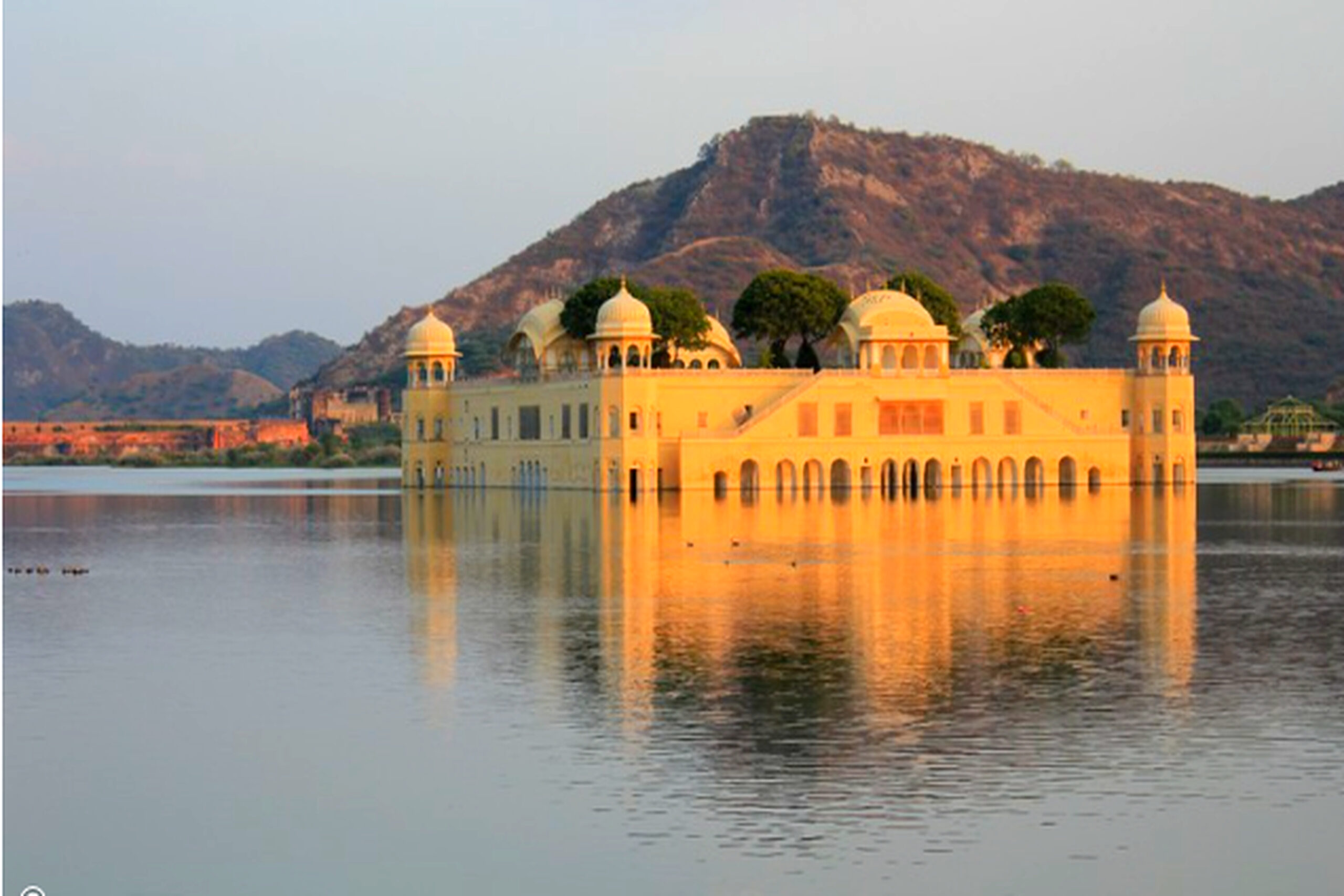
With five floors, the building made of red sandstone, marble, and limestone surprises with its strength, appears to float, and remains stable even when submerged in water, thanks to its hydraulic engineering.
-
Brazilians are no longer welcome in these countries, even with valid passports.


Companies like WEG, Embraco, Hering, Tupy, and Marisol were born from the work of a founder who planted the seed, and subsequent generations transformed it into a global operation.
This model created what Seleme describes as “native industries”—companies that have deep roots in the community where they operate.
The industrialist from Santa Catarina is not a distant investor; he participates in university councils, integrates into local class associations, and is present in the daily life of the city. This integration between factory and community creates a sense of belonging that reflects in the quality of production and the ability to innovate without losing identity.
The result is visible in the numbers. In 2024, Santa Catarina exported to more than 200 destinations across all continents. The United States was the main buyer, with US$ 1.74 billion in products from Santa Catarina, followed by China (US$ 1.27 billion), Mexico, Argentina, and Japan.
The export agenda is diverse: it ranges from poultry and pork meats to electric motors, compressors, furniture, and textile products—all manufactured by industries that were born from the families of Santa Catarina.
The second most competitive industrial structure in Brazil: what the numbers say about Santa Catarina
The Industry Competitiveness Atlas, developed by the FIESC Observatory, classifies the productive structure of Santa Catarina as the second most competitive in the country, with an index of 0.167, nearly tied with São Paulo, which leads with 0.168. Sector diversification and regional specialization are pointed out as structural characteristics that differentiate the Santa Catarina model.
In practice, this means that almost every city in Santa Catarina has at least one relevant industry in some segment. Joinville concentrates metallurgy, mechanics, and compressors; Blumenau and Brusque dominate the textile sector; the West leads in the meat agro-industry; Criciúma and the region have ceramics; Lages and the highlands have wood. This geographical dispersion avoids dependence on a single hub and distributes income throughout the state.
In January 2026, Santa Catarina generated more than 11,600 formal jobs just in the industry, and for every five new industrial jobs created in Brazil, one was in Santa Catarina. The subsectors that hired the most were clothing manufacturing, food production, and textile products.
Additionally, the state achieved second place nationally in innovation and third in market potential in the States Competitiveness Index—the best positions ever reached since the creation of the indicator.
Florianópolis and startups: how technology connected with the traditional industry of Santa Catarina
If century-old industries are the backbone, technology is the nervous system that is modernizing the entire organism.
Florianópolis has established itself as one of the largest startup hubs in Brazil, and today 7% of Santa Catarina’s GDP comes from technology companies, according to data cited by Seleme. These companies do not operate in a bubble: they directly serve traditional industries, providing automation, management, logistics, and artificial intelligence solutions.
The link between technology and industry in Santa Catarina does not happen by chance. The community universities spread throughout the interior of the state maintain councils with direct participation from industrialists, ensuring that academic training responds to the real demands of the productive sector. Seleme emphasizes that “the academy and industry are walking together” in Santa Catarina—a model that combines scientific research, technical training, and practical application.
This integration has been recognized nationally: the state ranks second in innovation in the ranking of competitiveness among Brazilian states.
Preparing the next generation: the agreement that places 30,000 young people from Santa Catarina within SENAI


One of the biggest challenges for the continuity of the industrial model in Santa Catarina is the training of young labor. Technology is advancing rapidly, and the state needs to ensure that young people are prepared even before entering the job market.
To this end, an agreement between FIESC and the state government opened more than 30,000 spots for high school students to take complementary courses within SENAI, discovering professions and acquiring technical qualifications.
The logic is simple and pragmatic: when the young person finishes high school, they are already ready to work in the industry. Then, they can attend college while already employed and with a solid technical foundation.
The goal is to show the new generation that where there is industry, there is development, and that the factory is a place that offers security and career prospects. It is Santa Catarina’s response to a problem that afflicts all of Brazil: the lack of qualified labor for the industry at a time when the demand for technical professionals is only growing.
The challenges that Santa Catarina needs to overcome to maintain global competitiveness
Despite the impressive performance, Santa Catarina’s path is not free of obstacles. The cost of Brazil—tax burden, bureaucracy, and deficient infrastructure—continues to be the main barrier cited by industrialists.
Seleme acknowledges that Santa Catarina’s industries are modern and competitive in quality, but that these systemic costs “hinder a bit” in the competition with foreign competitors who operate under more favorable conditions.
Another challenge pointed out by FACISC is the dependence on a few international markets, especially the United States, which is the largest buyer of Santa Catarina products and imposed trade tariffs that affected exporters in 2025.
Basic education is also a concern: Santa Catarina has fallen in the educational ranking in recent years, and the quality of elementary education is the foundation of the entire professional training chain. The population growth above expectations puts pressure on housing and urban infrastructure, making it more difficult to attract and retain qualified labor—a resource that is already scarce.
The Santa Catarina model: when industry has roots, competitiveness has a future
What Santa Catarina has built over more than a century is not easily replicated. It is an ecosystem where century-old family industries coexist with technology startups, where universities train professionals tailored to the productive sector, and where the industrialist lives in the same city as the factory.
This rooting creates a culture of belonging and commitment that explains why the state produces so much, exports so much, and continues to attract billion-dollar investments.
With more than R$ 32 billion in private investments driven since 2023 and more than 118,000 projected jobs, Santa Catarina shows that it is possible to be globally competitive without losing local identity—competing with Germany and the United States while honoring the heritage of the grandparents and great-grandparents who founded the first factories.
With information from the Channel TIMES BRASIL – EXCLUSIVE LICENSED CNBC
Do you know any family industry in Santa Catarina that has crossed generations? Do you work in one of them or in a startup that serves the industrial sector? Tell us in the comments what this reality looks like up close.





Seja o primeiro a reagir!