





 Portuguese
  English
  Spanish
 3 min of reading


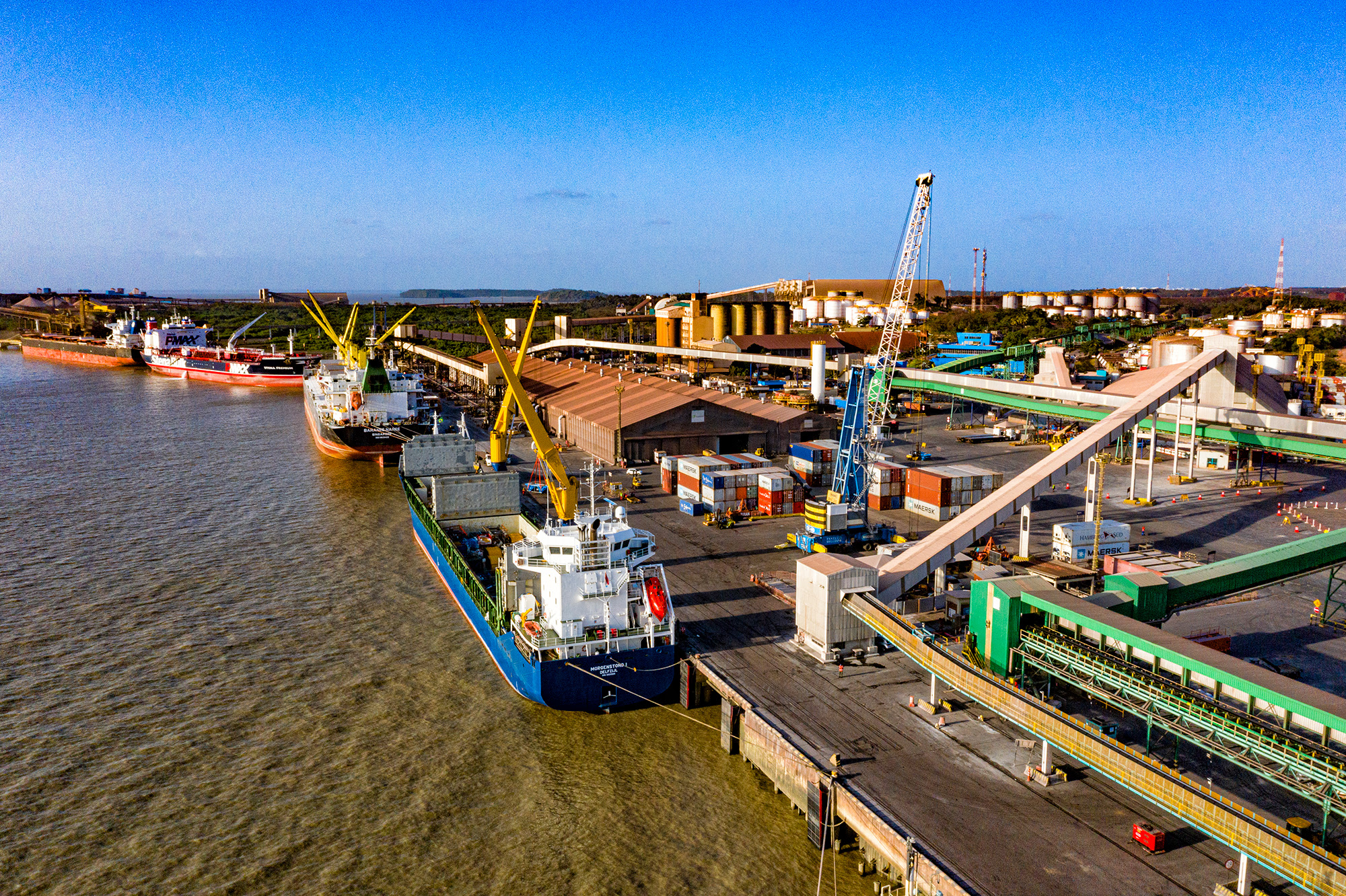
The Infrastructure Project of Santos Brasil at the Port of Itaqui Will Include the Expansion of Two Terminals and the Construction of a New Area Over the Next Few Years. With More Than R$ 500 Million Expected in Investment, the Company Aims to Grow in the National Market.
The Port of Itaqui, located in the state of Maranhão, is now preparing for a strong infrastructure expansion initiative. This is because Santos Brasil is launching a project to expand and construct new terminals for liquid bulk in the complex. The company will invest R$ 500 million and aims to increase its presence in the port sector with the handling of cargoes such as fuels.
After ANP Authorization for Terminal Project, Santos Brasil Prepares for New Investment at the Port of Itaqui in the Coming Years
Santos Brasil has been heavily investing in expanding its presence in the port market and in new profitable businesses in the national market.
Now, after the National Agency of Petroleum (ANP) granted the necessary authorization to operate one of the three terminals auctioned off in April 2021, in an auction held by the federal government, the company is moving forward with its project at the Port of Itaqui.
-
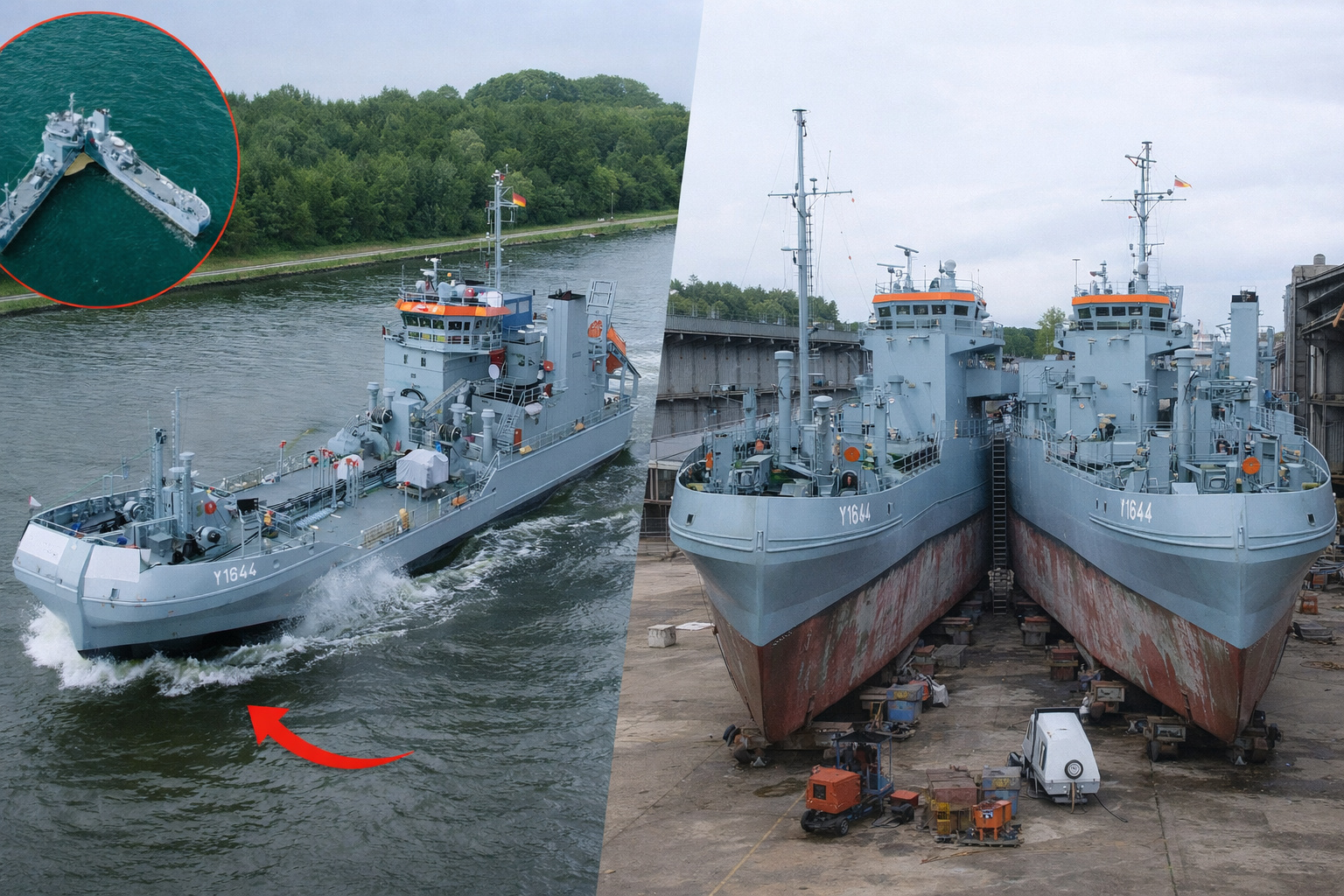
The German ship Bottsand splits its hull in two halves in the middle of the ocean to swallow spilled oil on the surface, separating the oil from the water inside a 790 cubic meter tank and then closing again. It is the only ship in the world factory-designed to split in half as part of normal operations, and the crew of six people who operate everything is civilian.
-
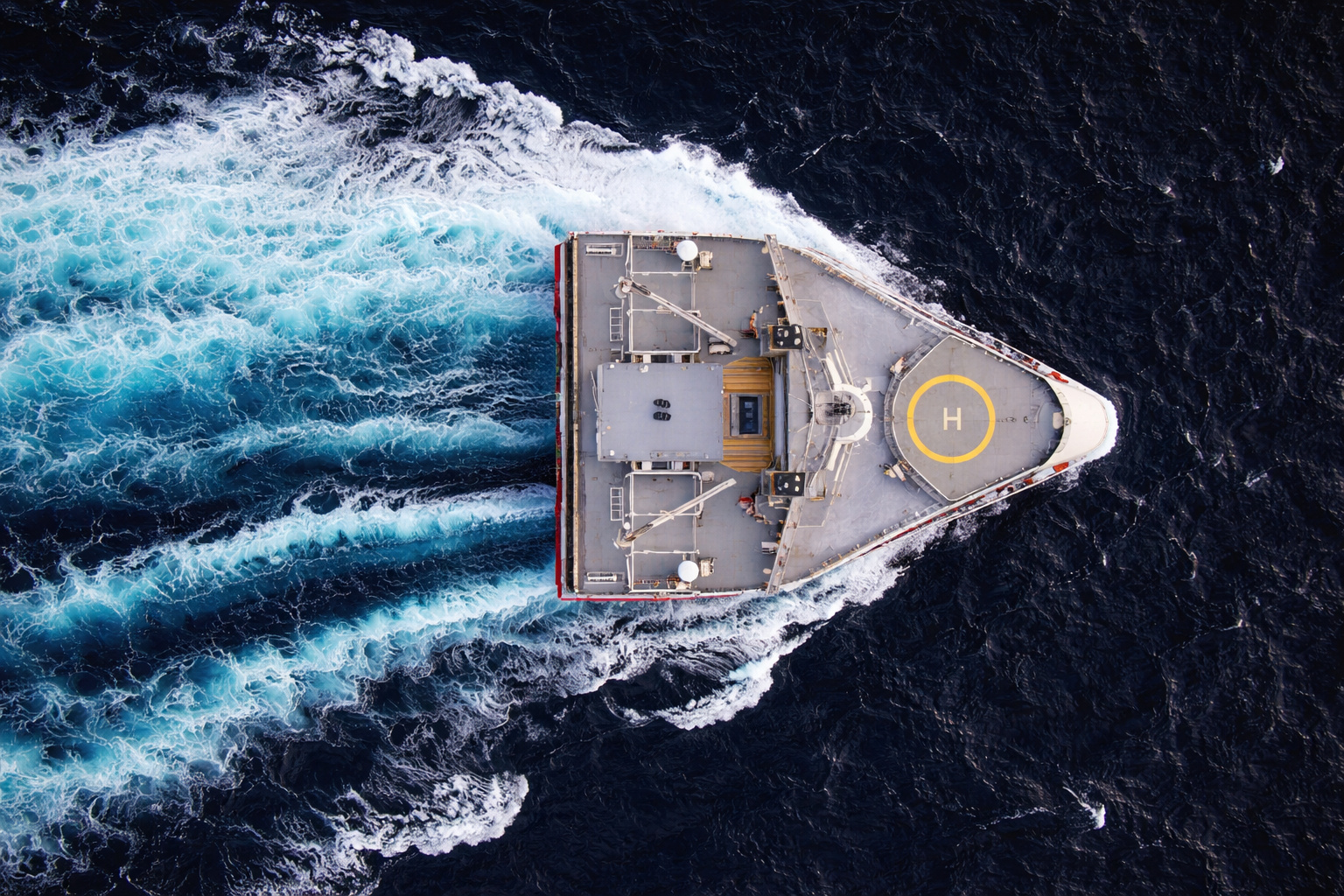
With almost 70 meters in width at the stern and a shape resembling a “giant slice of cheese,” the Ramform Titan tows up to 24 seismic cables to sweep the ocean floor in 3D and reveal oil reserves hidden beneath kilometers of sediment.
-
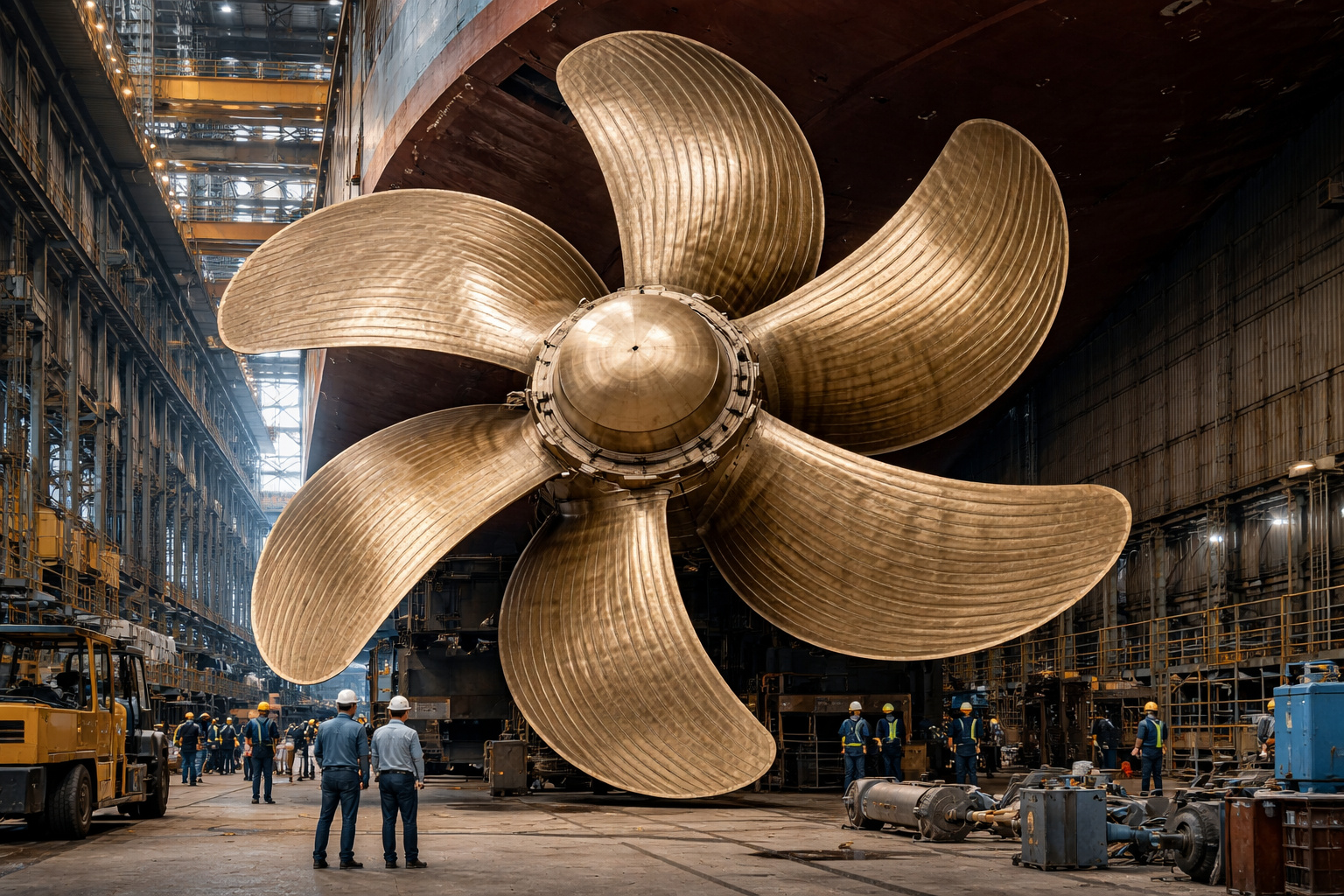
How a 131-ton, 11-meter propeller supports 90% of global trade and transforms the largest container ships on the planet.
-
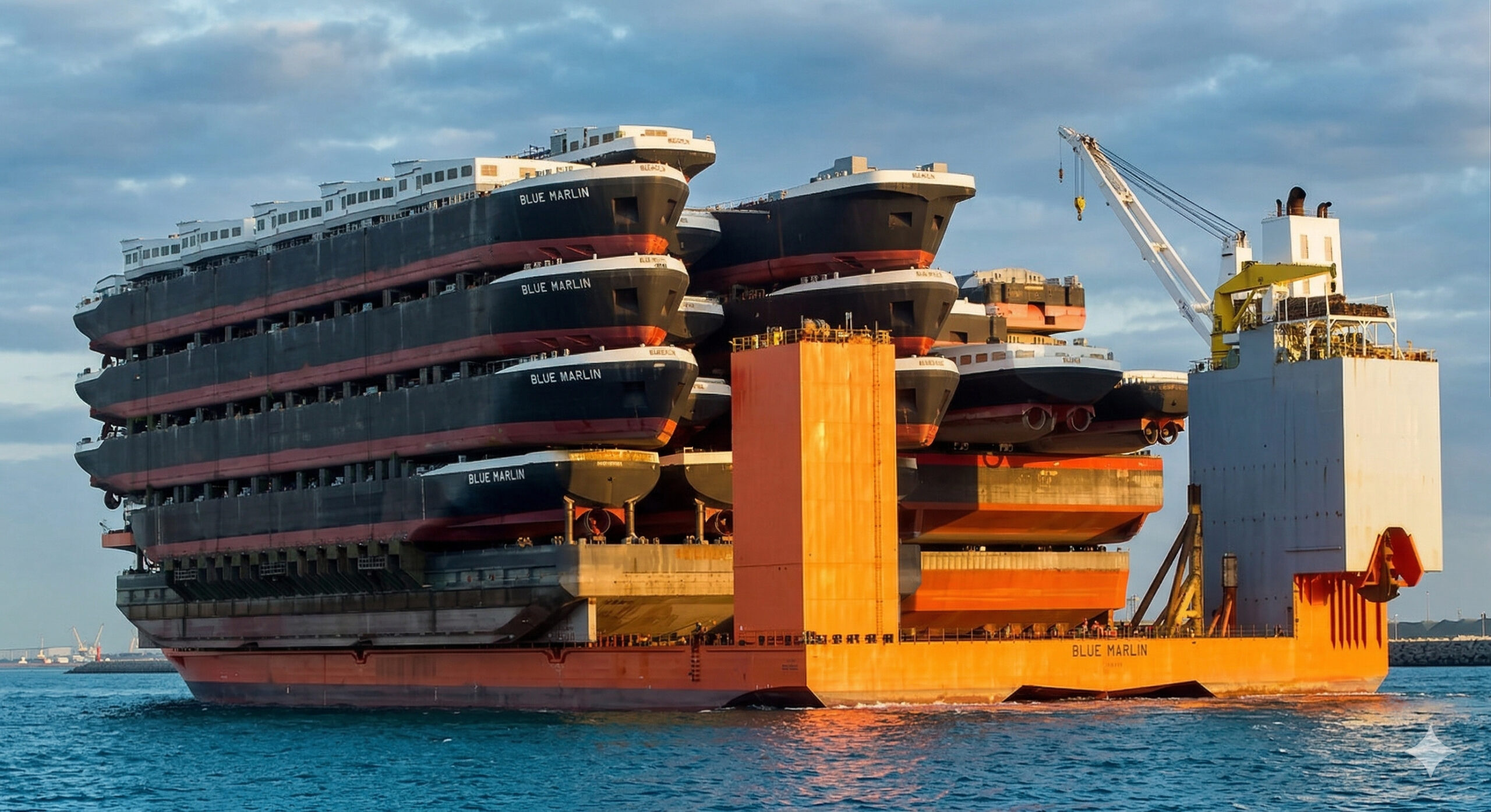
With a length of 225 meters and a capacity of 76 thousand tons, this ship “sinks” its own deck down to 28 meters deep to accommodate war destroyers, oil platforms, and giant radars floating above, and then emerges with everything intact on top like a colossal tray crossing oceans.

The main objective of the company’s new business is to increase its capacity to handle products focusing on the liquid bulk that pass through the Maranhão complex daily.
Thus, terminals TGL 1 and TGL 3 will undergo renovations with investment in expanding the infrastructure, while the company prepares to finalize the construction of a third terminal by the year 2023 and inaugurate it in the first few months.
The investment will be R$ 500 million and in the terminals that will undergo the expansion project, Santos Brasil will double the nominal capacity with tanking works.
In this way, at TGL 1, the nominal capacity will increase from 34,000 m³ to 66,000 m³, while at TGL 3, the capacity will jump from 20,000 m³ to 50,000 m³.
Finally, the third terminal, which will be inaugurated next year, will have a nominal capacity of 85,000 m³, distributed across 12 tanks.
The company’s focus will be on fuels, such as diesel, gasoline, and biofuels, the main products of the oil and gas sector that currently pass through the Port of Itaqui.
Investment in the Port of Itaqui Project Is Santos Brasil’s Main Bet to Diversify Its Presence in the National Market
The half-billion reais project at the Port of Itaqui terminals will set a new course for Santos Brasil to expand its presence in the port and fuel market in Brazil.
“We understood that it was necessary to diversify to grow. The opportunity was very good. With drafts reaching up to 19 meters deep and connections to competitive railways, Itaqui is a strategic corridor through which we will serve agribusiness in the Midwest,” highlighted Carlos Quinteiro, director of Liquid Bulk at Santos Brasil.
To that end, the first step taken by the company was the hiring of a team fully focused on the fuel market in Brazil.
This way, they managed to outline a clear objective for the new terminals in the company’s project at the Port of Itaqui, ensuring more security in Santos Brasil’s investment.
In the coming weeks, the company intends to start operations at TGL 3, while the ANP is expected to grant authorization for the company to operate TGL 1.
Finally, the continuation of the construction of TGL 2 depends on an installation license from the Secretary of the Environment and Natural Resources of the state of Maranhão.








Seja o primeiro a reagir!