





 Portuguese
  English
  Spanish
 5 min of reading
  0 comments


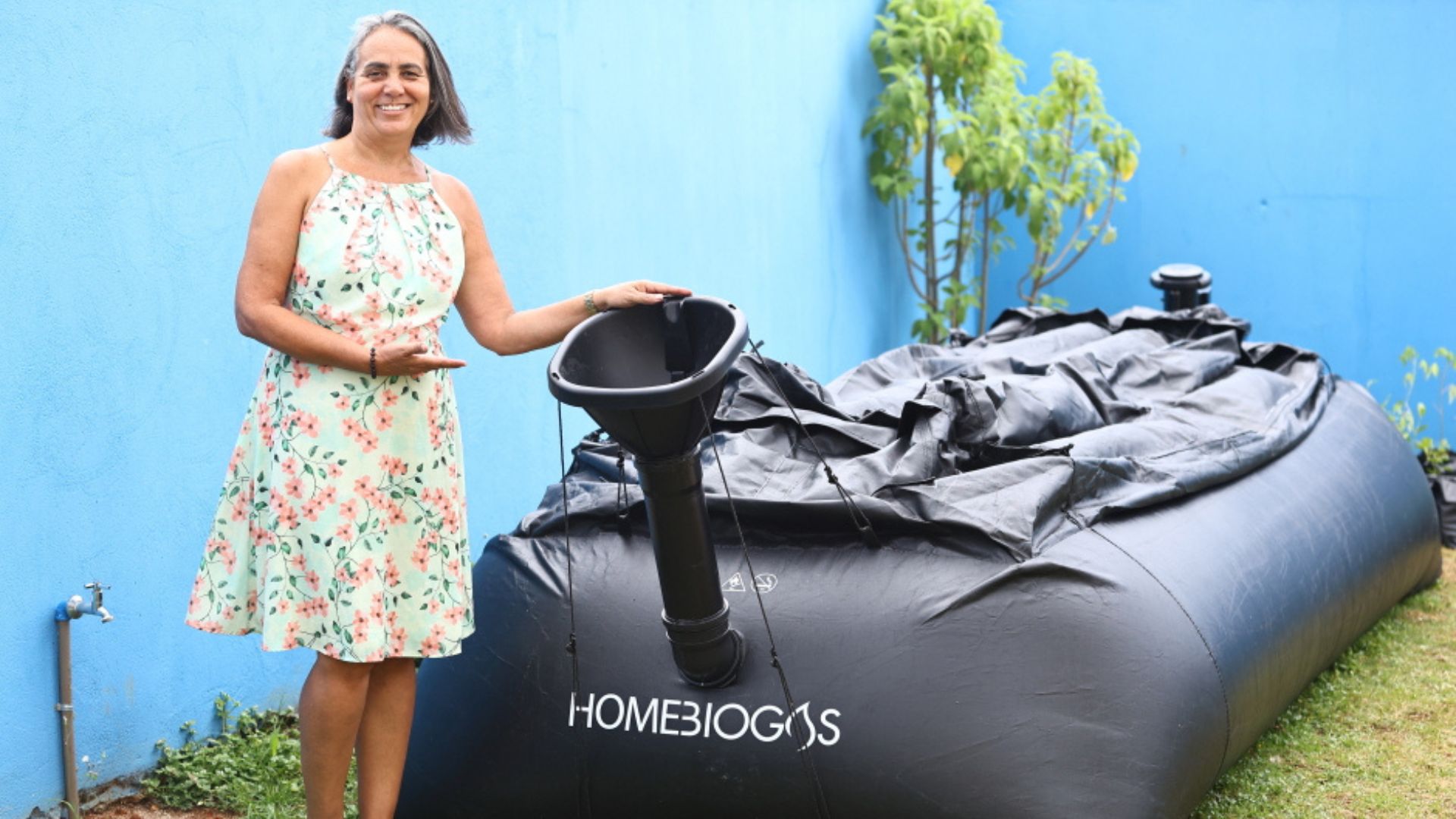
São José dos Campos Advances in Innovation by Integrating Municipal School with a Biogas Plant, Converting Organic Waste into Renewable Energy and Strengthening Environmental Education
São José dos Campos inaugurated, this Thursday (15), the first biogas plant installed in a municipal school, consolidating a significant advance in the municipality’s environmental and educational policy. According to a statement made by the municipal government, the initiative, implemented at Cedin Prof.ª Dejanira Moreira Machado dos Santos, in the Setville neighborhood, allows the transformation of organic waste into renewable energy, natural fertilizer, and practical learning for early childhood children.
São José dos Campos Inaugurates Biogas Plant in Municipal School
The project is developed by the São José dos Campos City Hall, through the Urbanism and Sustainability and Education and Citizenship departments, in partnership with the company Home Biogas.
The action also has the support of the Consulate of Israel in Brazil, responsible for donating the first batch of equipment. The initiative combines technological innovation, sustainability, and environmental education, reducing waste sent to landfills and strengthening environmental awareness from childhood.
-
Technology giant breaks global sustainability records: How Amazon’s leadership in renewable energy procurement transformed the global energy market in the past year.
-
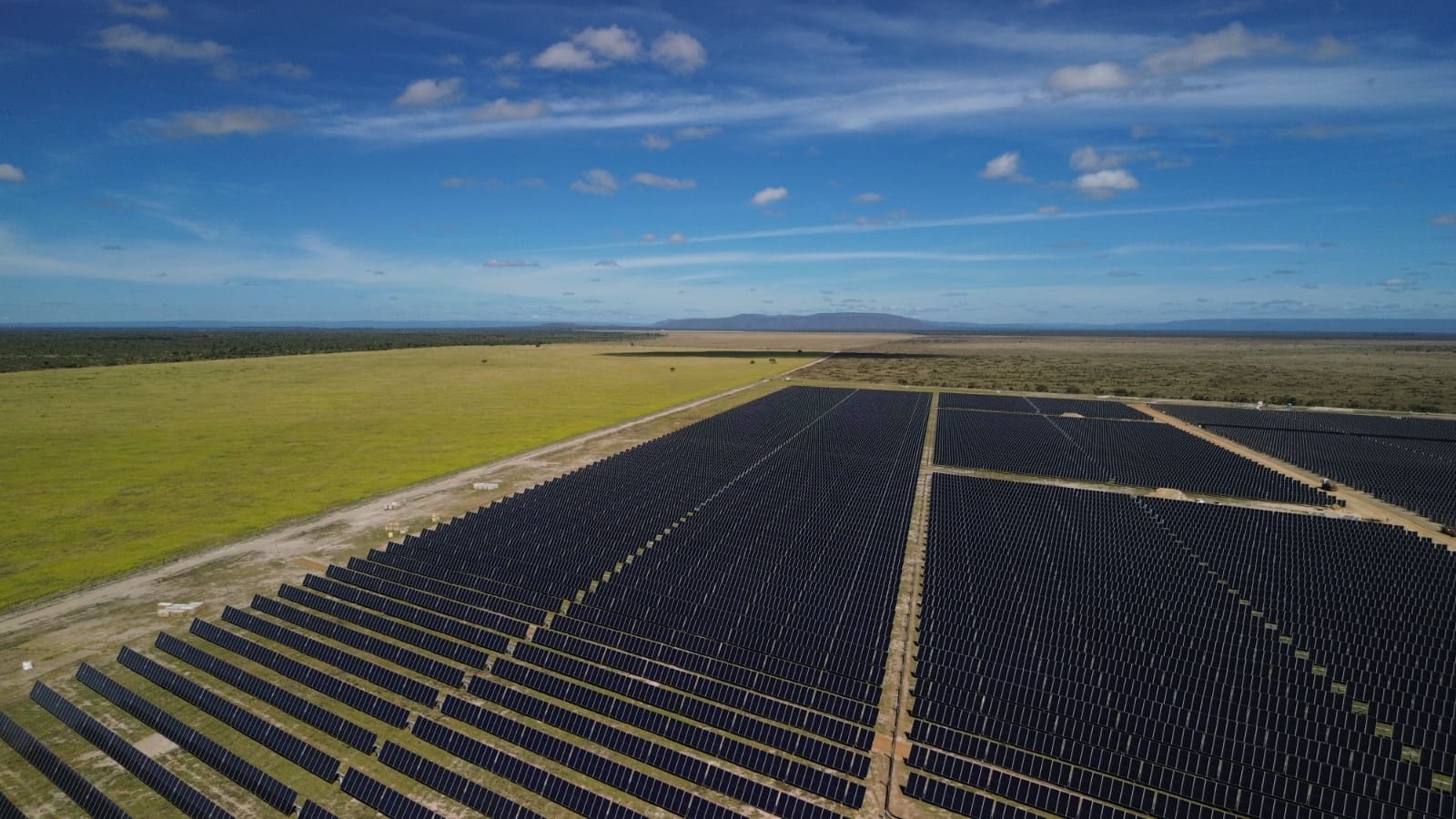
Alert in the electric sector: Atlas Renewable Energy confirms billion-dollar investment and Brazil risks losing a share of the new investment in Latin America to neighboring countries.
-
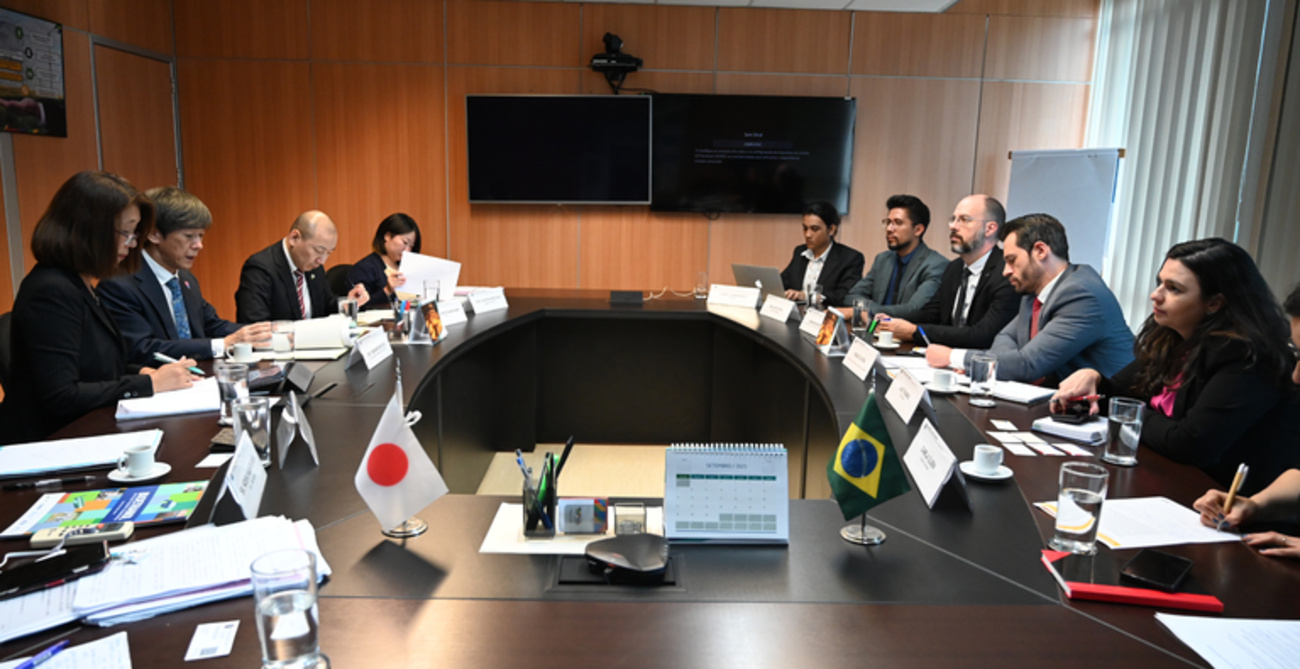
Billion-dollar partnership in clean energy: The advancement of decarbonization in Japan opens doors for Brazil to become the world’s largest supplier of green hydrogen and ammonia.
-
Understand how thermal security has become a key element in the energy transition by ensuring a balance between intermittent renewable energies and thermal sources capable of sustaining the electrical system during critical moments.


The installation of the biogas plant in a municipal school represents a milestone for São José dos Campos, integrating waste management, renewable energy production, and environmental education into a single project. The biodigester installed in the Setville unit is already capable of receiving food scraps, plant waste, and grass clippings produced daily by the school itself.
These materials undergo a controlled biological process that results in the production of biogas and organic fertilizer. As a result, the municipality reduces the amount of waste sent to landfills while promoting sustainable solutions in the school environment. It is a practical, replicable initiative with measurable environmental impact.
International Technology Strengthens the Biogas Plant in Municipal School
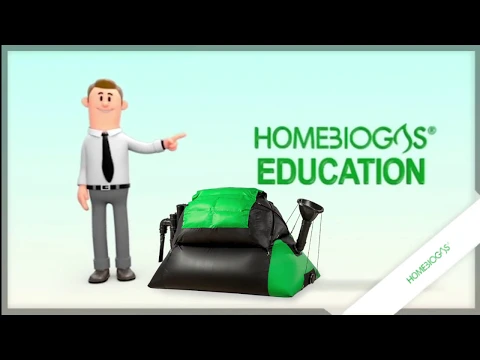
The biogas plant installed follows Israeli technology, present in more than 100 countries. The partnership with Home Biogas not only ensures the installation of equipment but also technical support for a period of three years, ensuring efficiency and safety in operation.
According to Leandro Toledano, CEO of Home Biogas in Brazil, each biodigester has the capacity to process up to 10 kilograms of organic waste per day. This volume generates, on average, the equivalent of 2.5 residential gas canisters, in addition to natural fertilizer. The production of renewable energy occurs continuously and appropriately for the educational environment, without risks to the school community.

Expansion of the Biogas Plant in São José dos Campos
The project inaugurated in São José dos Campos was designed to scale up. The first batch consists of 10 biodigesters donated to the municipality by the Consulate of Israel in Brazil. The target presented is to reach up to 100 units installed in early childhood schools by the end of the year, expanding the environmental and educational reach of the initiative.
In addition to Cedin Prof.ª Dejanira Moreira Machado dos Santos, other schools in the municipal network are already confirmed to receive the biogas plant, including units located in Vila Tesouro, Jardim Jussara, Alto da Ponte, and Jardim São José. The municipality already has experience with the technology, as it maintains three biodigesters in operation, one of which is installed at the Zoonoses Control Center.
Renewable Energy and Environmental Education in the Municipal School
More than generating renewable energy, the biogas plant was conceived as an educational tool. In the environment of the municipal school, the biodigester integrates educational activities, allowing children to playfully follow the complete cycle of reusing organic waste.
According to Erika Castilho, the director of the Setville unit, the proposal involves the entire school community. Teachers, kitchen staff, and other professionals undergo training, while students actively participate in the process. Learning happens in practice, with accessible language appropriate for the age group.

Sustainability Experienced by Children in São José dos Campos
The practical experience is one of the main differentiators of the project. Children learn how the organic waste from school meals can be reused, feeding the biogas plant and resulting in renewable energy and natural fertilizer. This direct contact strengthens concepts such as environmental responsibility, conscious consumption, and circular economy.
According to the school administration, students are already participating in projects like the school garden, taking this knowledge home and influencing family habits. The expectation is that the biodigester will spark even more curiosity and engagement, broadening the reach of environmental education beyond the municipal school walls.
Seedling Nurseries Complement the Biogas Plant in Schools
In addition to the installation of the biogas plant, the project provides for the delivery of a seedling nursery for each participating municipal school. The proposal includes the annual planting of 60 trees per unit, reinforcing urban reforestation and environmental recovery actions.
Children follow all stages of the process, from planting to caring for the seedlings. In this way, São José dos Campos integrates the generation of renewable energy, waste reuse, and urban greening into a single educational and sustainable cycle.
Waste Management and Environmental Benefits for São José dos Campos
The adoption of the biogas plant directly contributes to the improvement of urban solid waste management. By preventing food scraps and plant waste from being discarded in landfills, São José dos Campos reduces emissions associated with the transport and decomposition of these materials.
The organic fertilizer produced can be used in school gardens, lawns, and green areas, closing the reuse cycle. The municipal school becomes a space for environmental innovation, with concrete benefits for the municipality and for the formation of future generations.
Biogas Plant Project Aligned with Global Sustainability Goals
The initiative is aligned with the goals of the United Nations, especially the Sustainable Development Goals related to quality education, clean and affordable energy, sustainable cities, and responsible consumption.
By investing in renewable energy through the biogas plant, São José dos Campos reinforces its commitment to integrated public policies that unite technology, education, and environmental preservation. The project contributes to improving the quality of life and to sustainable development in public management.
Education, Renewable Energy, and a Sustainable Future in São José dos Campos
The implementation of the first biogas plant in a municipal school solidifies São José dos Campos as a reference in environmental innovation applied to education. The project transforms waste into renewable energy, fertilizer, and learning opportunities, while stimulating children’s leadership and the involvement of the school community.
By uniting international technology, public policies, and environmental education, the municipality advances in forming more aware citizens prepared for the environmental challenges of the future. The initiative demonstrates that sustainability can be taught, experienced, and multiplied from childhood, generating lasting positive impacts for the city and the environment.






-

3 pessoas reagiram a isso.