





 Portuguese
  English
  Spanish
  3 min of reading
  0 comments


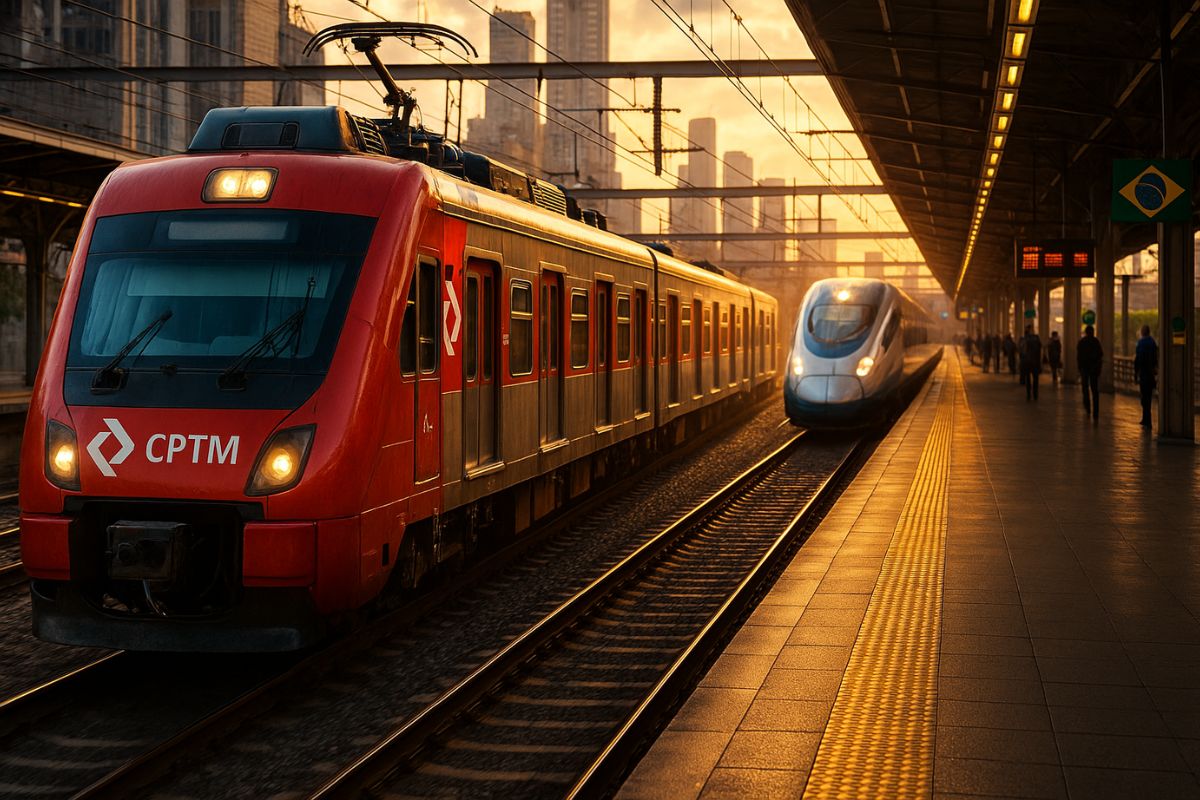
With Investment of R$ 14.2 Billion, São Paulo Adopts European Technology to Integrate CPTM Lines, Reduce Train Intervals and Enable Brazil’s First Medium-Speed Train.
The São Paulo government confirmed that São Paulo adopts European technology in 2025 as the new standard for railway signaling. The ETCS (European Train Control System) will be implemented to integrate CPTM lines, reduce train intervals, and prepare for the arrival of the Intercity Train, in a project totaling R$ 14.2 billion in investments, according to the portal O Antagonista.
For specialists, this decision is a turning point in rail transport in Brazil, as it ensures greater safety, increased capacity for integration, and creates the technological foundation necessary for the debut of medium-speed trains.
How European Technology Adopted in São Paulo Works
The ETCS is a railway control and signaling system that unifies communication between lines, allowing a train to run on different branches without manual adjustments.
-
In A European City, The Country’s Largest Railway Junction Was Modernized Without Closing Its Doors, Kept Trains Running During Years Of Construction, Now Serves Up To 60,000 Passengers Per Day, And Installed Solar Panels That Generate About 30% Of Its Energy
-
Famous Brazilian Railway May Become a Parking Lot
-
The Country of “Punctual As a Train” Admits It Has Lost Control: High-Speed Trains Delay, Stop, Disappear from the Map and Turn 6-Hour Trips into 10, While Deutsche Bahn Promises Restructuring in 2026 But Faces 19th Century Infrastructure, Staff Shortages and Sections Closed for Months
-
With an Investment of R$ 700 Million in One of the Country’s Main Rail Networks, VLI Reinforces Infrastructure, Receives 8 New Locomotives, and Expands the Corridor Connecting 7 States, Boosting Jobs and the Transportation of Grains, Ore, and Oil Products to the Port of Santos
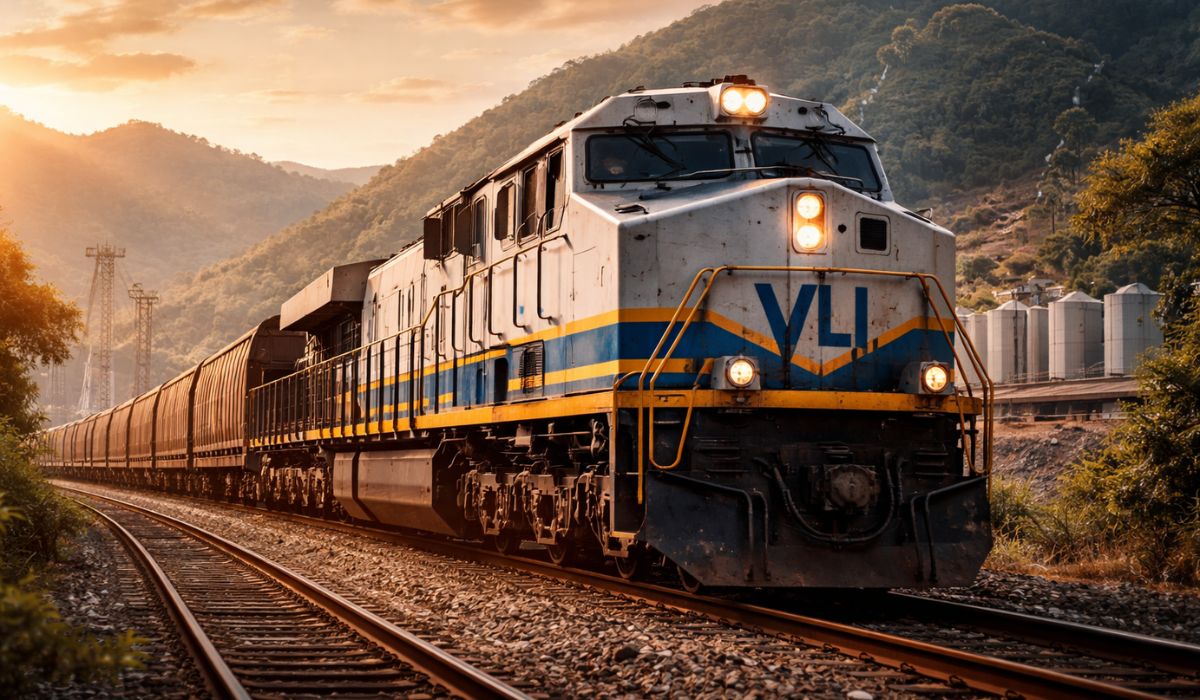

As a result, the CPTM network gains unprecedented interoperability and operational flexibility.
According to the state secretary for Partnerships, Rafael Benini, the model will allow lines such as 7-Rubi, 10-Turquesa, 11-Coral, and 8-Diamante to operate in an integrated manner, expanding the number of trains and reducing wait times.
São Paulo adopts European technology to align its railway system with international standards of efficiency.
Billion-Dollar Investments and Historic Auction
The auction held in February 2024 granted Line 7-Rubi, the Intercity Train (TIC), and the Intermunicipal Train (TIM) to the consortium C2 Mobilidade Sobre Trilhos, with an estimated investment of R$ 14.2 billion.
Since August 2025, TIC Trens operates Line 7-Rubi under supervision, and starting in November, it will fully take over operation, maintenance, and modernization.
According to O Antagonista, this is the largest railway modernization package ever implemented in São Paulo, and the ETCS will be the foundation for metropolitan integration and the future operation of the Intercity Train.
Immediate Impact on CPTM Lines
The first changes can already be felt. Starting in August 2025:
Line 10-Turquesa began to integrate directly with Line 7-Rubi at Palmeiras-Barra Funda station, at no additional cost.
Line 12-Safira began operating in a loop between Brás and Calmon Viana, with 4.5-minute intervals during peak hours.
Line 13-Jade reduced intervals to 10 minutes.
These changes show that the modernization schedule is already underway, improving the passenger experience even before the system’s completion.
Intercity Train: The Future of Mobility in São Paulo
The implementation of the ETCS paves the way for the first medium-speed train in Brazil.
The São Paulo-Campinas Intercity Train, scheduled for May 2031, will have 101 km in length, a speed of 140 km/h, and a capacity for 860 passengers, completing the journey in just 64 minutes.
Another parallel project is the Intermunicipal Train, expected in 2029, which will connect Jundiaí to Campinas in 33 minutes, with stops in Louveira, Vinhedo, and Valinhos.
São Paulo adopts European technology precisely to enable the necessary interoperability between these operations.
New Logic of Metropolitan Integration
With the ETCS, the Palmeiras-Barra Funda station already functions as a central hub for connection between lines 7, 10, and 11.
This change compensates for the temporary suspension of Service 710 and decentralizes passenger flow, reducing congestion at stations like Brás and Luz.
In practice, the system transforms CPTM into an integrated network, allowing for greater distribution of demand and shorter intervals, which should benefit millions of daily passengers.
The announcement that São Paulo adopts European technology in 2025 marks a leap in the modernization of Brazilian railway transport.
The ETCS not only improves the efficiency of the current CPTM lines but also paves the way for the arrival of the Intercity Train, connecting São Paulo to Campinas with unprecedented speed and integration.
And you? Do you believe that the investment of R$ 14.2 billion in railway technology will transform mobility in São Paulo, or are operational challenges still an obstacle?
Leave your opinion in the comments; we want to hear from those who use the system every day.










-

Uma pessoa reagiu a isso.