





 Portuguese
  English
  Spanish
 3 min of reading
  0 comments


SP Starts Urban Biogas Supply Focused on Clean Energy and Emission Reduction
On Thursday, September 11, 2025, Presidente Prudente, in the interior of São Paulo, marked a decisive step for the energy transition.
The city inaugurated Brazil’s first urban biogas supply connection.
The initiative was supported by the State’s Department of Agriculture and Supply.
The project places the municipality at the forefront by using renewable gas as a clean alternative.
The main focus is to reduce greenhouse gas emissions.
Production from Sugarcane
The biogas in Presidente Prudente is generated from sugarcane waste.
Among these are bagasse, straw, vinasse, and filter cake.
After the purification process, biogas is transformed into renewable fuel.
This fuel is ready for distribution and use in urban supply.
With over 5.5 million hectares cultivated, São Paulo is the national leader in sugarcane production.
The state reinforces its prominent position in the Brazilian energy matrix.
First Supply at Local Establishment
The inauguration ceremony took place at the Beef Company Steakhouse & Grill in Presidente Prudente.
The establishment received direct supply from the Cocal Plant, located in Narandiba.
In addition to the restaurant, the project plans initial connections at a hotel and a bakery.
This first phase represents just the beginning of the planned expansion.
The network will have a length of 44 kilometers, benefiting around 5,000 residents.
It will also serve approximately 58 commercial establishments.
-
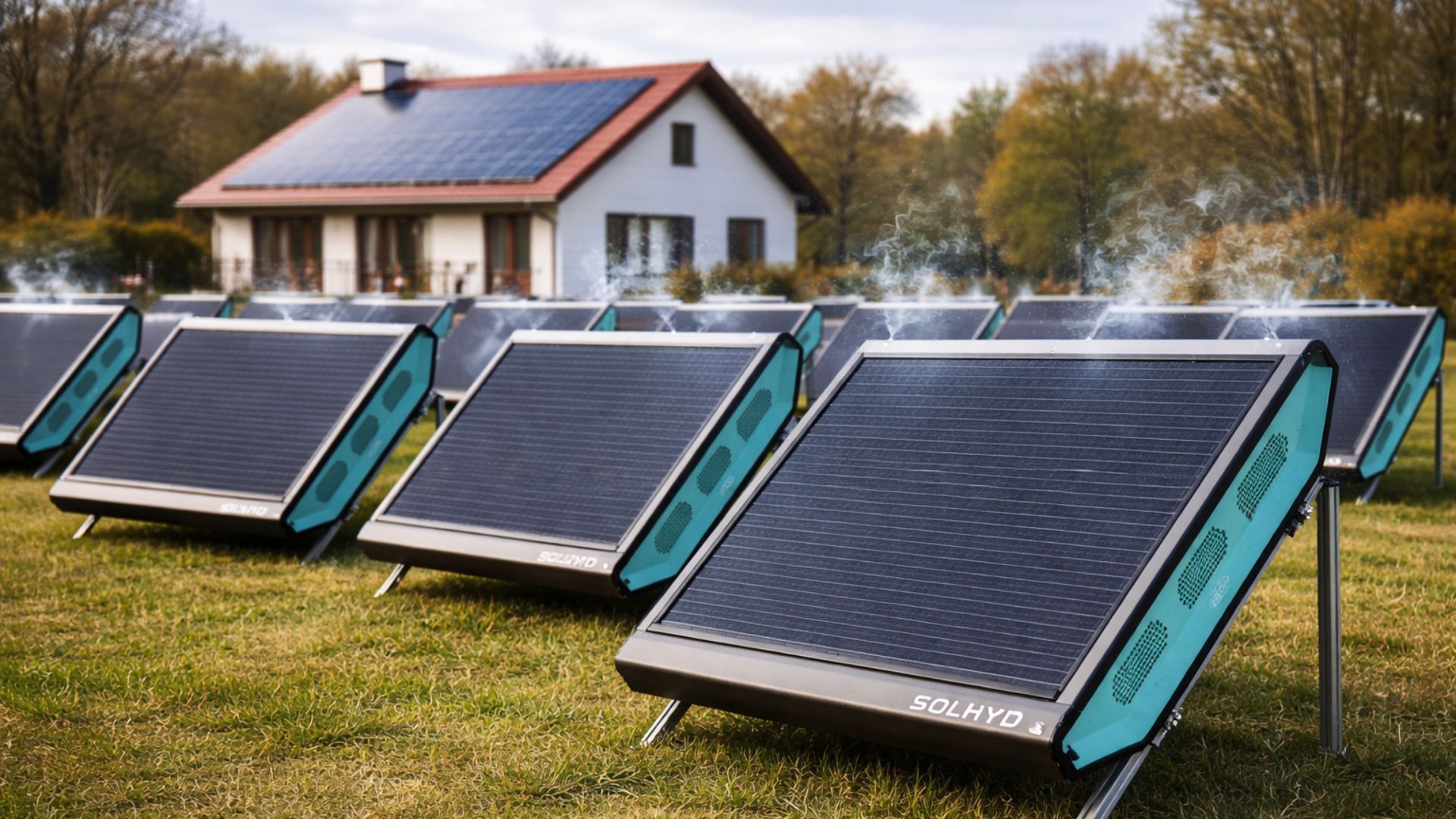
Green hydrogen at home: Belgium launches new technology that makes solar panels produce fuel from the moisture in the air, which could boost the energy transition.
-
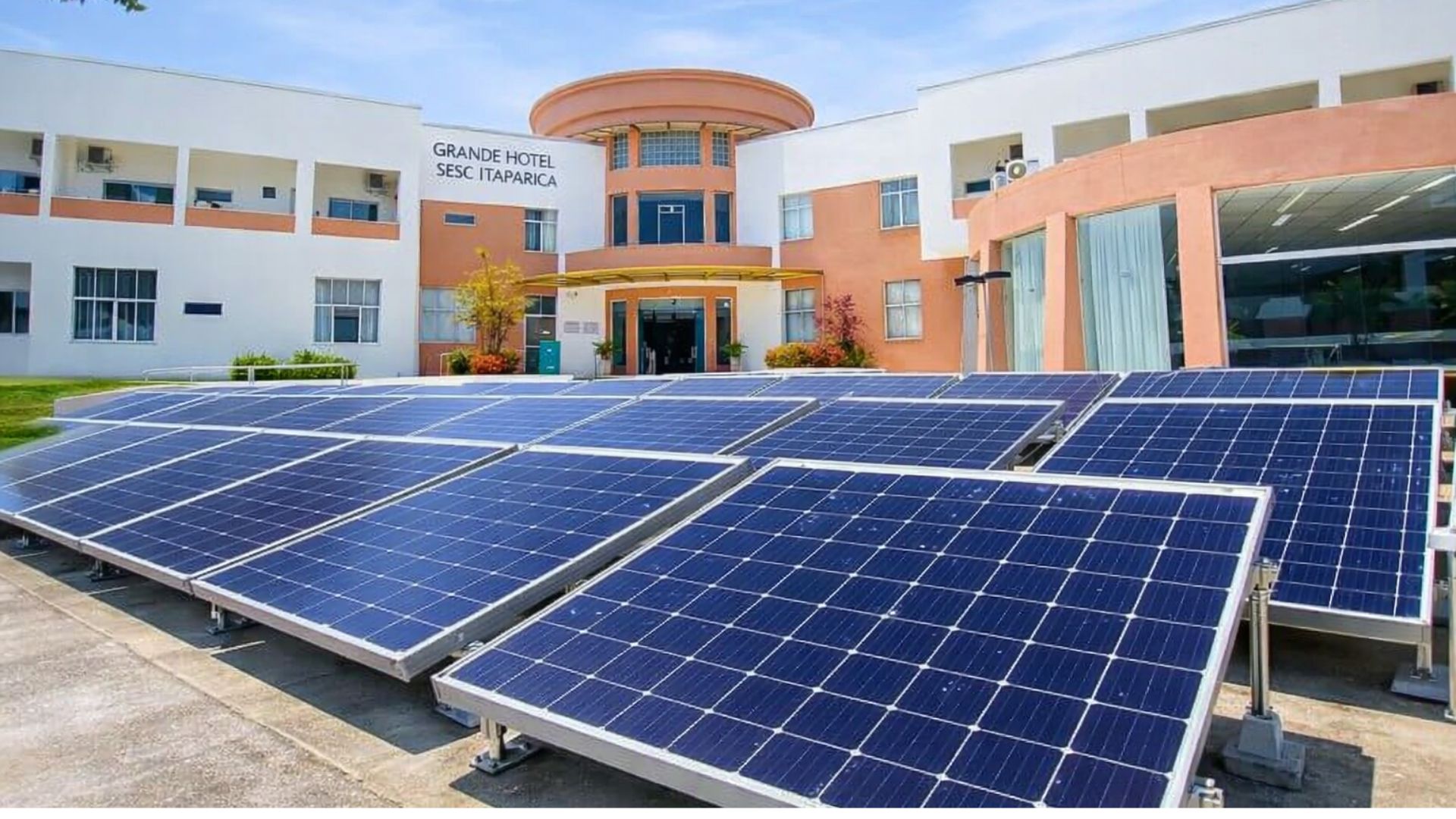
Sesc-BA bets on renewable energy with the support of EDP and drives the energy transition with a direct impact on cost reduction and the sustainability of its operations in Bahia.
-
Technology giant breaks global sustainability records: How Amazon’s leadership in renewable energy procurement transformed the global energy market in the past year.
-
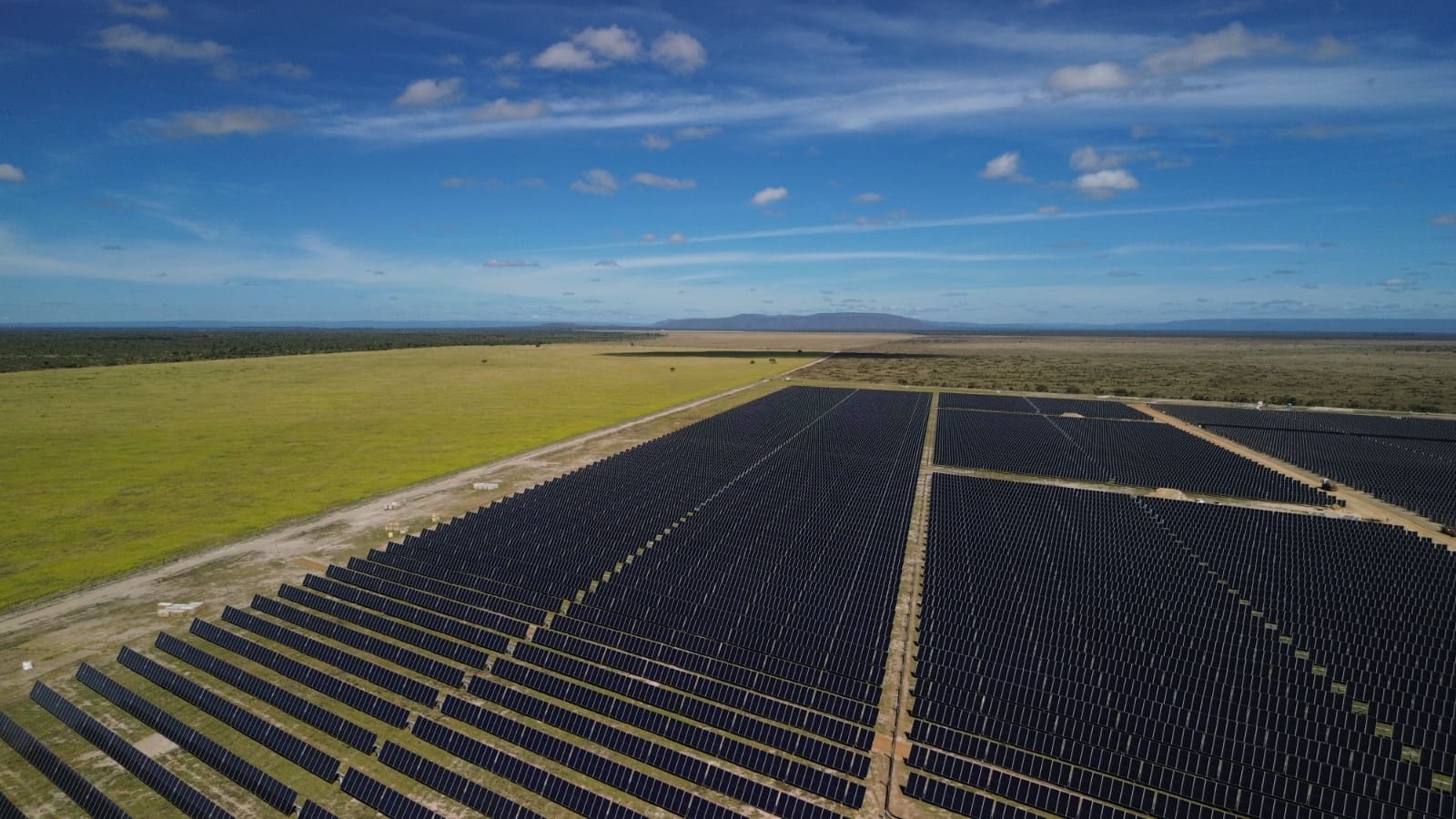
Alert in the electric sector: Atlas Renewable Energy confirms billion-dollar investment and Brazil risks losing a share of the new investment in Latin America to neighboring countries.

Expanding Structure and Significant Investment
According to official data, the project has already received investments of R$ 12 million. In addition, currently, 80% of the works on the country’s first exclusive biogas pipeline are completed.
Therefore, the expectation is that the network will grow rapidly, as the expansion aims to increase residential and industrial supply in various Brazilian regions.
Thus, the initiative seeks to cement biogas as a competitive fuel in the national market while promoting more sustainable and economically viable energy alternatives for consumers and companies.
In this way, the goal is to ensure sustainable access to the energy source. At the same time, it aims to reduce dependence on conventional natural gas, strengthening the transition to a cleaner matrix.
Positive Economic and Environmental Impacts
Studies by Fiesp and the São Paulo government, released in 2024, indicate the generation of up to 20,000 jobs, as the expansion of production already shows significant impacts.
Moreover, production could help reduce emissions by up to 16%, reinforcing compliance with the climate goals set by the state of São Paulo.
On the other hand, projections indicate that production capacity could jump from 0.4 million to 6.4 million cubic meters per day.
Consequently, this increase will allow to meet up to 40% of natural gas demand in the state, becoming a relevant milestone for the São Paulo energy matrix.
Thus, São Paulo consolidates its leadership in clean energy, as its energy matrix is composed of biodiesel, biogas, ethanol, and large-scale biogas.










Seja o primeiro a reagir!