





 Portuguese
  English
  Spanish
 5 min of reading
  0 comments


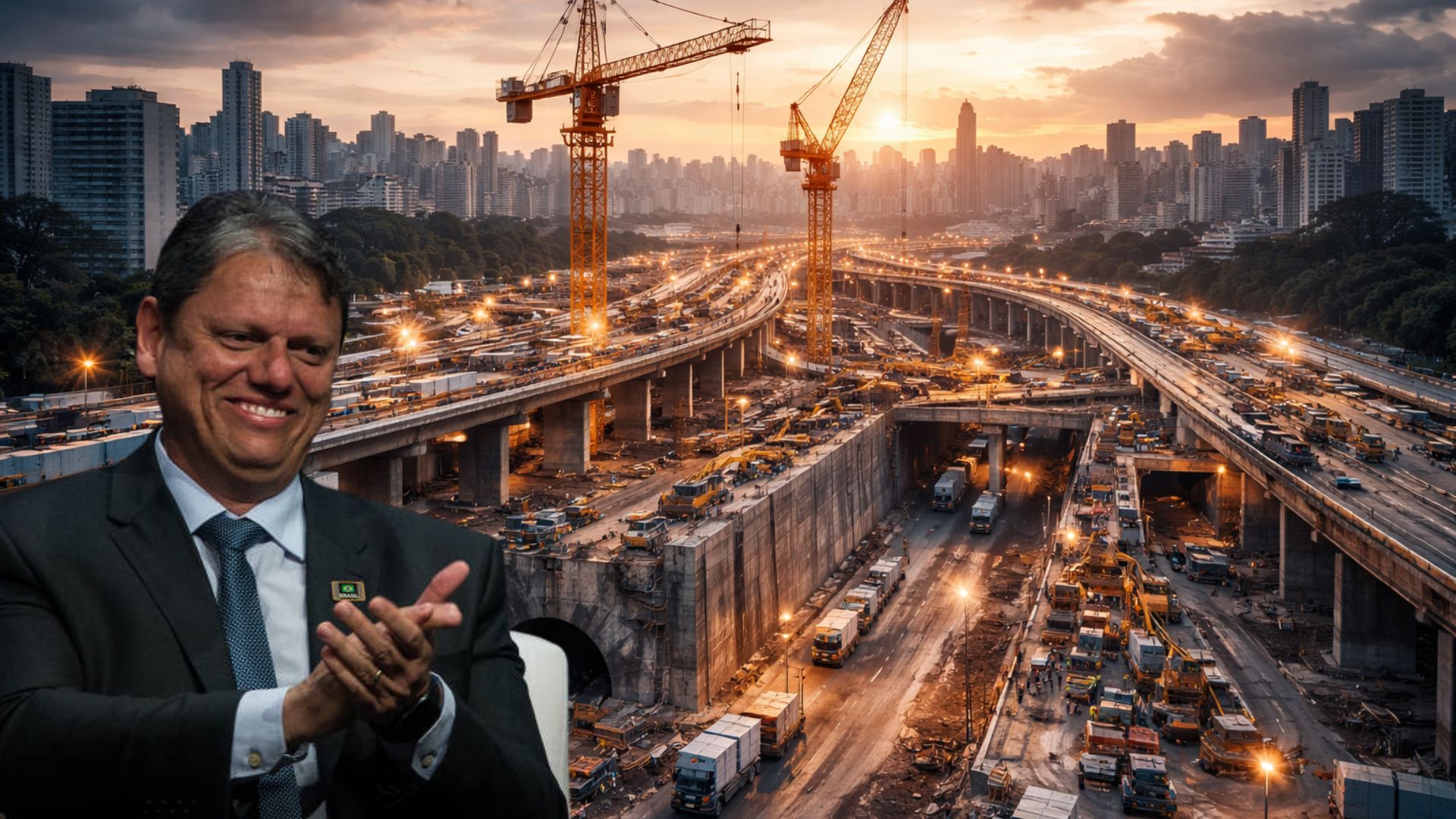
Beginning of 2026 Marks Acceleration of Works in the São Paulo Capital, with Investments Focused on Mobility, Drainage, Housing and Urban Requalification, According to the City Hall, which Points to Simultaneous Expansion of Fronts in All Regions of the City, Supported by Record Budget and Projects with Direct Impacts on Mobility and Urban Infrastructure.
The city of São Paulo started 2026 with 1,748 works in simultaneous execution distributed across all regions of the capital, according to data released by the City Hall.
To enable this volume of interventions, the municipal budget allocated R$ 14 billion for urban planning this year, an amount that corresponds to 10.2% of the total budget and represents a 43.4% increase compared to the amount spent in the sector the previous year.
According to the municipal administration, the set of ongoing works is part of a cycle that began in 2021.
-
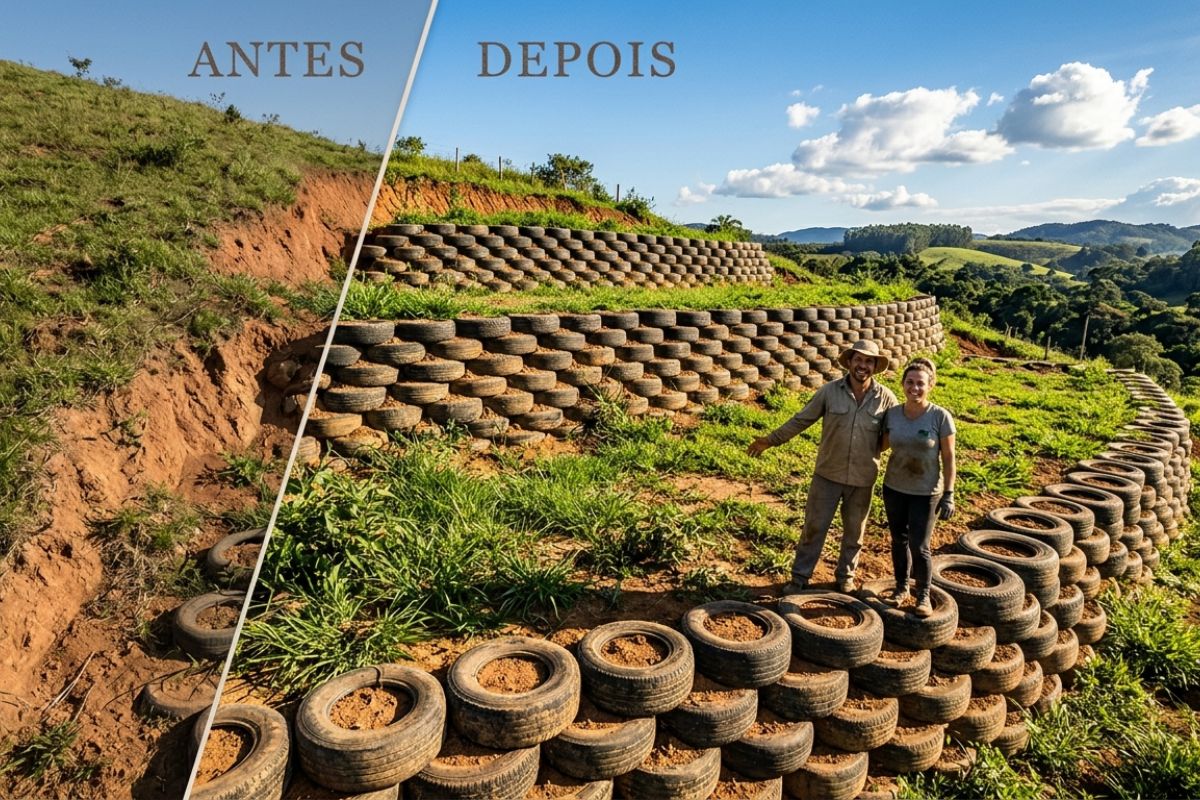
Couple shows how they built a retaining wall on their property using 400 old tires: sloped land turned into plateaus, tires are aligned, filled, and compacted with layers of soil, with grass helping in support and at almost zero cost.
-
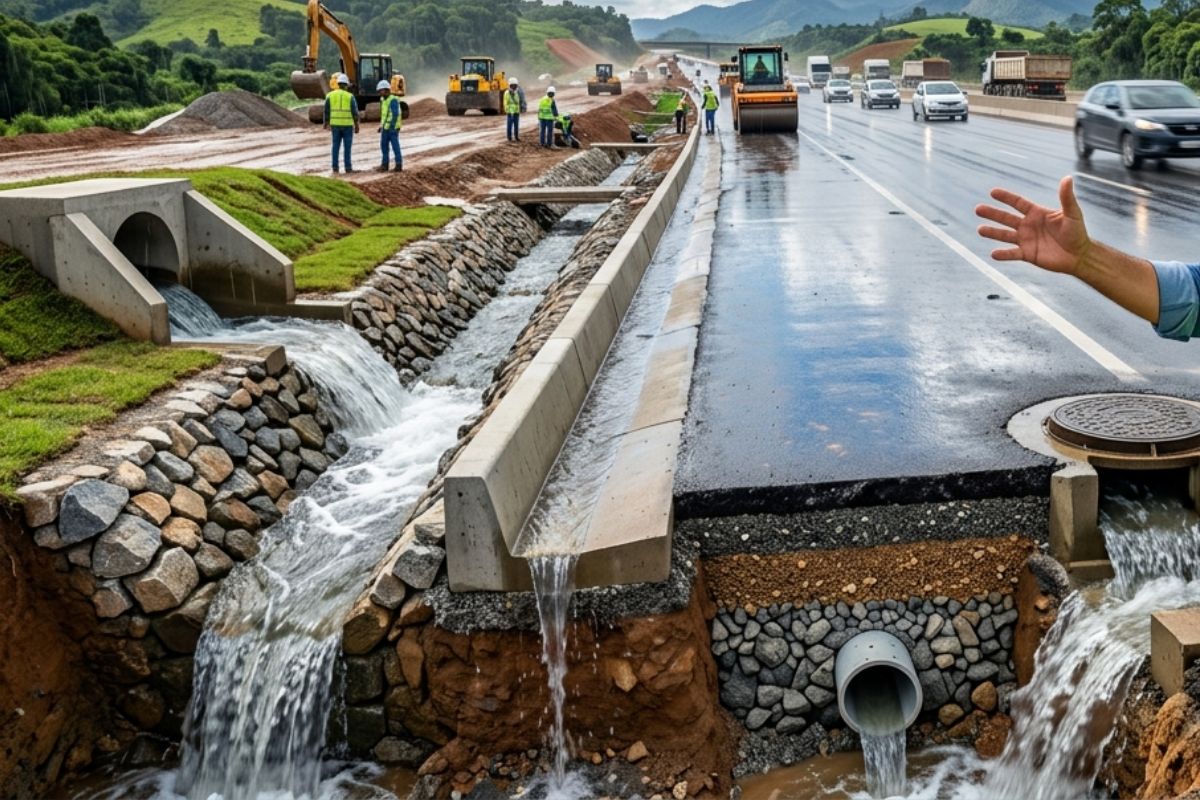
Engineer explains drainage during the rainy season: the difference between surface water and deep water, ditches, gutters, and water outlets on the road, as well as drains and drainage mattresses, to prevent erosion, aquaplaning, and flooding at the construction site today.
-
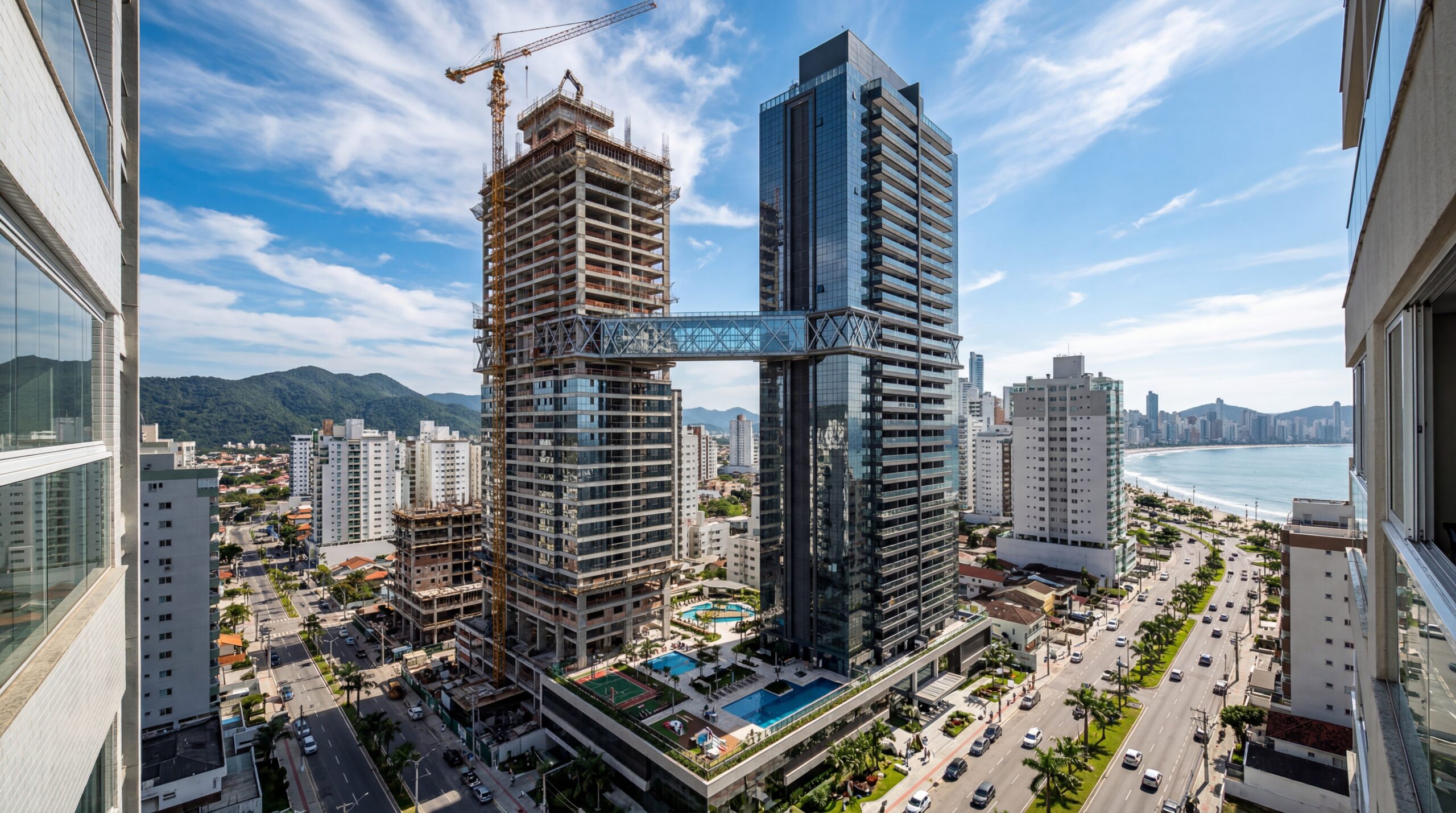
With 55 floors, 177 meters in height, a 15-meter walkway between the twin towers, ventilated facade, and 6,300 m² of leisure space, Ápice Towers already has one tower completed and another nearly at the top.
-
After nearly 50 years of neglect, BR-319 receives R$ 678 million to pave 340 km, gain a 320-meter bridge, and try to lift Amazonas out of the mud, the quagmire, and road isolation.
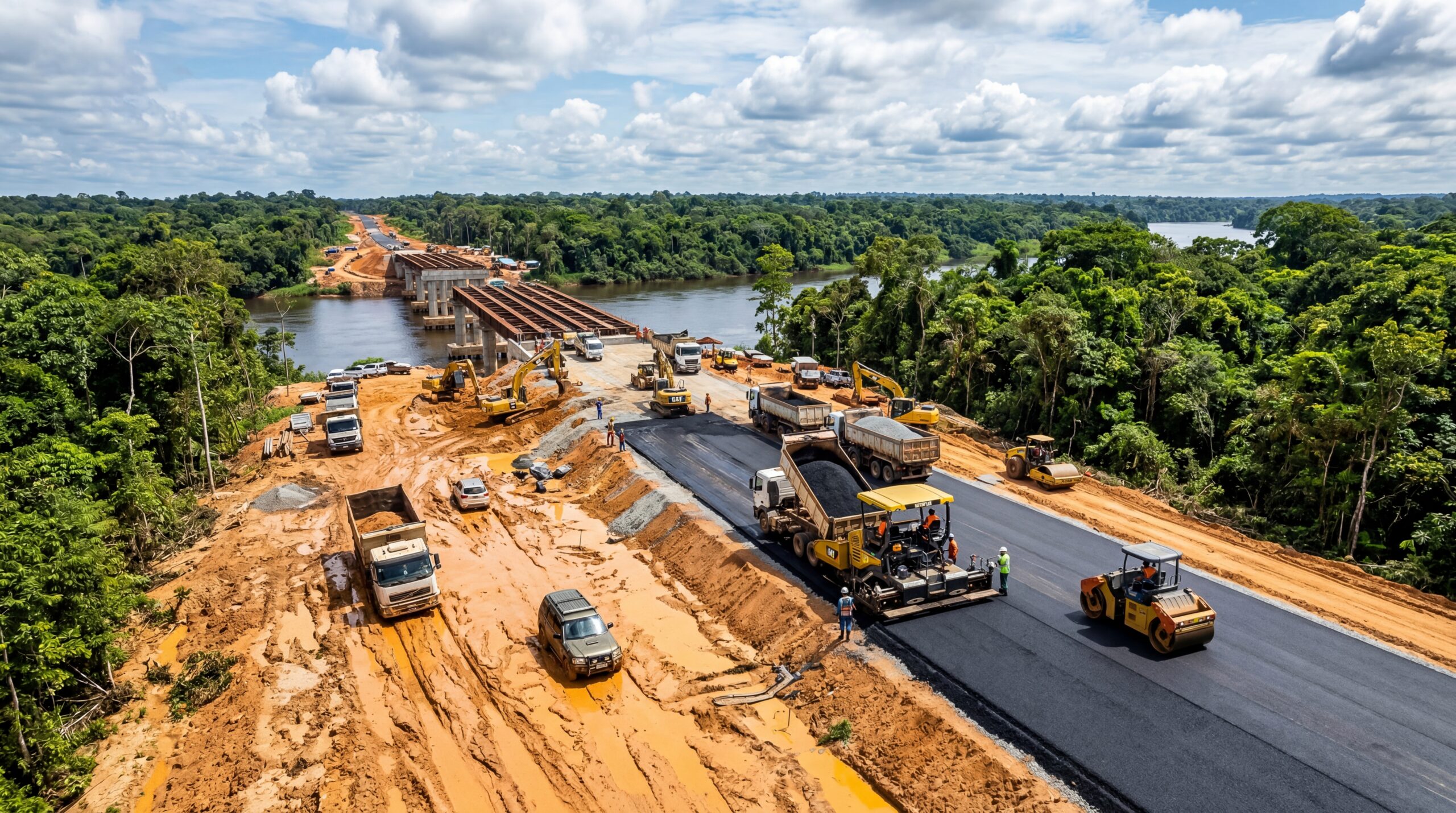

Since then, the City Hall has recorded nearly 10 thousand interventions delivered, which include everything from large infrastructure projects to urban maintenance activities, caretaking, and the installation of public facilities in different neighborhoods of the city.
These works are concentrated in areas such as urban mobility, drainage, housing, and requalification of public spaces.
The City Hall states that the interventions aim to meet historical demands of the capital and expand the population’s access to essential services, although the impact and reach vary according to the type of project.
Record Budget Supports Simultaneous Works in the City
With the budget allocated to urban planning at a record level, the City Hall claims to be able to maintain simultaneous works on multiple fronts.
The strategy involves the joint action of different secretariats, responsible for projects with varying levels of complexity and different execution timeframes.

According to the municipal management, the distribution of works considers both central regions and peripheral areas, aiming to avoid concentrated investments in a few parts of the city.
The planning includes long-term structural interventions and targeted actions aimed at improving urban space.
Furthermore, according to the City Hall, the parallel execution of these fronts requires coordination to reduce impacts on the daily lives of the population, especially regarding traffic and pedestrian circulation.
The administration acknowledges that, in some cases, the works cause temporary disruptions, but maintains that the expected benefits justify the interventions.
Mobility Concentrates Large Road and Transport Works
In the mobility sector, one of the main interventions cited is the BRT Radial Leste, a bus corridor with almost 10 kilometers in length, designed to operate integrated with the Metro system.
The City Hall informs that the proposal is to reorganize collective transportation in one of the busiest corridors of the capital.
Also included in this group is the Pirituba–Lapa road link, which involves the construction of new bridges over the Tietê River and adjustments to the local road system.
According to estimates from the municipal administration, the work can reduce travel time between terminals by up to 36 minutes, benefiting around 78 thousand users per day, especially public transport users.
In the South Zone, the Graúna–Gaivotas connection is progressing as part of a package of interventions aimed at improving circulation in areas farther from the center.
The City Hall estimates that approximately 1 million people may be impacted by the work, facilitating access to other regions of the city.
Another mentioned project is the extension of Avenida Chucri Zaidan, which plans to construct the Cecília Lottenberg Tunnel, linking to Avenida João Dias.
The work is presented by the administration as an alternative to reorganize road flow in a segment of heavy traffic in the South Zone.
Urban Drainage Focuses on Interventions
In addition to mobility, the package of works includes interventions aimed at urban drainage.
The City Hall states that these actions seek to reduce flood-prone areas and expand the capacity of the rainwater drainage system, especially in regions historically affected by floods.
In Campo Limpo, South Zone, the Reservatório Morro do S is under construction, identified by the administration as a structure intended to reduce the impact of heavy rains.
In the East Zone, the Reservatório Lapenna and the canalization of Córrego Rodeio are part of the ongoing works in neighborhoods such as São Miguel Paulista and Cidade Tiradentes.
According to official information, these interventions directly serve around 24 thousand residents.
The City Hall’s forecast is that part of the deliveries will occur in the first half of 2026, according to the progress of the works.
Housing Combines Housing and Public Facilities
In the housing sector, the City Hall highlights projects that associate the construction of housing with the implementation of urban infrastructure.
The Conjunto Habitacional Novo Brasil, located in Capela do Socorro, in the South Zone, will have 2,711 housing units, according to the municipal administration.
The forecast is that 557 units will be delivered in this initial phase, while the others should be completed by the end of 2027.
According to the City Hall, the project is expected to serve around 10 thousand people and includes public facilities such as a Basic Health Unit, two Early Childhood Education Centers, and a unit of the Solidarity Warehouse.
Still in the South Zone, the CEU Padre Chicão was inaugurated on the 4th and integrates the set of equipment associated with the housing works in the region, as announced by the municipal management.
The City Hall also mentions the Programa Pode Entrar, which foresees the delivery of over 7 thousand housing units starting in March, distributed across different neighborhoods.
Among the mentioned projects are the Residential Bresser VI, in Mooca, as well as projects in Perus and the first phase of Reserva Raposo. The total reported investment exceeds R$ 1.5 billion.
Reurbanization Advances in More Vulnerable Areas
Another aspect of the package of works is the urban requalification in regions considered more vulnerable.
One of the examples presented by the City Hall is the Parque das Flores project, in São Rafael, in the East Zone.
With an investment reported of R$ 250.4 million and approximately 80% of execution, the intervention involves sanitation, paving, and channelization of streams.
According to the municipal administration, more than 5.2 thousand families are expected to benefit, with deliveries scheduled to occur gradually until 2028.
When presenting the overview of ongoing works, the City Hall states that the set of interventions seeks to meet different fronts of urban infrastructure.
The question that remains is how these projects will reflect, in the medium and long term, on the daily life of commuting, housing, and access to services for the population of São Paulo?




-

-

-

-

-

-

11 pessoas reagiram a isso.