





 English
  Francês
  Alemão
  Italiano
  Japonês
  Norueguês
  Portuguese
  Spanish
  5 min of reading


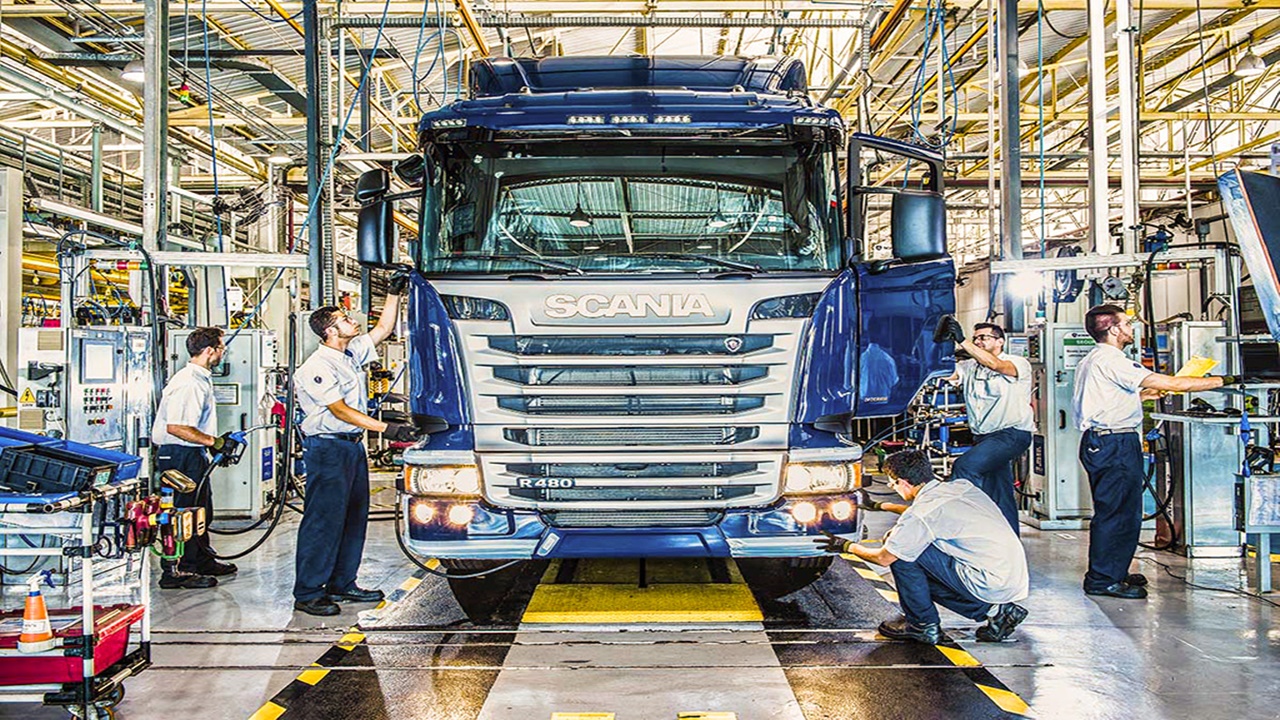
Scania Replaces 40 Lead-Acid Battery Forklifts with Lithium-Ion Electric Forklifts at Its São Paulo Facility in Support of Energy Transition
Scania’s Vinhedo (SP) unit, a multinational vehicle manufacturer responsible for supplying replacement parts for Latin America, optimizes operations and has just completed the process of replacing 40 lead-acid battery forklifts with 40 lithium-ion electric forklifts, significantly enhancing employee productivity with safety and improved ergonomics.
Read Also
- With Ford’s Exit from Brazil, Former Metallurgist from the Multinational Vehicle Manufacturer Joins PDV, Becomes Entrepreneur and Opens a Paint Megastore in SP With Space to Train Professional Painters
- Logistics Companies and Other Sectors Open Applications for Candidates With No Experience Seeking First Job in SP; Some Intern and Trainee Positions Are 100% Remote, Candidates from All Over Brazil Can Apply and Salaries Reach R$ 6,000!
- Brazil Launches Unique and Revolutionary Technological Solution for Recycling and Energy Recovery from Urban and Industrial Waste, Capable of Generating Up to 2 MW of Energy per Ton of Processed Waste
- By 2025, 85 Million Jobs Will Be Eliminated Due to the Shift Between Humans and Machines, and 97 Million New Roles Are Expected to Be Created Alongside Technological Innovations
The project, which includes the leasing of handling equipment, installation of chargers, and implementation of the telemetry system, results from a partnership with Jungheinrich, a global leader in intralogistics solutions.
Fleet Renewal and Modernization: Scania Ensures Increased Production and Reduced Pollutant Gas Emissions
With fleet renewal and modernization, Scania ensures a reduction in pollutant gas emissions, as well as energy expenditures, optimization of intralogistical operations through telemetry, increased comfort and safety for operators, and consequently, a boost in productivity. The Jungheinrich equipment selected for the project includes order pickers, counterbalanced forklifts, reach trucks, horizontal order pickers, and pallet stackers.
-
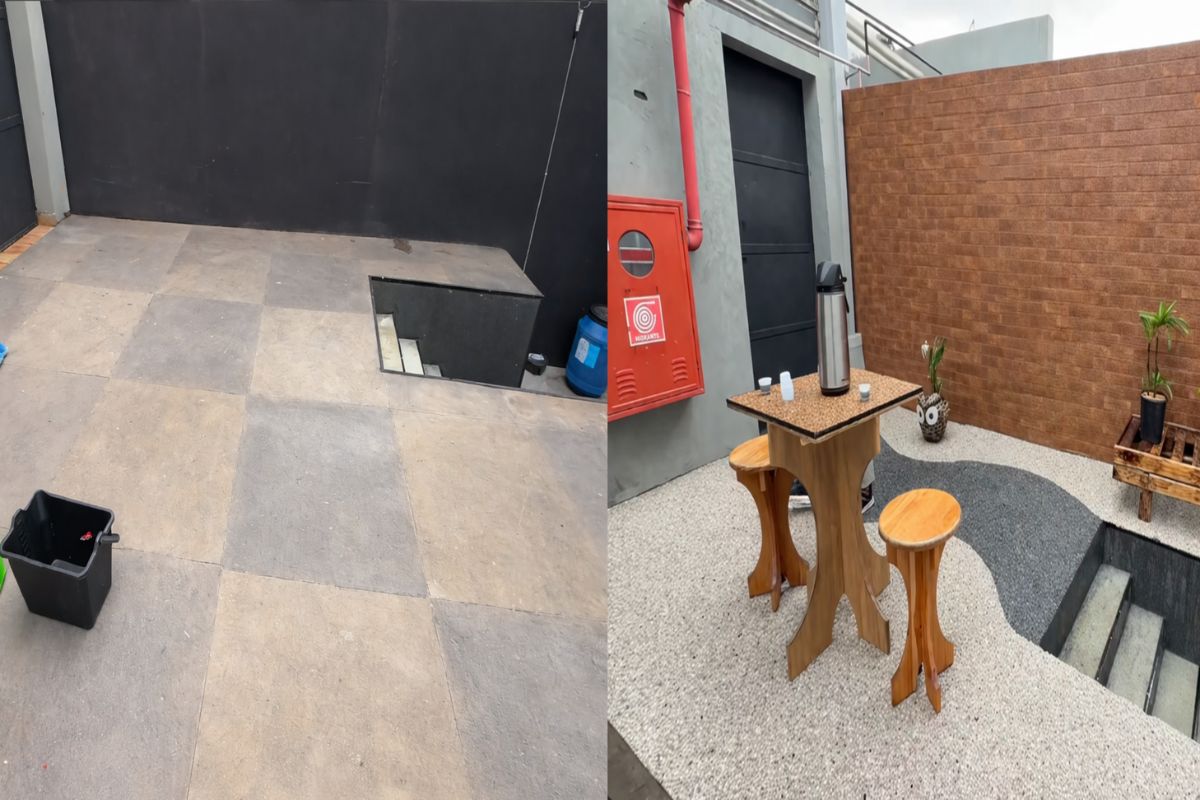
In just three hours, a natural stone floor transforms the entrance of the house with an organic effect, immediate drainage, and a sophisticated non-slip finish that doesn’t puddle water, dries quickly, and impresses with the final result.
-
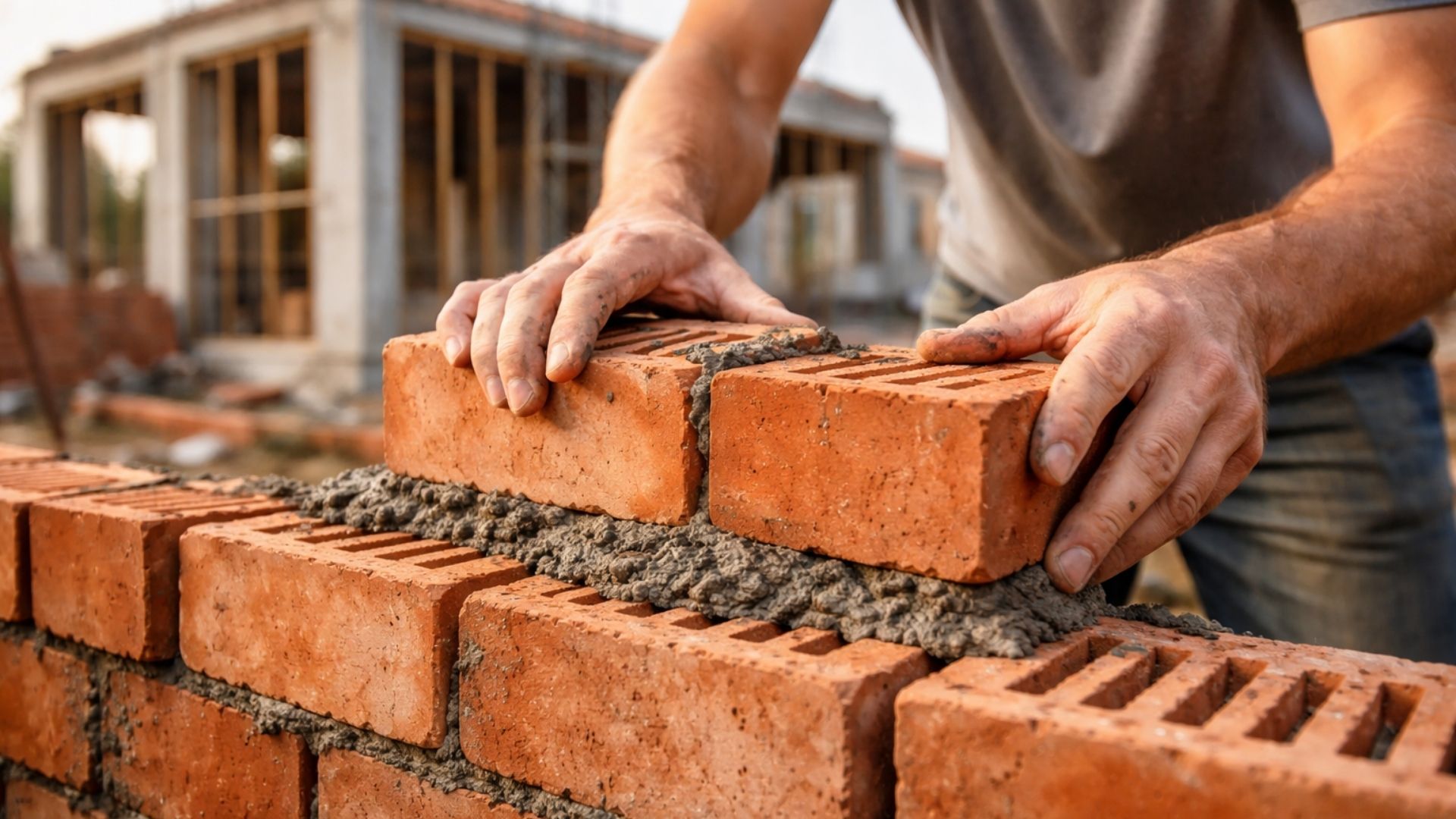
‘Interlocking brick’ made of earth arrives in the construction industry with cost reductions of up to 40% on the project.
-
Espírito Santo will receive the largest engineering project in its history with the duplication of BR 262, which will have 50 viaducts, 28 bridges, and 2-kilometer tunnels cutting through the most challenging mountainous region of the entire state.

-
A project of nearly 9 million reais already has the first kilometer paved in Santa Catarina and promises to completely transform the access between Jaraguá do Sul and Rio dos Cedros in an area where tourism is growing at a rapid pace.


“This investment represents the continuous improvement of our processes within the concept of Industry 4.0. In addition to sustainability, we have a telemetry system that allows us to measure how long the machines are actually used and, thus, identify whether there is a need to increase or reduce the number of machines,” explains Giliard Guerreiro de Souza, manager of the Logistics Parts Center (LPC) at Scania Latin America.
Scania Becomes the First Commercial Vehicle Manufacturer in the World to Have Its Climate Goals Approved by the Science Based Target Initiative (SBTi)
In 2020, Scania became the first commercial vehicle manufacturer in the world to have its climate goals approved by the Science Based Target Initiative (SBTi). These include the objective of reducing CO2 emissions from its operations worldwide by 50%. “The replacement of equipment contributes to Scania’s goals to reduce emissions globally, but also demonstrates the commitment of its operations in Latin America to combat global warming,” highlights Giliard.
Scania’s actions in the LPC, as well as at its factory in São Bernardo do Campo, are mainly dedicated to improving energy efficiency, reducing energy consumption, and transitioning to renewable energies.
According to Marcela Magnani, Process Analyst who coordinated the implementation of the project at LPC, there are several gains and benefits that the new forklifts bring to internal processes and safety. “The ease and speed of charging the machine increase equipment availability. Employees can charge it during breaks, such as lunch time,” she explains. Marcela also highlights the importance of the new equipment for operator well-being: “We gain in ergonomics, considering it is possible to make personalized adjustments for each employee, in addition to other additional functions that focus entirely on the operator,” she concludes.
According to Raphael Souza, Corporate Sales Manager at Jungheinrich, telemetry is a powerful ally for fleet management, allowing deep analysis of the operational profile of each piece of equipment. “It identifies whether a given forklift is fulfilling its primary logistical function, as well as providing insight into usage dispersion over days and times, analyzing operator driving behavior, and identifying impacts,” the executive emphasizes. “It also brings features like checklists, which enhance the productive potential of the fleet and make it safer for employees,” Souza adds.
The technology also allows for the creation of “virtual fences.” Thus, if a machine moves into an inappropriate location, the system will send a notification to the responsible party. Jungheinrich’s equipment also configures different profiles for different users, allowing only authorized operators for certain equipment to operate them.
Innovative Technology for Lithium Efficiency and Sustainability Brings Excellence to Operations and Significant Cost Reduction
SUSTAINABILITY – The combination of this innovative technology with the efficiency and sustainability of lithium brings excellence to operations and significant cost reduction. High performance, recharges in just minutes, zero battery maintenance, and long machine life ensure the constant availability of these pieces of equipment across three shifts, with no gas emissions, no risk of acid spills, no risk of accidents for operators during battery swaps, nor the need for battery rooms – as in the case of lead-acid technology – or backup batteries. “With these changes, we expect significant process and environmental gains. Energy savings alone should reach 30%,” Souza states.
At the end of the lithium battery life cycle, Jungheinrich takes care of the entire disposal process to prevent any harm to the environment. The company ensures a second life for them, as stationary batteries, serving even as reservoirs for solar and/or wind energy, or promotes their proper disposal for recycling through accredited companies qualified to handle this type of waste.
“Consumption awareness has gained a new perspective. Companies are increasingly concerned with ensuring what is known as the ESG (Environmental, Social, and Governance) standard. In practice, a company must have coherence throughout its process to be considered sustainable. Therefore, it is essential that this entire intralogistics part be reviewed. Consumers will demand this from all companies; it is just a matter of time,” emphasizes the Jungheinrich executive.
Job Openings for High School and Higher Education at Scania’s SP Factory
Those interested in building a career at Scania — the world’s leading manufacturer of heavy trucks, buses, and industrial and marine engines — should submit their resumes directly on the company’s website using this link. Check out the video below to see how Scania’s production line works!






Seja o primeiro a reagir!