





 Portuguese
  English
  Spanish
  5 min of reading
  0 comments


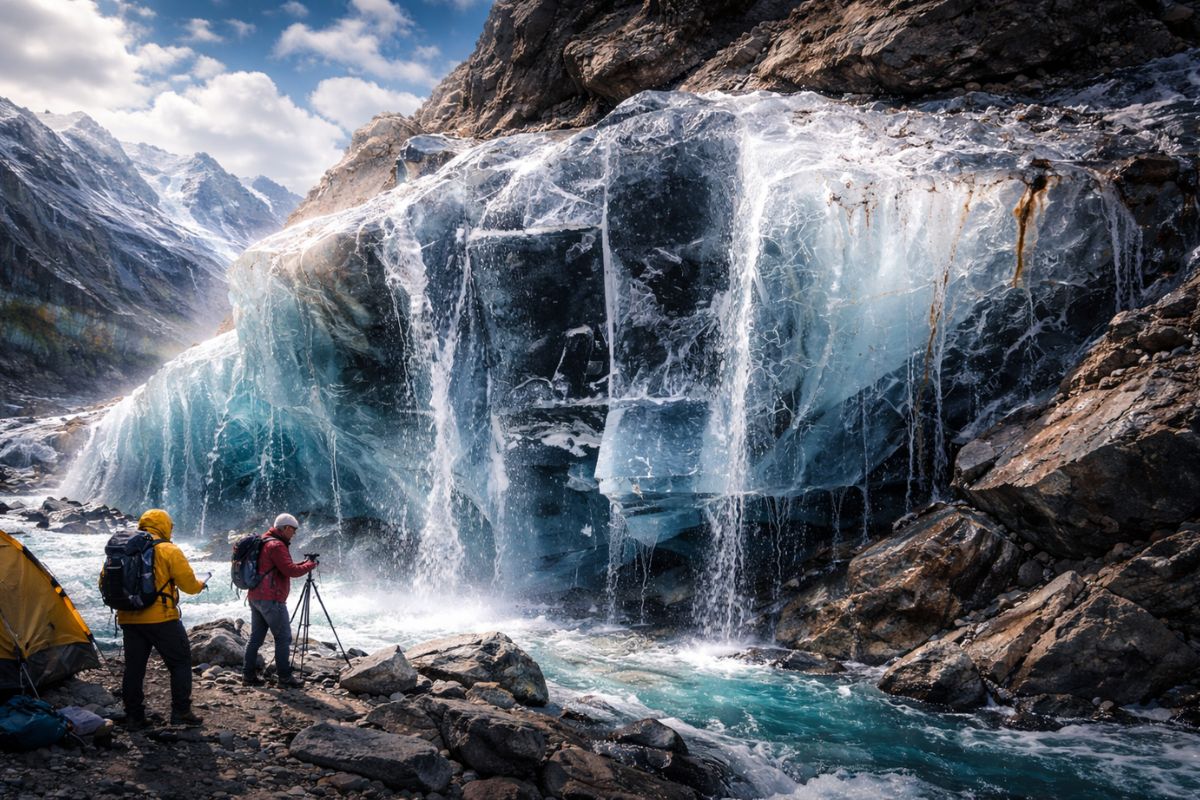
The ice block found in Alaska survived at least three interglacial periods when global temperatures were higher than today, but the accelerated warming of the Arctic is destroying in decades what nature preserved for 350 thousand years, and scientists are racing against time to extract information
According to a study by Science Magazine, scientists identified in Alaska an underground ice block approximately 350 thousand years old, a structure that survived at least three periods of natural global warming over hundreds of thousands of years. But this same ice, which withstood entire eras when the planet’s temperatures were higher than today, is now melting at a rate that could make it disappear in just a few decades. Alaska is warming two to three times faster than the global average, and the permafrost that protected this block is giving way.
The discovery puts researchers in a race against time. The ice in Alaska contains air bubbles, microorganisms, pollen, and chemical isotopes that act as time capsules, direct records of what the Earth’s atmosphere and climate were like hundreds of thousands of years ago. Each layer that melts is information lost forever. Scientists know the block exists, know it contains irreplaceable data, but they do not know if they will have enough time to extract everything before warming in Alaska destroys what nature took 350 thousand years to preserve.
How an ice block survived 350 thousand years in Alaska

The survival of this ice for so many millennia is not accidental; it is the result of very specific geological and climatic conditions.
-
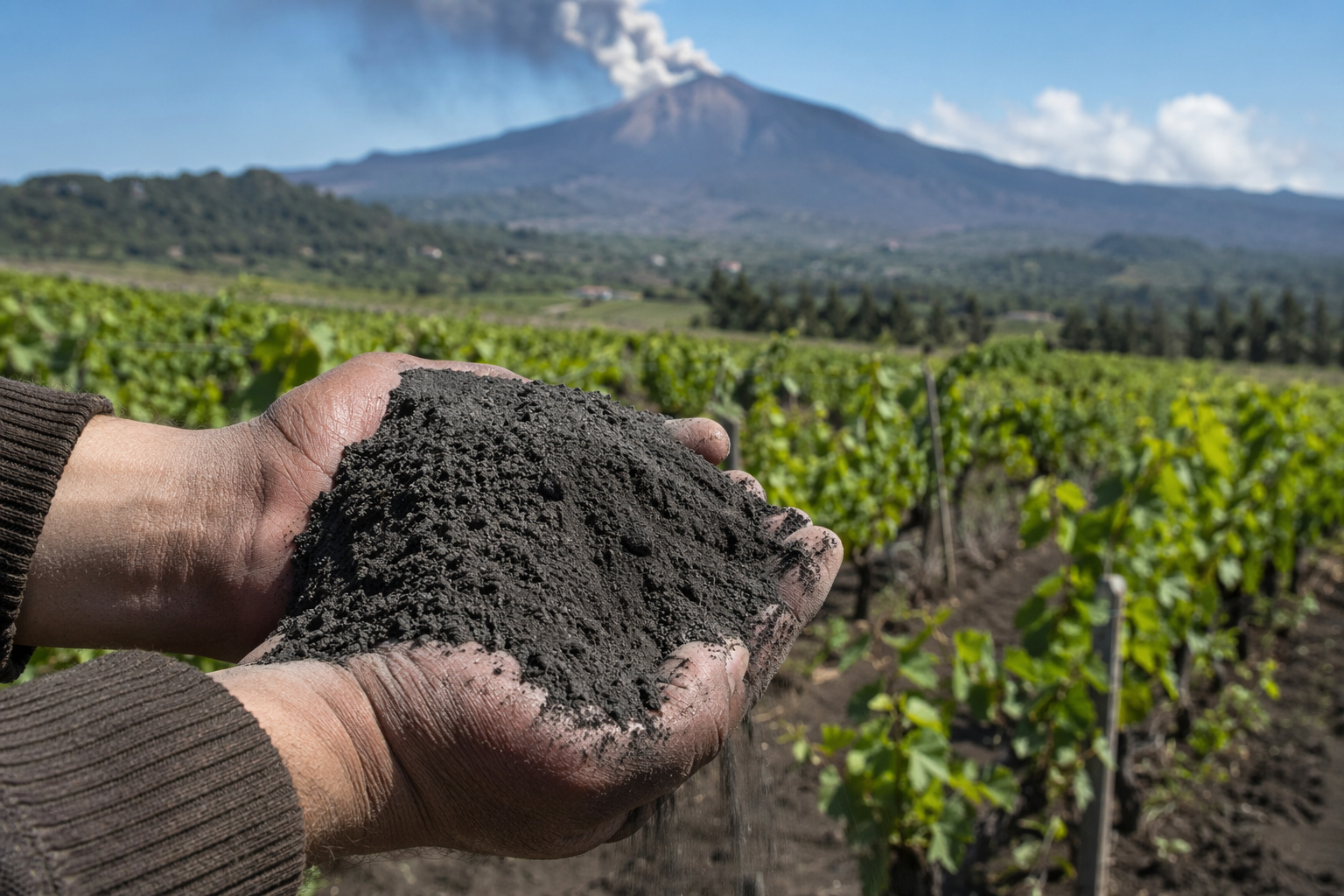
Tons of ash from the highest and most active volcano in Europe, which once covered crops and worried farmers, are now being used as natural fertilizer in Sicily, increasing productivity, improving soil quality, and reducing costs, in a transformation that draws the attention of experts in sustainable agriculture.
-
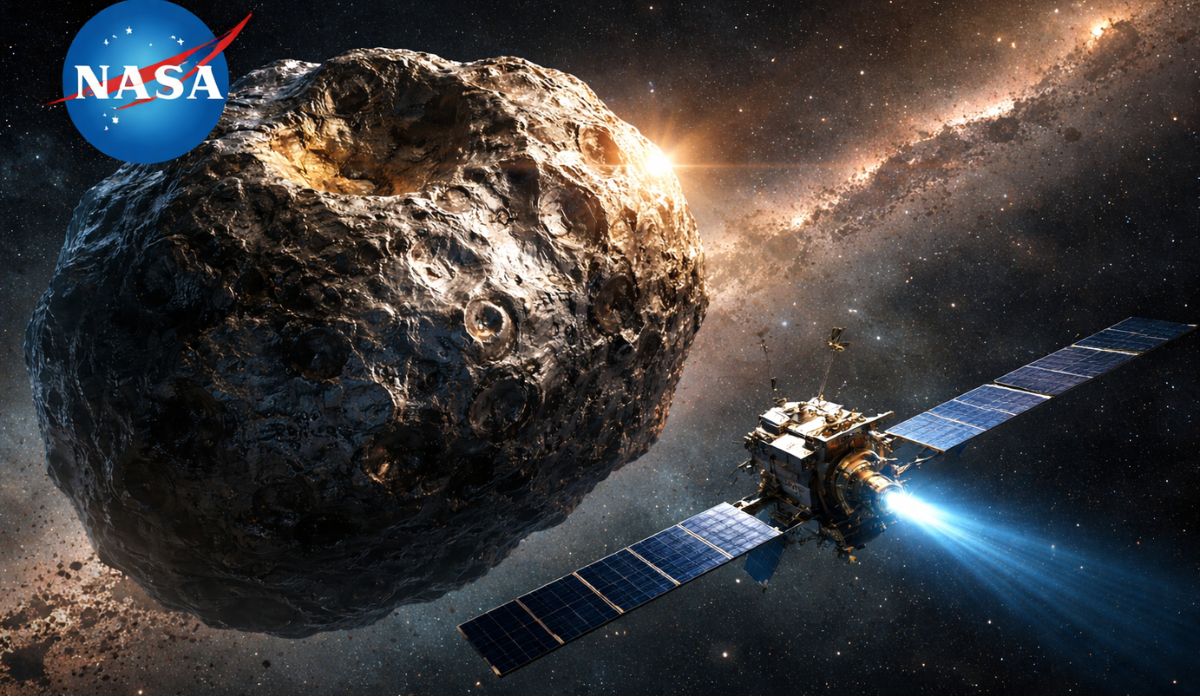
NASA launched a $1.2 billion probe to travel through space to an asteroid that may be worth more than all the wealth ever produced by humanity and reveal the lost core of a destroyed planet.
-
While Starlink supports SpaceX’s trillion-dollar scale, Elon Musk encounters issues in Namibia due to local control regulations, digital sovereignty, and denied licenses, and the orbital internet race faces political limits outside the United States.

-
The USA accelerates tests on the A-10 with an adapter that allows refueling from multiple tanks, installed in a few hours, increasing compatibility with up to 5 aircraft, reducing dependence on the KC-135, and creating strategic space for Embraer’s KC-390.

The block is buried in the permafrost of Alaska, the layer of permanently frozen soil that covers vast areas of the Arctic. At depths where the temperature has remained below zero even during interglacial periods—natural warming phases that occur approximately every 100 thousand years—the ice managed to survive while glaciers on the surface melted and reformed.
What makes this resistance extraordinary is the timescale. Over the last 350 thousand years, the Earth has gone through at least three interglacial periods when global temperatures rose above pre-industrial levels.
Entire glaciers advanced and retreated, oceans rose and fell by meters, ecosystems transformed completely, and this ice block in Alaska remained intact underground, insulated from heat by the thickness of the permafrost above it. Until now.
What the ice in Alaska holds and why it is irreplaceable

image: Ben Jones and Phillip Wilson
Ancient ice is one of the most valuable records that science has about the planet’s climatic past. The air bubbles trapped in the ice of Alaska contain direct samples of the atmosphere from 350 thousand years ago—concentrations of CO2, methane, oxygen, and other gases that reveal what the Earth’s climate was like in periods long before any human record.
Ice cores from Antarctica and Greenland have already provided similar information, but continental Arctic ice like that in Alaska is exceptionally rare.
In addition to gases, the block may contain fossilized pollen, preserved microorganisms, and isotopes that indicate temperatures and precipitation patterns from past eras.
For scientists, it is like having access to a library whose books are written in molecular language; each layer of ice in Alaska is a chapter that tells how the planet responded to previous climate changes.
This information is crucial for projecting what may happen in a future of accelerated warming. But melting libraries cannot be reread.
Why Alaska is warming faster than the rest of the planet
The Arctic is experiencing what scientists call polar amplification, a phenomenon in which polar regions warm significantly faster than mid-latitude and tropical regions.
Alaska is at the forefront of this process: while the global average temperature has risen about 1.2°C since the pre-industrial era, the Arctic has warmed between 2 and 4 times faster. The consequences are visible everywhere: permafrost collapsing, coastlines eroding, boreal forests advancing northward, and ice that existed for millennia disappearing.
The permafrost that protected the 350 thousand-year-old block is among the victims. As Alaska’s permanently frozen soil thaws at increasingly greater depths, the thermal insulation that kept the ice intact degrades.
Heat penetrates deeper each year, and underground ice structures that survived entire eras of natural warming now face an enemy that acts faster and more persistently: warming caused by human activity.
The scientists’ race to extract secrets before the ice in Alaska disappears
Research with ancient ice is a meticulous job that requires time—the very resource that is running out. Extracting ice cores without contaminating them, transporting them to refrigerated laboratories, and analyzing layer by layer are processes that can take years.
The problem is that the ice in Alaska will not wait. If the current rate of warming in the Arctic continues, permafrost structures that took hundreds of thousands of years to form could collapse in just a few decades.
For scientists, the 350 thousand-year-old block is both an opportunity and a reminder. It is proof that the Earth has faced severe warming before and that certain structures managed to survive it.
But it is also proof that the current warming is surpassing limits that even 350 thousand years of geological history in Alaska could not withstand.
If this ice melts before it is fully studied, humanity will have lost a record that no technology can recreate—a literal piece of the past that was there, waiting to be read, and that disappeared before we had time to finish reading.
Did you know there was 350 thousand-year-old ice in Alaska? Do you think science will be able to extract the data before it melts?








Seja o primeiro a reagir!