





 Portuguese
  English
  Spanish
  4 min of reading
  0 comments


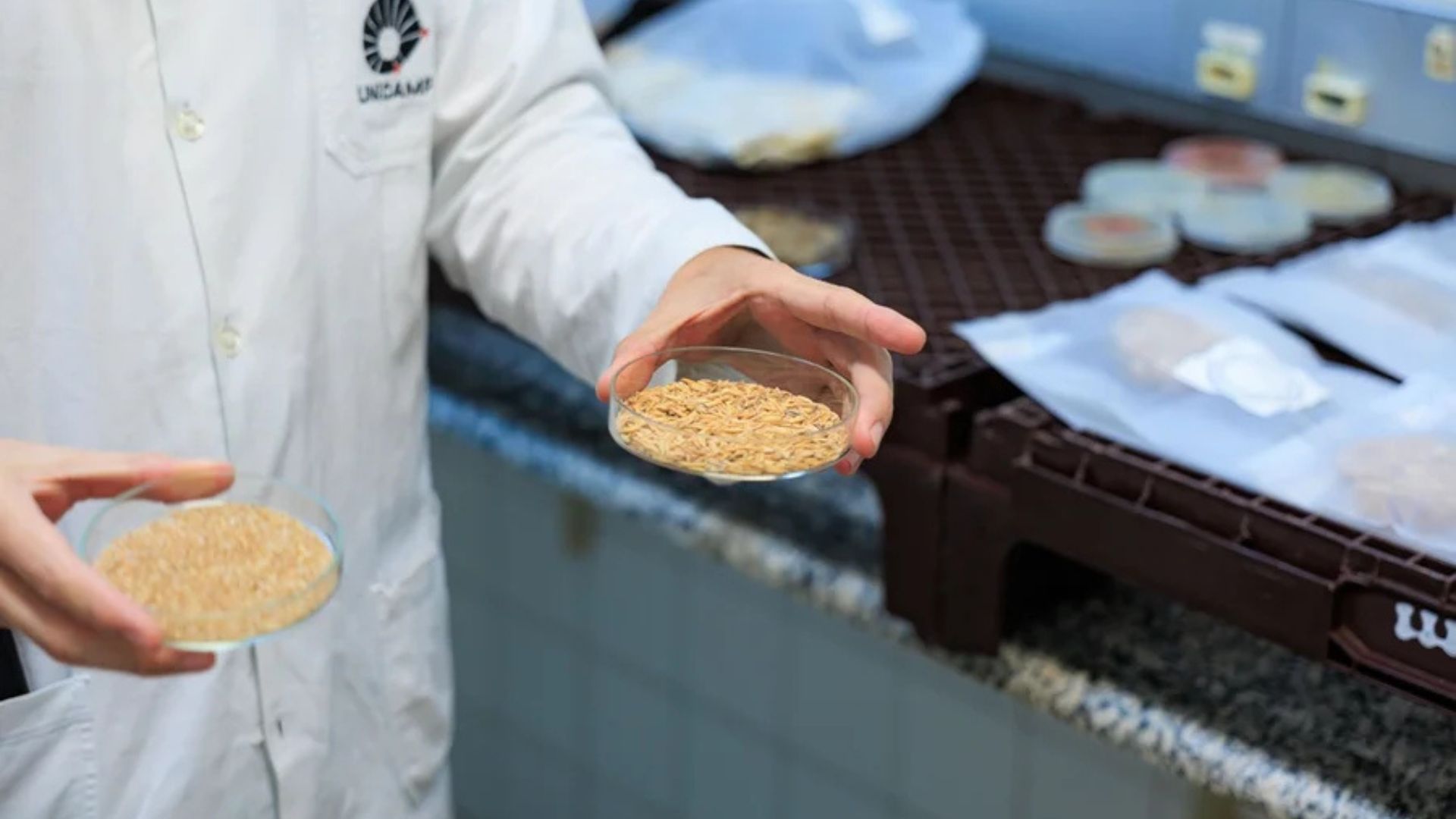
Brazilian technology transforms agricultural waste into plant ingredient with meat aroma and enhanced nutritional value, using fermentation with Amazonian fungi without chemical solvents and with potential to revolutionize plant-based foods and the sustainable industry.
Researchers from the State University of Campinas developed a technology that transforms agricultural waste, such as potato peels, oats, and açaí by-products, into a plant ingredient with an aroma reminiscent of cooked meat.
The material, obtained with fungi originating from the Amazon, can be incorporated directly into foods in the form of paste or flour and has already had a patent application filed with support from Inova Unicamp.
The research was conducted at the Faculty of Food Engineering at Unicamp in collaboration with the National Institute of Amazonian Research and the Good Food Institute Brazil.
-
Artemis II photographs the Moon and shows an area never seen by human eyes: part of the Orientale Basin appears in the image, while Orion approaches the flyby this Monday (6) after passing the halfway point.

-
The global fuel crisis is doing what years of environmental campaigning could not convince consumers to switch from gasoline cars to electric ones, and in Thailand, reservations are skyrocketing with over a million people at the Auto Show.

-
Ukrainian refugees in Germany are assembling war drones in a factory near Munich to send back to their own country, aiming to produce 10,000 units by the end of 2026, and some have already returned to the front lines hundreds of times.

-
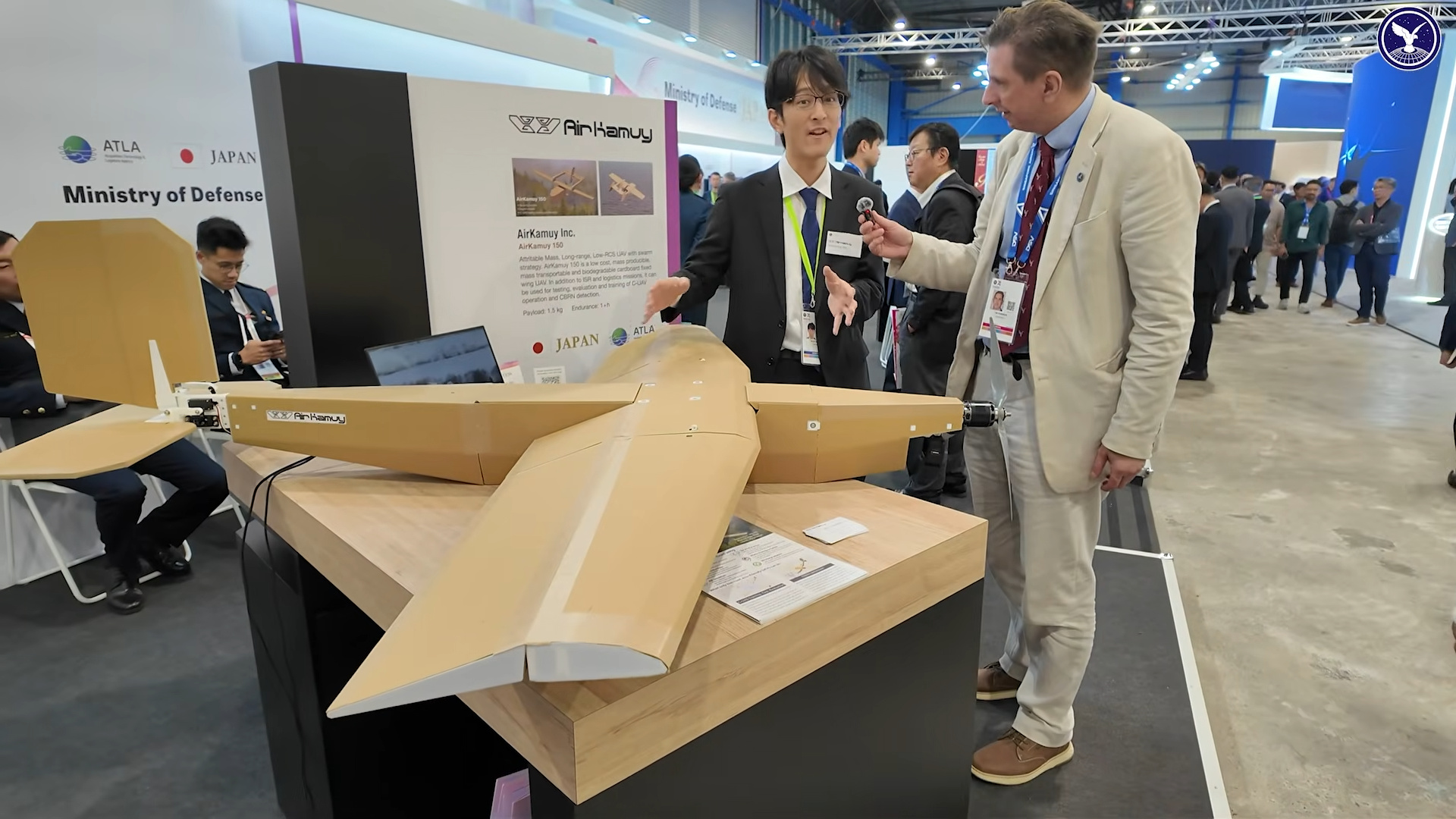
Cardboard drone created in Japan reaches 120 km/h, has up to 80 km of range, low-cost design can be assembled in a few minutes and stands out for its simplicity and mass production.
The work arose from a demand for ingredients capable of improving aroma, flavor, and performance of plant-based products inspired by meat, but it ended up opening a broader avenue for the utilization of agro-industrial waste.
Meat aroma in plant foods
In the initial tests, the researchers combined different Amazonian fungi with solid plant substrates and found, in some fermentations, an intense aroma similar to that of passion fruit.
The change appeared after heating the fermented product, when the fruity smell began to resemble broth or cooked meat, a result that caught the team’s attention due to its potential use in the formulation of plant foods.
In a report released by Unicamp, Professor Juliano Lemos Bicas stated that the trials advanced from the observation of this aromatic behavior.
According to him, the team tested different fungi and substrates until identifying the passion fruit smell, and since the meat aroma usually arises during cooking, they decided to apply heat to the material, at which point the sensory conversion to a note associated with cooked meat occurred.
Fermentation without solvents and with lower environmental impact

The process uses solid-state fermentation, a model in which the microorganism grows directly on the plant waste without requiring large volumes of water or the use of chemical solvents.
This characteristic reduces industrial steps, decreases the need for purification, and allows the fermented ingredient to proceed to food formulation without undergoing a separate extraction of the aroma.
In practice, the proposal distances itself from the more common logic of the aroma industry, which usually depends on large quantities of raw material to obtain small concentrated aromatic fractions.
In this case, the fermented matrix itself functions as an ingredient, which, according to the researchers, enhances the efficiency of waste utilization and brings the technology closer to processes already established in traditional fermented foods.
Bicas compares this application to the use of fermented ingredients in well-known consumer products, as occurs with certain cheeses, wines, and other foods obtained through microbial action.
In the evaluation presented by the team, the advantage lies in incorporating a functional and aromatic ingredient into the final product at the same time, instead of separating, purifying, and then reintroducing only part of the compounds generated during fermentation.
Increase in proteins and presence of vitamin D
In addition to the sensory effect, the experiments indicated nutritional gains in the fermented material.
According to Professor Mário Roberto Maróstica Junior, the growth of the fungus on the substrate enriches the matrix, increases the protein content, alters the amino acid profile, and favors the formation of bioactive compounds, including ergosterol, a precursor of vitamin D.
The researcher also reported that the process reduces antinutrients, substances that can hinder the absorption of vitamins and proteins by the body.
As a result, initially low-value waste begins to have a more noble application in the food industry, especially in categories that seek to combine nutritional appeal, raw material reuse, and formulations with fewer processing steps.
The team also observed relevant technological properties for the development of new products, such as water retention and emulsification capacity, important factors for texture and stability.
These characteristics broaden the range of applications beyond meat analogs and can include breads, snacks, and other processed foods that depend on ingredients with structural, sensory, and nutritional functions at the same time.
Patent and potential for use in the food industry
According to Unicamp, the technology has already entered the phase of intellectual protection through a patent application filed and now depends on partnerships for licensing, complementary development, and large-scale production.
Participating in the research, in addition to Bicas and Maróstica Junior, were professor Liliana de Oliveira Rocha, graduate student Gustavo Aparecido Martins, and researchers from Inpa Ceci Sales-Campos, Larissa Ramos Chevreuil, and Maria Aparecida de Jesus.
The advancement aligns with a broader agenda of the food industry, which seeks traceable origin ingredients, lower environmental impact, and greater utilization of by-products.
In this scenario, the combination of Amazonian fungi, solid fermentation, and agricultural waste places Brazilian research at the forefront of innovation that unites aroma, functionality, and nutritional enrichment in a single ingredient.








Seja o primeiro a reagir!