





 Portuguese
  English
  Spanish
  4 min of reading
  0 comments


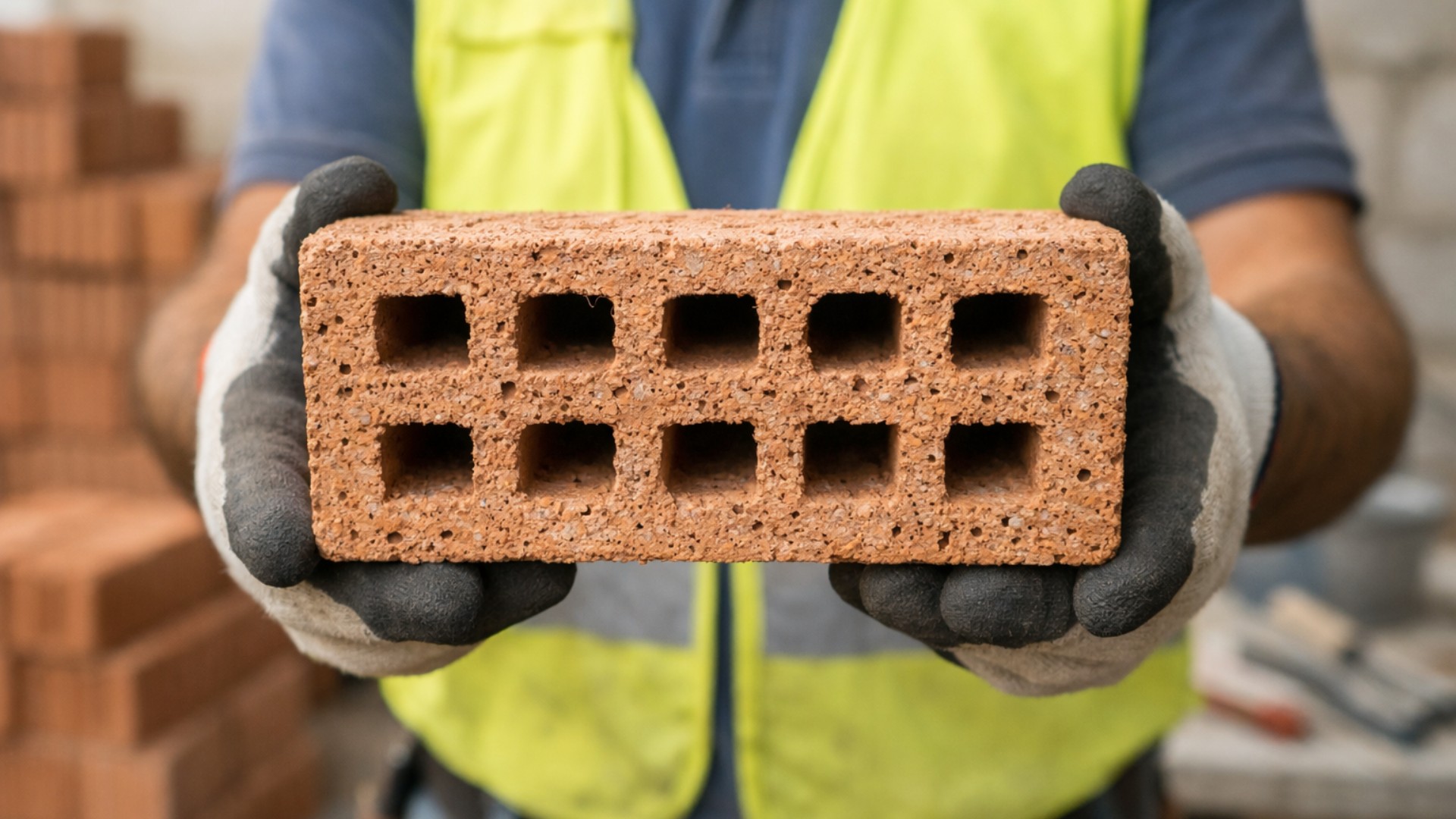
Research reveals how wood waste can reduce brick weight and improve thermal performance, indicating a sustainable and efficient alternative for civil construction without changing traditional manufacturing processes.
Researchers identified that incorporating wood sawdust into clay can produce lighter bricks with better thermal performance, in a combination that utilizes a common waste from the wood industry and transforms it into a material with potential use in construction.
The results were presented in a scientific study published in the journal Scientific Reports, which analyzed the effect of sawdust on the physical and thermal properties of fired ceramic bricks.
Study analyzes impact of sawdust on brick composition
The investigation was conducted by Omrane Benjeddou from the Department of Civil Engineering at Prince Sattam bin Abdulaziz University in Saudi Arabia.
-
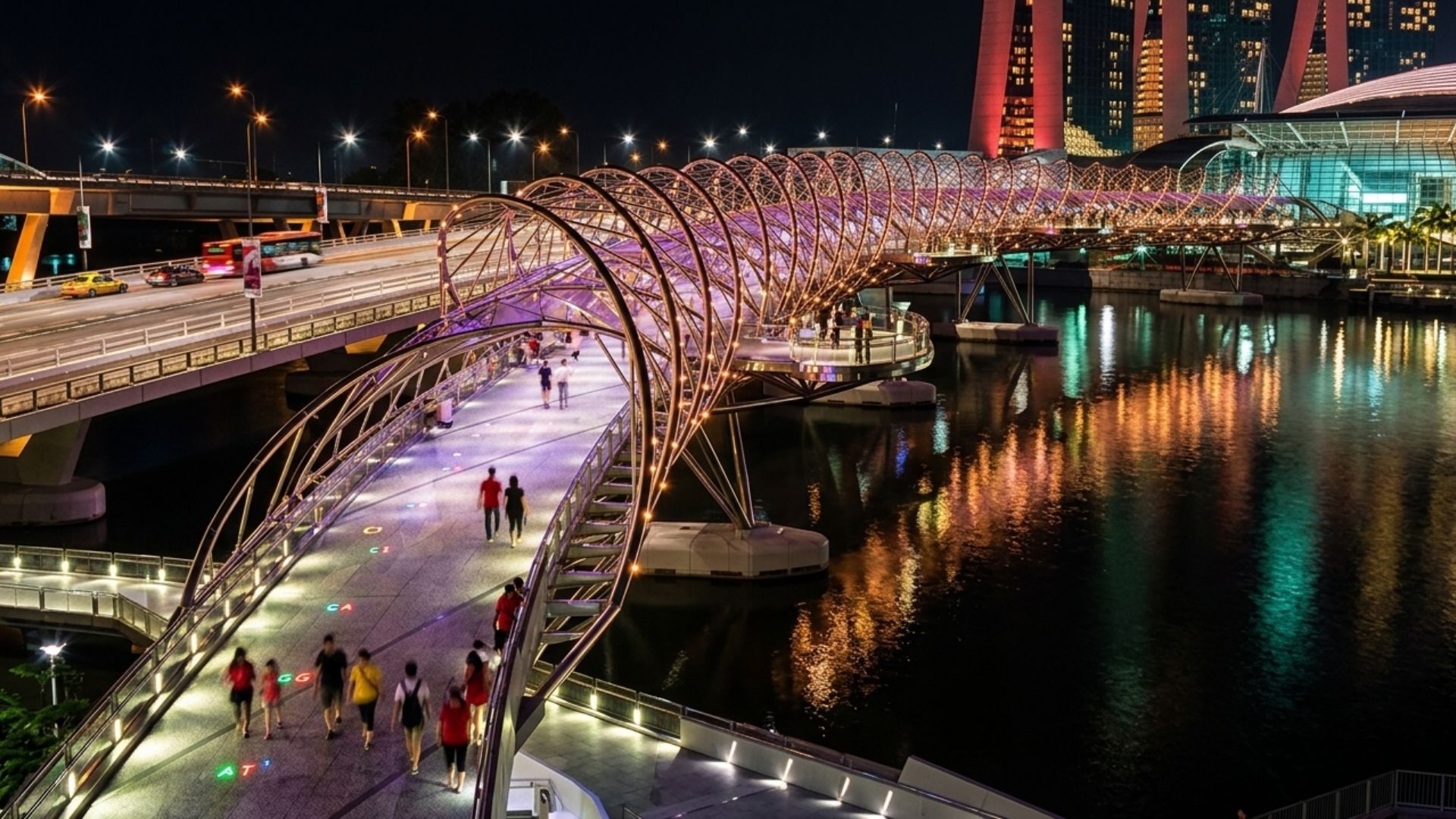
With a DNA shape, this bridge in Singapore draws attention in modern architecture and surprises tourists by transforming a simple crossing into an unforgettable visual experience in the urban heart.
-
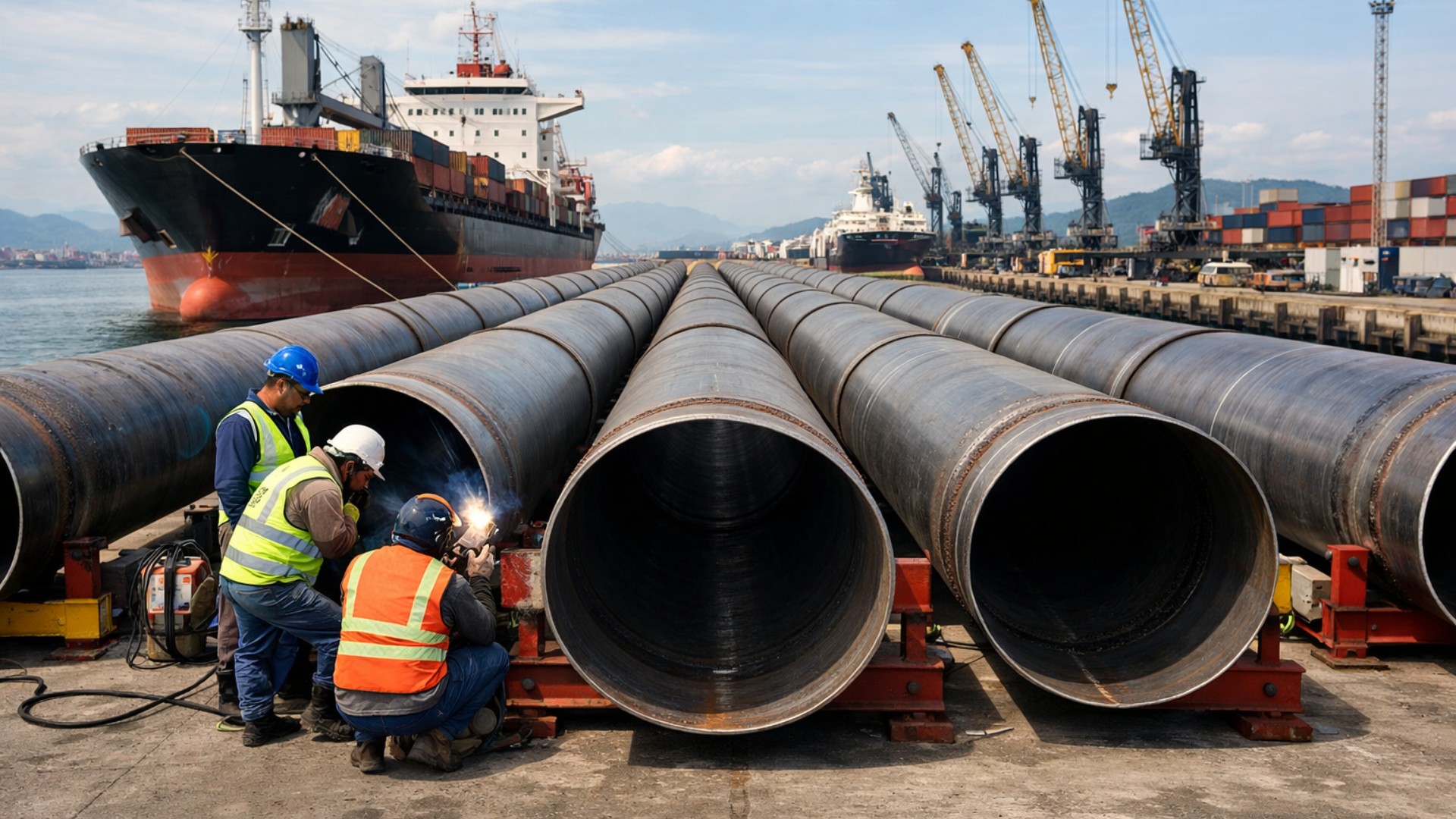
Giant underwater pipeline begins to take shape with a R$ 134.7 million project at the Port of Santos: the 1.7 km structure uses 12-meter and 700 mm pipes to supply water to 450,000 people in Guarujá.
-
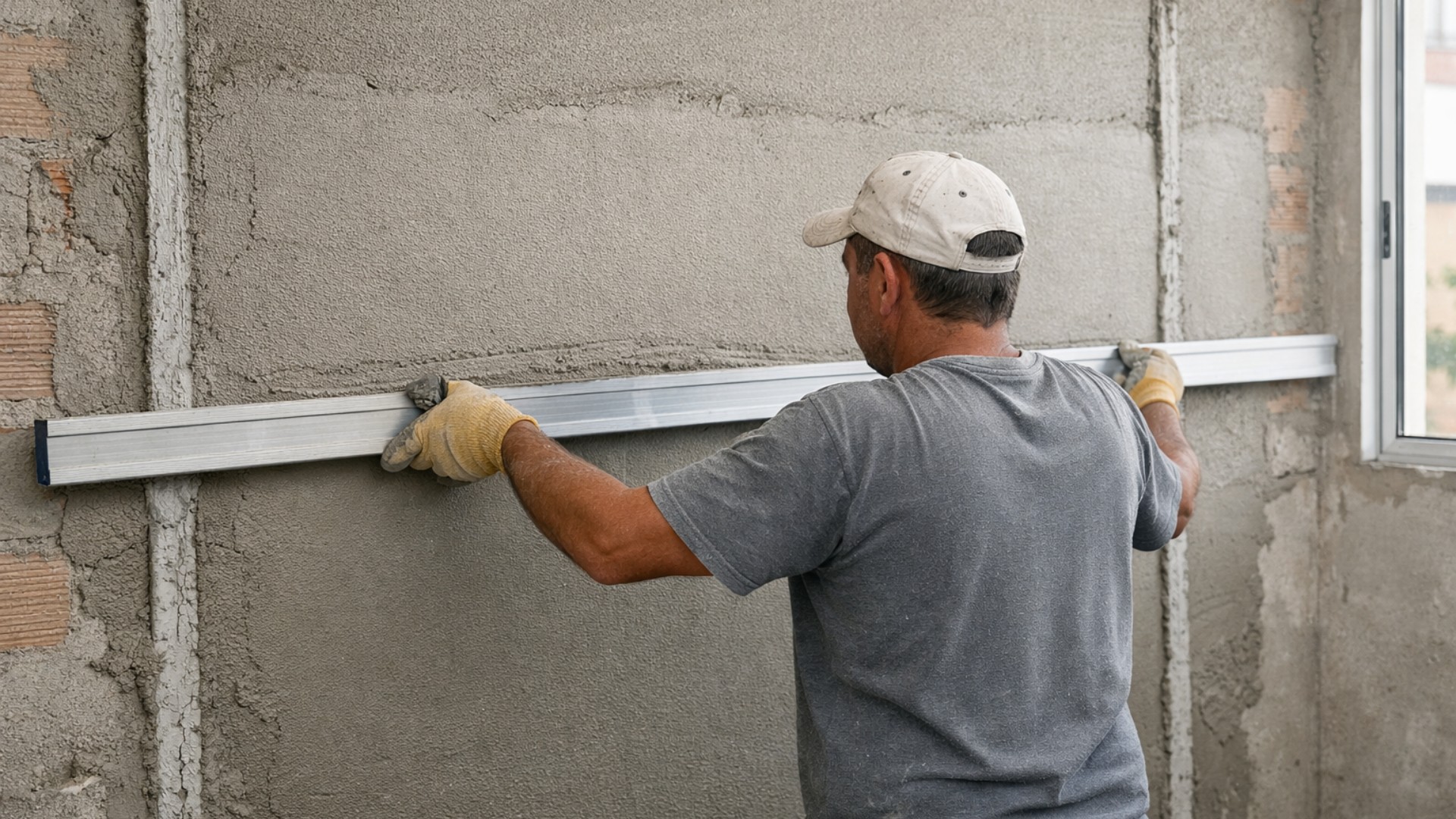
A mason reveals a professional plastering technique that uses aligned guides and a 3-meter ruler to plaster an entire wall in up to 3 hours, without visible seams, with uniform thickness, perfect plumb, and a finish ready for painting without rework.
-
The project that was supposed to be ready for the 2014 World Cup in Brazil debuted with a 12-year delay and nearly R$ 6 billion invested: the Line 17-Gold of the São Paulo monorail opened with reduced hours and is only expected to operate fully in October.


The work evaluated five formulations of bricks, with 0%, 2%, 4%, 6%, and 8% sawdust by mass in the clay composition, to measure how the addition of this material altered density, porosity, thermal conductivity, thermal diffusivity, and specific heat capacity.
Lighter and more porous bricks with addition of waste
In practice, the experiment showed that increasing the sawdust content made the bricks progressively more porous and lighter.
According to the article, the total porosity increased from 18% in the model without sawdust to 42% in the sample with 8% waste.
In the same range, the density dropped from about 2,090 kg per cubic meter to 1,398 kg per cubic meter, a reduction of nearly 33%.
For the authors, this behavior is linked to the burning of organic matter during the manufacturing process, which creates internal voids in the ceramic piece.
This weight relief drew attention because it directly affects the handling and transportation of the pieces.
The study notes that above 4% of incorporated sawdust, the bricks can already be classified as lightweight, a characteristic valued in construction systems that seek to reduce structural load and facilitate execution.
Thermal performance improves with presence of air in pores
At the same time, the most significant gain for use in buildings appeared in thermal performance, a central point for environments subject to high heat exposure.
In laboratory tests, the thermal conductivity of the bricks decreased as the amount of sawdust increased.
The reference sample, without the addition of waste, showed an approximate value of 0.55 W per meter-kelvin.
Meanwhile, the piece with 8% sawdust reached about 0.41 W per meter-kelvin, a drop of over 25%.
The article associates this result with the air trapped in the pores formed after the burning of the sawdust, as air offers greater resistance to the passage of heat than the solid matrix of clay.
Material slows heat exchange in buildings
The study also observed a reduction in thermal diffusivity, an indicator related to the speed at which a material responds to temperature variations.
In parallel, there was an increase in specific heat capacity as the fraction of sawdust grew.
This set of properties suggests a more interesting material for building envelopes that need to slow down the transfer of heat between the exterior and interior of the building.
This factor is especially relevant in places where thermal comfort influences energy consumption for artificial cooling.
How the bricks were produced in the laboratory
To achieve these results, the researchers manufactured samples in plates measuring 270 by 270 by 40 millimeters, with a controlled mixture of clay, sawdust, and water.
After molding, the material underwent gradual drying in an oven, with stages between 40 °C and 110 °C, before firing in a laboratory kiln.
The total thermal cycle of firing lasted 23 hours and included progressive heating up to 850 °C, followed by a maintenance period at this temperature to consolidate the ceramic matrix and promote the combustion of the organic waste incorporated into the mass.
Technical standards ensure accuracy of results
The measurements were made based on technical standards for density, porosity, and thermal transmission in steady state.
In the case of thermal conductivity, the tests followed the NF EN ISO 8990 standard, using a thermal box apparatus capable of applying a controlled temperature difference on the faces of the material.
The article emphasizes that this methodology allows for reproducible evaluation of the brick’s behavior in response to heat flow, a factor considered crucial for materials aimed at the energy efficiency of buildings.
Reuse of waste gains space in construction
In addition to the technical gain, the research fits into a broader agenda of reusing waste from the wood chain.
Sawdust is often generated in large volumes in sawmills, carpentries, and industrial cutting and finishing processes, and the study treats it as a raw material of added value when incorporated into red ceramics.
By replacing part of the clay with a byproduct already available, the solution seeks to combine reduced waste, lower final mass, and better thermal insulation in a single product.
The authors highlight that the addition of sawdust, especially in proportions starting from 4%, paves the way for bricks with a lightweight and thermally efficient profile, without abandoning the traditional manufacturing process through firing.
In a sector that deals with transportation costs, thermal performance, and pressure for lower-impact solutions, the proposal draws attention for using a simple waste to alter relevant properties of the material.
If such a common leftover from carpentry can change the thermal behavior of a brick, what other everyday waste can still become a real solution for civil construction?








Seja o primeiro a reagir!