





 Portuguese
  English
  Spanish
  6 min of reading
  0 comments



Even With New Factories and Incentives, Cars Produced in Brazil Remain High-Priced. Experts Explain How Taxes, Exchange Rates, Logistics, and Structural Costs Keep Prices High Even With Local Production.
Models from brands like BYD, Toyota, and GWM are already manufactured or assembled in the country, but price reductions do not keep pace with the rate of factory openings.
According to a report published by the UOL portal, the formation of the price of the national car continues to be pressured by taxes, exchange rates, logistics, interest rates, labor costs, regulatory requirements, imported content, and the manufacturers’ own margin strategies.
Even with recent incentive programs, such as the Sustainable Car program, the impact for consumers has been sporadic and short-term, according to industry analysts.
-
Brazil Ignores Trump’s threats to BRICS, Buys 42 tons of gold and reduces the Dollar’s share by 6.45% in international reserves.

-
Havan buys historic football land in Blumenau for a million-dollar amount protected by a confidentiality clause and is already planning to change even the layout of streets to build a megastore in half-timbered style costing 80 million reais.

-
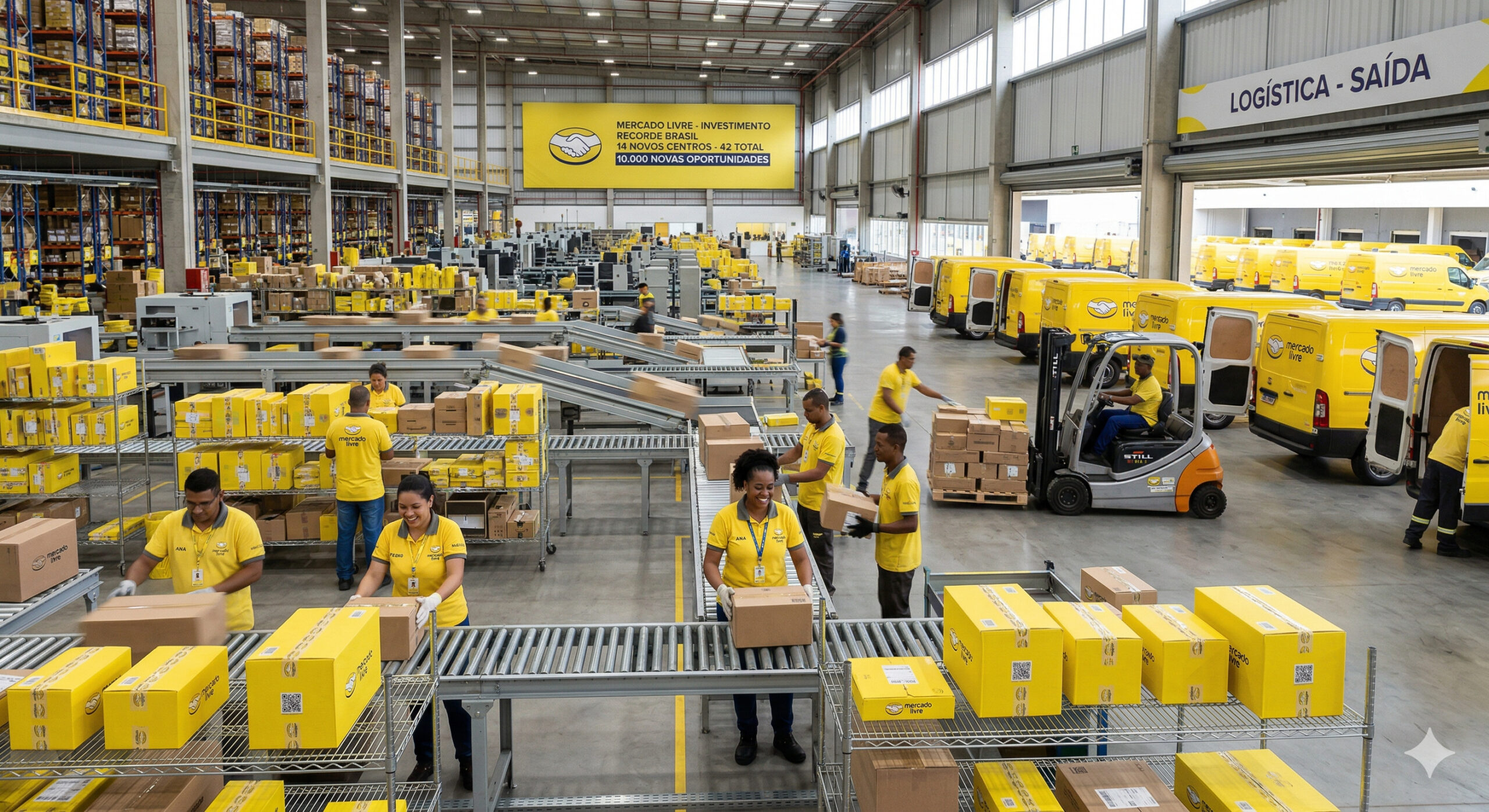
Mercado Livre “opens the vault” and announces a record investment of R$ 57 billion in Brazil in 2026, a value 50% higher than the previous year, with an expansion plan that includes 14 new logistics centers, totaling 42 units in the country and hiring an additional 10,000 employees.
-
How investment in technology can revolutionize the national economy and enhance industrial gains, according to a study that highlights the direct impact on productivity, innovation, and wealth retention within Brazil.


Taxes: High Tax Burden Directly Impacts Price
The tax burden is one of the main components of the final price of vehicles in Brazil.
According to an investigation by UOL, the share of taxes such as IPI, PIS/Cofins, and ICMS varies from just over 24% to more than 32% of the final value, depending on the engine type and technology adopted.
The basic IPI for gasoline cars from 1.0 to 2.0, for example, is around 27.3%, a percentage higher than that observed in markets such as Italy, the United Kingdom, Germany, Japan, and the United States, where rates are significantly lower.
Experts explain that this difference helps to understand why local manufacturing does not necessarily result in lower prices.
Labor Costs and Charges Drive Up Final Value
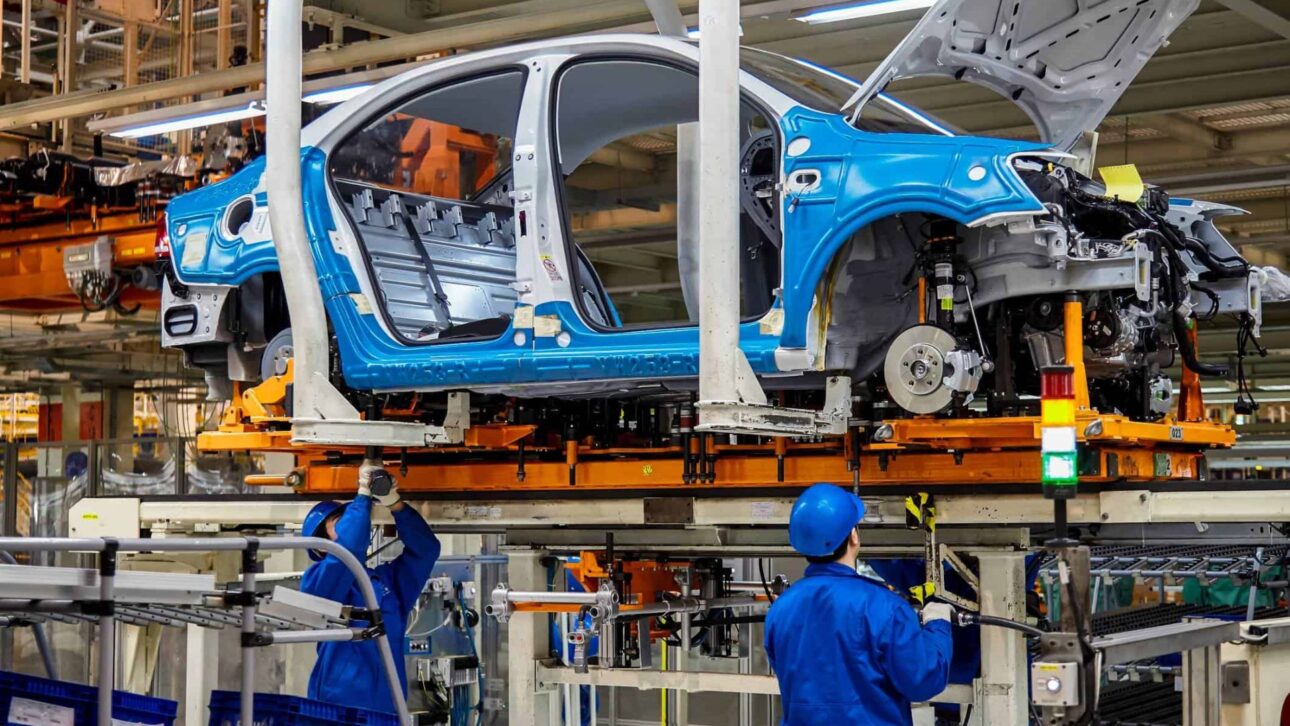
Labor costs are another relevant factor for the sector.
Automotive consultant Ricardo Bacellar explains that the tax burden on payroll can reach 80%, a figure considered high by industry representatives.
In general, business estimates indicate charges between 60% and 70% on salaries, depending on the tax regime and size of the company.
By employing a large number of people both directly and indirectly, the automotive industry ends up concentrating a good part of this burden, which affects production costs.
Logistics and Transportation: Country Dimensions Increase Sector Costs
The transportation of supplies and vehicles within the country is another challenge.
Brazil primarily relies on roads for its production output — about 60% of cargo is transported on highways, according to industry consultancy data.
This predominance, combined with fuel prices and limited infrastructure in various regions, increases the cost of transporting parts and automobiles.
The UOL portal also highlighted that, compared to countries that use railways and waterways on a large scale, Brazil’s logistic matrix raises costs and reduces the efficiency of the production chain.
Exchange Rate and Imported Supplies Influence the Cost of Cars
Even cars manufactured in the country depend on components and raw materials priced in dollars.
Ores, rubber, and electronic components are examples of imported or dollarized supplies.
Consultant Milad Kalume Neto, executive director of K.LUME Automotive Consulting, notes that “even cars manufactured nationally have high incidences of imported content, in addition to using commodities typically indexed to the dollar.”
Thus, exchange rate fluctuations are passed along the production chain and, ultimately, to the final consumer.
Safety Regulations and Technology Increase Costs
The safety and energy efficiency requirements imposed by Brazilian legislation also raise development costs.
According to industry experts, compliance with these standards requires constant investments in engineering, updating platforms, and driver assistance technologies.
Consultant Milad Kalume Neto summarizes that “the development of vehicles requires investment, and there is no philanthropy in this market. Someone pays the bill, and in this case, it is the consumer.”
In 2017, the average price of a passenger car was around R$ 72,000; currently, it exceeds R$ 150,000, even considering accumulated inflation during the period.
Local Assembly or Full Production: Difference in Margins
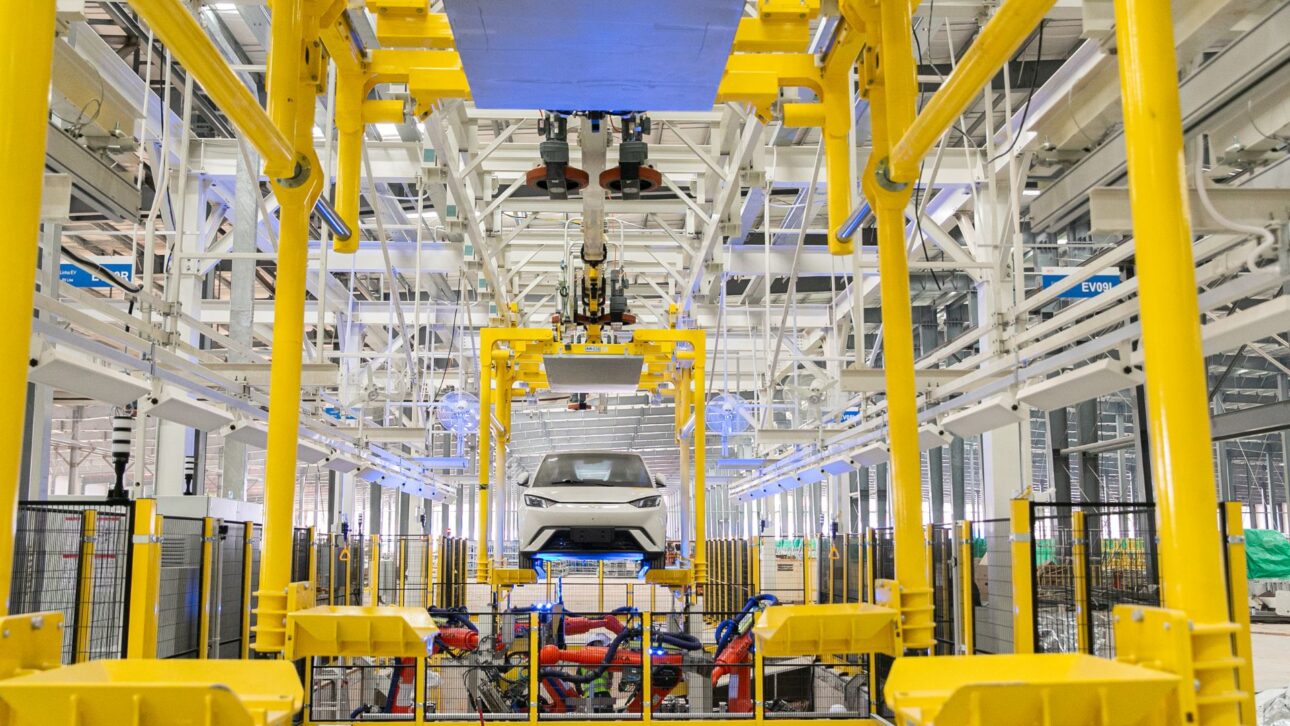
The discussion about what it means to “produce” a car in Brazil gained strength with the arrival of new manufacturers.
For Ricardo Bacellar, “manufacturers do the math and see that it is cheaper to bring the modules and assemble the car here than to produce it entirely in the country, precisely because of the tax burden.”
Kalume adds that “when producing, the number one focus is recovering the profit margin for the manufacturer”, in addition to optimizing processes and financial flows.
The UOL highlighted in its report that this strategy — of importing CKD or SKD kits and doing local assembly — allows for reduced initial investment but keeps companies exposed to exchange rate fluctuations and changes in tax regulations.
Rules for Electrics and Hybrids: Temporary Incentives
The changes in import rules also influence costs.
In 2025, the government anticipated the full collection of 35% import tax for CKD and SKD kits for electric and hybrid cars to January 2027, which was originally scheduled for 2028.
In contrast, a temporary exemption quota of US$ 463 million was created, valid for six months.
According to analysts, these measures offer momentary relief to manufacturers that depend on external components but do not guarantee price stability in the medium term.
Interest Rates and Credit: Barriers to New Car Consumption
Financing remains the primary means of purchasing new cars in the country.
Despite the gradual reduction in the basic interest rate, credit conditions are still considered restrictive.
According to financial consultancies, bank spreads and down payment requirements keep the total cost high, reducing access for some consumers.
In the assessment of experts, this limitation decreases demand and hinders significant price cuts, even when there are promotions or sporadic incentives.
Incentive Programs Have Sporadic Effect
The Sustainable Car, a federal program in effect since mid-2025, eliminated the IPI for more efficient and environmentally friendly versions.
UOL found that between July and September, sales of the benefited models grew 24% compared to the same period the previous year, totaling about 109,000 units.
Still, the result is considered sporadic by economists and consultants in the sector, as the benefit has a limited timeframe and scope.


Once the program ends, prices are expected to revert to previous levels, influenced by the same structural factors.
New Factories Expand Offer, But Impact is Limited
The opening of new industrial plants is seen by analysts as an important step, but insufficient to consistently lower vehicle prices.
The GWM started operations in Iracemápolis in August 2025, while BYD opened the Camaçari complex in October of the same year, focusing on electric and hybrid models.
These facilities are expected to expand supply and generate jobs, but the direct impact on prices is limited, as part of the components is still imported.
The UOL portal also pointed out that, although the movement increases production capacity, the nationalization of parts and technologies will be gradual and depends on more stable economic and regulatory conditions.
Margins and Business Environment Keep Prices High
According to market analysts, pricing decisions consider the balance between costs, exchange rates, interest rates, and investment return planning.
Manufacturers investing large amounts in new factories and product development seek to preserve margins to maintain financial viability.
In a scenario of exchange rate instability and complex tax rules, widespread price reductions tend to be viewed by companies as risky.
Experts assert that until there are structural advances — such as tax simplification, logistical improvement, and sustainable decreases in capital costs — producing cars in Brazil is likely to improve supply and reduce some bottlenecks, but will hardly result in significantly lower prices.
In your opinion, which of these factors weighs most heavily to keep the national car among the most expensive in the world?






Seja o primeiro a reagir!