





 Portuguese
  English
  Spanish
  4 min of reading
  0 comments



Running a red light to give way to ambulances may save you from a fine, but there are important details you need to know to avoid penalties.
Imagine the scene: an ambulance approaches quickly, the siren echoes down the street, and you are stopped at the red light. What to do? If you run the red light, you will be committing an offense.
However, failing to give way to emergency vehicles is also against the law. It seems like a dilemma without a solution, right? What many drivers do not know is that the answer to this surprising situation is provided for in the Brazilian Traffic Code (CTB).
Although the instinct may be to avoid the infraction, giving way to an emergency ambulance may not be as simple as it seems. What does the law say, and how can you act correctly without being penalized? The answer may be different from what you imagine.
-
A 250cc motorcycle that can reach 560 km with a 14-liter tank, features disc brakes on both wheels and is among the most well-known in Brazil.

-
Man finds over 200 rare cars abandoned on a lot and tries to do the impossible in 8 hours with a surprise at the end.

-
An irregular parking case gains attention after a Mercedes Classe A was removed in such a strange way that it even raised doubts about damage to the car.

-
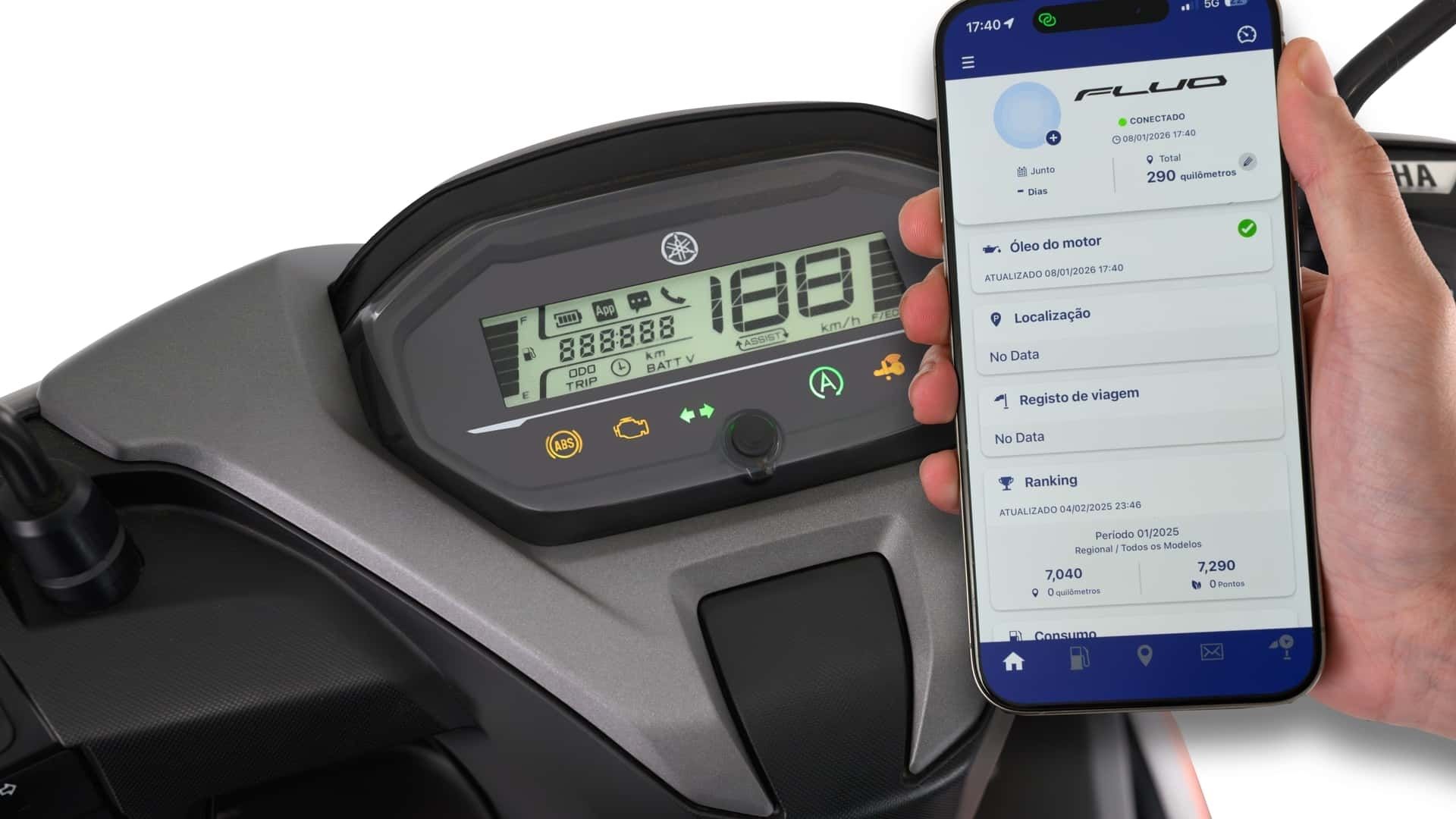
Costing R$ 16,000, the new Yamaha features a 125 cc hybrid engine with electric assistance, delivers 8.3 hp, includes ABS, optimized fuel consumption, Y-Connect connectivity, 25 liters of storage space, and a surprising 4-year warranty in the urban segment.

What Does the Brazilian Traffic Code Say?
According to the Brazilian Traffic Code (CTB), a driver who does not give way to emergency vehicles, such as ambulances, fire trucks, or police vehicles, with the siren on, is committing a serious offense.
Article 189 makes it clear that it is mandatory to give way to these vehicles when they are on emergency service. However, the question that confuses many is: what happens if the light is red?
The National Traffic Secretary (Senatran) explains that, even with the red light, the driver must yield to emergency vehicles. This means that, in emergency situations, running the red light may be necessary.
And What If There Is a Fine?
Here is the point that generates the most doubts. According to Senatran, when running a red light to give way, the driver will not be fined, as long as the emergency vehicle is properly identified and in service with the sirens on.
The traffic authority can verify that both the vehicle and the ambulance passed by at the same time and date, and thus, the system of citation will automatically cancel the applicable penalties for the driver who gave way.
However, if the emergency vehicle passes the intersection while the light is already green and the driver advances with the light red, the situation may be different.
In this case, it is important to note the ambulance’s license plate or another emergency vehicle to facilitate filing an appeal if a fine is imposed. With identification, the traffic authority can access images and confirm the occurrence, which facilitates the driver’s defense.
How to Proceed in Case of a Fine?
If you receive a fine for running the red light while giving way to an emergency vehicle, there are ways to contest the penalty.
Noting the license plate of the emergency vehicle and documenting the incident are essential measures. This type of documentation can help facilitate the approval of the appeal, as the traffic authority can check the monitoring cameras and prove that the driver acted correctly. Identifying the vehicle or ambulance is crucial in this process.
On the other hand, failing to give way to emergency vehicles is considered one of the most serious offenses under the Brazilian Traffic Code.
The fine for this infraction is R$ 293.47 and adds seven points to the National Driver’s License (CNH). Therefore, in addition to being a matter of safety and social responsibility, giving way to ambulances and emergency vehicles is a way to avoid severe penalties.
And What If There Is a Collision?
A detail that is often not discussed is the possibility of an accident when running a red light. In this scenario, the responsibility falls on the driver who ran the light, even if the reason was to give way to an ambulance.
In case of an accident, it is always advisable for the driver to also document the incident and inform that they acted in response to an emergency, as this may influence the assessment by the traffic authorities.
Additionally, it is worth remembering that communication with the competent authorities can help resolve disputes more quickly and avoid undue penalties.







Seja o primeiro a reagir!