





 Portuguese
  English
  Spanish
  2 min of reading
  0 comments


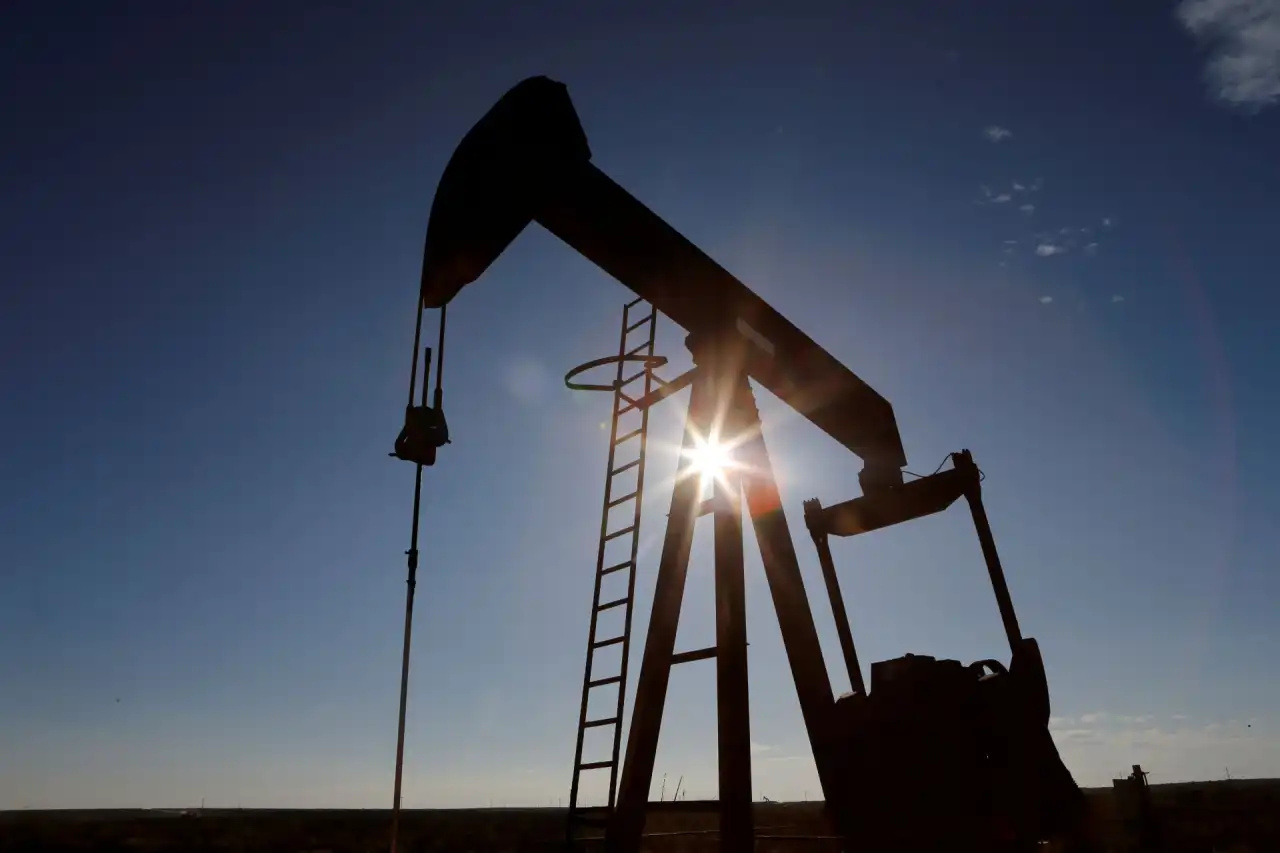
Landowners Can Receive 0.5% to 1% of the Oil Extracted from Their Land, Even If the Resource Belongs to the Federal Government. Understand Legal Rights.
Finding oil on your land may seem unusual, but Brazilian legislation provides that, even if the resource does not belong to the owner, they have the right to <strongreceive a financial participation from the exploitation.
This rule applies to all mineral resources extracted from the subsoil, including oil and natural gas, ensuring fair compensation to the landowner.
What The Constitution Says
According to Article 20, Section IX of the Federal Constitution, mineral resources found in the subsoil are considered property of the Federal Government, meaning that the oil found in your backyard is not directly owned by the landowner.
-
The noise law will no longer be in effect at 10 PM starting in June with a new rule valid during the 2026 World Cup.

-
The Chamber opens a debate on driver’s licenses at 16 years old as part of a reform that includes around 270 proposals to change the Brazilian Traffic Code and may redesign rules for licensing, enforcement, and circulation in the country.

-
The new Civil Code could revolutionize marriages in Brazil with “express divorce” and changes that could exclude spouses from inheritance.

-
Banco do Brasil sues famous influencer for million-dollar debt and intensifies debate on delinquency, risks of seizure, and direct impact on Gkay’s credibility.


On the other hand, Article 176, § 2 of the same Constitution guarantees the landowner participation in the results of the extraction.
In practice, this ensures that the landowner receives a financial share proportional to the exploitation of the resource, even without owning the oil itself.
Details of Financial Compensation
The Law 9.478/97, which regulates national energy policy, explains how landowners can be compensated. According to Articles 51 and 52 of the law:
- The owner has the right to payment for the occupation or retention of the area used for exploration, usually calculated per square kilometer or fraction of the explored block.
- Moreover, they receive a variable percentage of 0.5% to 1% of the oil or natural gas production, defined by the National Oil Agency (ANP).
This means that the higher the production on the land, the greater the owner’s share will be, creating a significant income opportunity.
Practical Implications
Although the right to financial participation is guaranteed, exploitation does not always generate immediate wealth.
Oil production depends on investments in infrastructure, extraction time, and available resource volume.
Therefore, the financial return can vary greatly from case to case.
However, even moderate production ensures that the owner receives fair compensation for the use of their land, enhancing their property value and aligning the interests of the landowner with those of the Federal Government and the companies responsible for the exploitation.
Balance Between Property and Mineral Resources
Brazilian legislation seeks to balance two rights: the Federal Government’s ownership of mineral resources and the financial protection of the landowner.
Thus, even without owning the oil, the owner has a guarantee of proportional participation in production, protected by the Constitution and by Law 9.478/97.
This mechanism reinforces the idea that natural resources are national assets, while citizens also have the right to benefits when they relinquish their land for economic exploitation.









-

Uma pessoa reagiu a isso.