





 Portuguese
  English
  Spanish
  5 min of reading
  0 comments


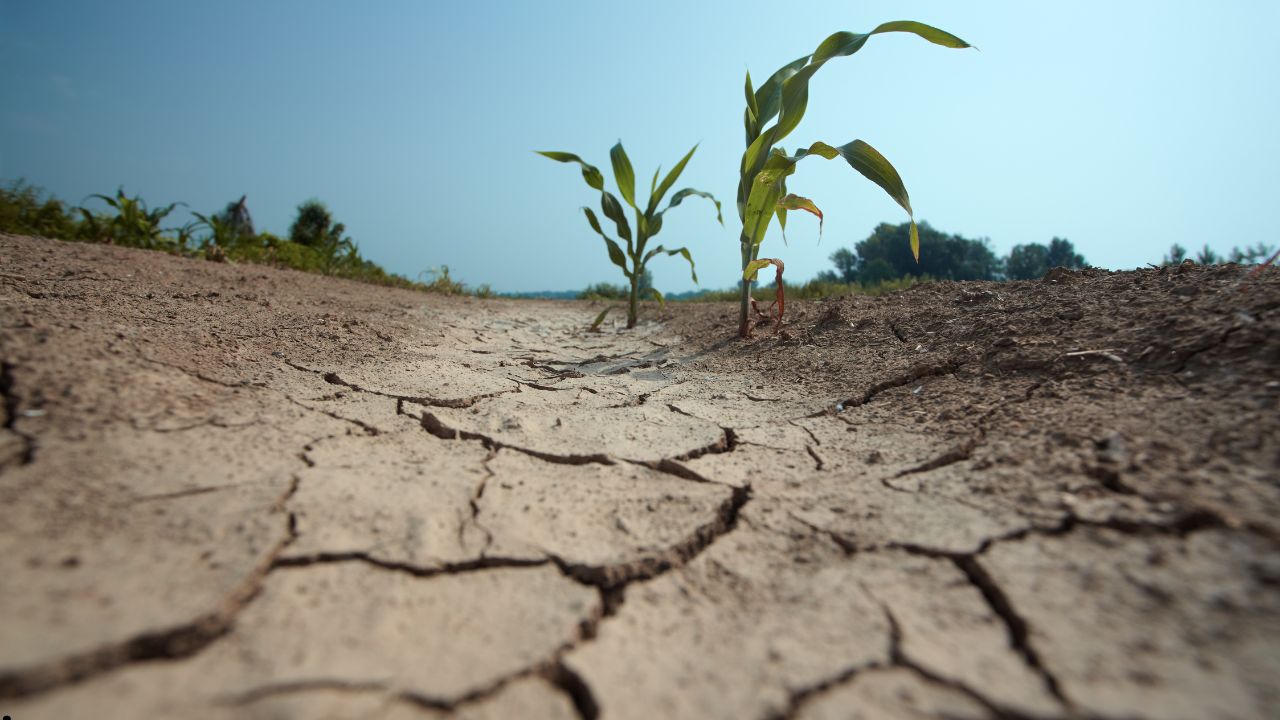
Global Study Reveals That Droughts Are Getting Longer, Hotter, and More Frequent in the World; Brazil Appears Twice Among the Ten Most Severe Cases, With Devastating Impacts in the Amazon and Southeast, According to OMM Report and Unpublished Data from Science.
Extreme droughts are giving a real “knockback” to global climate patterns. And it’s not just an impression: the world is getting drier, hotter, and more unpredictable. A massive study revealed that mega droughts are increasing in frequency and intensity, and Brazil, unfortunately, made it twice into the top 10 worst on the planet.
The alert doesn’t come only from pure and hard science — it’s knocking at our door. In 2024, the country experienced the worst drought in its recent history, affecting almost 60% of the national territory. Rivers dried up, communities were isolated, and fires were relentless. The climate is calling for help, and we need to listen.
What Are These Extreme Droughts That Scare the World?
The difference between a drought and a mega drought is the duration. While common droughts last weeks or a few months, these new giants last at least two years — and are significantly more severe. The study published in the prestigious journal Science analyzed over 13,000 events between 1980 and 2018. Researchers identified that these droughts do not appear suddenly: they settle in quietly, spread out, and by the time we see it, the damage is already too great.
-
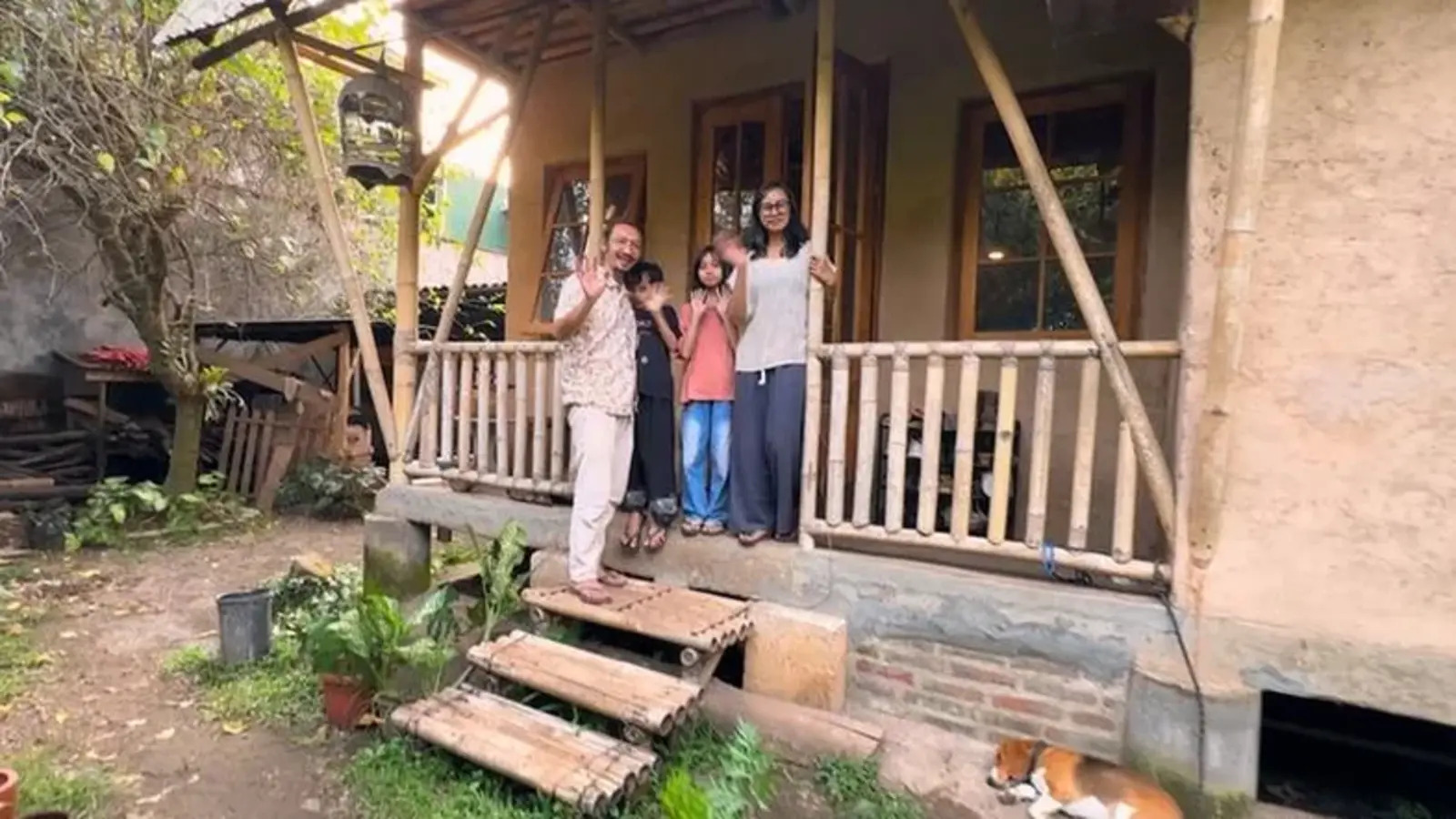
With earth, bamboo, straw, and lime mortar, a specialist builds a house for just over $460 and draws attention for its cost being much lower than traditional construction.
-
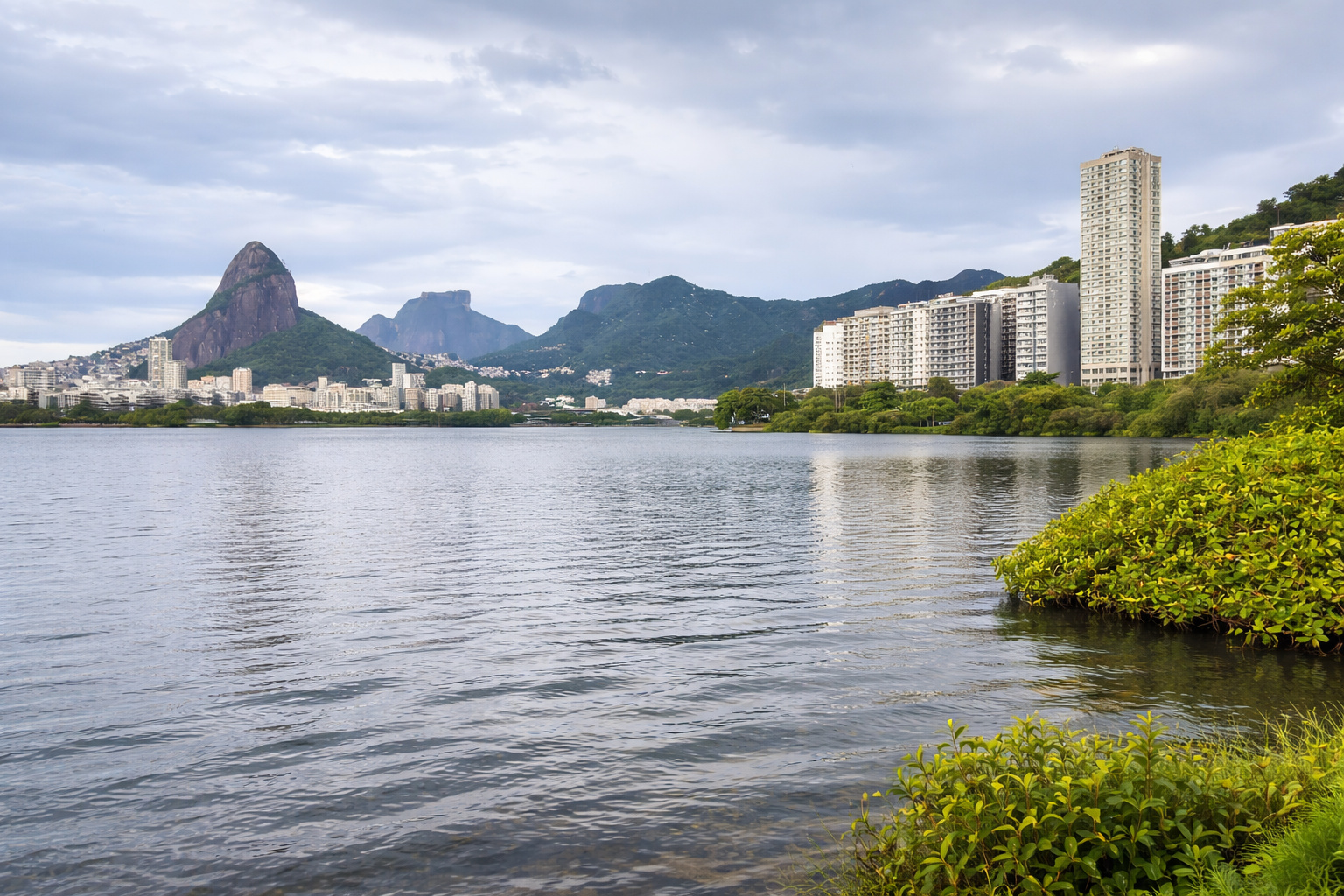
Rodrigo de Freitas Lagoon advances in environmental recovery with sanitation, elimination of irregular sewage, and the resumption of water sports in Rio de Janeiro.
-
Sustainable housing gains strength with a nationally awarded project in Campo Grande, highlighting innovative solutions that combine sustainability, urban integration, and efficiency in the use of natural resources.

-
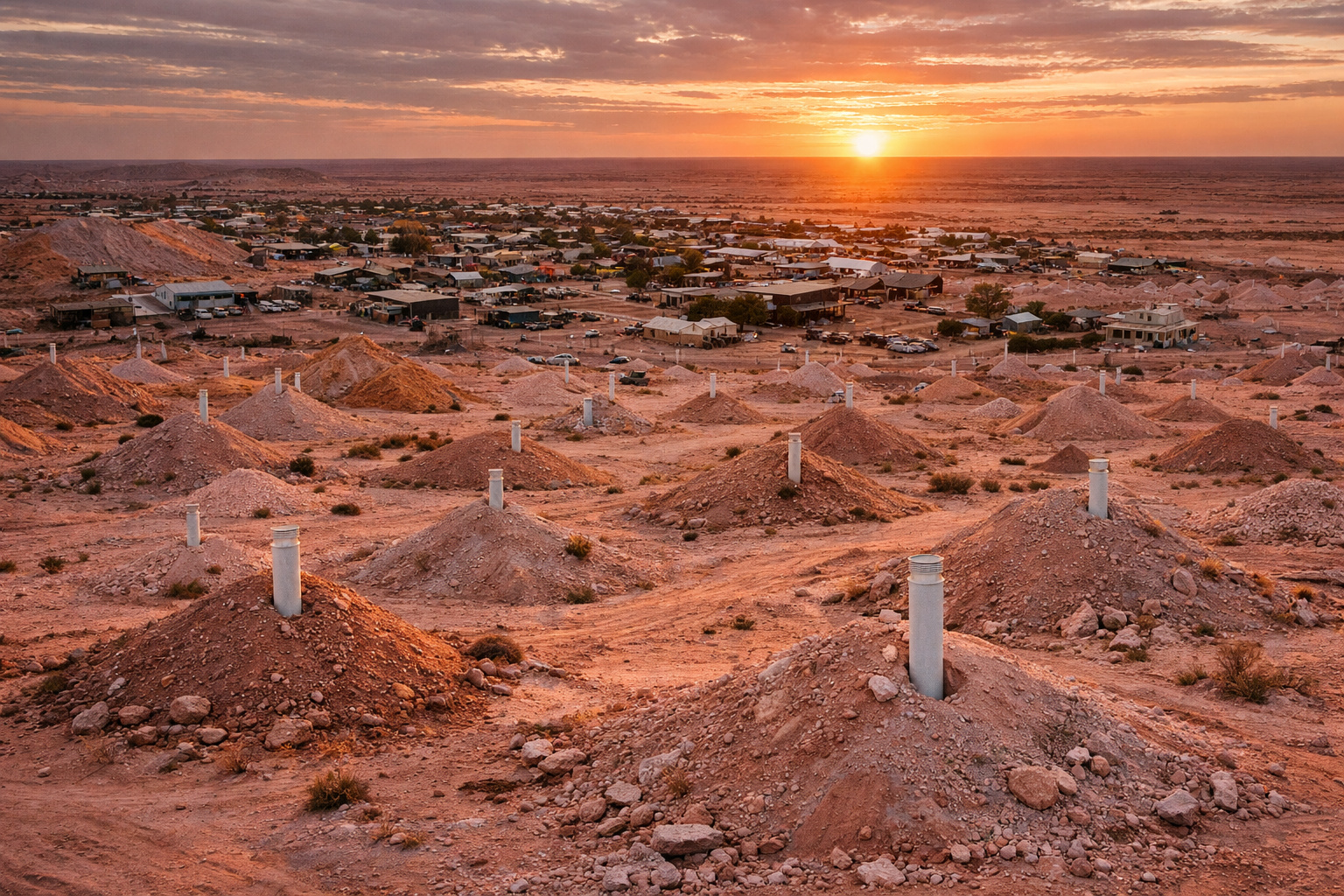
City Where Residents Live Underground to Escape 52°C May Be a Picture of the Future on an Increasingly Hot Planet

According to researcher Simone Fatichi from the National University of Singapore, these prolonged droughts are not mere “meteorological events.” They are persistent anomalies, where rain disappears, the demand for water increases, and the land simply can’t cope. In some cases, evaporation and plant transpiration (the so-called evapotranspiration) only worsen the situation. In other words: the problem is more serious than it seems.
Brazil at the Top of the Global Ranking of the Most Severe Droughts
Yes, Brazil appears twice on the list of the 10 most severe droughts on the planet. The survey identified that the Southwestern Amazon, between 2010 and 2018, experienced one of the worst water crises in history. Rivers like the Madeira, the Negro, and the Solimões reached ridiculously low levels. The result? Isolated communities, compromised navigation, and stressed vegetation.
Between 2014 and 2017, the Southeast region was the stage of a brutal drought that directly affected states like São Paulo, Rio de Janeiro, Minas Gerais, and Espírito Santo. It was then that we first heard the term “dead volume.” The Cantareira System, responsible for supplying millions, dropped below 5% of its capacity. In Minas, the situation of reservoirs neared chaos — and hydroelectric plants almost halted.
Amazon and Southeast: The Extremes of the Brazilian Water Crisis
The prolonged drought in the Southwestern Amazon was so critical that even trees, known for their resistance, showed signs of collapse. The number of fire hotspots between 2015 and 2016 soared 30% above the historical average. The hot, dry soil turned into fuel for uncontrollable fires. By 2024, the Negro River hit its lowest level since 1902, and the region faced a logistical blackout, with no river transport in several areas.
In the Southeast, in addition to the drinking water shortage, there was a power shortage. Furnas almost ran dry. The Paraíba do Sul, essential for Rio de Janeiro, saw its flow plummet. And in Espírito Santo, rivers supplying Greater Vitória nearly disappeared. The water crisis turned into a national problem — and raised alarms about what may still come.
How the World Is Being Affected by Extreme Droughts?
The global study showed a concerning pattern: in hot regions, lack of rain is the biggest villain. In colder areas, the problem is the water that is lost to the atmosphere. Mega droughts are increasing due to three main factors: global warming, decreased rainfall, and more intense evapotranspiration.
An interactive map (see below) shows that some regions have lost up to 60% of normal rainfall. Others have seen increases of up to 18% in water loss. In Africa, the Congo Basin experienced the longest drought of all: nearly ten years of dryness. In Mongolia, vegetation reduced by 30%. In Brazil, the Cerrado and Pampa lost vegetation cover, and even the resilient Amazon began to give way.
What Experts Say and What the Way Forward Is?
Fábio Luengo from Climatempo explains that the Amazon is what it is because of the Andes Mountains and the ITCZ, a moisture belt that nourishes the forest. Without it, it could be a desert. Alexandre Prado from WWF-Brazil is direct: “What we projected for 20 years from now is happening now.”
The OMM, an agency linked to the UN, released a report stating that 2023 and 2024 were critical years for Brazil. The fires were the worst since 2010, and more than 1,200 municipalities were hit by severe or extreme droughts. In October 2024, over 500 cities reported agricultural losses exceeding 80%.
The impact affects everything: biodiversity, agriculture, energy, transport, and even public health. The scarcity of water in rivers compromises hydroelectric plants and threatens supply in cities. And the worst part: the semi-arid region and central Brazil are expected to suffer even more until 2060, according to projections from Cemaden.
Science has already delivered the message: time is changing — and we need to move. The challenge is huge, but we have knowledge and tools to face this new era of droughts. The problem is that time is running short. The future, as experts say, has already begun.
To face the mega droughts that are increasing in Brazil and the world, we will need serious public policies, investment in environmental preservation, and, above all, unity among society, science, and government.
Because if the planet is crying out, we can no longer pretend that we are not listening.
Source: G1







Seja o primeiro a reagir!