





 Portuguese
  English
  Spanish
  3 min of reading
  0 comments


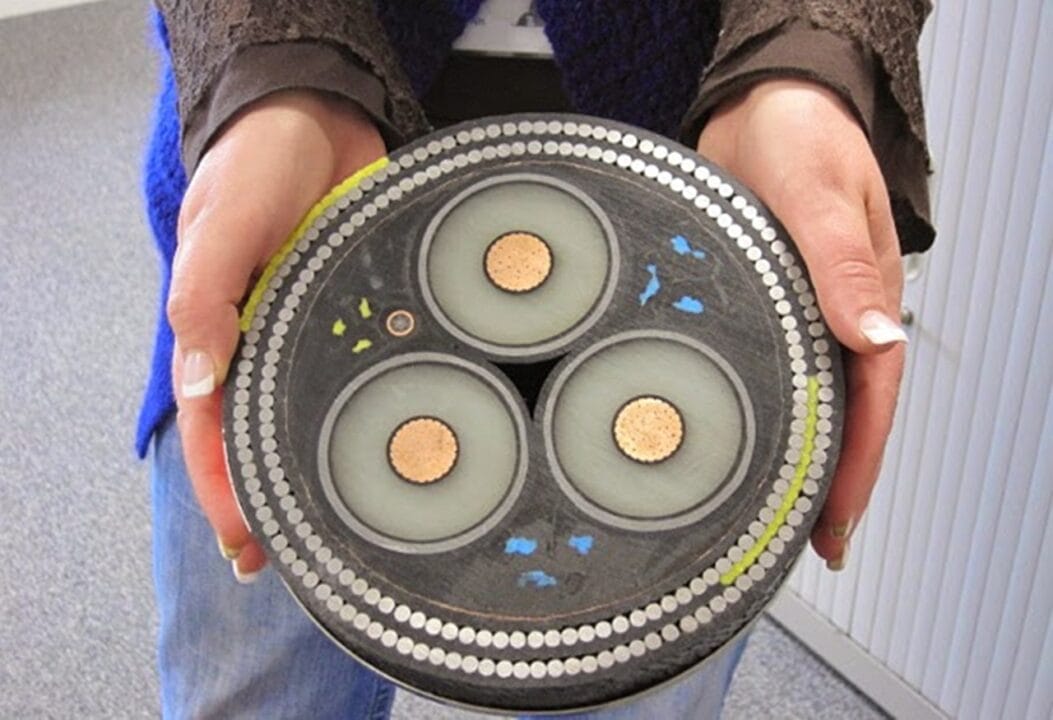
Discover The Secrets Of The Submarine Cable That Connects Continents, Transmitting The Internet Across The Oceans. Know Its Technology And Global Importance
Have you ever stopped to think about how it’s possible to communicate instantly with someone on the other side of the world? The answer lies in the submarine cables that cross the oceans, connecting continents and making the internet a global reality. These cables are true engineering marvels, capable of withstanding extreme pressures and ensuring data transfer at incredible speeds.
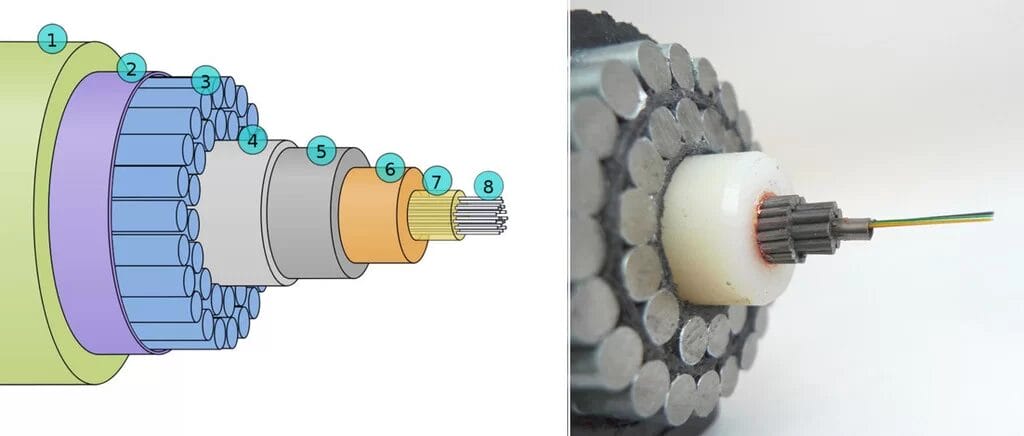
Each submarine cable can contain up to 16 optical fibers, each with an impressive data transfer capacity. These fibers are coated with several layers of protection, ensuring their integrity even in the most adverse conditions of the ocean floor. But how are these cables built, and how do they work?


The Manufacturing Process Of Submarine Cables And Their Importance For Global Internet
The manufacturing of these cables is a complex process that requires careful attention. The outer part is made of polyethylene, followed by a fiber of the same material. Next, there are two layers of braided steel cables, which ensure the structural strength needed to withstand conditions on the ocean floor. Between the steel cables and the inner plastic protection, there may be another layer of aluminum protection. These layers ensure that the optical fibers remain protected and functional.
-
Marine fossils found at over 8,800 meters altitude on Everest and in large mountain ranges have proven that entire continents move, oceans disappear, and tectonic plates collide over millions of years, revolutionizing science in the 20th century.

-
What if the Sun disappeared suddenly? Simulation shows Earth in darkness within minutes, extreme cold, and rapid collapse of life on the planet.

-
A 2,400-year-old iron foundry has been discovered in Senegal with 100 tons of slag, 35 furnace bases, and signs of nearly eight centuries of continuous metallurgical activity.

-
Four humans are flying towards the Moon inside the Orion capsule launched by the SLS rocket, and on April 6, Artemis II will disappear behind the far side of the Moon without communication with Earth for nearly an hour.


Global connectivity is essential for the modern world. Without submarine cables, the internet as we know it today simply would not exist. Thanks to these cables, we can send and receive information in real-time, enabling instant communication on a global scale. But how exactly are these cables installed and maintained?
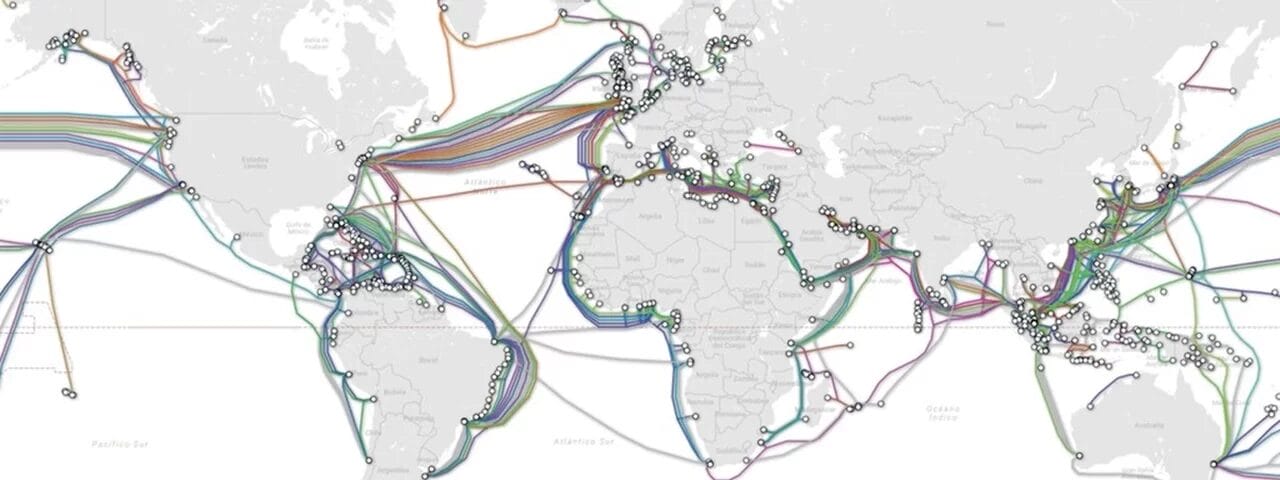
The Installation And Maintenance Of Submarine Cables And Their Challenges
The installation of submarine cables is a complex operation that requires specialized equipment and a highly trained team. First, a specialized ship is loaded with the cables and sets off towards the installation site. Once there, the ship lays the cables on the ocean floor with the help of high-precision positioning equipment.
Maintaining the integrity of submarine cables is vital to ensuring global connectivity continues. Any damage to the cables can result in internet service interruptions in entire regions. Therefore, specialized companies conduct regular inspections of the cables to detect and repair any issues.
The Future Of Submarine Cables: More Speed And Capacity
With the increasing demand for high-speed internet, submarine cables are evolving to meet these needs. New cables are being developed with even greater capacities, enabling faster and more efficient data transfers. These advancements ensure that the internet continues to be a powerful tool for communication and connectivity worldwide.
Submarine cables are true marvels of modern engineering, making instantaneous communication on a global scale possible. Their construction and maintenance are carried out with precision and care, ensuring they continue to play a fundamental role in global connectivity. With the constant advancement of technology, we can expect submarine cables to continue evolving, providing even greater speeds and capacities for the internet of the future.









-

2 pessoas reagiram a isso.