





 Portuguese
  English
  Spanish
  3 min of reading
  0 comments


Study In Cell Reports Medicine Shows Juvenile Microbiome In Supercentenarian, Highlighting Bifidobacterium, And Indicating Foods That Help Maintain A Healthy Gut
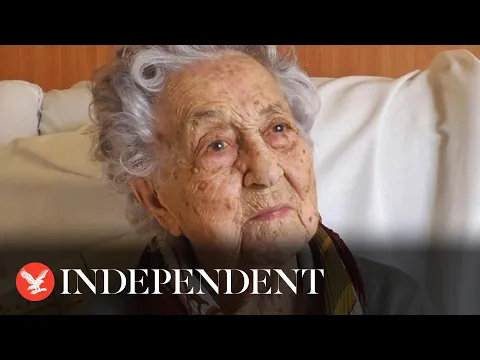
When María Branyas Morera passed away in 2024 at the age of 117, she left a legacy that goes beyond personal memories: she donated samples of her own microbiome for science.
Researchers analyzing this material published a study in Cell Reports Medicine and found a gut surprisingly similar to that of someone decades younger, with great microbial diversity and an abundance of bacteria associated with resilience and health throughout life.
The gut microbiome is the collection of bacteria, fungi, and other microorganisms that live in the gut, and its influence goes far beyond digestion.
-
A 68-year-old pizza delivery driver went off route to buy a soda that was missing from a visually impaired customer’s order, refused an extra tip, and now Dan Simpson has over R$ 546,000 in donations from people around the world who want to ensure he can retire peacefully on April 30.

-
Amateur archaeologists were searching a forest in Poland with metal detectors when they found a ceramic pot buried for over 1,500 years. Inside was a pure gold necklace weighing 222 grams, folded to fit in the vessel, and when experts examined the piece, they discovered it was the first Gothic torque ever found in Polish territory.
-
Millions of people have been eating pomegranates for centuries without knowing that this ancient fruit contains punicalagins, which scientists are studying for their possible effects on memory and vascular health.
-
Argentina patrols the South Atlantic with ships built in France and monitors over 1.1 million km² with 87 m OPVs, a range of 7,500 miles, 360° radar, and a 30 mm cannon against illegal fishing in the 200-mile zone.


These communities help produce vitamins, modulate the immune system, and even communicate with the brain.
In general, aging tends to reduce microbial diversity, which has been associated with frailty and increased inflammation; however, Branyas’s case deviates from this trend.
Scientists noted that the gut of the supercentenarian was particularly rich in the Bifidobacteriaceae family, including the Bifidobacterium genus, microbes known for their beneficial effects on the immune system and gut integrity.
The researchers concluded that this unusual, more “youthful” microbiome may have contributed to maintaining intestinal and immune health, aiding in the patient’s extraordinary longevity.
While genes play a role, experts emphasize that diet and lifestyle have an even greater impact on microbiome composition, and Branyas maintained habits that likely helped preserve this diversity.
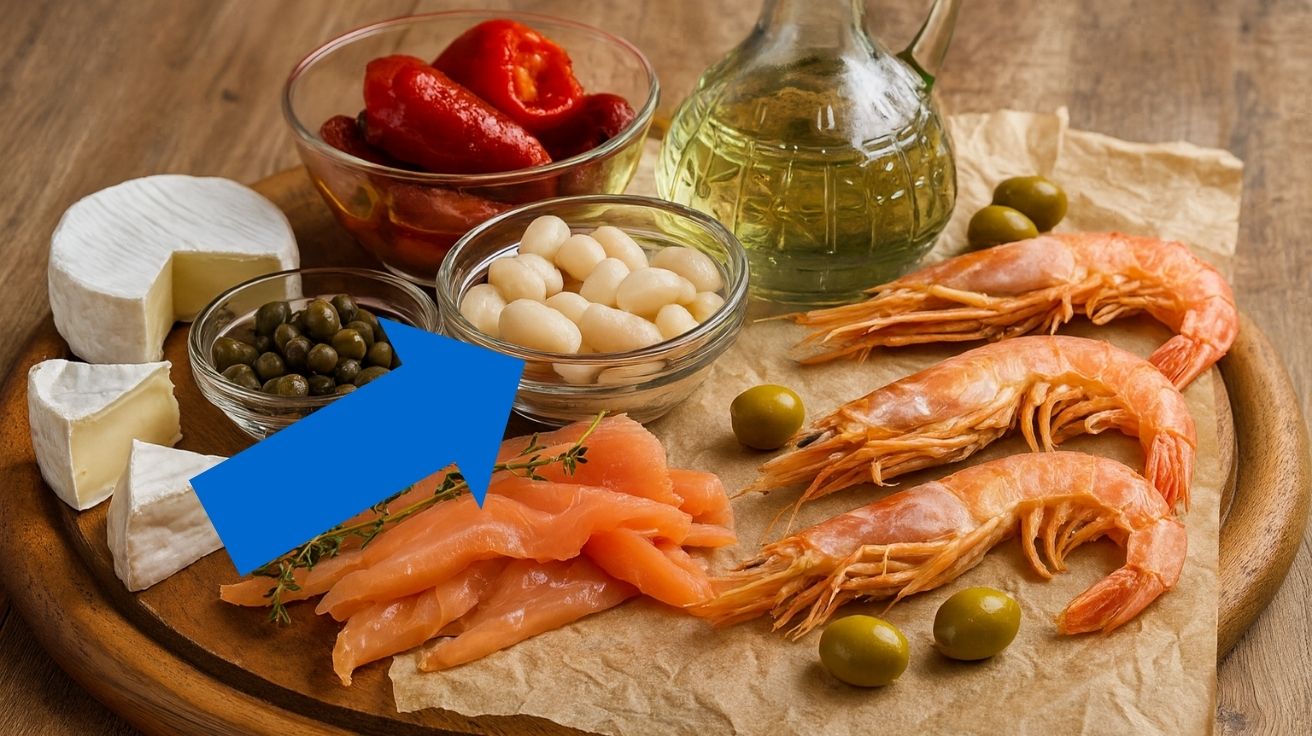
She consumed yogurt daily and followed a Mediterranean diet rich in vegetables, olive oil, fish, and whole grains, dietary patterns that favor beneficial microbes.
Foods Highlighted In The Study
- Natural Probiotics: yogurt, kefir, kombucha, fermented vegetables like kimchi and sauerkraut, which bring live bacteria to the gut.
- Prebiotics: fibers that feed microorganisms, found in onions, garlic, leeks, asparagus, bananas, oats, and legumes.
These two groups work together because probiotics need “fuel”, that is, prebiotics, to establish and bring lasting benefits. Incorporating a variety of these foods into your routine can promote a more diverse microbiome, although results may vary between individuals.
It is important to remember that this work analyzed only one individual, so it is not possible to assert that the microbiome alone explains Branyas’s longevity.
There was likely a combination of factors, including protective genes, efficient metabolism, low inflammation levels, in addition to the support of a healthy microbiome.
Still, the study offers practical clues on how small changes in diet and lifestyle can help keep the gut “younger.”
For those looking to apply these ideas, experts recommend starting gradually, prioritizing whole and fermented foods, gradually increasing fiber intake, and avoiding indiscriminate use of antibiotics.
In case of doubt, consult a doctor or nutritionist before using probiotic supplements, as each person has different needs and conditions. The science of longevity and the microbiome continues to expand, but the message is clear: investing in the gut can be an accessible way to improve health throughout life.







-

-

4 pessoas reagiram a isso.