





 English
  Francês
  Alemão
  Italiano
  Japonês
  Norueguês
  Portuguese
  Spanish
  3 min of reading


Volkswagen and Bosch Partnership Aims for Rapid Development of Technology Capable of Competing with Tesla
Inspired by Tesla’s trend, the partnership agreed upon between Cariad, a subsidiary of Volkswagen, and Bosch, a giant in electronics and engineering, aims to ensure that the German automaker adapts to the technological innovations in the market. This alliance intends to enable VW’s plan to have its entire fleet equipped with autonomous driving technology by 2023.
More News:
- Engineering company confirmed in Macaé with offshore and onshore vacancies today
- Most Powerful Offshore Wind Turbine on the Planet Passes Hurricane Test and Result is Celebrated
- Federal deputies linked to the oil and gas sector approve kitchen gas aid for low-income families in several states
The Volkswagen cars will be the pioneers in receiving the software; however, the automaker plans to expand and incorporate the innovation into models from other manufacturers. Subsequently, it will also be possible for all components derived from the partnership to be integrated into vehicles and ecosystems of other automakers.
Volkswagen and Bosch’s attempt is to develop and incorporate the functions as quickly as possible to rival the system that equips Tesla vehicles, the AutoPilot. The technology implemented by the electric vehicle manufacturer, of American naturalized businessman Elon Musk, is classified as Level 2 automation and has been disseminated and popularized due to its innovation and also by some controversies involving, for example, serious accidents with fatalities reported in the United States.
-
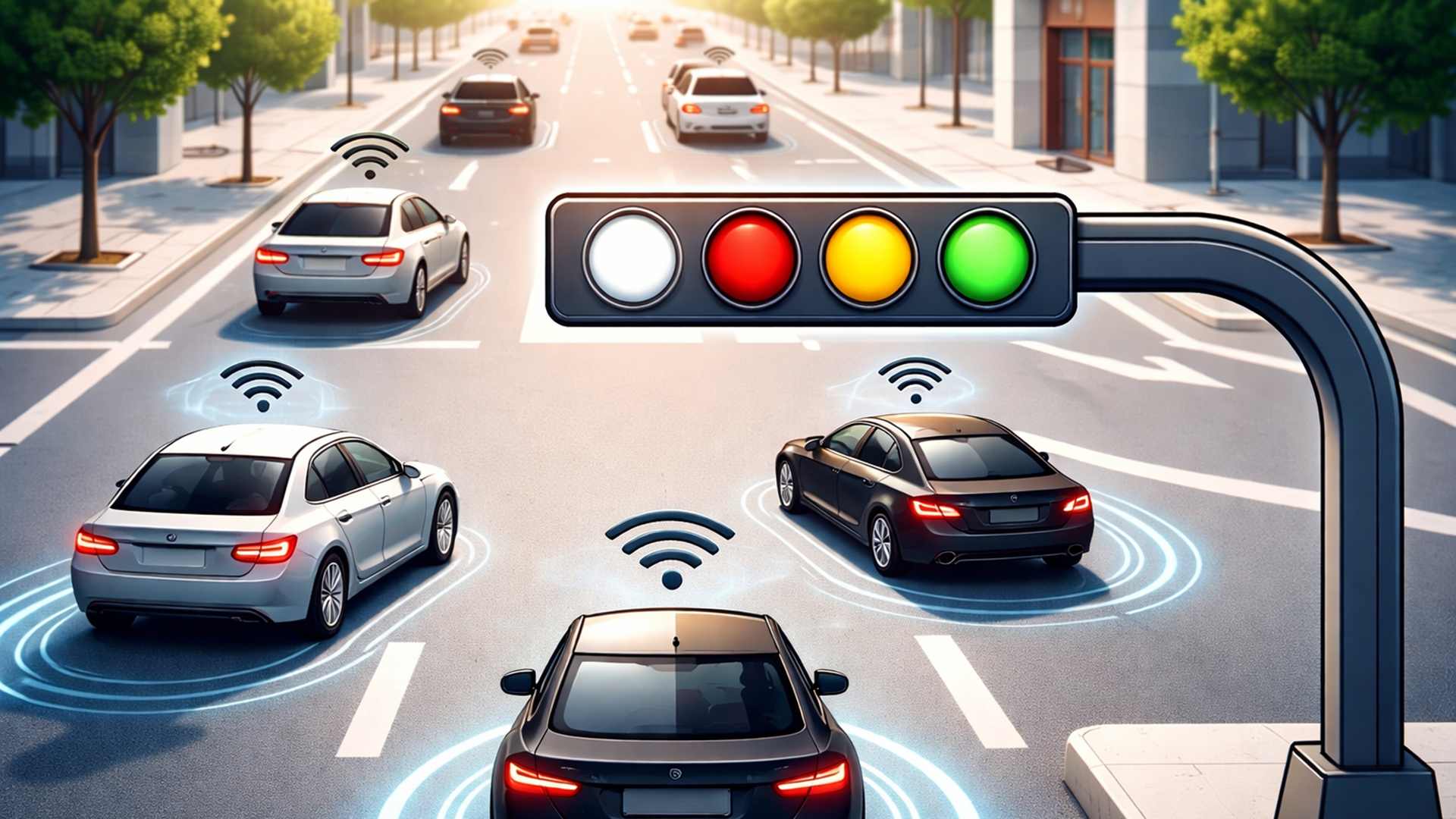
Engineers propose a fourth traffic light for intersections – the change promises to affect crossings, queues, and waiting times.
-
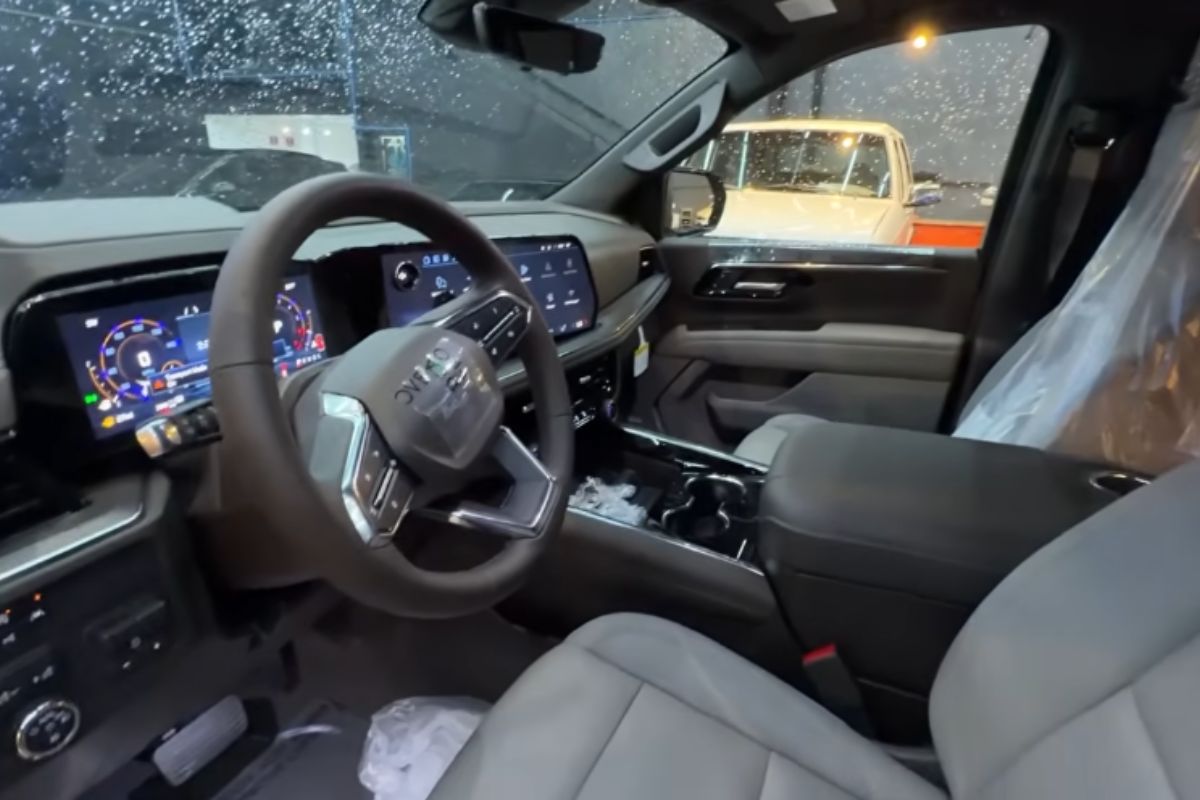
Chevrolet Suburban Z71 lands in Brazil with a V8 engine, off-road design, air suspension, seven seats, and colossal size, a rare version imported for around R$ 1.3 million with luxury and exclusivity.
-
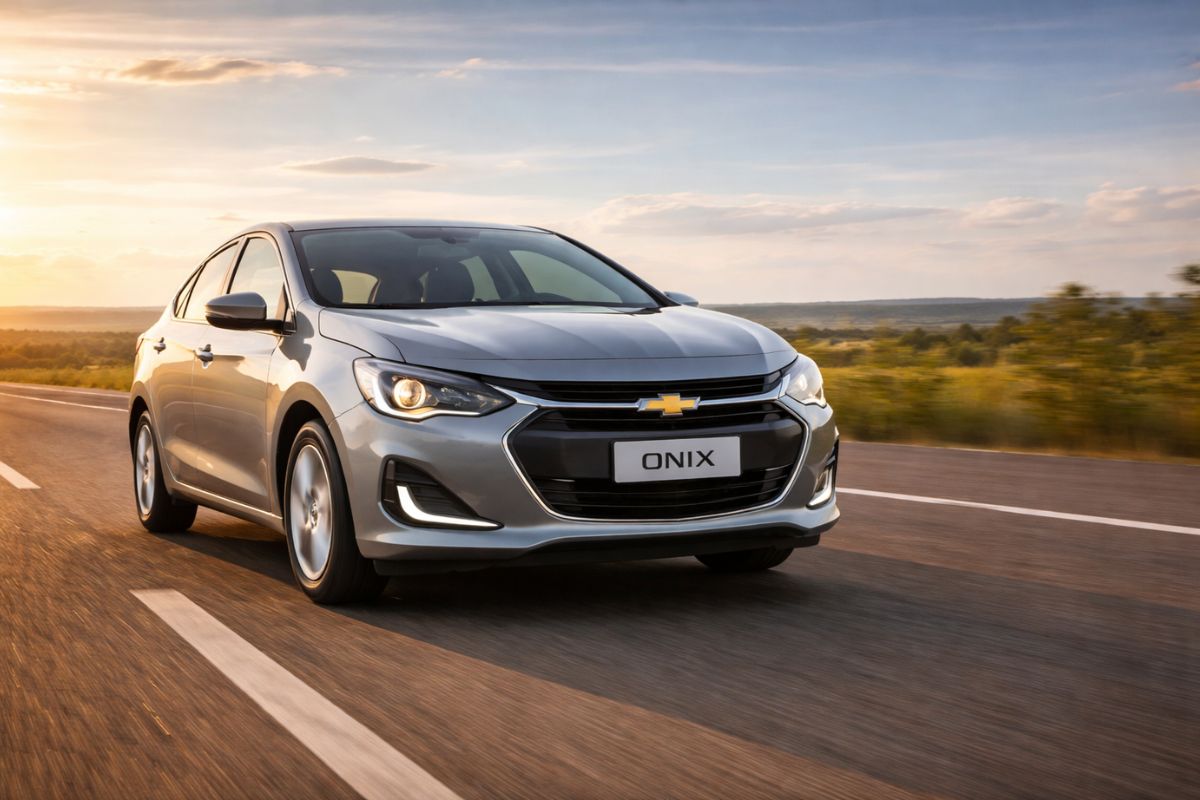
The Chevrolet Onix 1.0 turbo achieves 17.7 km per liter on the highway and ranks among the three most economical cars in Brazil in 2026, alongside two more expensive Toyota hybrids available at dealerships.
-
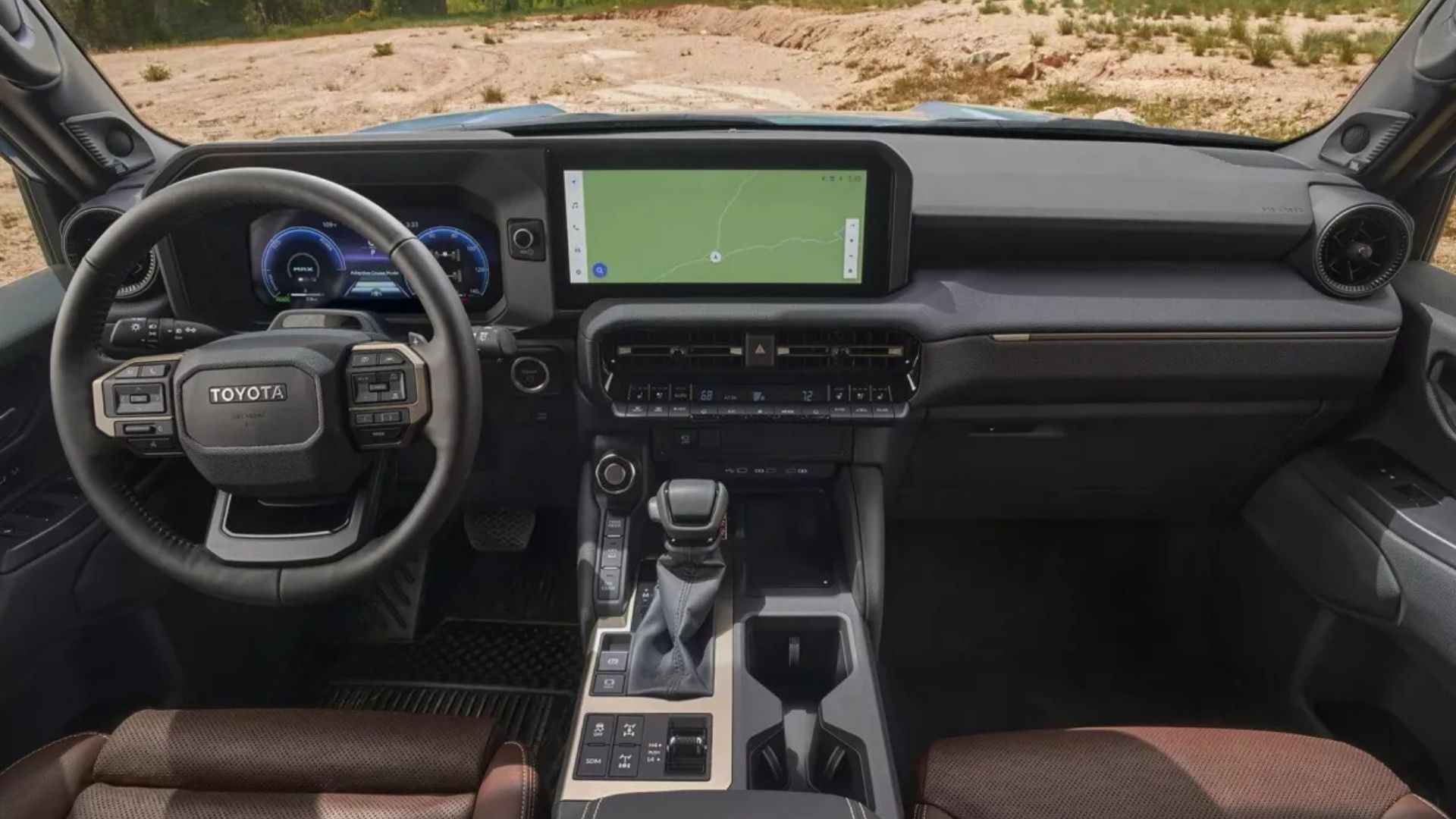
Little sister of the Hilux: Toyota launches Land Cruiser FJ with 4 radical versions, 2.7 engine with 166 hp and 4×4 traction with locking.

New Functions that Will Be Enabled by the Technology
Over a thousand specialists will participate in developing the components that make up the autonomous driving system desired by Volkswagen. This technology will initially have two functions: the first, Level 2, which grants permission for the driver to temporarily take their hands off the wheel in urban, extra-urban, and highway areas. The second technology, known as Level 3, allows for autonomous driving on highways.
With the help of real-time reports, along with the use of artificial intelligence, Volkswagen and Bosch, in addition to the aforementioned systems, will also continue research to develop software classified as Level 4, which addresses full driving by the vehicle, going beyond highways.
About the Companies Involved
Volkswagen is a German vehicle manufacturer, founded in 1937, belonging to the Volkswagen Group, which is the largest automaker in the world.
Robert Bosch GmbH is a German multinational engineering and electronics company and is currently the largest workshop network in the world. The company was founded by Robert Bosch in Stuttgart in 1886.
Tesla is an automotive and energy storage company from North America that develops, produces, and sells high-performance electric vehicles.
In Contrast to Ford, Which Stopped Vehicle Production and Closed All Factories in Brazil, Multinational Volkswagen Exceeds Five Thousand Employees in Its Industrial Complex, with One Thousand Hires Since the Beginning of the Pandemic
In contrast to Ford, which halted vehicle production and closed factories in Brazil, Volkswagen enters the Asian market and exceeds five thousand employees in its industrial complex, with one thousand hires since the beginning of the pandemic. The increase in workforce is part of the expansion with investments of R$ 2 billion by 2025. Resources from the multinational will go towards internationalization and developing more sustainable vehicles VW Trucks and Buses.
Volkswagen Trucks and Buses will close the year with five thousand workers in its factory, along with its partners in the Modular Consortium. Of this total, one thousand professionals have been hired since the beginning of the pandemic, representing a growth of over 25% in their workforce. Check out the full article by clicking here.






Seja o primeiro a reagir!