





 Portuguese
  English
  Spanish
 2 min of reading


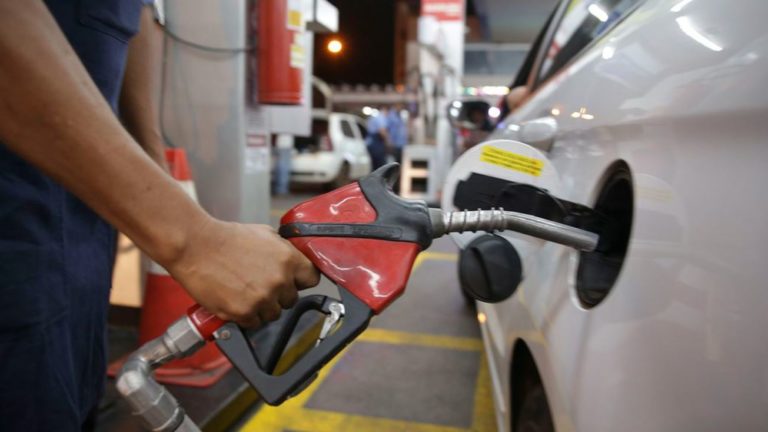
ANP Considers That, To Be Advantageous, Ethanol Should Have a Price Limit of 70% of Petroleum Derivatives at Gas Stations
ANP, the National Agency of Petroleum, Natural Gas and Biofuels, conducted a survey showing that only in the states of Minas Gerais, Goiás, and Mato Grosso does the price of ethanol compete with gasoline. The petroleum derivative is sold on average for 67.31%, 67.37%, and 68.87% of the gasoline price in the respective states.
See Other News of the Day:
- Rescheduled 17th Bidding Round with 92 Blocks of Oil in the Campos, Santos, Pelotas, and Potiguar Basins
- The New LNG-Powered Container Ship Begins Its Journey at Sea for Testing
- Ship Collides with Other Vessels at Vale Terminal in São Luís
To obtain these results, it was considered that ethanol, whether derived from sugarcane or corn, should have a price limit at gas stations of 70% of petroleum derivatives to be considered advantageous.
The state of São Paulo, the largest producer of ethanol in the country, lost its more competitive ethanol position against gasoline last week, and now the parity is 71.19%.
-
Offshore industrial demand in Macaé surges with the recovery of oil and gas and could grow by up to 396% by 2026 in the Campos Basin.
-
Brazilian giant expands borders in the Southeast: Petrobras confirms new oil discovery in ultra-deep waters in the pre-salt of the Campos Basin.

-
Alert in the global energy market: Severe tropical cyclone hits the coast and disrupts gas production at major plants in Australia, threatening global supply.

-
Petrobras finds high-quality oil in the pre-salt at 113 km from RJ and reignites expectations about strategic reserves in the Campos Basin.


Among the average prices of the surveyed gas stations in the country, the ratio between the average prices of ethanol and gasoline is 70.55%, which does not favor biofuels.
ANP:
The National Agency of Petroleum, Natural Gas and Biofuels is the federal agency responsible for regulating the petroleum and natural gas industries and biofuels in Brazil. Linked to the Ministry of Mines and Energy, it is a special federal agency that implements national policy for the sector, focusing on ensuring fuel supply and defending consumer interests.
The agency operates “from the well to the gas station”, meaning it regulates over 110,000 companies, in activities ranging from oil and natural gas exploration in Brazil’s sedimentary basins to procedures to ensure the quality of fuels sold to the final consumer.









Seja o primeiro a reagir!