





 Portuguese
  English
  Spanish
  3 min of reading


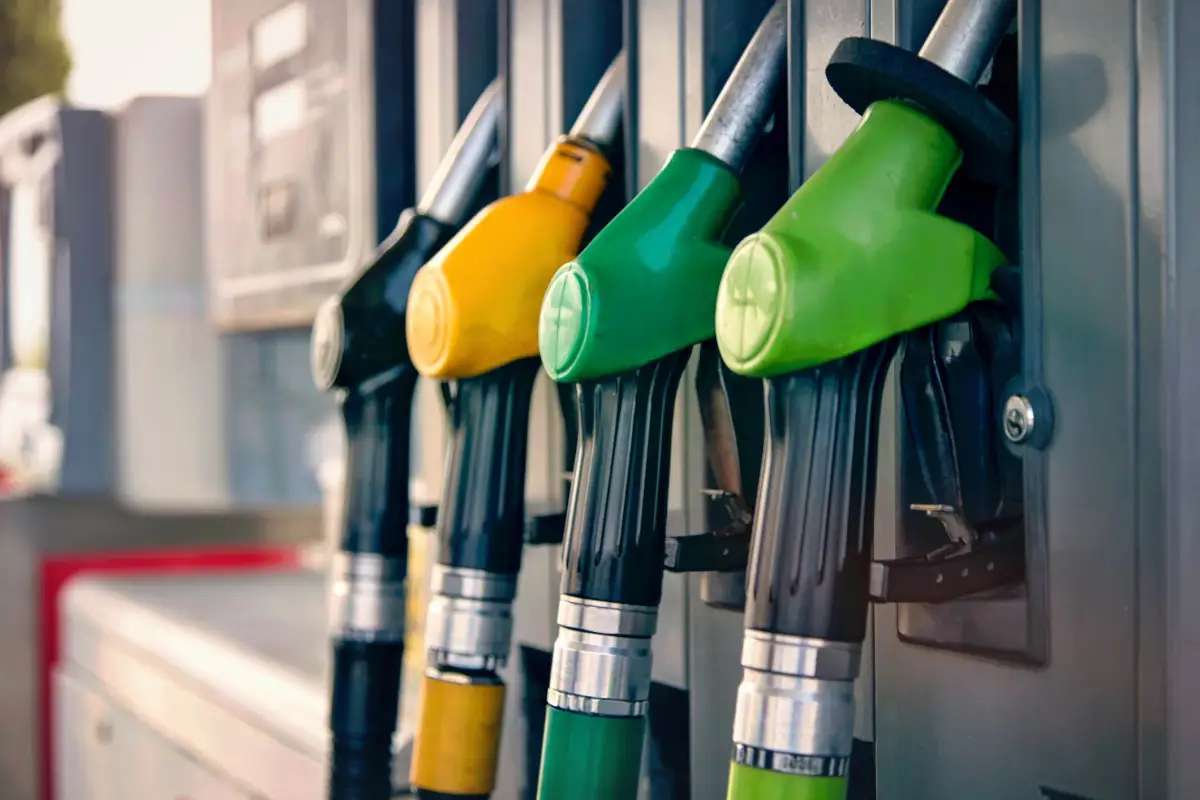
If Implemented Like Colombia, Price Stabilization Could Cost From US$46 to US$175 Billion From 2023 to 2027. However, If Brazil Had a Fuel Price Stabilization Fund Like Colombia, the Price Would Be in a Range of R$2 to R$3 Reais Per Liter for Gasoline and Diesel.
At first, analysts from the bank used Colombia as a model for the count of the stabilization fund to estimate how this measure would work in Brazil. However, from 2015 to 2021, the deficit was US$42 billion.
The projections for the next 4 years, counting from 2023 to 2027, range from US$46 billion to US$175 billion. According to the report, these amounts imply that the government would need to raise additional funds to cover the costs of the fund. All of this because the estimated annual revenue of the Federal Government from the oil and gas sector is between US$26 billion and US$35 billion.
In an interview, Luiz Carvalho, chief analyst of Natural Gas, stated that there are not many direct parallels between the two countries. In addition to having the sector structured around companies, as is the case with Ecopetrol in Colombia and Petrobras in Brazil.
-
Unemployment rises again to 5.8% at the beginning of 2026, raising alarms about the end of temporary positions and its impact on the Brazilian job market.

-
Document organization can cut invisible costs in small businesses, a simple step that prevents waste, rework, and losses in daily operations.

-
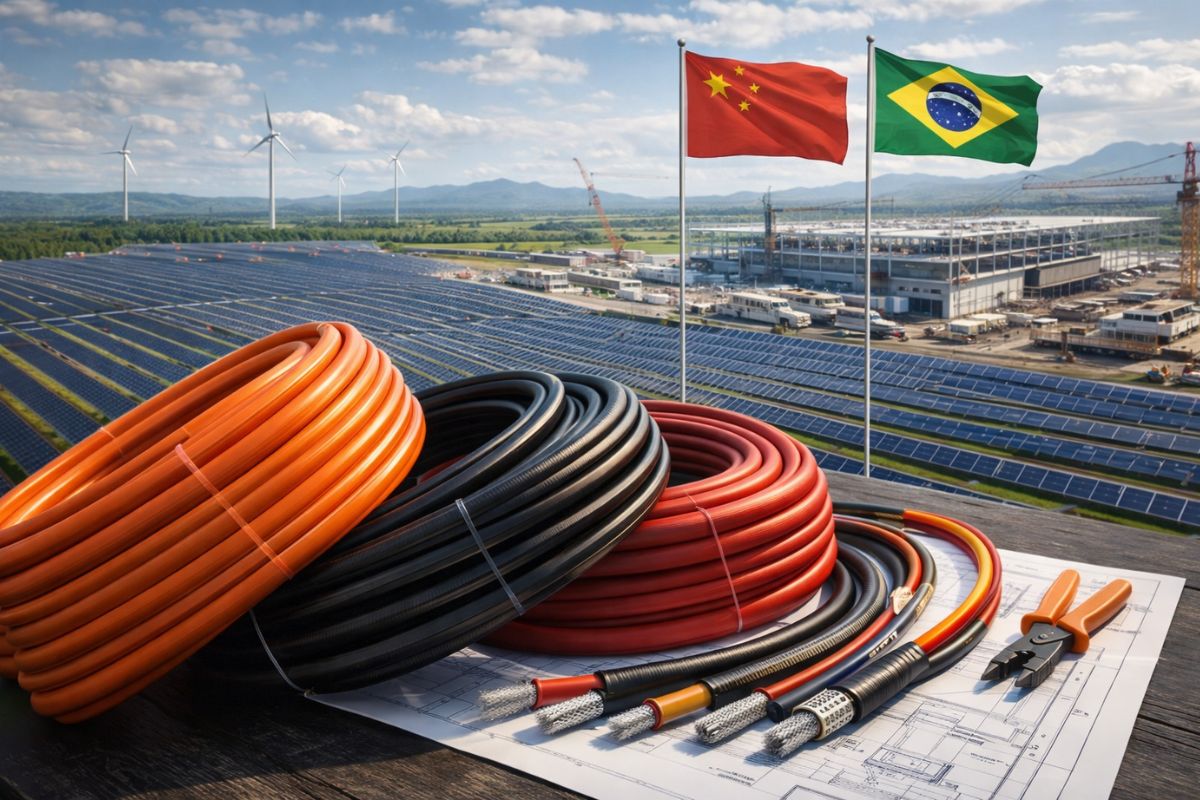
Chinese giant worth nearly R$ 4 billion that manufactures cables for electric cars, solar energy, and robotics wants to open a factory in SC.
-
Many employers do not know, but the law guarantees domestic workers a 25% increase in salary during trips, 50% for overtime, 20% for night shifts, and 17 additional benefits that can lead to labor lawsuits if not paid.


In this way, Luiz stated: “Not necessarily the stabilization fund approved in Colombia would be the same to be approved, for example, here in Brazil. The objective of the report is to show that, firstly, the stabilization fund has not worked anywhere in the world”
In 2022, in Colombia, the fund presented a deficit of US$9.1 billion, and this mechanism works as a cushion to prevent the pass-through of oil price instability to the final consumer.
In Brazil, in the same year, a similar measure was proposed at the beginning of the year. This mechanism works based on a reference for oil, so if the oil rises in the international market, producers will bear the price difference and that will be compensated by the government.
Text for Creating the Fuel Stabilization Fund is Stalled in the Chamber of Deputies
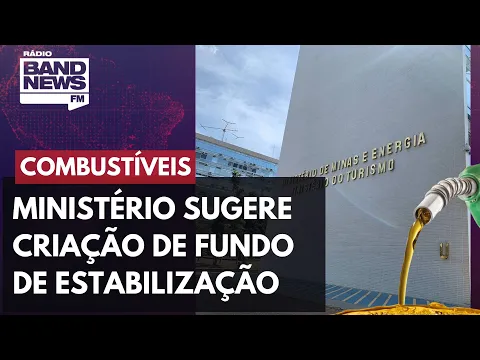

So, if it falls below the reference, the difference will help contribute to the fund. Carvalho also says: The problem is that this will not necessarily happen in a balanced way. It may be that the oil price remains above the reference for a long time. And if that happens, as is the case in Colombia, you will have an accumulation of deficit in this fund that will have to be covered by some public revenue.”
According to him, the fund serves to cushion price instabilities. Between 2015 and 2021, the government had to pay about US$6.1 billion in compensation to Ecopetrol. The report, based on data from the Colombian state, shows that Ecopetrol has been receiving compensation every year since 2019.









Seja o primeiro a reagir!