Portuguese
  Spanish



Being One of the Pillars of Sustaining the Economy of the Country, Brazilian Agriculture – Responsible for About 27.4% of GDP in 2021 – Feeds Almost 1 Billion People Around the World. It Was This Investment in Science Over the Decade That, According to Embrapa, Helped Brazil to Position Itself Among the World Food Producers.
To give you an idea, the country is currently one of the five main producers of more than 34 agricultural commodities and is still on track to become the largest food producer in the world.
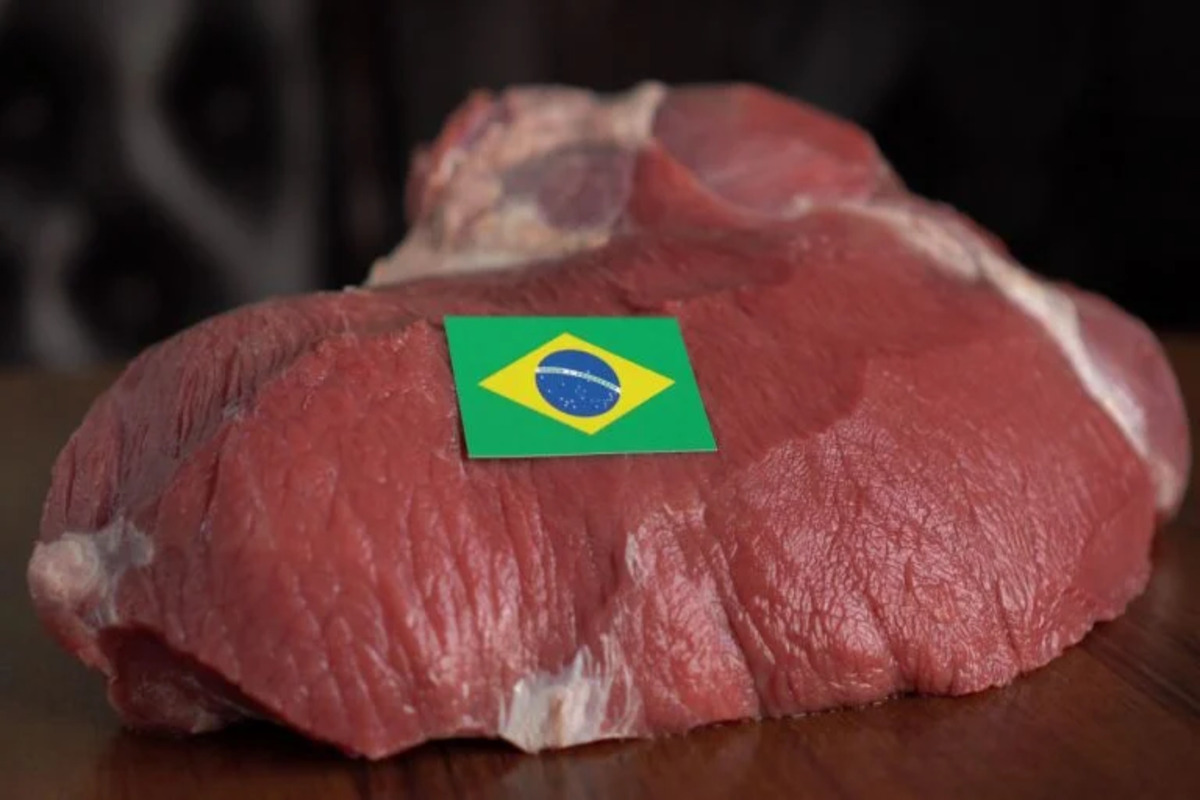
Considered the largest global exporter of beef, Brazil is also currently one of the few countries that still provides red protein capable of exporting global “food security,” as it remains free from the main diseases prevalent on this planet.
Brazilian beef exports are still expected to grow above a global average for 2023. However, the United States Department of Agriculture (USDA) estimates that this national industry will begin to market about 3.5% more abroad than the volumes of 2022, which was over 2.345 million tons. According to the USDA, these global exports as a whole grew only 0.5%.
-
At 14 years old, she worked in a factory in Hong Kong, studied economics abroad, and then entered the Chinese real estate market, which helped change the landscape of Beijing.

-
While NATO secured more than $10 billion in missiles and space surveillance at a single forum, Brazil still spends 1.1% of its GDP on defense and is stalling its own anti-aircraft system.

-
Corn ethanol attracts R$ 23 billion in 21 new plants and prepares for a nearly 50% jump in Brazilian production by 2027, even with high interest rates.
-
A newly opened terminal in the middle of the Amazon has begun transporting soy and corn through Amapá, eyeing the queue of ships that is congesting the ports in the South.


Brazil Is the Largest Beef Exporter in the World


“This projection shows the potential of Brazilian beef in its mission to feed the planet. More than that, it reflects the commitment of our ranchers to invest in technologies, such as quality genetics, which allow for increased productivity and efficiency,” highlights Cristiano Botelho, executive of the Brazilian Artificial Insemination Association (Asbia).
“Undoubtedly, modern reproductive techniques, such as artificial insemination, strongly contribute to the benefit of livestock farming, allowing Brazil to strengthen its economy and importance as a global supplier of animal proteins, reinforcing the strength of this thriving agribusiness, which is increasingly investing in modern and sustainable practices,” adds Cristiano Botelho.
According to estimated results from the USDA, Brazil will still represent about 24.60% of global beef exports, further consolidating its position as one of the main suppliers.
This world population has now reached the level of 8 billion inhabitants. Although it is a number too large to imagine, think that: in the time it takes you to read this entire paragraph, the world population has already grown by about 20 people. These United Nations data show that by 2030, the planet is expected to have around 8.5 billion people.
These scenarios also point to an increase of about 35% in the demand for food, over 40% for energy, and around 50% for water. According to them, Brazil, with all its available technologies and its investments that are still to be made in agricultural science, technology, and innovation, will continue to be super important for the 2030 scenario to meet a significant part of these food demands.