





 Portuguese
  English
  Spanish
  4 min of reading
  0 comments


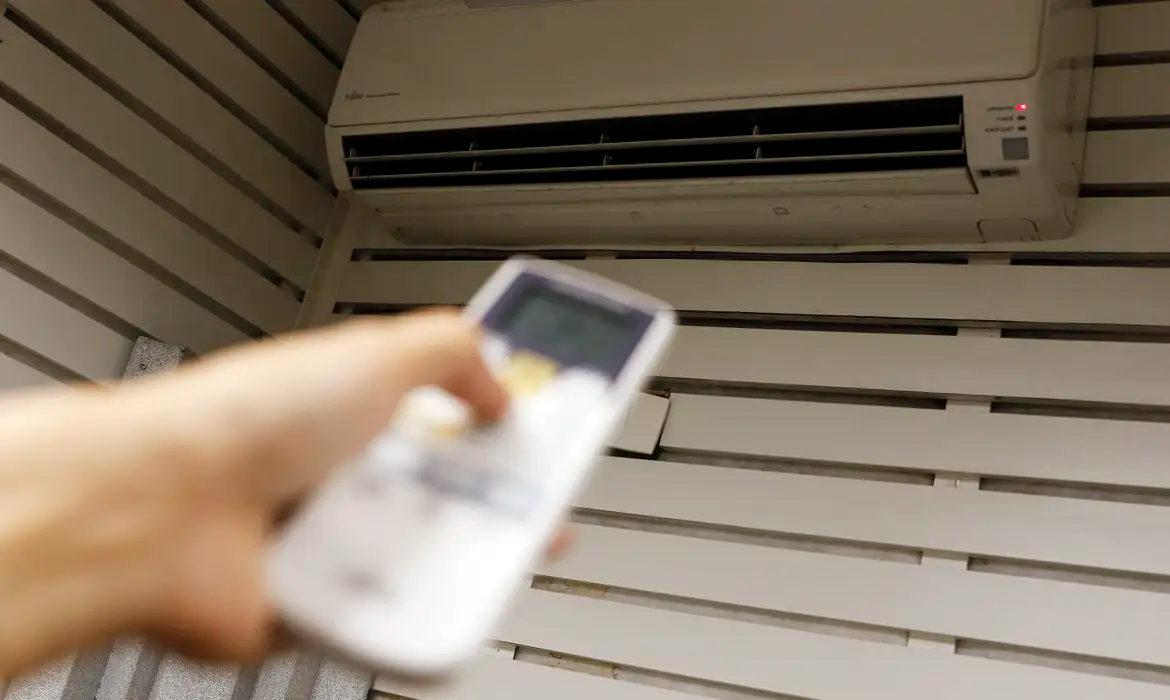
When It Comes to Energy Consumption, Many People Immediately Think of the Huge Data Centers of the Internet. But a MIT Study Revealed That the Real Villain May Be Closer Than We Imagine: Air Conditioning.
When it comes to energy consumption, images of large data centers, factories, and electric cars quickly come to mind. But there’s a silent villain growing worldwide: air conditioning.
The issue is gaining relevance amid climate change and the technological race for more sustainable solutions.
While much attention is directed at data centers, symbols of digital growth and the energy challenges of the information age, common cooling systems remain the true hidden villains in global electricity consumption.
-
The heatwave in Brazil that hit in March is set to end as a cold front arrives between Good Friday and Easter Sunday, causing a temperature drop of up to 6 degrees and rain in the Central-South region, according to the Easter weather forecast.

-
The U.S. Army has introduced its first new lethal grenade since the Vietnam War: the M111 kills using pressure shock waves that bounce off walls and can explode the enemy’s lungs without producing a single shard.

-
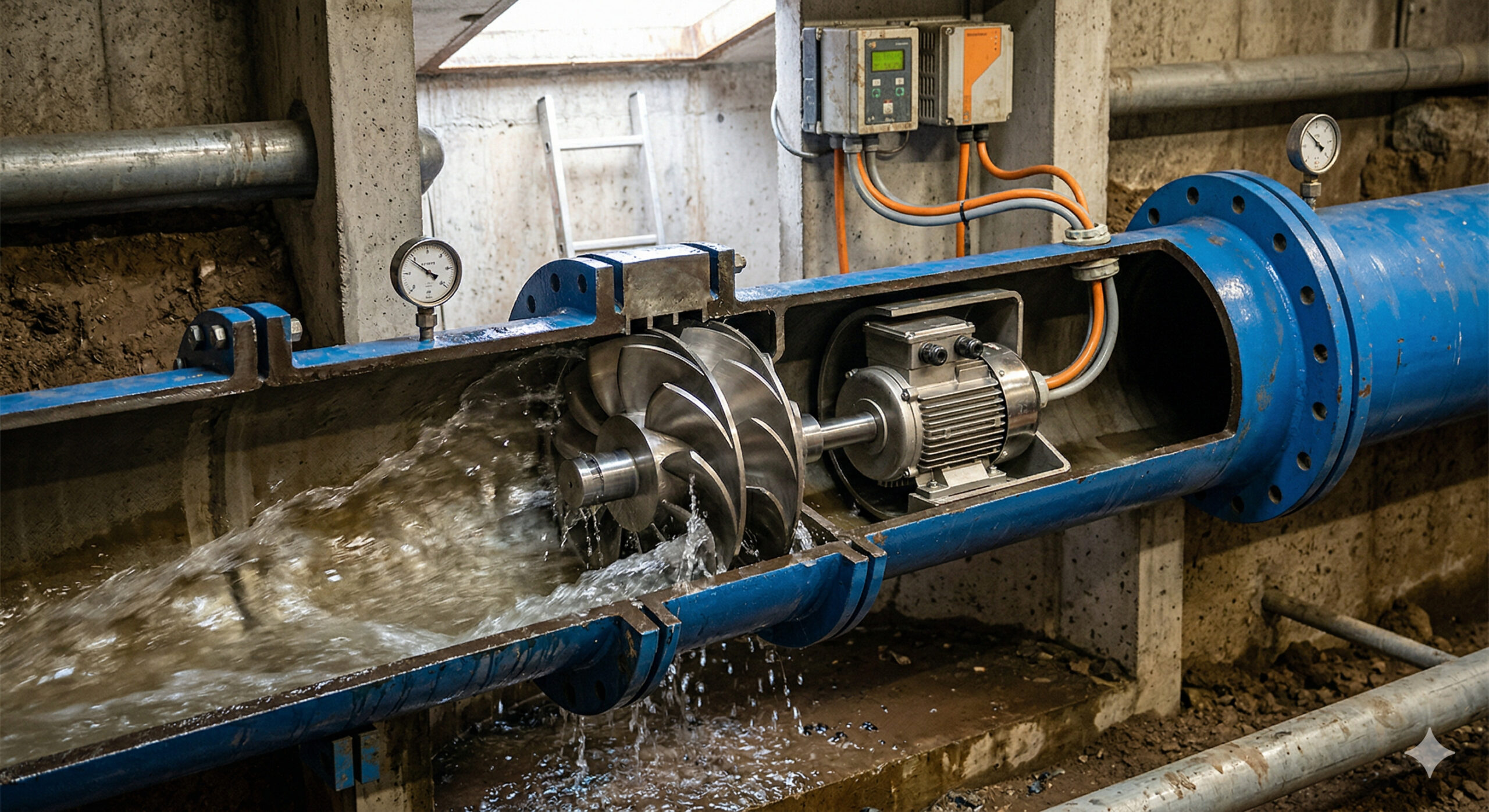
Engineers are replacing pressure valves with hydraulic microturbines within drinking water networks and are generating up to 1,100 MWh per year with in-pipe hydropower technology that harnesses energy previously wasted in urban pipelines.
-
Elon Musk focused on Brazil and lowered the price of Starlink, his internet service, but the question remains: is it worth it? An expert provides a detailed analysis of the internet that promises to connect any part of Brazil.


Cooling the Planet Is Heating the Planet
According to the International Energy Agency (IEA), less than 10% of the expected increase in energy demand by 2030 will come from data centers. The growing use of air conditioning and other cooling methods will account for a much larger share of that total.
This scenario creates a problematic cycle: as the heat rises, people turn on more cooling devices, energy consumption increases, more fossil fuels are burned to meet the demand, and the planet heats up even more.
It’s a vicious cycle that’s hard to break, and the data leaves no doubt. In 2024, the global number of “cooling degree days” was 6% higher than in 2023 and 20% above the average for the first two decades of this century.
This metric, which may seem strange at first, is actually an accurate way to measure the energy needs for keeping environments cool.
What Are Cooling Degree Days?
The logic is simple: imagine that the base comfort temperature is 21 ºC. If on a certain day the average is 26 ºC, you accumulate five cooling degree days.
Do this for 30 days, and you will have 150 cooling degree days for that month. It’s a way to measure, on a scale, how much additional cooling was necessary over time.
And the whole world is getting hotter. Regions like China, India, and the United States are feeling the impact more strongly. The direct consequence is more devices turned on, demanding more energy from the networks.
In 2022, air conditioning units were responsible for 7% of the world’s total electricity consumption. And this number is expected to grow.
An Explosion of Devices in a Few Years
In 2016, there were fewer than 2 billion air conditioning units in the world. By 2050, that number could nearly reach 6 billion, according to the IEA itself.
On one hand, this shows progress in access to thermal comfort, usually accompanied by rising household income. But on the other hand, this leap represents a huge challenge for energy systems.
And the problem lies not only in the amount of energy consumed but in the timing.
Everyone Turns On the Air Conditioning at the Same Time
Air conditioning is often turned on during the same times of the day, precisely when temperatures peak. This collective behavior puts intense pressure on the electrical grid.
In some regions of the United States, for example, air conditioning units account for over 70% of residential electricity consumption during peak stress times on the grid. In other words, not only does it consume a lot, but it also occurs during critical times.
This coincidence in usage can lead to blackouts, increased rates, and the need to activate more polluting power plants.
Solutions Are Emerging, But the Road Is Long
The good news is that new technologies are starting to emerge. Some companies are already working with cooling systems that have energy storage components.
Here’s how they work: they charge during low demand periods and engage cooling during peak times without drawing energy from the grid at that moment.
Another developing alternative is desiccant systems. Instead of just cooling the air, they remove moisture from the environment more efficiently.
This helps reduce the feeling of heat without relying so heavily on traditional energy consumption.
Moreover, advancements in fundamental components are also occurring. One example is heat exchangers — parts that transport heat from one place to another, essential in air conditioning units, refrigerators, heat pumps, and even data center cooling systems.
These components have been produced basically the same way for almost a century. Now, a new approach using 3D printing has allowed for the development of more efficient exchangers.
A newly created model can surpass some traditional designs and compete with the best available.
Innovation Is Important, But Public Policies Are Too
Despite the advancements, we are still far from solving the problem. New technologies promise efficiency and reduced impact, but they are only part of the equation. For them to have a real effect, investment, proper regulation, and, most importantly, access will be needed.
Innovations need to reach the most vulnerable regions as well, where heat is extreme and the electrical grid cannot withstand so much pressure. Without this, the cycle continues: more heat, more consumption, more emissions, more heat.
The challenge of balancing thermal comfort and sustainability is just beginning.
The global demand for cooling will continue to grow in the coming decades. And solutions need to keep up with this pace — or the planet will keep paying the price.
With information from MIT.








Seja o primeiro a reagir!