





 Portuguese
  English
  Spanish
  3 min of reading
  0 comments


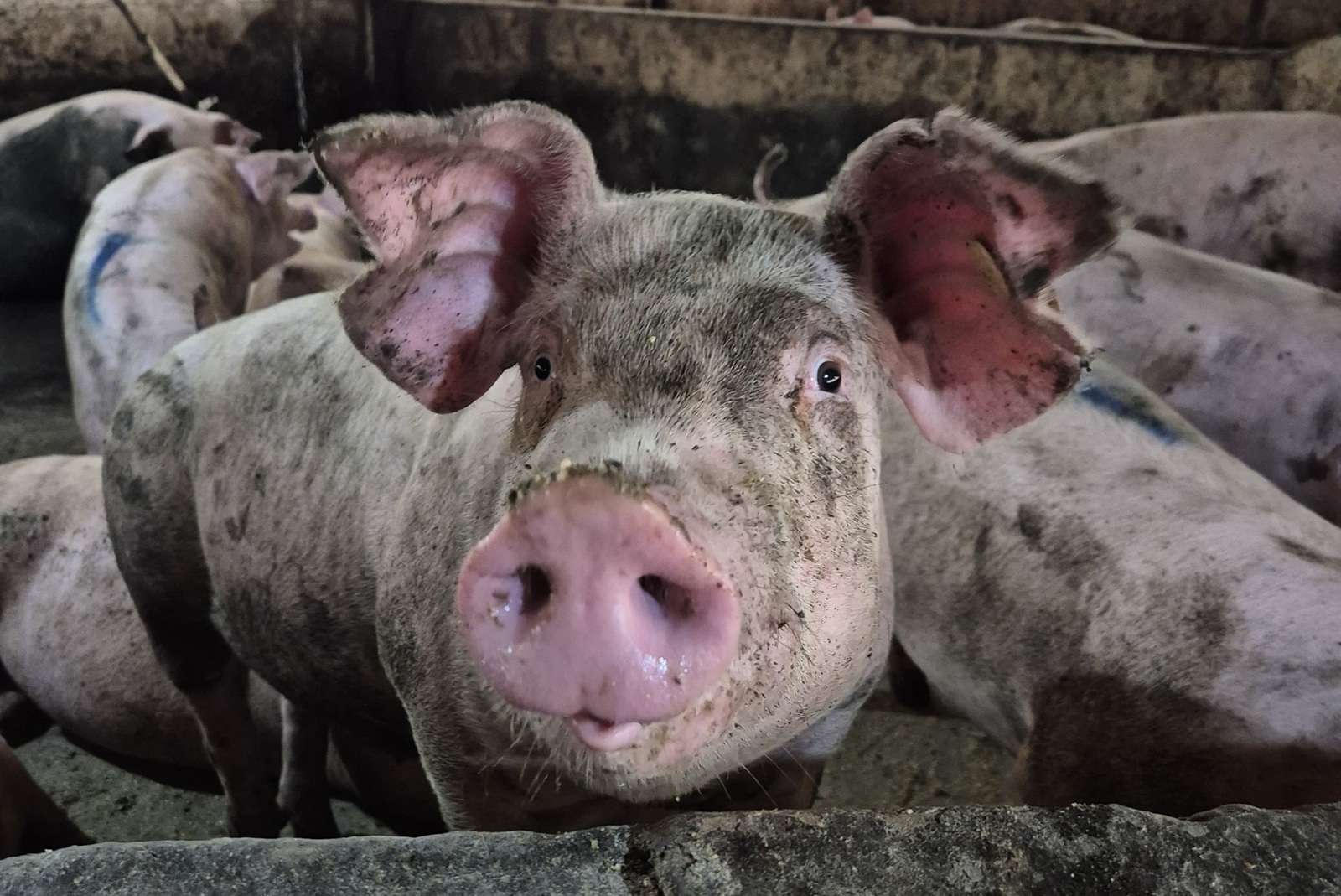
The Pig Farming Industry in Minas Gerais Occupies a Strategic Position in the Brazilian Economy. The Sector Not Only Supplies the Domestic Market but Also Supports Exports to Dozens of Countries. Ensuring the Health of the Herds is Essential to Maintain Consumer Confidence, Protect Producers, and Strengthen the Presence of Minas Gerais in the International Arena
The pork from Minas Gerais received another safety guarantee following the completion of the fourth cycle of the Integrated Disease Monitoring Plan for Swine (PIVDS).
The program, coordinated by the Ministry of Agriculture and Livestock (Mapa) and executed in the state by the Minas Gerais Institute of Agriculture (IMA), combines actions for monitoring herds, assessing the sanitary conditions of farms, and promoting good production practices.
The work reinforces the health status of Minas Gerais as a free zone for Classical Swine Fever (CSF).
-
The water that almost everyone throws away after cooking potatoes carries nutrients released during the preparation and can be reused to help in the development of plants when used correctly at the base of gardens and pots, at no additional cost and without changing the routine.

-
The sea water temperature rose from 28 to 34 degrees in Santa Catarina and killed up to 90% of the oysters: producers who planted over 1 million seeds lost practically everything and say that if it happens again, production is doomed to end.

-
An Indian tree that grows in the Brazilian Northeast produces an oil capable of acting against more than 200 species of pests and interrupting the insect cycle, gaining ground as a natural alternative in soybean, cotton, and vegetable crops.

-
The rise in oil prices in the Middle East is already affecting Brazilian sugar: mills in the Central-South are seeing their margins shrink just as ethanol gains strength.


This recognition had already been granted nationally by Mapa in 2001 and, in 2016, by the World Organization for Animal Health (OIE).
Results of the Most Recent Cycle
According to Junia Mafra, the state coordinator of the National Swine Health Program (PNSS), the actions involved 171 municipalities in Minas Gerais.
111 agricultural inspectors and veterinarians from the 21 regional coordinations of IMA participated.
More than 120,000 pigs were inspected, 1,500 serological samples were collected, and nearly 3,000 samples from breeders in certified farms were taken.
All analyses confirmed the absence of mandatory notification diseases, such as CSF, African Swine Fever (ASF), and Porcine Reproductive and Respiratory Syndrome (PRRS).
One case stood out: a single sample reacted in the initial tests.
However, the follow-up analysis conducted by the Federal Agricultural Defense Laboratory in Pedro Leopoldo ruled out any risk and confirmed a negative result for CSF.
Guarantee for Producers and Consumers
The constant work of IMA goes beyond animal health.
It ensures that consumers have access to quality pork that is free of risks.
Additionally, it maintains confidence in Minas Gerais production, avoids economic losses, and strengthens the production chain.
Therefore, by ensuring the condition of a disease-free zone, Minas Gerais preserves not only the health of the animals but also the competitiveness in the domestic and external markets.
Safety on Farms
The plan involved different production profiles.
The inspections covered high-tech farms, such as Piglet Production Units (UPL) and complete cycle systems that utilize advances in genetics, nutrition, and biosecurity.
At the same time, less structured systems, such as local trade farms and subsistence breeding, were also inspected.
In total, 587,663 pigs underwent clinical inspection and 536,344 were included in serological collections.
Another highlight was the monitoring of Certified Swine Breeder Farms (GRSC). In these, 2,930 samples were collected from 87,721 breeders, reinforcing the genetic security of the chain.
Economic Importance and Exports
According to the State Secretariat of Agriculture, Livestock, and Supply (Seapa), Minas Gerais has the fourth largest pig herd in Brazil, with over 5 million animals.
Additionally, in 2023, the state exported pork to 31 countries, generating nearly US$ 50 million. This outcome shows how maintaining sanitary monitoring programs is essential for the economy.










-

-

-

-

-

-

16 pessoas reagiram a isso.