





 Portuguese
  English
  Spanish
 3 min of reading
  0 comments


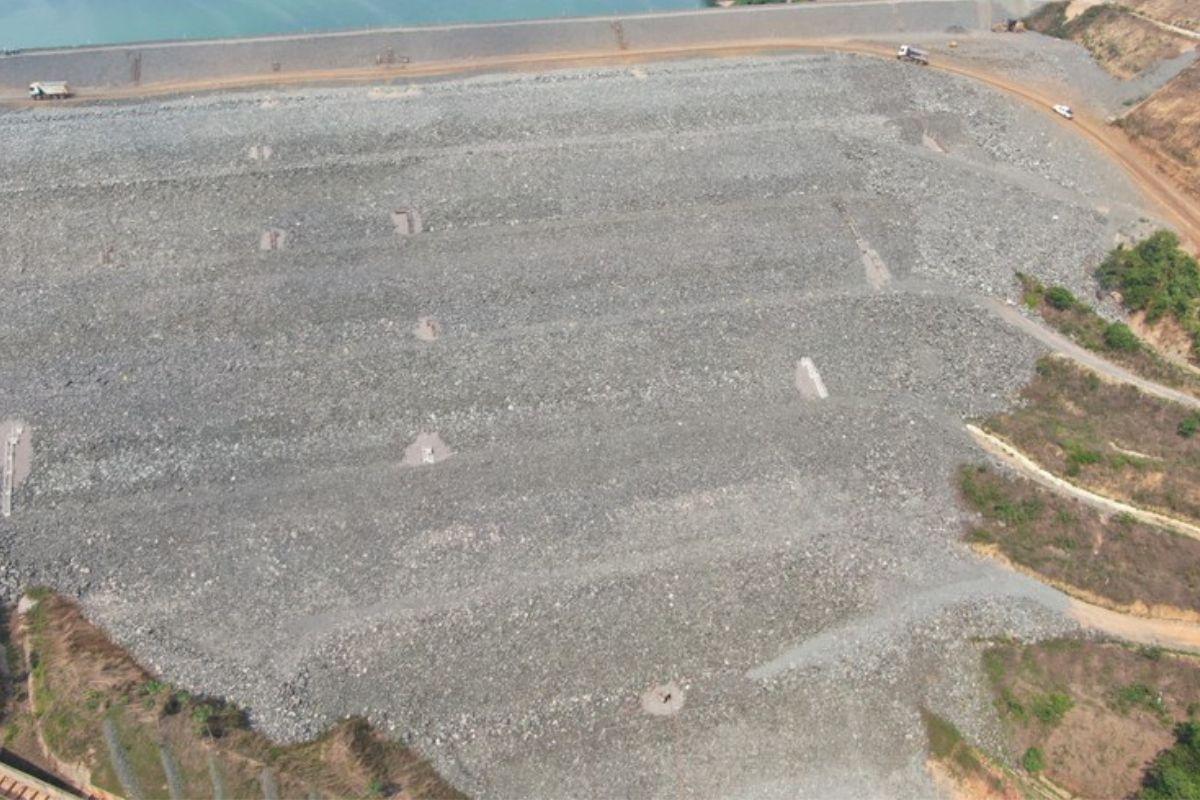
ANM Report Shows Concrete Advances in Mining Dam Safety, with Seven Years Without Breakages and Results Highlighting the Strengthening of Preventive Policies and National Technical Management
The safety of mining dams in Brazil reached an important milestone in 2025, with the new report from the National Mining Agency (ANM) confirming a solid trend of stability, according to an article published.
Published on October 10, the document reveals that 421 dams, equivalent to 92% of the structures required to submit Stability Condition Declarations (DCE), were certified as stable in the second half.
The number surpasses the previous result of 415 stable dams, reinforcing a scenario of greater confidence and maturity in the National Mining Dam Safety Policy (PNSB).
-
Historic bankruptcy of Centauro shocks the market, and the century-old company puts more than 500,000 products, machines, and complete infrastructure up for online auction.

-
Brazil extracts 26.3 million tons of ore from what was previously treated as waste, transforming residues into wealth, producing over 3 million tons of sand, and demonstrating how national mining is relearning to generate value.

-
With earth, bamboo, straw, and lime mortar, a specialist builds a house for just over $460 and draws attention for its cost being much lower than traditional construction.

-
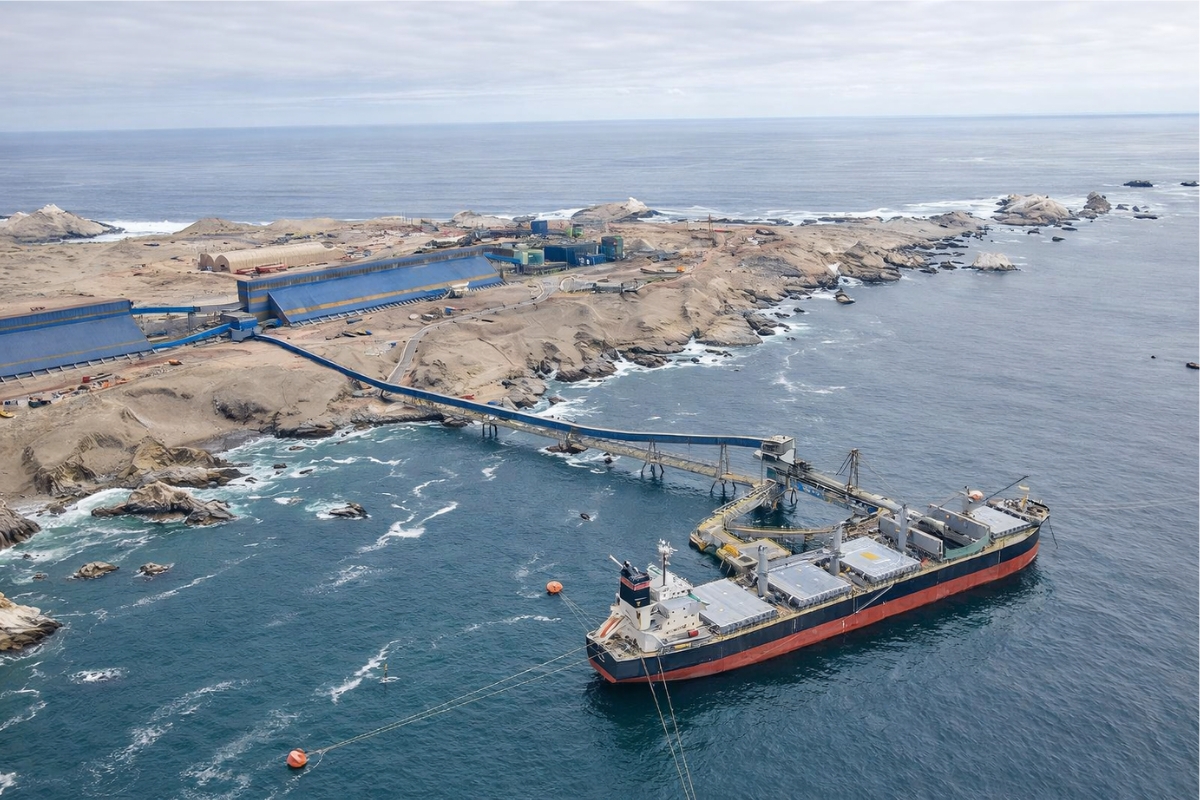
A $3.5 billion megaproject in Latin America pumps desalinated seawater at 1,050 liters per second over 194 km to keep a copper supermine in the Andes operational for another 20 years.

Mining Dam Safety: Stability and Confidence Grow with Positive ANM Results
The data also shows a decrease in embargoed structures, from 40 to 35, which represents only 8% of the total.
Since 2019, the country has not recorded any breakages, marking seven years of consistent results in technical management and oversight.
According to ANM’s Director-General, Mauro Henrique Moreira Sousa, these advances prove that Brazil has been consolidating a culture of prevention and responsibility in the mineral sector.
Intelligent Oversight and Technology Strengthen Operational Safety
The ANM Director, Roger Romão Cabral, highlights that the use of remote monitoring and the modernization of inspection routines have been crucial for the advancement of mining dam safety.
The work of the Superintendence of Dam and Mining Pile Safety (SBP) has also gained relevance by integrating technical analyses, field data, and embargo policies as instruments for environmental preservation and life protection.
According to Superintendent Luiz Paniago Neves, each DCE received undergoes a detailed verification within a technical risk management context.
He explains that the principle of prevention and the proactive actions of the Agency are now pillars of dam safety policy.
This integration of data and public transparency reinforces the sector’s commitment to sustainability and social trust in mining operations.
Regional Advances and Structural Challenges Require Continuous Vigilance
Another highlight of the report is the return of 14 dams to a stable condition, reversing critical situations identified in the first half.
However, structures built in a single stage still represent 44% of the dams without declared stability. The largest concentration remains in Minas Gerais, which accounts for 44% of the structures without a positive DCE.
The ANM has determined that all dams that have not been certified as stable or have not submitted declarations should be prioritized in future inspections, as provided for in Resolution No. 95/2022.
The plan includes technical field actions and constant monitoring to ensure the continuity of the advances achieved in mining dam safety.
The Synthetic Report of the DCE Campaign 2nd Half of 2025 reaffirms the public commitment to transparency and the continuous improvement of the sector.







Seja o primeiro a reagir!