





 Portuguese
  English
  Spanish
  3 min of reading
  0 comments


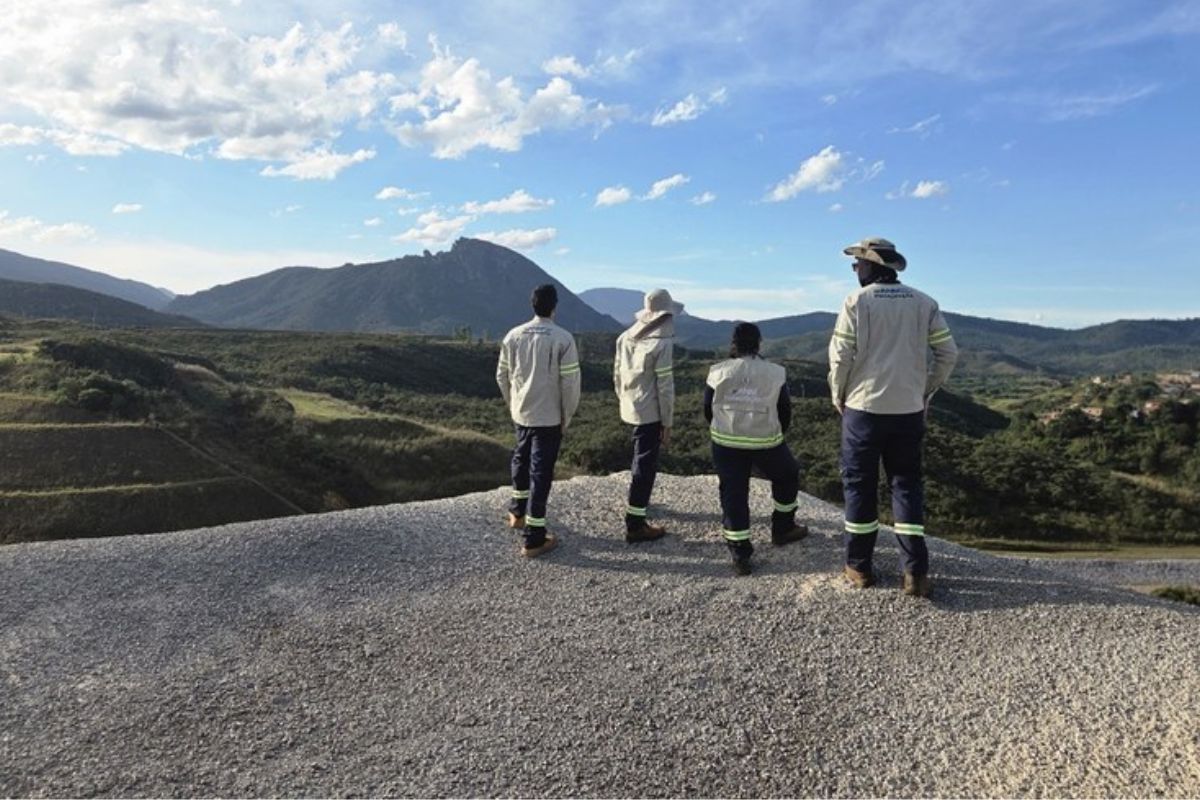
The Update of Resolution No. 220 by ANM Strengthens Dam Safety in Brazil with New Rules, Independent Review, and Greater Transparency in Mining Operations
The safety of dams in Brazil receives a new regulatory framework with the publication of Resolution No. 220 by the National Mining Agency (ANM) on October 16, according to a report published.
The measure updates and replaces Resolution No. 95/2022, consolidating technical advances and strengthening the oversight of structures that store mining waste.
The aim is to increase the reliability of dams, reduce environmental risks, and promote greater transparency in a sector vital to the national economy.
-
Brazil extracts 26.3 million tons of ore from what was previously treated as waste, transforming residues into wealth, producing over 3 million tons of sand, and demonstrating how national mining is relearning to generate value.

-
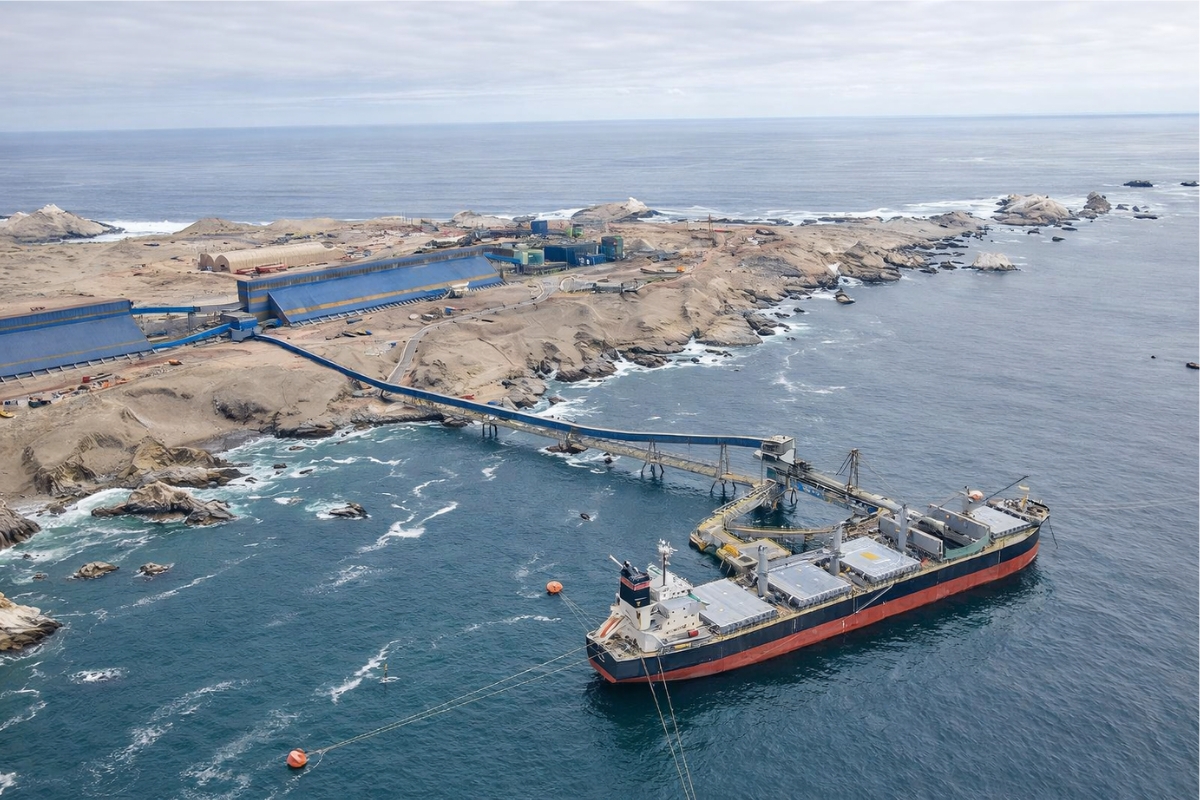
A $3.5 billion megaproject in Latin America pumps desalinated seawater at 1,050 liters per second over 194 km to keep a copper supermine in the Andes operational for another 20 years.
-
A hidden mine in the Andes valued at nearly R$ 1 trillion is starting to attract global attention, containing copper, gold, and silver, and raises an intriguing question: why do Argentina and Chile need to act together to exploit this gigantic wealth?
-
A silent discovery in the interior of Bahia could change the future of energy in Brazil: a uranium reserve in Lagoa Real has an estimated capacity to produce 400 tons per year and is already attracting the attention of energy sector specialists.

The process was widely participative and involved over 470 contributions during a public consultation held in June this year, demonstrating social engagement in building a modern and effective regulation.
Technical Classification of Dams and Enhancement of Risk Monitoring
Among the main innovations of the resolution is the introduction of new criteria for the classification of dams based on potential damage, volume of waste, and risk category.
The methodology follows the parameters established by the Resolution No. 241/2024 of the National Water Resources Council (CNRH), ensuring compatibility between public agencies and technical standardization.
According to ANM’s Director General, Mauro Sousa, the changes balance the necessary rigor for dam safety in Brazil with operational viability for mining companies.
The regulation also establishes a two-year implementation schedule, allowing companies to gradually adapt without compromising the integrity of the structures.
To ensure accuracy and uniformity, the technical terms used will follow standards from the Brazilian Association of Technical Standards (ABNT), strengthening the reliability of reports and inspections.
Independent Periodic Review and Advances in Safety Auditing
Another key point of the new regulation is the requirement for independent periodic safety reviews, now conducted by external teams, independent and without any ties among themselves.
This requirement seeks to eliminate conflicts of interest and enhance the transparency of auditing processes.
Moreover, the same technical group cannot conduct consecutive inspections, which reinforces the impartiality of the analyses.
For Director Roger Romão Cabral, the rapporteur of the proposal, the measure represents an essential advancement for the sector.
He emphasizes that the enhancement of the standards strengthens the safety of dams in Brazil, contributing to the protection of society, entrepreneurs, and the environment.
The initiative aligns with international best practices and meets safety recommendations adopted by leading countries in sustainable mining.
The updates reinforce the supervisory role of ANM and modernize accident prevention protocols.
Specific Criteria for Nuclear Waste and Integration with Radiological Safety
Resolution No. 220 also introduces new parameters for dams that store nuclear waste or contain associated radioactive elements.
These provisions fully incorporate the guidelines of CNRH No. 241/2024 and align with ANM’s competencies in cooperation with the National Nuclear Safety Authority (ANSN).
According to Luiz Paniago Neves, superintendent of Dam and Mining Heap Safety, the regulation clearly defines the responsibilities among agencies: ANM operates in the stages of research and mining of nuclear minerals, while ANSN remains responsible for nuclear safety and radiological protection.
The new classification system distinguishes between flood areas and areas affected by potential hypothetical ruptures, allowing proportional obligations to be applied based on the complexity of each structure.
This update strengthens governance and enhances the effectiveness of public policies aimed at dam safety in Brazil, integrating technical, environmental, and social criteria.
The superintendent of Regulatory Policies at ANM, Marina Marques Dalla Costa, emphasizes that the public consultation was decisive for the improvement of the final text.
According to her, the dialogue between government, experts, and civil society is fundamental for building effective and legitimate regulations.
The new resolution from ANM, therefore, represents more than a technical update: it symbolizes an institutional advancement that reinforces the culture of safety, transparency, and responsibility in national mining.
Based on scientific criteria and internationally recognized practices, the country takes a solid step towards sustainability and public trust in mining operations, consolidating dam safety in Brazil as a permanent priority of infrastructure and energy policies.









Seja o primeiro a reagir!