





 Portuguese
  English
  Spanish
  3 min of reading
  0 comments


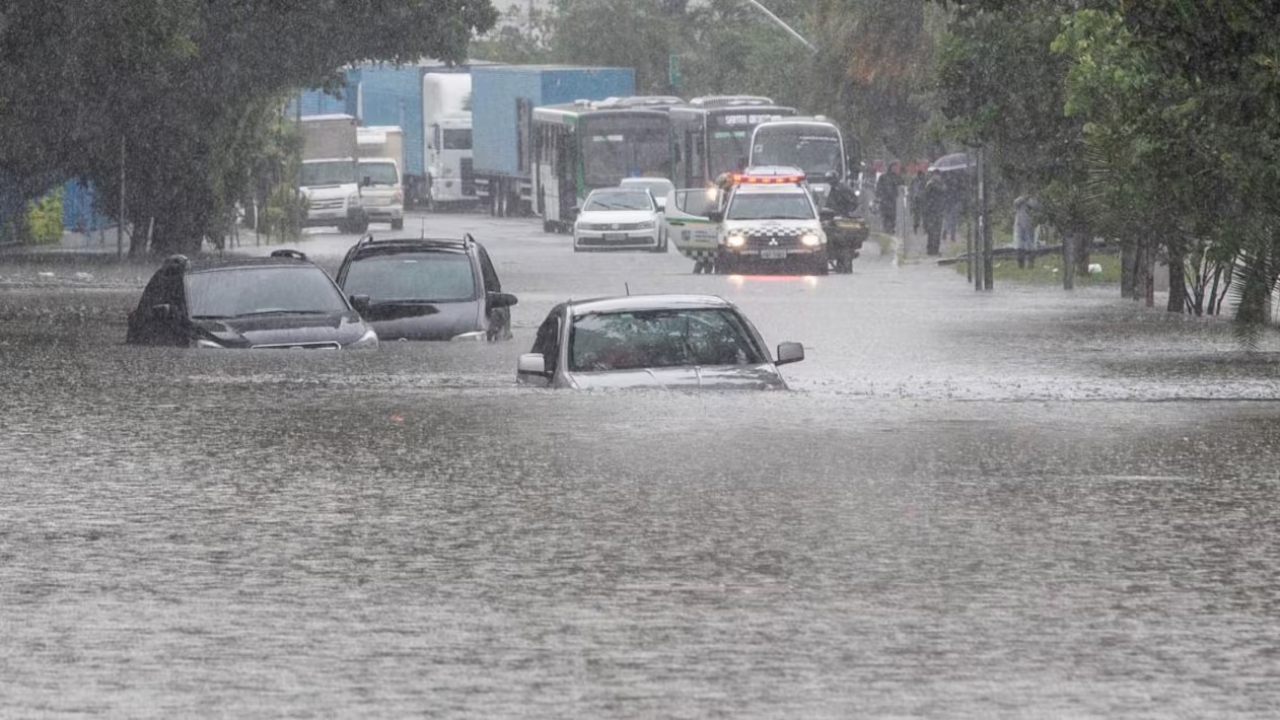
Understand When Auto Insurance Pays And What Care To Take To Avoid Losing Compensation In Heavy Rain Situations
The heavy rains in the last week in São Paulo increased the worry of those who have cars and fear losses with water on the street, in the garage, or even with hail.
In these situations, the answer depends on the type of contract. The broadest coverage of auto insurance may include damage caused by rain, but there are conditions that must be respected.
The main coverage of auto insurance is known as comprehensive, and it can vary according to the contracted plan.
-
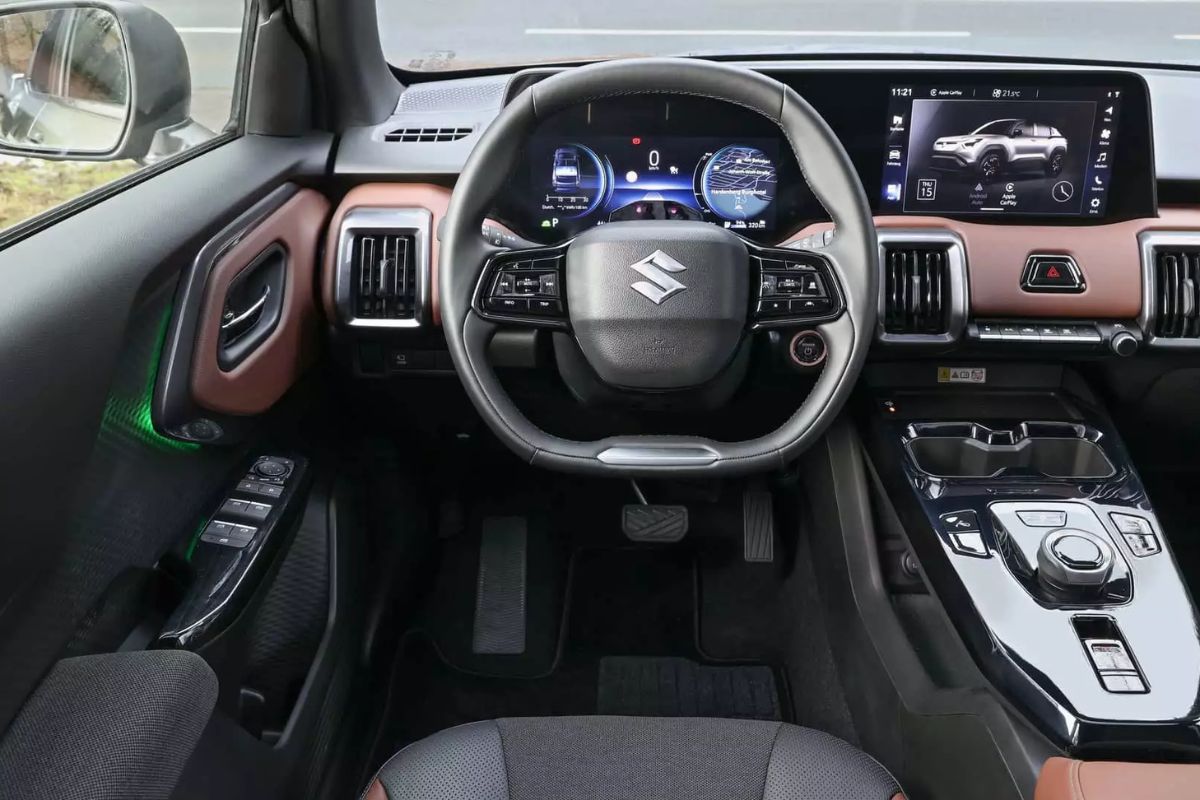
The 2026 electric Vitara arrives in Brazil and proves that Suzuki is not leaving: 4×4 traction, 184 hp, 61 kWh LFP battery, 293 km range, R$ 259,000, and a trunk capacity of 224 L.
-
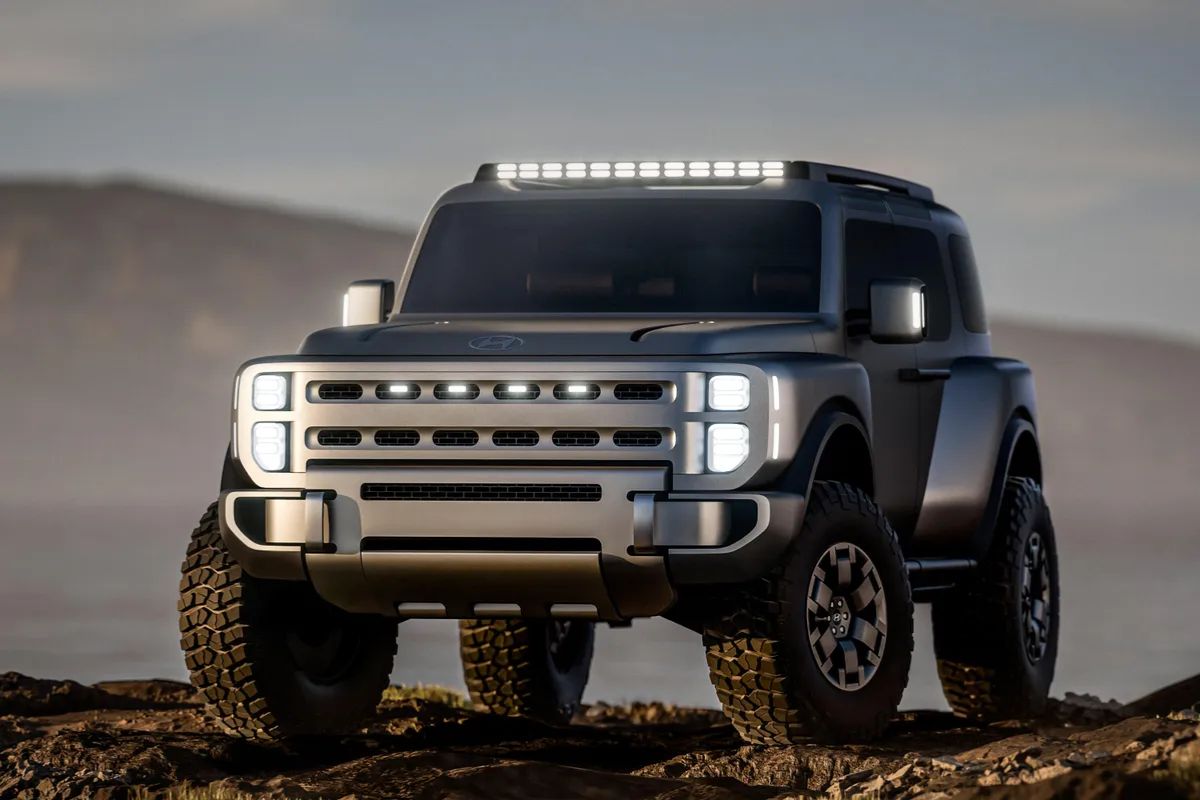
Hyundai has unveiled the Boulder, a square SUV with a body-on-frame design, 37-inch mud tires, and carriage-style doors that seems to be made to take on the Ford Bronco and the Scout Traveller in the United States.
-
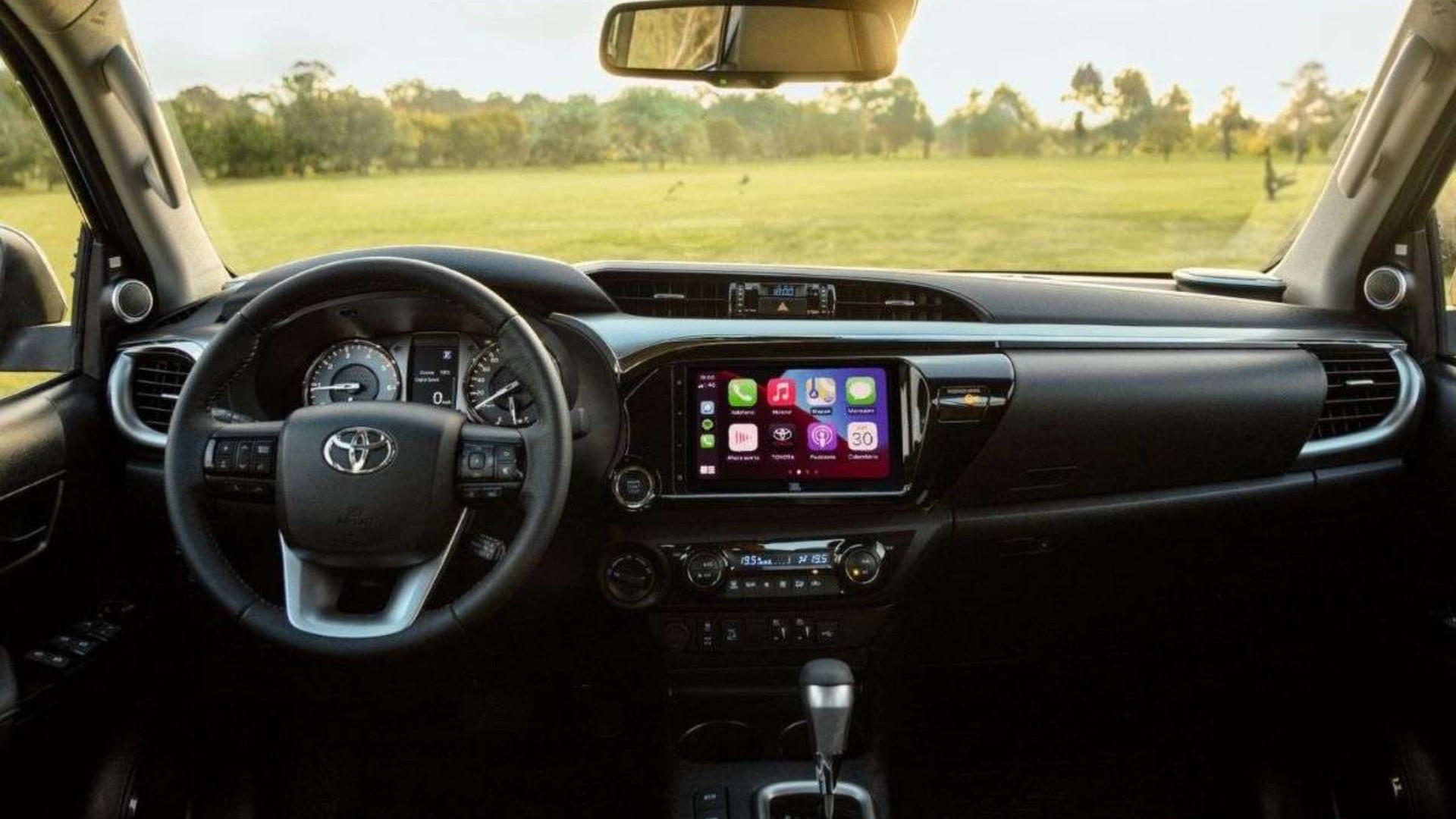
The Toyota Hilux is R$ 75.5 thousand cheaper and bets on the 2.8 turbodiesel engine with up to 204 hp and 50.9 kgfm to catch up with the VW Saveiro, which leads with 4,472 sales.
-
The new Renault Koleos has a screen exclusively for the passenger that is invisible to the driver, heated rear seats, and 29 assistance systems, but its Chinese competitors cost R$ 40,000 less and deliver more power.

What Happened And Why It Caught Attention
The volume of rain raised the risk of flooding and vehicle damage in urban areas. When the water rises, it only takes a few minutes to compromise the engine, electrical system, and interior finish.
Moreover, hail can cause damage to the bodywork and windows, generating high repair costs for those without adequate protection.
For this reason, understanding what is included in the policy becomes a practical decision with a direct impact on finances.
What Changes In Practice For Those With Auto Insurance

Those with a comprehensive or full policy tend to have protection for damage caused by rain, including floods, inundations, and hail.
This type of coverage is aimed at both partial damage situations and cases where the vehicle suffers total loss.
On the other hand, those with a more basic plan may be left unprotected in weather events, even if the car is damaged in a heavy rain.
What Coverages Tend To Be In The Broadest Protection
The most complete coverage may provide compensation when the vehicle suffers damage from collision, fire, explosion, theft, and burglary of the insured vehicle.
Within this package, protection for natural phenomena may also be included, which covers floods in streets and garages.
The central rule is simple: coverage exists when the event occurs without any action by the driver that clearly increases the risk.
When The Insurer Can Refuse Payment
There is an important limitation: there is no coverage if the driver insists on crossing a flooded area, a situation regarded as recklessness.
In practice, compensation may be refused when it is shown that the driver aggravated the risk by attempting to pass through a waterlogged point.
Another critical point is the type of contract. Basic insurances that are limited to collision, theft, or burglary, without including weather events, typically do not cover damage caused by rain.
Points Of Attention And Common Questions
Not all policies are the same, even when the insurance is advertised as comprehensive. The safest approach is to confirm if there is direct mention of floods, inundations, and hail.
It is also important to understand how the comprehensive coverage applies in each situation, as it is the basis of the insurance and may have variations from plan to plan.
On rainy days, simple decisions help avoid problems, such as not entering streets with accumulated water and prioritizing higher paths.
What To Do To Avoid Headaches On Rainy Days
The practical advice is to act cautiously and avoid risk areas whenever there is heavy rain, especially in points known for flooding.
Another essential precaution is to review the policy and confirm what is included, to reduce surprises when filing a claim.
In the end, insurance can be an ally against losses caused by rain, but the outcome depends on the type of coverage and the driver’s behavior at the time of the incident.










-

-

2 pessoas reagiram a isso.