





 Portuguese
  English
  Spanish
  3 min of reading
  0 comments


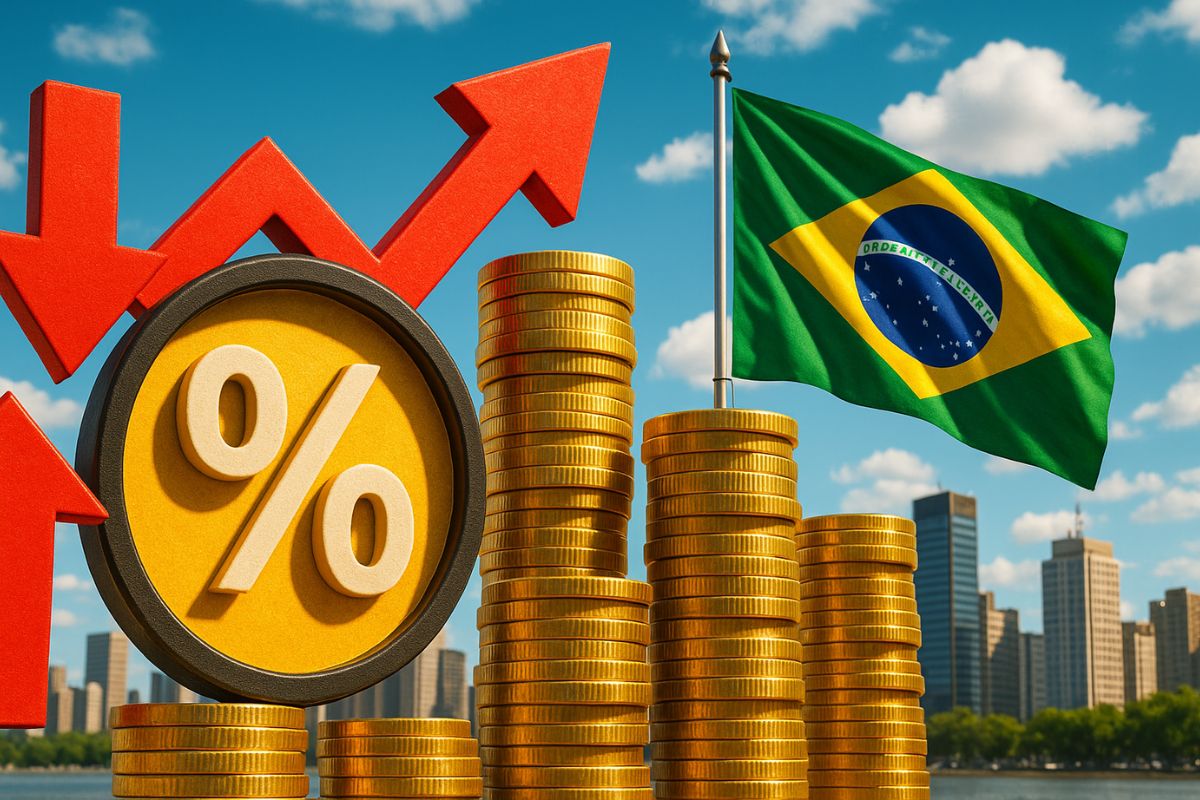
Understand How the Variation in the Basic Interest Rate Affects Credit, Inflation, and Profitability in the Financial Market
The Selic, Brazil’s basic interest rate, is one of the main indicators of the economy and directly influences the cost of credit, inflation control, and the return on investments. Defined by the Monetary Policy Committee (Copom) of the Central Bank, it serves as a reference for all interest rates in the country, affecting both businesses and consumers.
When the Selic rises, loans and financing become more expensive, which tends to slow down consumption and curb inflation. On the other hand, a lower Selic makes credit more accessible and stimulates economic growth, but it may reduce the earnings of those investing in fixed income.
What is the Selic and Why Is It Important
The Selic is used as a monetary policy tool to keep inflation within the target set by the government. An increase in the rate raises the cost of borrowing for banks and financial institutions, which pass this increase on to the consumer. Conversely, a reduction in the Selic makes credit cheaper, encouraging consumption and investment.
-
The largest food company on the planet, JBS, has just opened a 4,000 square meter laboratory in Florianópolis to develop customized proteins that modulate muscle mass gain, immune response, and metabolic performance.

-
After nearly 30 bids and competition among industry giants, a Spanish company purchases one of the largest airports in Brazil for almost R$ 3 billion and takes over the management of Galeão in a concession that will last until 2039.

-
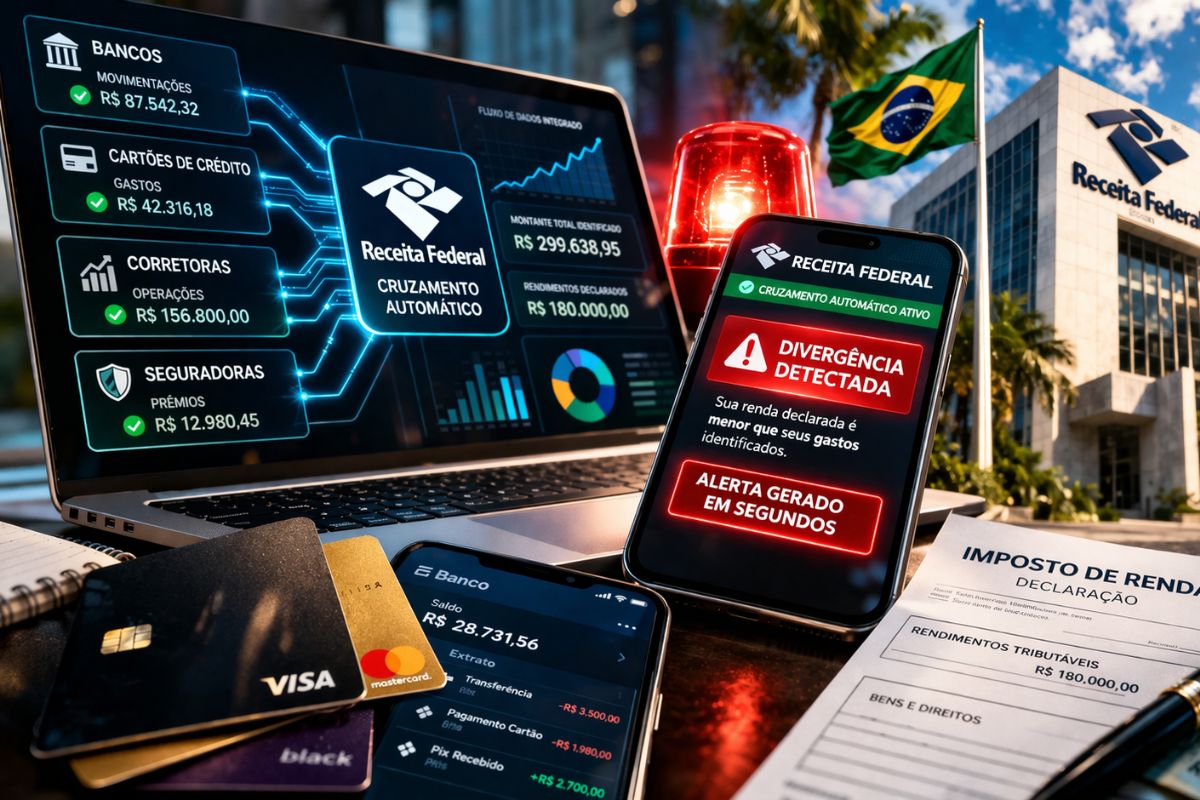
The Federal Revenue Service now automatically cross-references everything you declare with data from banks, credit cards, brokerage firms, and insurance companies, and any discrepancy between your income and your expenses triggers an alert in seconds.
-
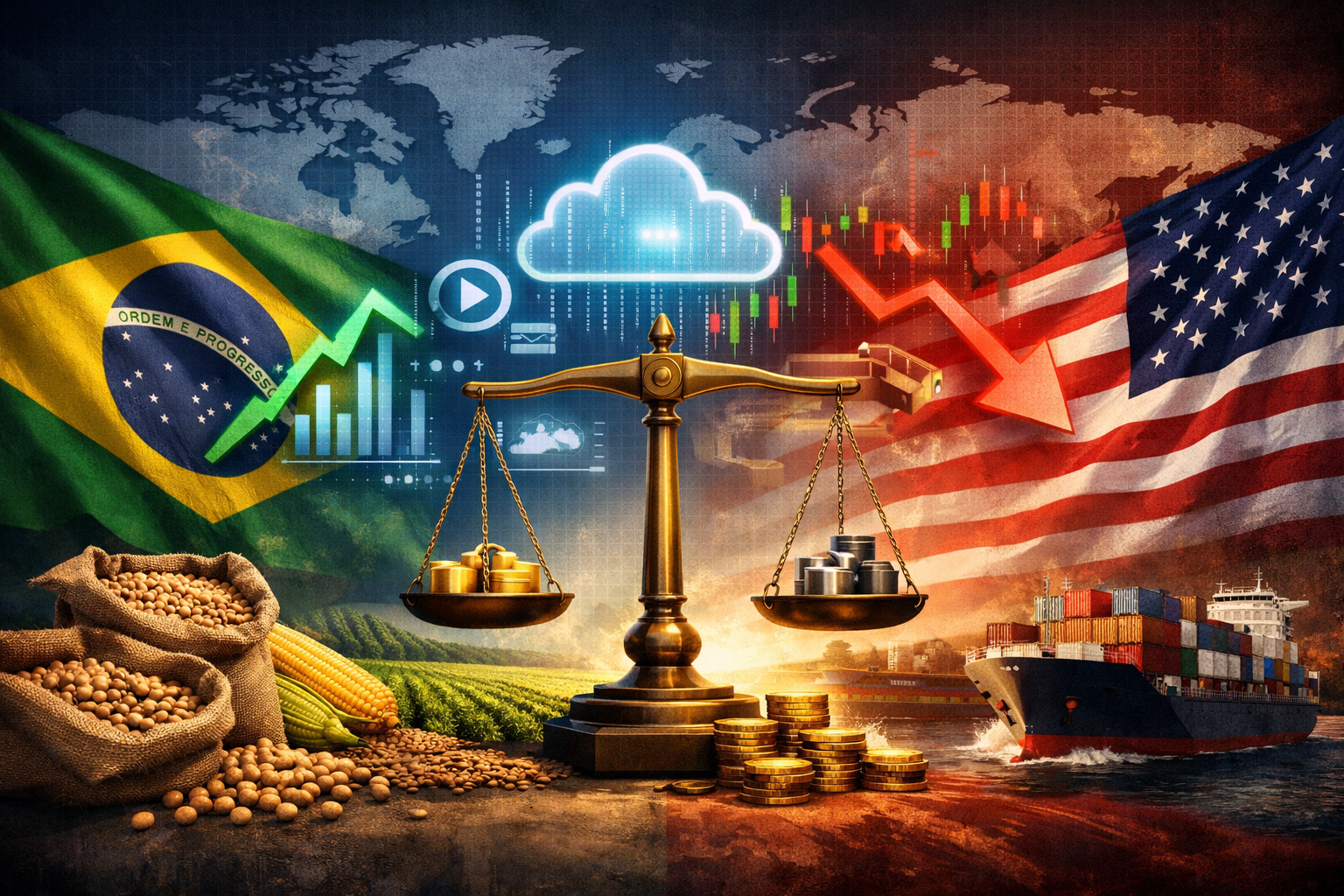
Amid global tensions, Brazil blocks the United States’ proposal at the WTO and paves the way for a trade crisis and possible retaliations.

This dynamic has repercussions both in the market and in personal finances. Those with debts linked to variable interest rates, for example, quickly feel the impact of changes in the rate.
How the Selic Influences Your Investments
Fixed income investments such as Treasury Direct, CDBs, LCIs, and LCAs are directly impacted by the Selic. In periods of high rates, these products offer higher returns, benefiting conservative investors. In times of low rates, returns tend to fall, stimulating the search for alternatives like variable income or multimarket funds.
In the Treasury Selic, for example, the remuneration follows the fluctuations of the basic rate, ensuring more attractive gains when the Selic is high.
Effect of the Selic on Credit and Financing
A high Selic increases the cost of personal loans, credit cards, and financing, as institutions pass on the heightened borrowing costs to the consumer. This directly impacts high-value purchases, such as real estate and vehicles.
With a low Selic, the scenario reverses: credit becomes more accessible, favoring consumption and boosting sectors like construction and automotive.
Role of the Selic in Controlling Inflation
When inflation exceeds the target, the Central Bank often raises the Selic to contain consumption and reduce pressure on prices.
If inflation falls too much, the rate may be cut to stimulate the economy. It is a delicate balance that requires constant attention to the country’s internal and external conditions.
Selic and Your Personal Budget
For those in debt, a high Selic can weigh on the finances, increasing the value of payments and making it difficult to pay off debts. For investors, however, a high rate represents greater earnings in fixed income, helping to strengthen the budget.
Following Copom’s decisions and understanding their impacts is crucial for adjusting both investment strategies and financial planning.
And for you: does a high Selic bring more benefits or drawbacks? Do you prefer to take advantage of high-interest rates for investment or would you like to see cheaper credit? Share your opinion in the comments.








Seja o primeiro a reagir!