





 Portuguese
  English
  Spanish
  4 min of reading
  7 comments


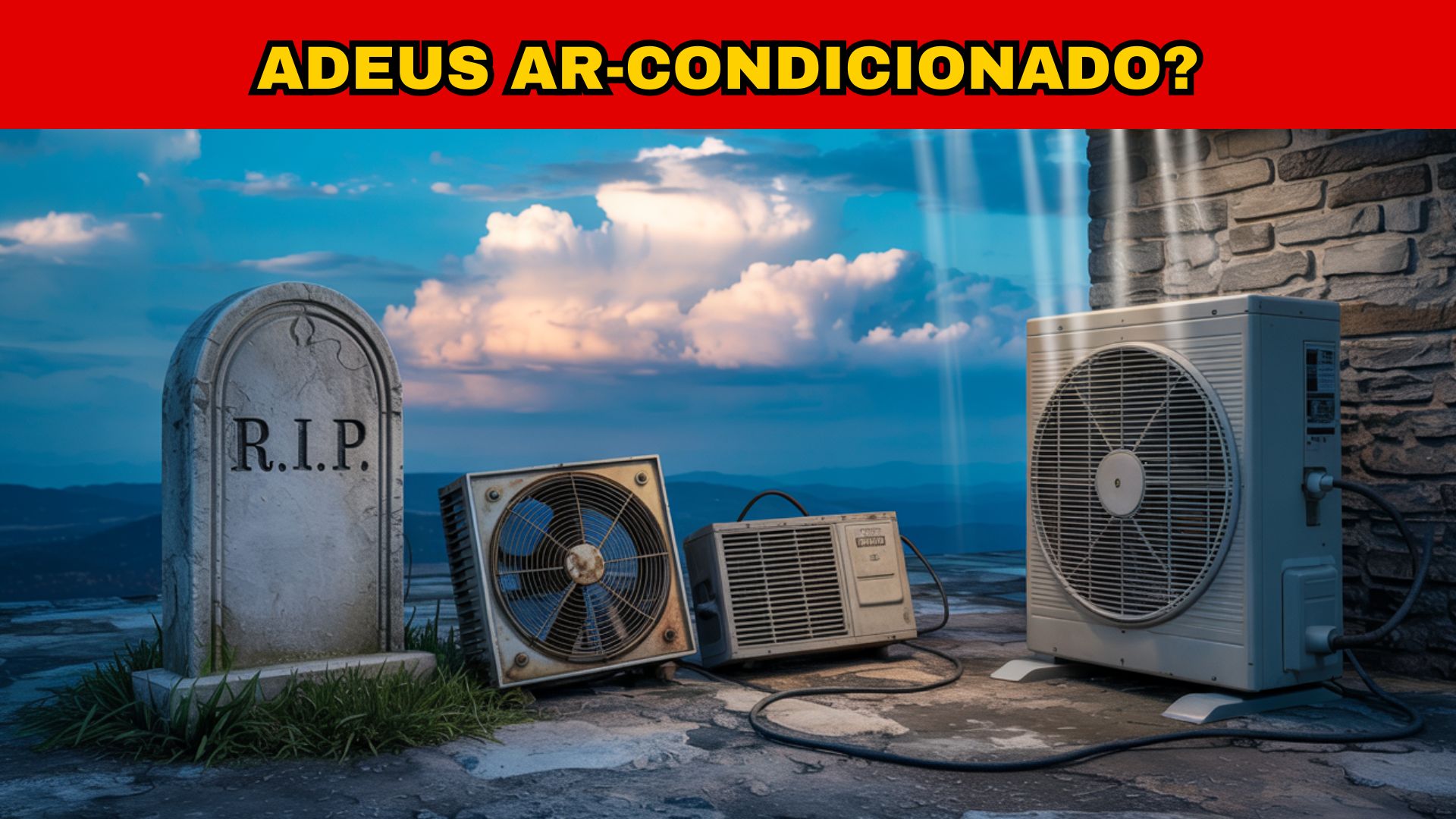


Say Goodbye to Air Conditioning: Meet the Cooling Ceiling, New Trend That Cools the House with Energy Savings and Comfort Without Noise. Sustainable Technology Already Used in Europe.
Air conditioning, despite being the favorite on hot days, may be counting its days. A new trend is gaining strength around the world by offering thermal comfort, energy savings, and even more discretion indoors. Its name? Cooling Ceiling, also known as Radiant Cooling Ceiling.
With simple, silent, and efficient technology, the system is gaining ground as a direct replacement for air conditioning and an alternative to fans, especially among families seeking sustainable solutions with low maintenance and high efficiency.
How Does the Cooling Ceiling Work?
Unlike conventional air conditioning, which relies on motors, compressors, and fans, the cooling ceiling operates on a passive and extremely efficient logic. It consists of a network of pipes embedded in the ceiling, through which chilled water circulates.
-
With a cost per shot close to zero, the DragonFire laser could change naval warfare in 2027 and provide British ships with nearly unlimited defense against drones.

-
A British startup creates tires that generate electricity in electric vehicles when passing over potholes, speed bumps, and cracks.

-
Scientists have created robots made with living cells that have their own nervous system, swim on their own, explore the environment, and self-organize without any genetic engineering, and now they want to do the same with human cells.

-
Students create a solar-powered ambulance that operates without a plug, without fuel, and still keeps medical equipment running in remote areas.




The hot air in the environment, naturally lighter, rises and comes into contact with the cold ceiling. This contact causes the air temperature to drop immediately, promoting the cooling of the room as a whole — without air blows, noise, or dryness.
A Solution Tested and Approved in Europe
Although still little popular in Brazil, the cooling ceiling is already a reality in countries like Germany, Switzerland, and the Nordic nations (such as Norway, Denmark, and Finland). In these regions, the system has been adopted in modern residences, commercial buildings, universities, and even hospitals — places where thermal comfort and air quality are essential.
The European success is due to the combination of three factors: energy efficiency, absolute silence, and uniform thermal comfort without temperature fluctuations.
End of Air Conditioning? 4 Reasons That Explain the Turnaround
The question many ask is: is it worth replacing air conditioning with this new trend? See below the main arguments that support the rise of radiant ceilings:
1. Significant Energy Savings
This is the biggest difference: while air conditioning consumes a large amount of electrical energy due to its compressors and refrigeration cycles, the cooling ceiling uses only a pump for circulating cold water, consuming up to 30% less electrical energy.
For large houses or in regions with prolonged heat, this represents a considerable accumulated savings on the electricity bill over the years.
2. Invisible and Silent System
With installation embedded in the ceiling, the system does not interfere with the room’s design, takes up no space, and makes no noise. It eliminates those loud indoor and outdoor units that, besides attracting attention, often become a visual nuisance.
3. More Comfort and Less Dryness
As the air is not blown or forced, it maintains the relative humidity of the environment, avoiding the typical dryness of air conditioning systems. This means more comfort for breathing, less irritation in the eyes and throat, and less proliferation of dust in motion.
4. Minimal Maintenance
Another strong point is almost non-existent maintenance. Without filters to change, constant cleaning of evaporators and condensers is needed, the cooling ceiling requires only basic and occasional checks — which helps reduce operational costs and the time spent on technical support.
And the Installation Cost?
Here comes an important point: the initial investment is, indeed, higher than that of a traditional air conditioning system. This is because it requires civil work to embed the pipes in the ceiling and set up the cold water circulation system.
However, experts point out that the cost balances out in the long run. Between savings on electricity bills, increased property value, and gains in durability (as the system can last decades without major maintenance), the profitability compensates for the initial installation — especially in new buildings or complete renovations.
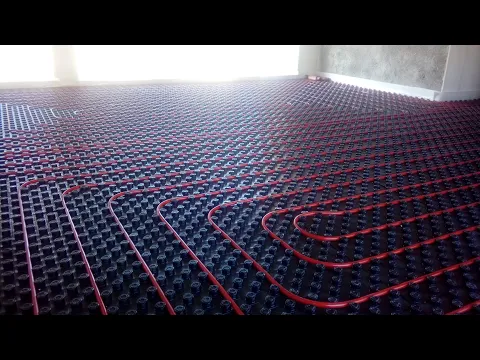
A Sustainable and Adaptable System
In addition to energy savings, the cooling ceiling is considered a sustainable solution, as it can operate in conjunction with renewable energy sources, such as solar panels. The water used in the circulation can come from reuse systems, and cooling can be done by heat pumps that exchange heat with the ground (geothermal).
Another benefit is that the system can also be reversible: on cold days, the same pipes can circulate warm water, turning the ceiling into a radiant heater. That is, total climatization, summer and winter, with a single system.
End of Traditional Air Conditioning?
The complete replacement of air conditioning units with systems like the cooling ceiling still depends on factors such as accessibility, technical knowledge, and policies to encourage sustainable construction.
Nonetheless, the trend is clear: more and more people and companies are seeking silent, efficient, and economical alternatives — and the radiant ceiling appears as the protagonist of this turnaround.
In the coming years, as installation prices drop and environmental awareness increases, it is likely that this technology will cease to be a European luxury to become a global standard of comfort and economy.








Não entendi como a água vai circular fria nessa tubulação.
Eu não entendi como a água é refrigerada. Uma vez que o teto da casa está quente, sob a incidência do sol, como essa água vai ser refrigerada? Isso não ficou muito claro na matéria, pelo menos pra mim. Obrigado, amigo
Com 42 graus utilizar refrigeração para água não dá no mesmo?
Quem utiliza ? Quem aplica?