





 Portuguese
  English
  Spanish
  3 min of reading
  2 comments


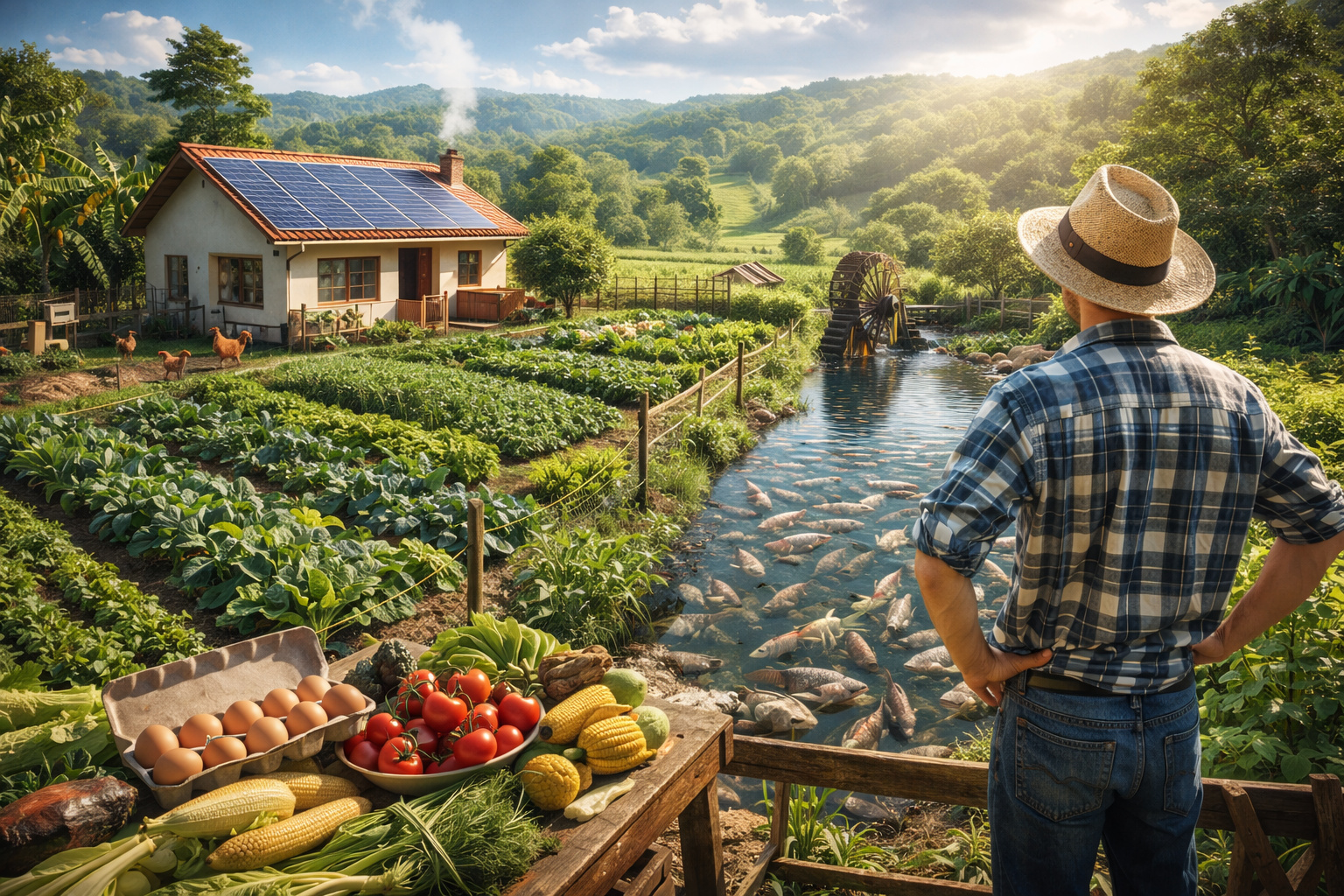


With Little Land, They Produce Almost Everything They Consume, Don’t Pay for Electricity, and Live Calmly Away from the Rush of the City
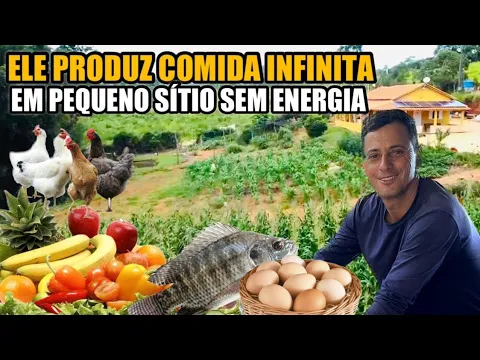
While millions of Brazilians face high prices in the market, expensive electricity bills, and constant stress in cities, a small farm in the countryside shows that it is possible to live differently. With only half an acre of land, they managed to achieve something that many people consider impossible today: to produce almost all their own food, not depend on the urban power grid, and maintain a fully stocked table.
What stands out the most is not luxury, cutting-edge technology, or large investments — but organization, reuse, simplicity, and smart use of the land.
“I Don’t Want to Get Rich, I Just Don’t Want to Go Without”
The philosophy is straightforward:
-
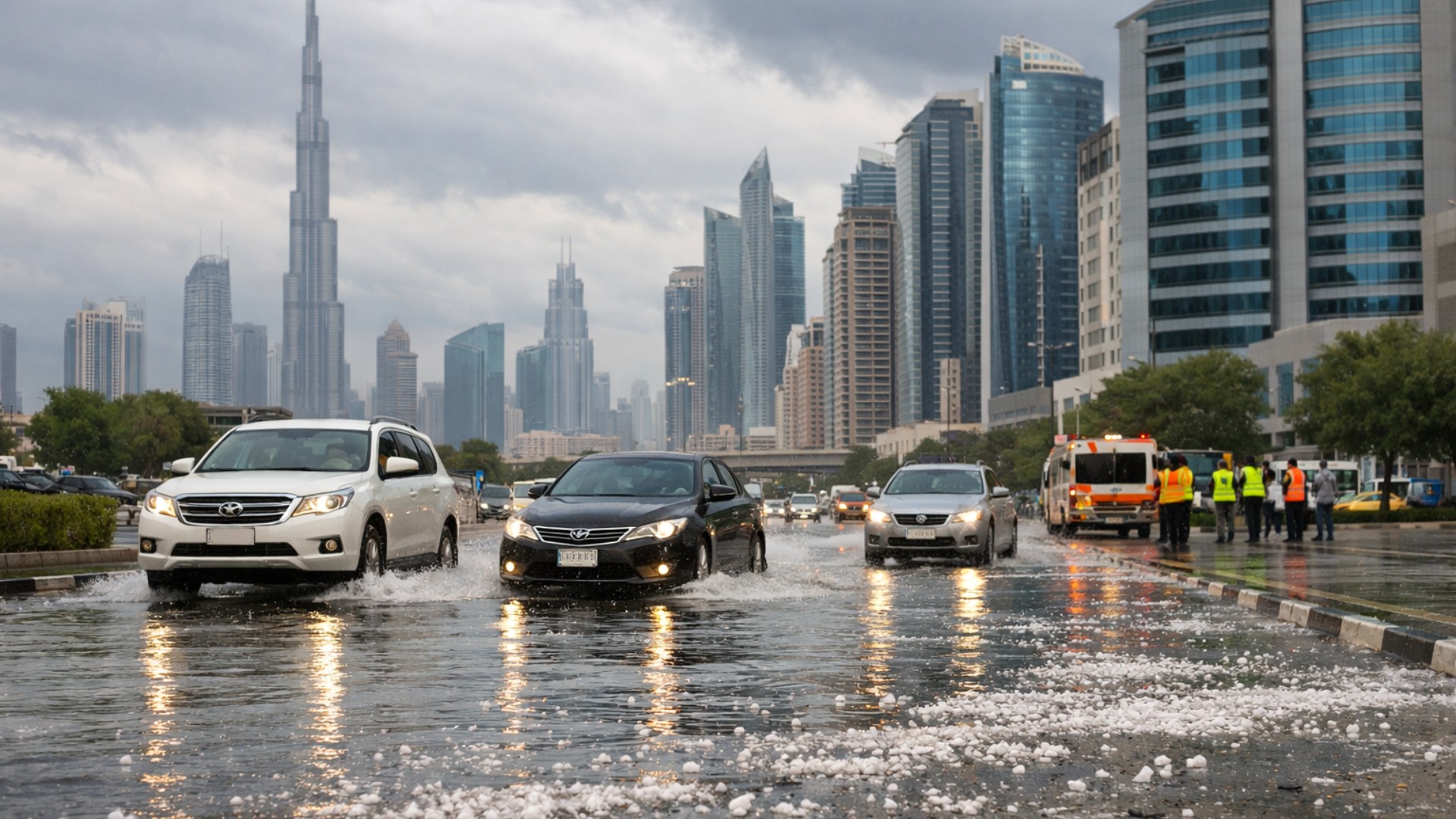
A rare storm transformed part of the Gulf into an unlikely scene of hail, extreme rain, and tornado risk in the middle of the desert, with volumes that exceeded the annual average in a single day.
-
Brazil catches the world’s attention with ships powered by ethanol and biodiesel that have lower emissions, an unprecedented certification with advantages in chartering, and a revolution in cabotage.

-
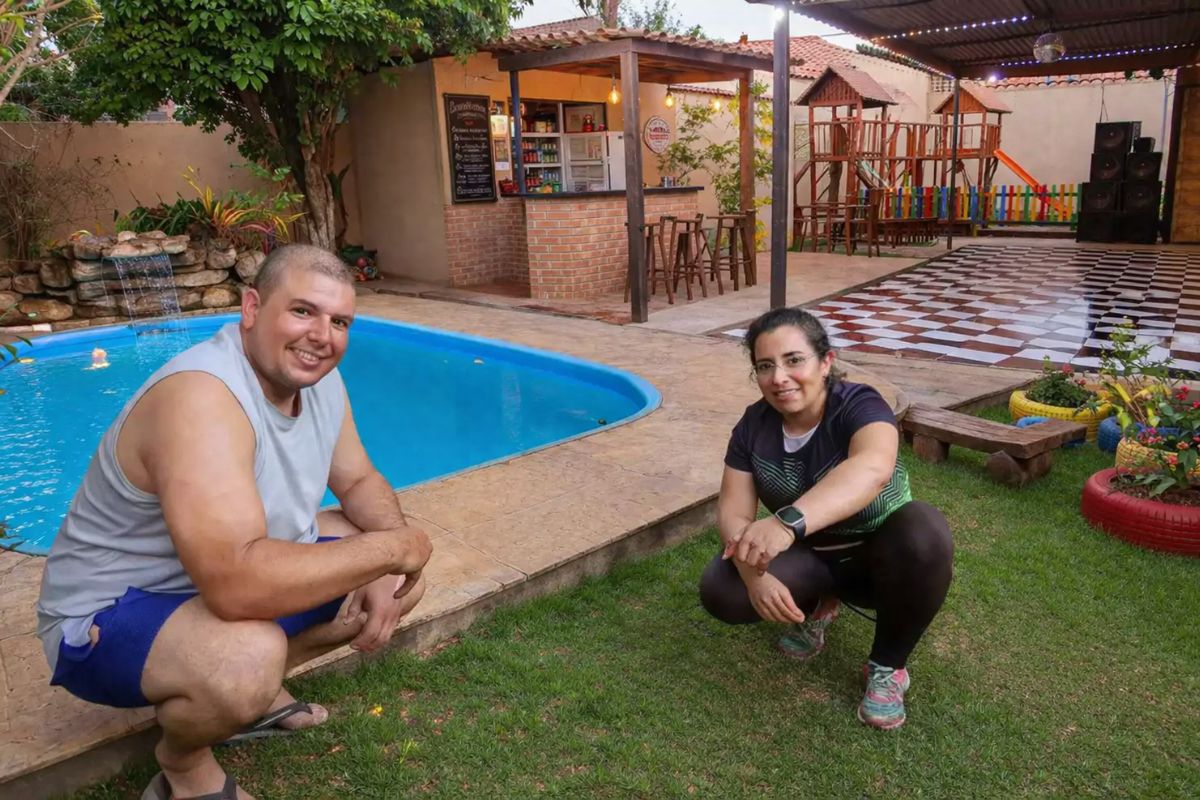
A couple who only has Sundays free has built a hand-dug pool, a hamburger joint, a dance hall, and a playground in their own home without hiring a mason, and even with breaks due to accidents and the pandemic, the work has never truly stopped.
-
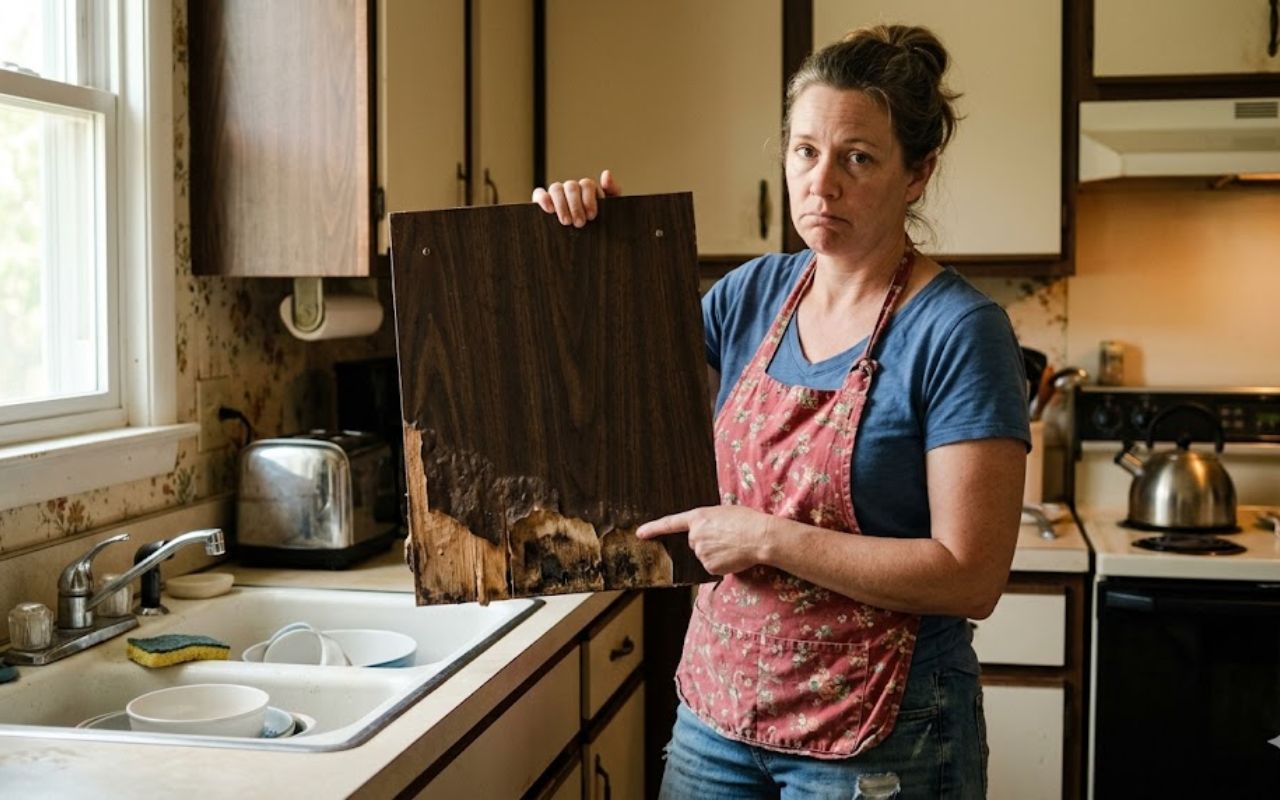
Furniture made with aluminum and glass does not warp and has become an alternative to replace MDF in Brazil.

“I don’t have the madness to get rich. I want God to keep what I have and not let it run out.”
This mindset guides the entire routine of the farm. The goal is not to accumulate money, but to guarantee food, peace of mind, and autonomy, something increasingly rare for those who rely entirely on the city.

Little Land, High Production
Contrary to what many think, it is not necessary to have a large farm to achieve self-sufficiency. The farm started practically from scratch — it was just pasture, with no improvements, no crops, and a simple house.
Over time, every corner was utilized:
- vegetables,
- fruits,
- corn,
- beans,
- manioc,
- pumpkin,
- okra,
- sweet potato,
- banana,
- Mango,
- peppers,
- yam,
- onion,
- garlic,
- carrot,
- tomato (including spontaneously sprouting).
Nothing stays idle. Every space produces something.
Eggs, Chicken, Fish, and Meat for Consumption
Animal production is also an essential part of the system:
- chickens guarantee daily eggs (reaching about 10 eggs per day);
- chickens for internal consumption;
- fish farming with tilapia and pike, which reproduce naturally;
- tank management prevents overcrowding and maintains balance.
The surplus — such as corn — can be sold or exchanged, generating a simple but efficient turnover.
Solar Energy and Zero Electricity Bill
Another impressive point: the farm does not depend on city electricity.
- Solar panels installed on the roof generate sufficient and even excess energy;
- They do not take up productive space on the land;
- They have completely eliminated the electricity bill.
In times of high tariffs, this makes all the difference in the budget.
Water Without Using Electricity: The Power of Nature at Work
The water for the house does not require an electric pump.
It comes on its own, powered by a water wheel, using only the natural force of the spring.
- No wires,
- no motor,
- no monthly cost.
It is a simple, old, and extremely efficient system — one that many people are unaware of.
Without Gas, Without Waste
The wood stove replaces the kitchen gas.
Firewood is taken from the property itself, in a controlled manner.
Additionally:
- used oil becomes homemade soap;
- scraps are reused;
- almost nothing is wasted.
The Image That Summarizes Everything: The Fully Stocked Table
Perhaps the most striking scene is the table:
everything produced on the farm, from corn to vegetables, from fruits to eggs.
Only a few items still come from outside — and even those are already in plans for future production.
City vs. Countryside: Two Different Worlds
The contrast is inevitable.
While in the city:
- there is haste,
- bills,
- noise,
- constant dependence,
in the countryside:
- the pace is different,
- food comes from the land,
- water comes from the spring,
- energy comes from the sun,
- and tranquility becomes routine.
“Here we sleep well. Life is calm.”






Seu Valdeir e dona Telma. Eles são ótimos! Acompanho eles no YouTube. São muito bons! Cumpanha nóis aí!!!! Abração prus dois
Que vida maravilhosa! Pura tranquilidade