





 Portuguese
  English
  Spanish
  3 min of reading
  1 comment




Elon Musk’s Tesla Has Sparked Controversy by Sending Managers to the Homes of Employees on Medical Leave, Raising Questions About Ethics and Worker Rights.
Elon Musk Is Not Joking When It Comes to Productivity at Tesla! Recently, the Company Generated a Wave of Controversy by Sending Managers to the Homes of Workers on Medical Leave.
This Practice Raised Serious Questions About Ethics and Workers’ Rights.
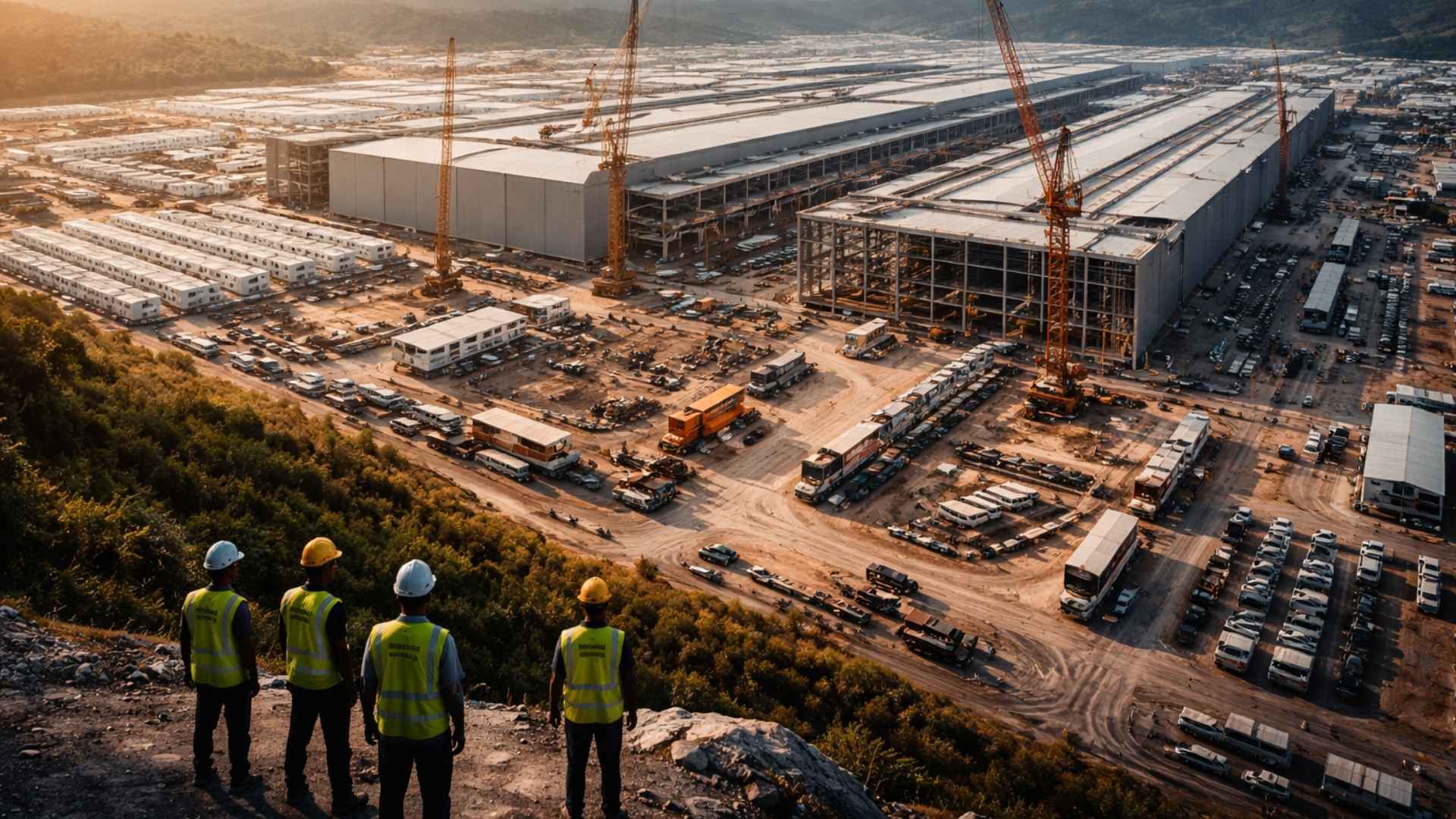
A Tesla Director in Germany, André Thierig, Revealed That Managers Were Sent to the Homes of About 20 Employees Who Had Been on Medical Leave for Over Nine Months.
-
The United States has a serious problem with its F-35s: China is already producing fighters at a pace that exceeds American capacity and could manufacture up to 300 aircraft per year before the end of the decade, shifting the global military balance.

-
A retired IT professional built a 22-meter boat in his backyard in Oklahoma with a school bus engine, light pole masts, and handmade watertight doors to become the redneck version of Jacques Cousteau.

-
China is building a city in Brazil: a complex with an investment of R$ 5.5 billion comes to light, but allegations involving workers draw attention.
-
While Argentina buys old war equipment, Brazil is keeping an eye open and joins the select group of nations with advanced military technology by investing $5.2 billion, producing 36 Gripen fighters in the country, and reducing operational costs.


These Workers Continued to Receive Their Salaries, Which Led the Company to Adopt This Surveillance Strategy, According to the British Newspaper The Guardian.
Thierig Defended the Action, Arguing That These Home Visits Are a Common Practice in the Industry. He Stated That the Aim of the Visits Is to “Appeal to the Work Ethic of Employees.”
However, This Justification Did Not Convince Everyone. The Union IG Metall, Which Represents a Portion of the 12,000 Workers at the Tesla Gigafactory, Responded with Outrage to the Measure.
For the Union, the Company Is Promoting Unsatisfactory Working Conditions, with “Irrationally” Long Hours and Pressure for Sick Workers to Return to Work.
According to The Guardian, Sick Leave Rates at the Tesla Factory Located in Berlin-Brandenburg Often Exceed 15%, a Rate That the Union Attributes to Stress and a “Culture of Fear” That Permeates the Work Environment.
Thierig, for His Part, Argues That Some People Take Advantage of Labor Protection Laws in Germany. He Pointed Out a 5% Increase in Sick Leaves Recorded on Fridays and during Night Shifts.
Additionally, the Director Reported That Among the 1,500 Temporary Workers at the Factory, Who Face Conditions Similar to Permanent Employees, the Average Sick Absence Rate Is Only 2%.
This Discrepancy Raises Doubts About the Reasons for the High Rates of Medical Leave Among Permanent Workers.
In a More Alarming Move, Tesla Identified About 200 Team Members Who Were Being Paid but Did Not Show Up for Work This Year.
Thierig Noted That These Employees Provide Medical Certificates at Least Every Six Weeks, Which Contributes to the Growing Concern About the Validity of These Leaves.
The Reaction to the Measure
Tesla’s Actions in Germany Have Generated an Intense Debate About Human Resource Management Practices in Large Companies.
What Might Seem Like a Simple Check Turns into a Discussion About Ethics and Workers’ Rights.
While Some Argue for the Need to Ensure Employees Do Not Abuse Medical Leaves, Others Warn That This Approach Can Create an Oppressive and Stressful Work Environment.
The Controversy Also Highlights the Growing Importance of Workers’ Mental Health and Well-being.
In a World Where Stress and Pressure Are Becoming More Common, Companies Need to Find a Balance Between Productivity and Caring for Their Employees.
Therefore, the Question Remains: How Far Should Companies Go to Ensure Productivity?
In Summary, Tesla’s Case in Germany Serves as a Warning for Other Organizations, Both in Europe and Brazil.
The Search for Greater Efficiency Cannot Justify Violating Workers’ Rights, and Companies Must Be Attentive to Signs That Their Practices May Be Affecting the Well-being of Their Teams.
And You, What Do You Think About This Radical Measure by Tesla? Do You Believe This Approach Can Be Beneficial or Harmful to Workers? Share Your Thoughts in the Comments!






Acho que o importante é a honestidade, se você é uma pessoa honesta não tem com que se preocupar, oferece um cafezinho para o patrão e vida que segue!