





 Portuguese
  English
  Spanish
  5 min of reading
  0 comments


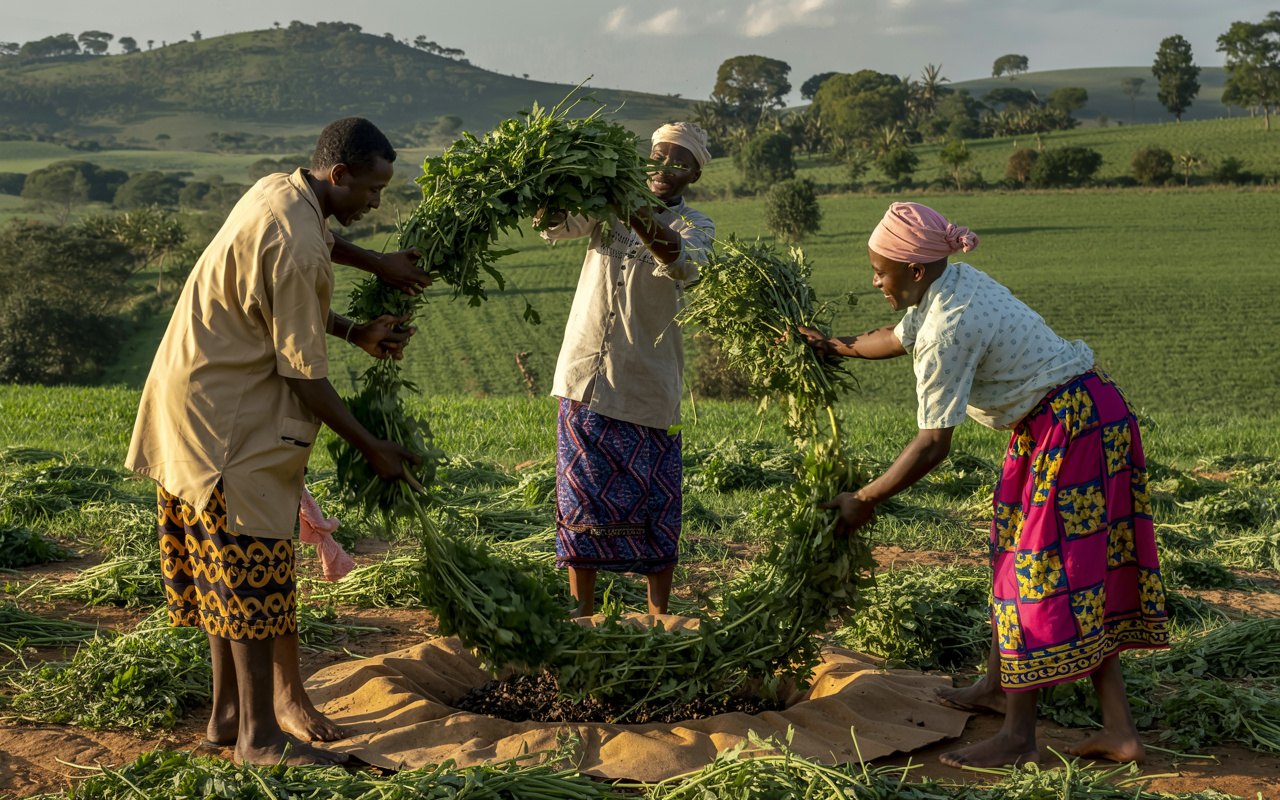
African Farmers Adopt Sustainable Techniques to Turn Weeds into Natural Fertilizer, Avoiding Pasture Burning and Promoting Regenerative Agriculture. In Brazil, the Challenge is to Replace Traditional Practices that Harm the Soil
While Brazilian farmers still resort to burning pasture to deal with excess weeds, innovative techniques developed and applied in African countries show that it is possible to regenerate the soil without destroying the ecosystem. A sustainable method, which does not require the use of tractors or burning, is gaining international attention for transforming invasive plants into natural fertilizer, promoting regenerative agriculture, and combating environmental degradation. The practice known as “invasive weed composting” has been successfully used in countries such as Burkina Faso, Niger, and Ghana, where smallholder farmers face depleted soils and resource scarcity. Unlike the predatory logic still common in many areas of Brazil, this approach transforms the problem — unwanted plants — into a solution.
The Burning Crisis in Brazil and the Urgency for Alternatives
The burning of pasture is a common practice in the Brazilian countryside, especially in extensive livestock areas and when clearing land for planting. According to data from the National Institute for Space Research (INPE), just in 2023, over 150,000 hotspots were recorded in the country, most related to the cleaning of agricultural areas.
This represents not only an environmental problem — with the release of greenhouse gases and destruction of biodiversity — but also an economic one, due to nutrient loss from the soil and risks to public health.
-
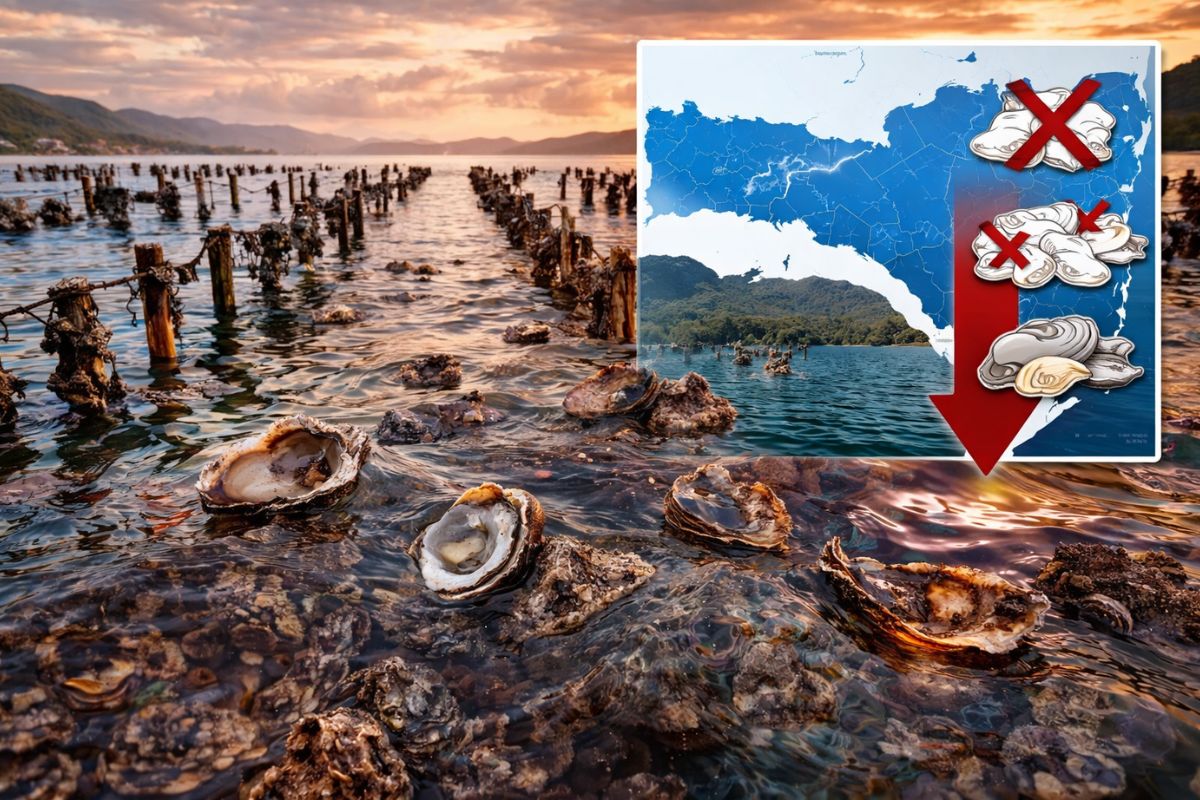
The sea water temperature rose from 28 to 34 degrees in Santa Catarina and killed up to 90% of the oysters: producers who planted over 1 million seeds lost practically everything and say that if it happens again, production is doomed to end.
-
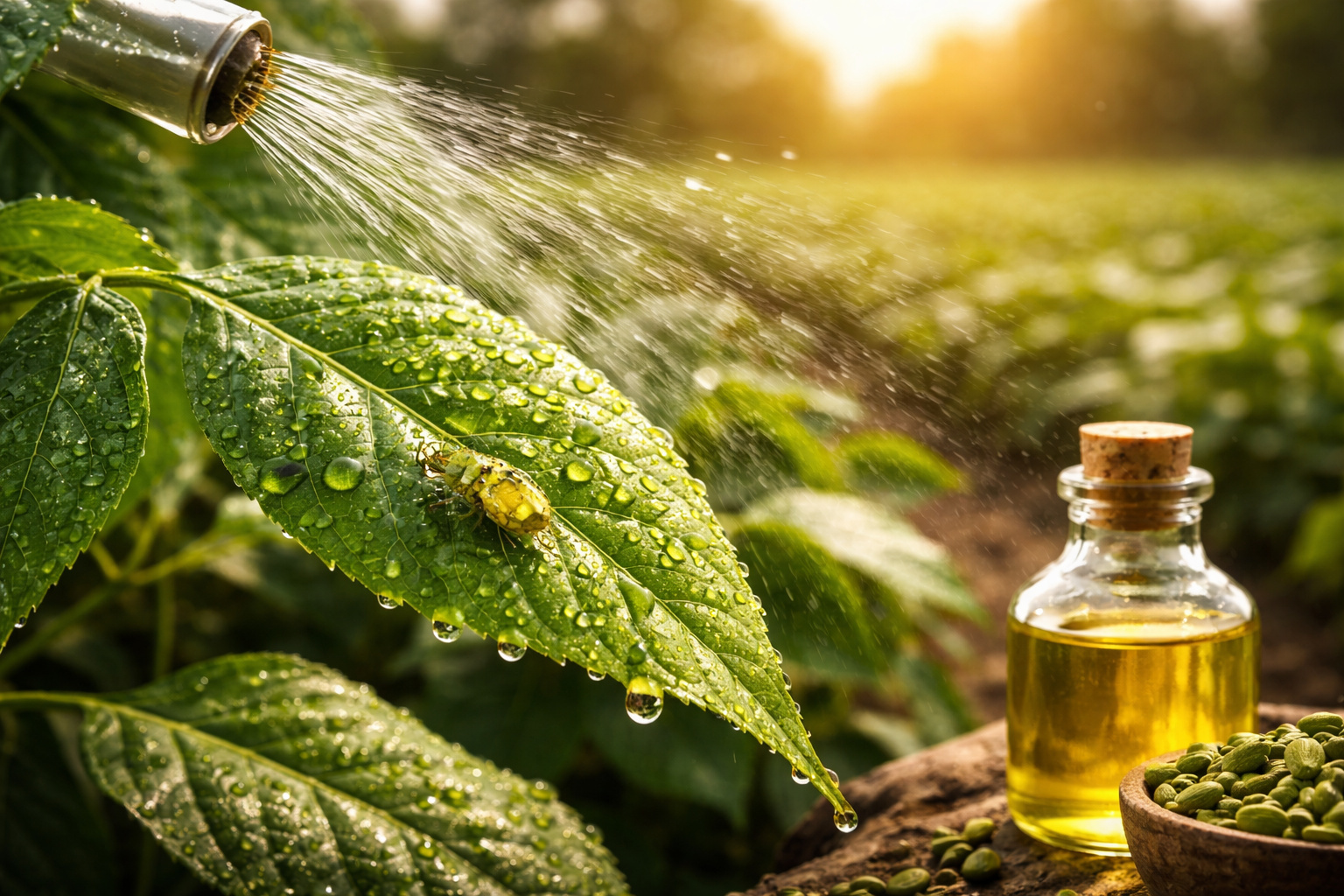
An Indian tree that grows in the Brazilian Northeast produces an oil capable of acting against more than 200 species of pests and interrupting the insect cycle, gaining ground as a natural alternative in soybean, cotton, and vegetable crops.
-
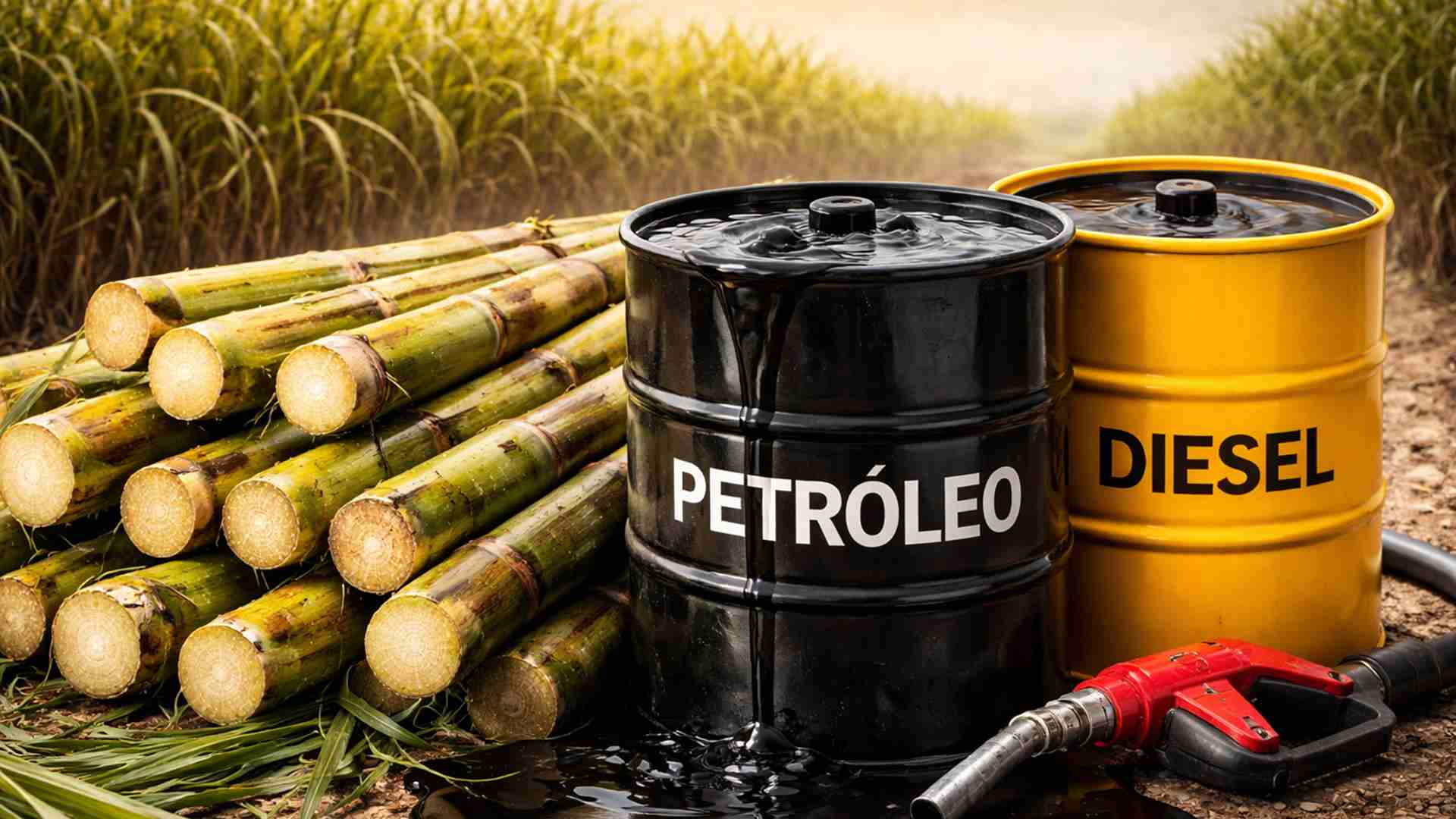
The rise in oil prices in the Middle East is already affecting Brazilian sugar: mills in the Central-South are seeing their margins shrink just as ethanol gains strength.
-
Rain gains strength in April, potentially exceeding 150 mm, placing the North, Northeast, and the coasts of the South and Southeast at the center of the heaviest forecast of the week.


In light of this reality, the need to adopt sustainable management methods that conserve the soil, reduce emissions, and increase crop resilience is growing. It is in this context that African techniques gain relevance.
What is Invasive Weed Composting?
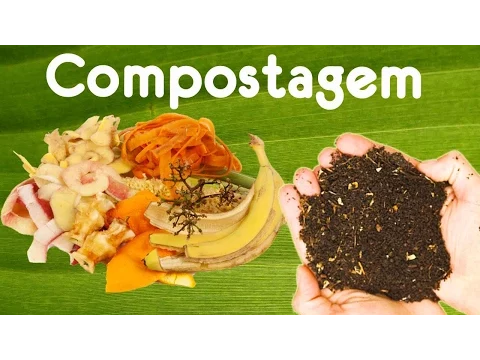
Invasive weed composting is a simple and low-cost technique that consists of collecting weeds or spontaneous plants — often considered organic waste or obstacles to production — and using them as raw material for composting. This process can be done directly in the field or in controlled piles, without the need for heavy machinery or chemical inputs.
Instead of burning or applying herbicides, farmers cut the plants, stack them in shaded areas, and keep them moist. Over a few weeks, the plant matter decomposes, transforming into a nutrient-rich compost that can be reincorporated into the soil.
This technique not only reduces environmental impact but also recovers degraded areas, improves water retention capacity, and increases soil fertility — pillars of regenerative agriculture.
Proven Results in Sub-Saharan Africa
Studies conducted by organizations such as FAO (Food and Agriculture Organization of the United Nations) and ICRAF (World Agroforestry Centre) demonstrate that composting and the use of green cover with spontaneous plants significantly contribute to increased agricultural productivity in rural African communities.
Studies in Burkina Faso show that the use of composting and green cover with agricultural residues can increase maize productivity by between 24% and 66% compared to crops that use conventional methods, such as burning waste or relying solely on chemical fertilizers. Additionally, farmers reported improvements in soil structure and greater resilience to droughts.
Why Does Brazil Still Resist?
Despite the proven advantages, Brazil still faces a series of barriers to implementing methods like invasive weed composting on a large scale. The first is cultural: burning pasture is still seen by many as a “quick” and “efficient” way to clear areas, especially where there is a lack of public policy or technical assistance.

Moreover, the logistics and the predominant agricultural production model — with large properties and intensive use of inputs — often make more manual and ecological practices unfeasible. The encouragement of mechanization and the low cost of pesticides also discourage seeking regenerative solutions.
However, in specific experiences, such as in MST settlements or agroecology projects in states like Bahia, Maranhão, and Paraná, it is already possible to see family farmers adopting strategies similar to those in Africa with good results.
Benefits of Green Cover and Natural Fertilizer
Complementary to composting, green cover — made with plant residues or cover crops like mucuna, crotalaria, or common bean — protects the soil from erosion, reduces water evaporation, and inhibits the growth of new weeds.
The combination of these practices enhances the formation of organic matter, promotes biodiversity in the soil, and reduces the need for synthetic fertilizers. The resulting natural fertilizer is more balanced, with slow nutrient release, ideal for permanent crops and agroforestry systems.
In the case of spontaneous weeds, many of them have deep roots, which help to decompact the soil, as well as accumulate nutrients like phosphorus and potassium that return to the system with decomposition.
Regenerative Agriculture as a Path to the Future
Regenerative agriculture, which has gained ground in international policies and carbon certifications, is based on the principle that soil is a living organism and needs to be cared for as such. Instead of degrading, the production system should regenerate the land, increase biodiversity, and capture carbon from the atmosphere.
In this model, the use of African techniques such as invasive weed composting, biomass utilization, and natural fertilizer are not only sustainable solutions but also smart strategies for climate adaptation and food security.
What Can Brazil Learn from African Techniques?
In light of the intensification of climate change, soil degradation, and the unsustainability of practices such as burning pasture, Brazil needs to pay more attention to simple, effective, and accessible methods like those that have been applied for decades in rural communities in Africa.
Invasive weed composting shows that it is possible to farm in a productive and environmentally responsible way, even in low-income regions and without machinery. Transforming what is currently waste — such as weeds — into quality natural fertilizer is a concrete step towards an agriculture that cares for the soil, for people, and for the planet.
The challenge is to break with the immediate logic and invest in practices that, although more labor-intensive at first, offer lasting returns. To achieve this, public policies, training, and technical support will be essential. More than innovation, it is about reclaiming traditional knowledge and putting it to service for a more fertile, healthy, and just future — both in Brazil and anywhere in the world.








Seja o primeiro a reagir!