





 Portuguese
  English
  Spanish
  3 min of reading
  0 comments


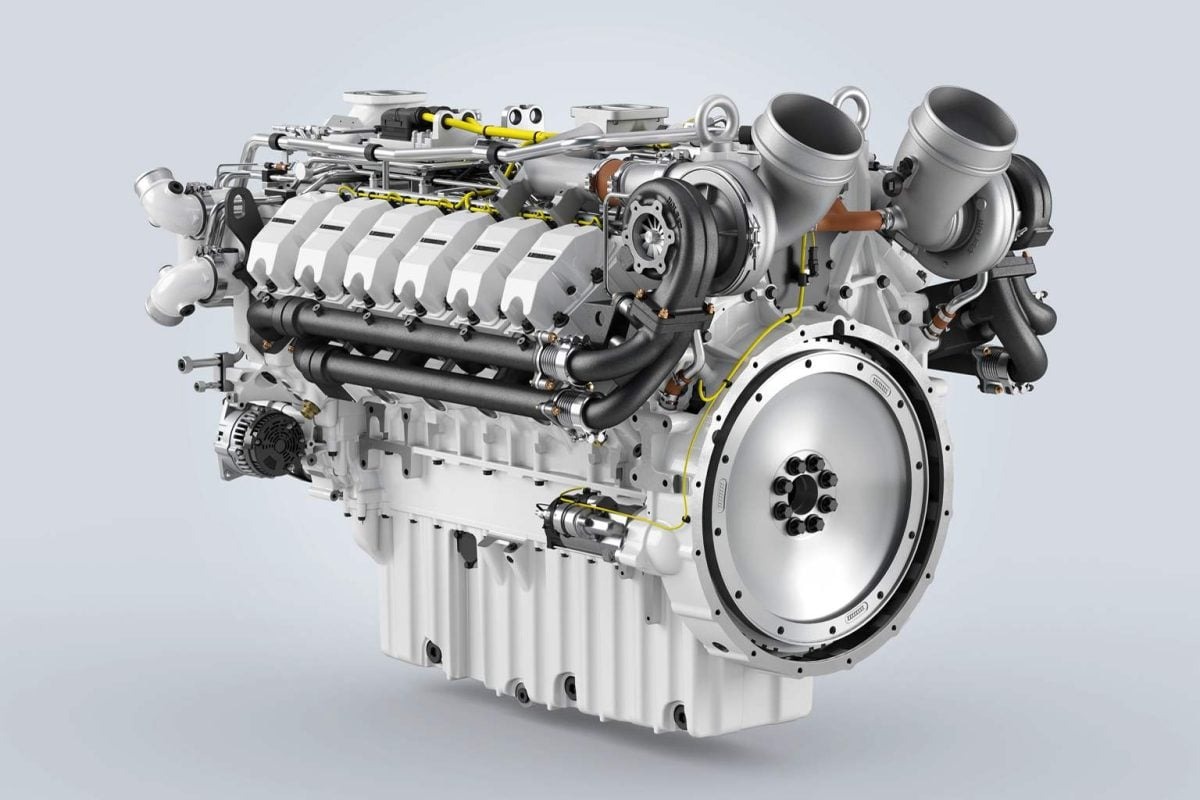
Ammonia-Powered Engine, Presented By Liebherr In Germany, Promises To Operate Without CO2 And Could Transform Heavy Machines Into Cleaner Vehicles.
The energy transition has gained new momentum in Germany. An innovative engine, presented by Liebherr at the Bauma Construction Machinery Expo 2025, promises to operate without gasoline, diesel, or batteries. And the most curious part: the main fuel is ammonia.
Carbon-Free Engine Presented In Munich
Liebherr, known for its heavy engineering equipment, revealed a prototype of an ammonia-powered engine.
The proposal aims to revolutionize the off-road machinery sector, such as those used in mining, with a carbon dioxide (CO2) free system.
-
After decades of failed attempts, Brazil is once again looking to space with an orbital rocket measuring 12 meters, weighing 12 tons, costing R$ 189 million, and scheduled for launch in 2026, in a new race to finally achieve autonomous access to orbit.

-
The Earth will plunge into a few minutes of darkness in broad daylight in August 2026, when a total solar eclipse transforms the sky into one of the most impressive astronomical phenomena in recent years.

-
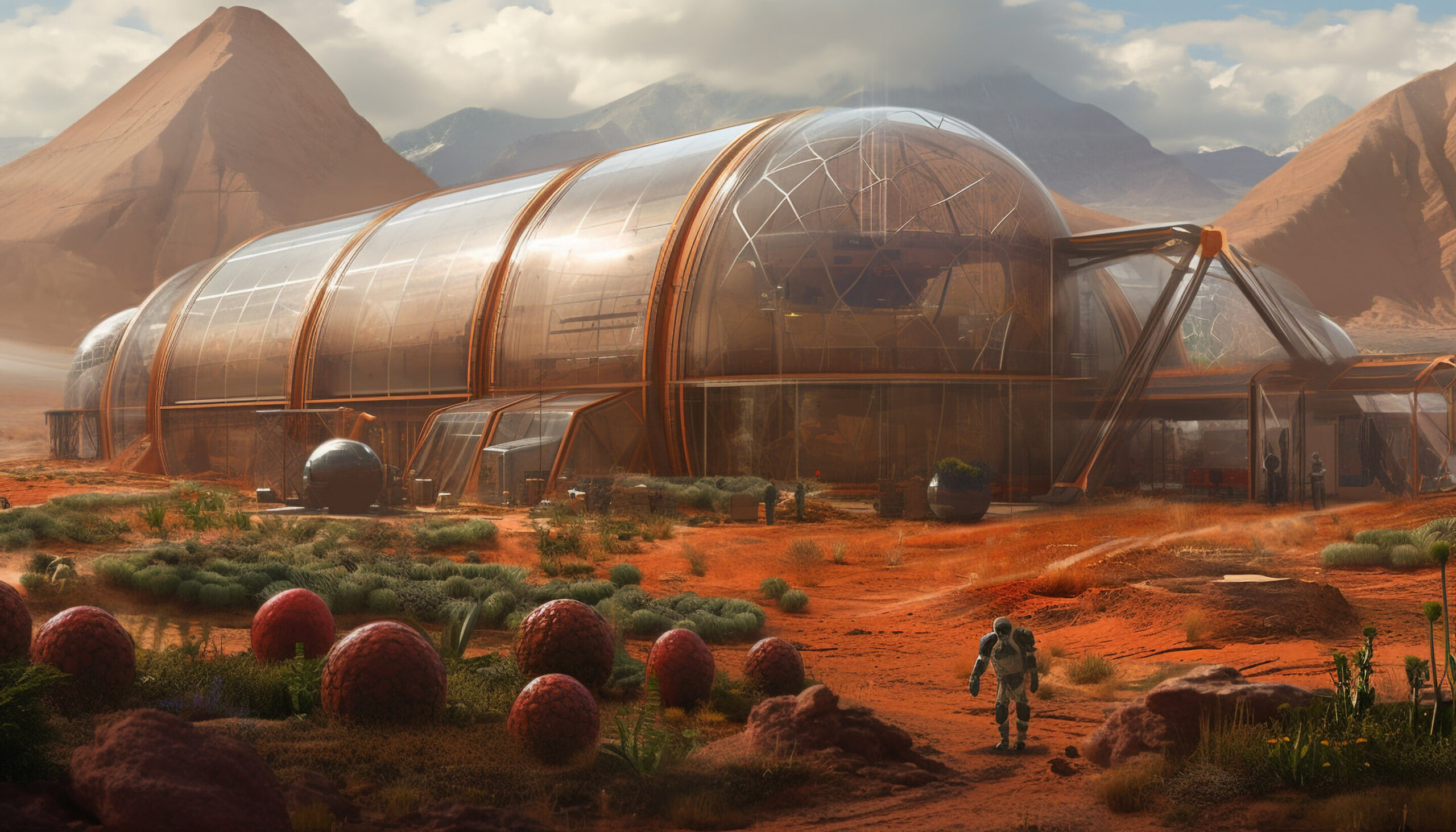
How the terraforming of Mars can transform the planet: artificial aerosols can increase the temperature by up to 35°C in 15 years, creating conditions for liquid water.
-
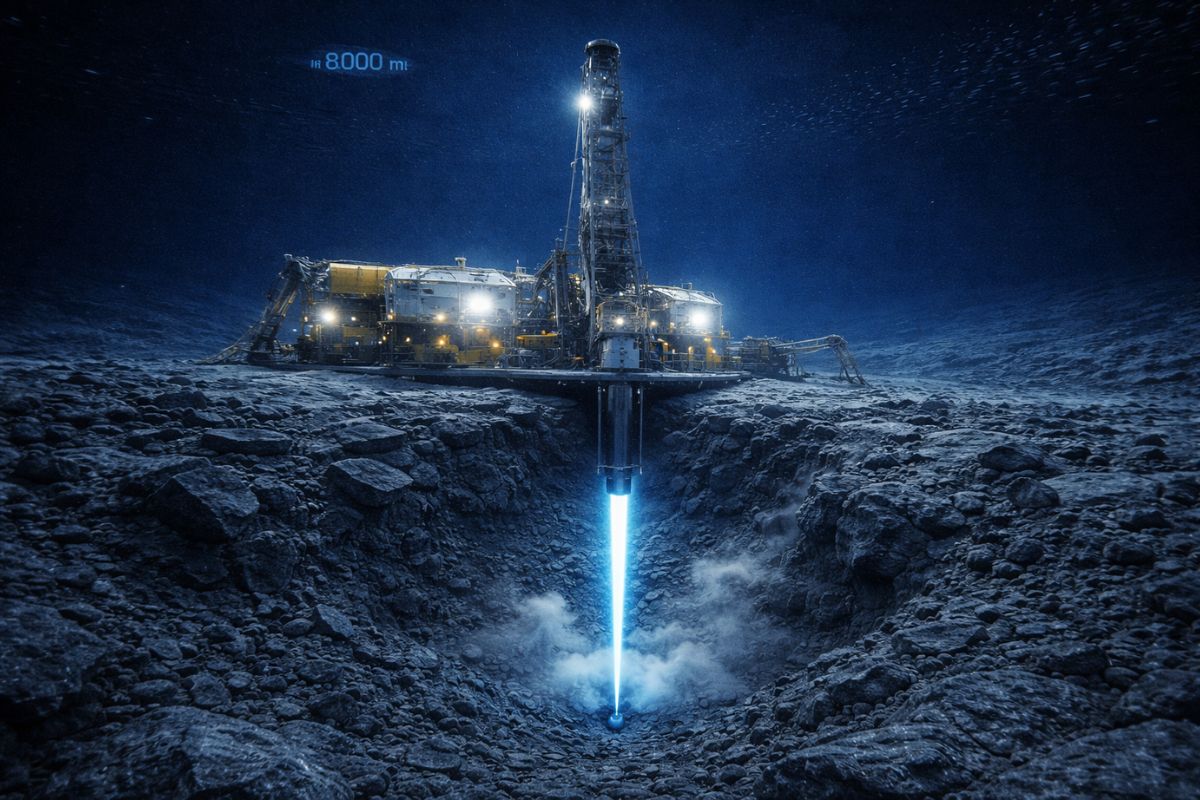
Scientists drilled nearly 8,000 meters into the ocean floor above the fault that caused the 2011 tsunami in Japan and discovered that a layer of clay 130 million years old was responsible for making the wave much worse than any model had predicted.

The idea arose from the need to find alternatives for locations where electrification is still unfeasible.
In mines and forests, for example, the infrastructure for battery charging is scarce. And traditional engines continue to emit large amounts of CO2.
Ammonia As Clean Fuel
The main innovation lies in the use of ammonia as fuel.
According to the company, it acts as a hydrogen carrier, being obtained from electrolysis with renewable energy.
Compared to pure hydrogen, ammonia has advantages. It is easier to store, transport, and utilize in remote locations.
Countries with abundant solar or wind energy can produce green ammonia and export it to other regions.
This process enables the refueling of heavy machines in isolated areas, without relying on fossil fuels or large batteries.
Combustion With Zero CO2 Emissions
The combustion of ammonia does not release CO2. But it is not simple. Its ignition occurs at much higher temperatures than gasoline or diesel. To function, the engine needs an initial spark.
Liebherr’s solution combines ammonia with small amounts of hydrogen or diesel. In some cases, hydrogen is extracted from the ammonia itself, within the engine, using a catalyst.
This system ensures efficient and clean ignition without generating carbon dioxide. The result is a powerful engine suitable for intense operations, with nearly zero emissions.
Outlook For The Off-Road Sector
The proposal addresses an old challenge: how to make sustainable the machines that work far from the power grid. Tractors, excavators, and mining trucks still heavily depend on fossil fuels.
For Liebherr, ammonia could fill this gap. While electric vehicles advance in urban centers, the fields and construction sites continue to await more robust solutions.
This new engine could be the start of a real change. A viable alternative, with a lower environmental impact, that can operate in extreme conditions.
Last Relevant Information
The presentation of the engine at the Munich fair marks an important step. It shows that, even in sectors difficult to electrify, such as mining and heavy construction, there are possible paths towards clean and carbon-free operation.








Seja o primeiro a reagir!