





 Portuguese
  English
  Spanish
 5 min of reading
  0 comments


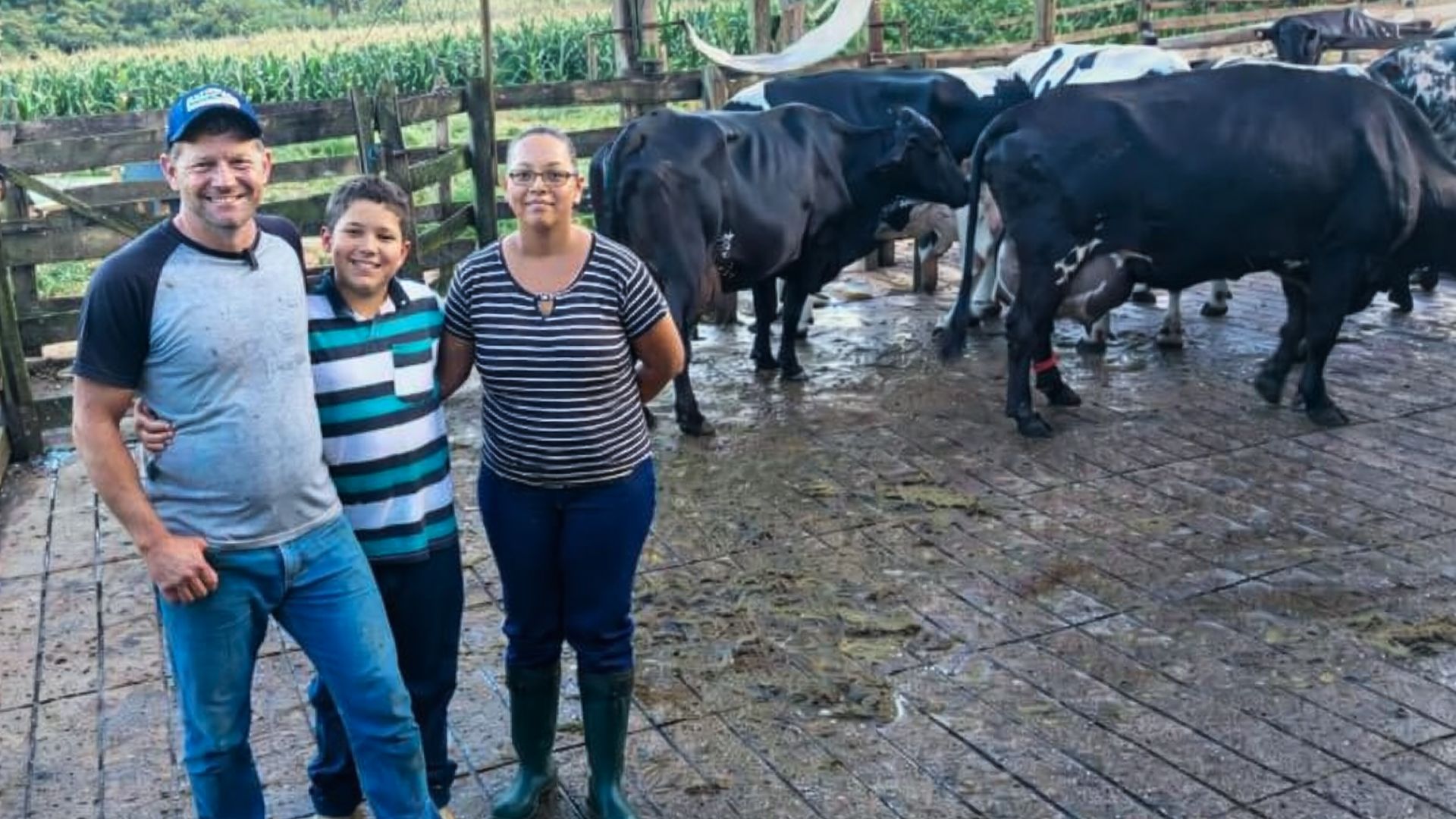
From Coffee Plantation to Modern Composting Shed, Couple Transforms Hard Work, Faith, and Technical Management into an Efficient, Sustainable, and Profitable Dairy Production, Showing that Wealth in the Countryside Goes Beyond Money
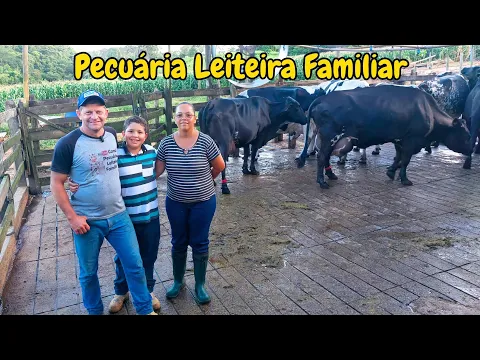
In the countryside, far from easy promises and empty motivational speeches, the story of Renato and Tatiana is built with daily work, tough decisions, and a direct relationship with the land. They never said they had nothing. They had something essential: willpower. It was on this basis that the couple left the coffee plantation, entered dairy production in 2008, and over the years built a legacy that today makes them affirm, without exaggeration: “we are rich”.
The information was disclosed by the channel of Daniel, who closely followed the family’s routine, capturing every detail of the property, from feeding the herd to milking, from managing the compost bedding to involving their children in the day-to-day activities on the farm. More than just numbers, what is seen is a real model of growth in the Brazilian countryside.
Initially, Renato worked on coffee farms and had always lived in the Tobati region. The definitive move to farming came when the opportunity arose to milk cows at a nearby retreat. He spent six months working for others until the chance to buy the first cows appeared, marking the beginning of their journey in dairy farming. Since then, milk has become the family’s main source of income.
-
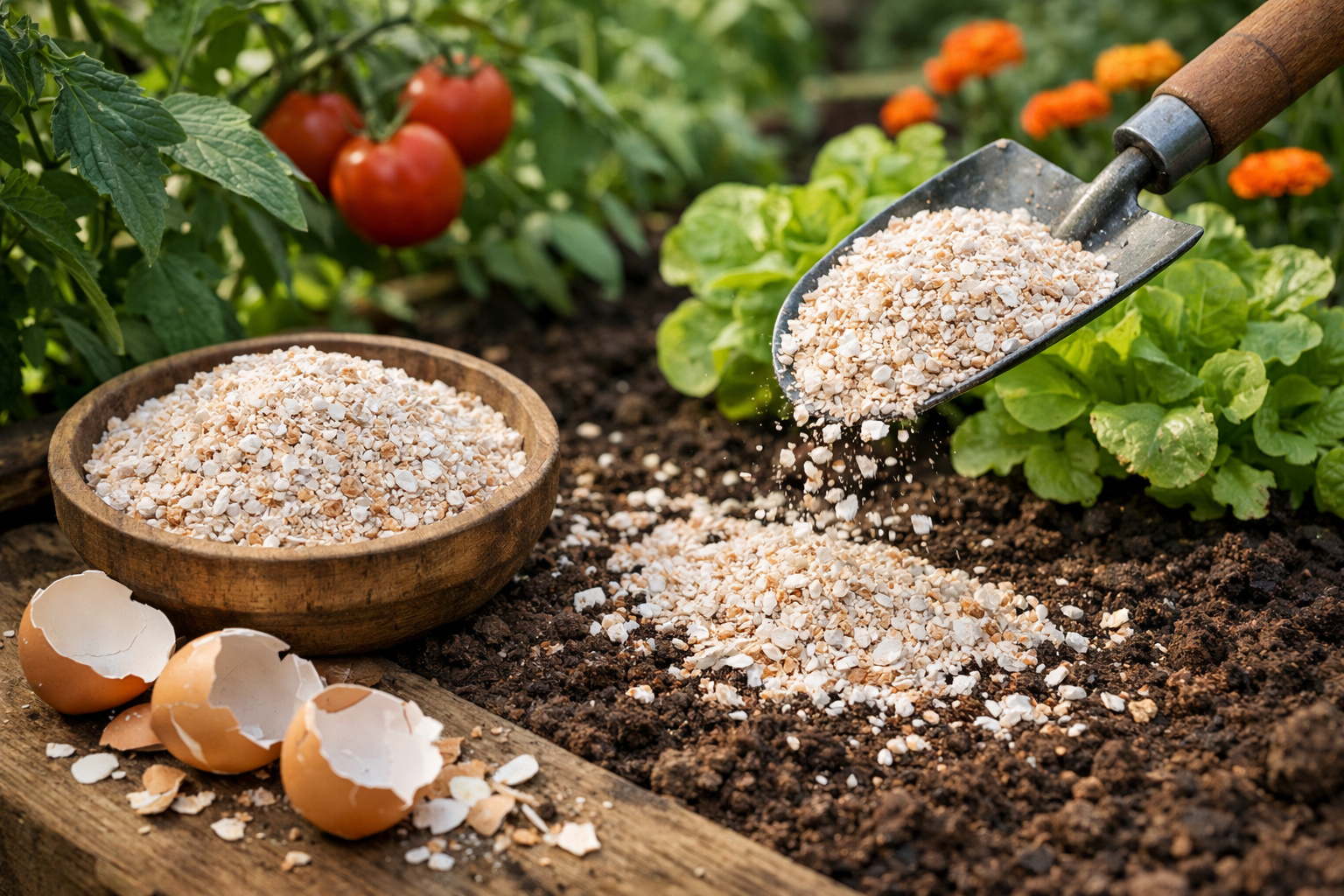
The eggshell that almost everyone throws away is made up of about 95% calcium carbonate and can help enrich the soil when crushed, slowly releasing nutrients and being reused in home gardens and vegetable patches.
-
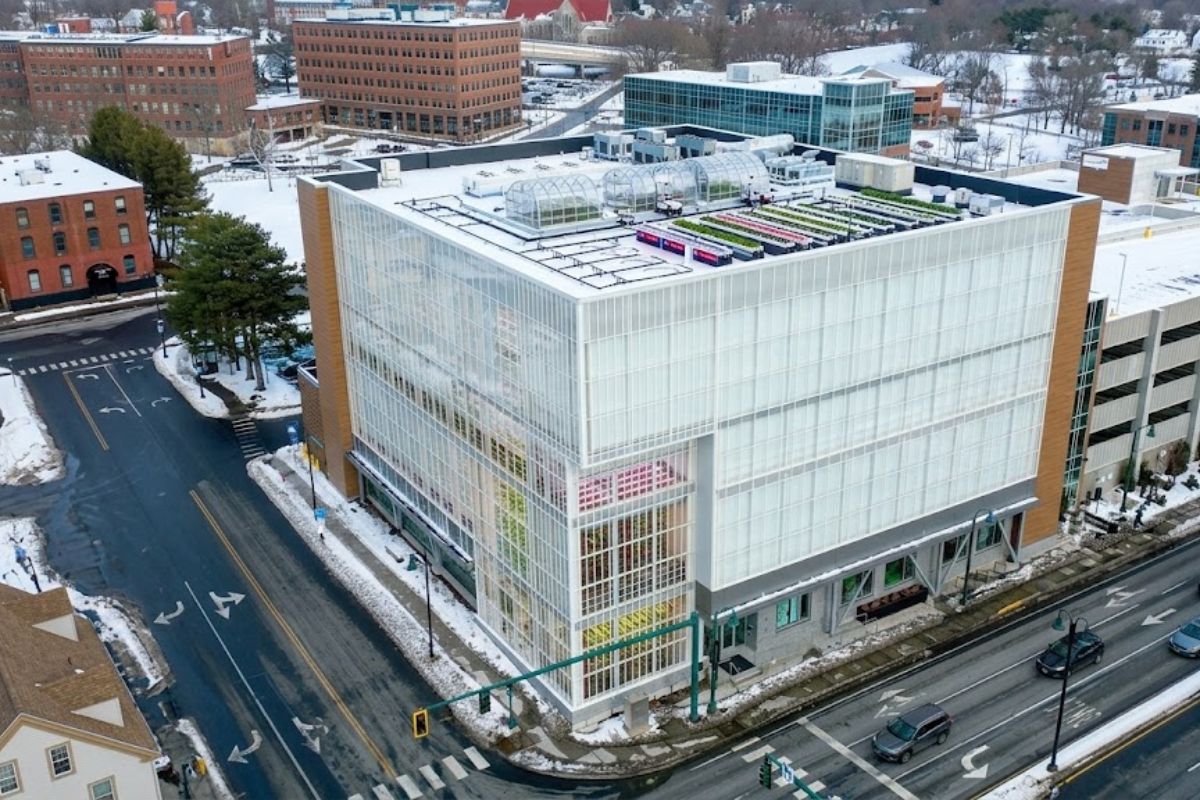
This farm in the United States does not use sunlight, does not use soil, and produces 500 times more food per square meter than traditional agriculture: the secret lies in 42,000 LEDs, hydroponics, and a system that recycles even the heat from the lamps.
-
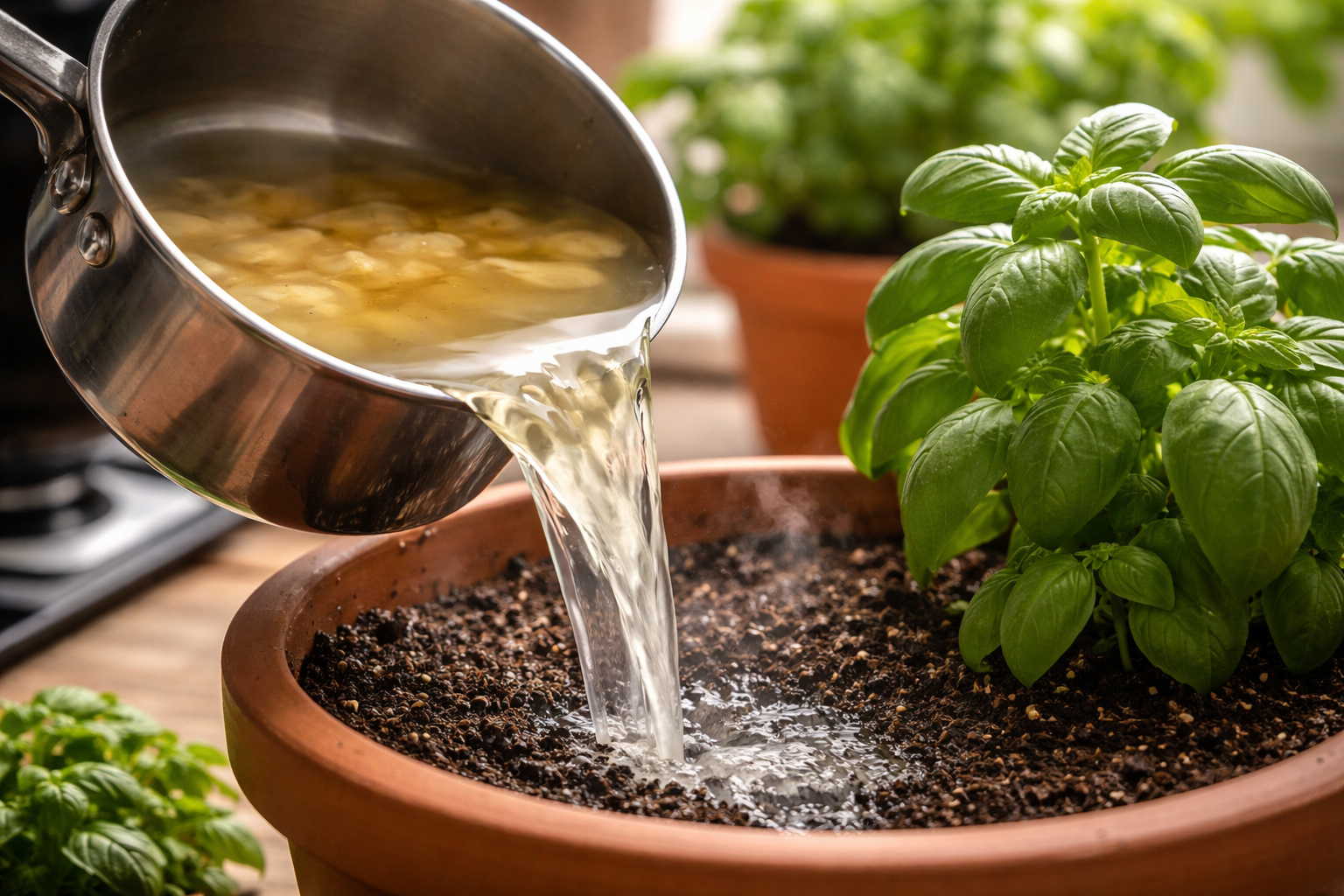
The water that almost everyone throws away after cooking potatoes carries nutrients released during the preparation and can be reused to help in the development of plants when used correctly at the base of gardens and pots, at no additional cost and without changing the routine.
-
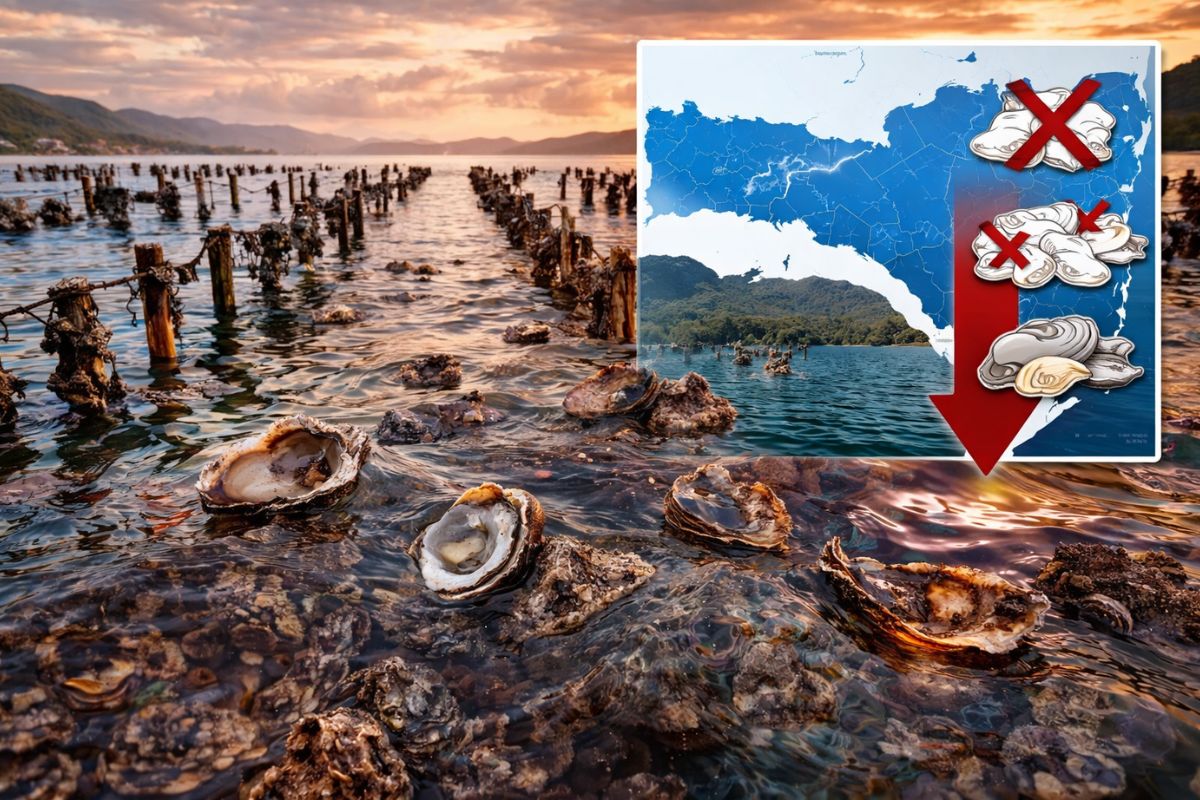
The sea water temperature rose from 28 to 34 degrees in Santa Catarina and killed up to 90% of the oysters: producers who planted over 1 million seeds lost practically everything and say that if it happens again, production is doomed to end.

They lived in a rental property for four years. Only in 2012 were they able to build their own house, entirely with resources generated by dairy activity. Nothing came ready. Everything was the result of production, milk sales, and an intense work routine, often balanced with small children and few guarantees of stability.
From Plantation to Milk: How the Turnaround in the Countryside Began

The definitive entry into dairy production occurred in 2008. At the time, the couple had only one young daughter, Renata. Soon after, Davi was born, who is now actively involved in the farm tasks. This family involvement is one of the pillars of the business’s growth, creating not just income but continuity.
Over the years, Renato and Tatiana understood that growing in dairy requires more than just the number of cows. It requires management, correct feeding, animal comfort, and, most importantly, well-founded technical decisions. Therefore, each stage of production was carefully planned, from the diet to the structure of the shed.
Currently, the property operates with about 50 milking cows, producing an average of 1,500 liters of milk per day. The efficiency ratio is clear: approximately 3 liters of milk for every kilo of feed, a figure considered good within dairy farming.
This result did not come by chance. It is a direct consequence of fine-tuning in feeding, environment, and daily management of the herd, always with technical follow-up and constant observation of the animals’ behavior.
Feeding, Management, and Numbers That Explain the Results

The base of the cows’ diet consists of corn, supplemented with 24% protein feed, cottonseed, and soy hulls, which serve as fiber and roughage. The first group consumes about 8 kg of feed per day, while another reaches 11 kg, resulting in an approximate average of 10 kg of feed per cow daily.
With this management, daily consumption is about 500 kg of feed for 50 cows. Additionally, each animal receives about 2 kg of pelleted soy hulls per day, which improves the digestibility of the diet and nutrient absorption.
Another important technical point is the addition of water to the diet. To improve palatability and reduce dry matter in the feed, Renato adds about 2 liters of water per cow in each feed wagon, totaling about 100 liters per feeding. Throughout the day, this represents an average of 8 liters of water incorporated into the feed.
According to him, after adopting this practice, production increased by 1 to 2 liters of milk per cow, a significant gain when considering the total daily volume. Water is cheap, as he says, and the returns appear quickly in production.
The feeding routine is scheduled throughout the day. There are two feedings early in the morning, before milking, another in the middle of the day, and one more in the late afternoon to ensure food through the night. On days when they are leaving the property, adjustments are made with three feedings in the morning and one in the afternoon, always maintaining consistency.
Animal Comfort, Shed, and Sustainable Production

Besides feeding, the comfort of the cows is treated as a priority. The property uses a compost bedding shed, which is turned twice a day. During periods of high humidity, this process can be done three times a day.
The bedding reaches temperatures close to 70 °C, essential for proper composting and bacterial elimination. By turning the material, what is on the surface goes to the bottom and vice versa, keeping the bedding dry, fluffy, and suitable for the animals’ rest.
Fans play a crucial role in this system. In addition to cooling the cows, they help to reduce humidity, which is essential for maintaining the environment’s health. A damp bedding promotes bacteria and harms both the comfort and health of the herd.
In the waiting area for milking, the combination of water spraying and ventilation helps to reduce thermal stress. High-yield cows generate a lot of heat, and adequate cooling facilitates the natural release of oxytocin, the hormone responsible for milk letdown. It is estimated that about 80% of the milk is already formed in the udder, while the remainder is completed during milking, provided the animal is comfortable.
Wealth in the Countryside: Money, Structure, and Continuity
When Renato claims that he now considers himself rich, he is not just talking about money. He talks about structure, security, investments made with hard work, and the possibility of continued growth. There are projects, ideas, and plans in motion, all guided by the same logic: to make the farm operate well before expanding.
The rearing of animals, for example, already generates extra income. If all the rearing were to be kept, the current space wouldn’t accommodate the cattle, which would require new structures or additional grazing. Therefore, each step is calculated, respecting the pace of the property.
The children closely follow the routine. Davi, still young, already helps with milking and management, always spontaneously, without coercion. The family believes that daily example is the greatest incentive, allowing their children’s future professional paths to be a natural choice.
Thus, the story of this family demonstrates that wealth in the countryside does not arise from shortcuts, but from consistency, faith, technical knowledge, and well-executed decisions. A real, possible model, deeply connected to the reality of Brazilian dairy farming.
Source: Daniel de Andrade and Family Dairy Farming








-

-

-

-

-

-

259 pessoas reagiram a isso.